
Visiting San Sebastián
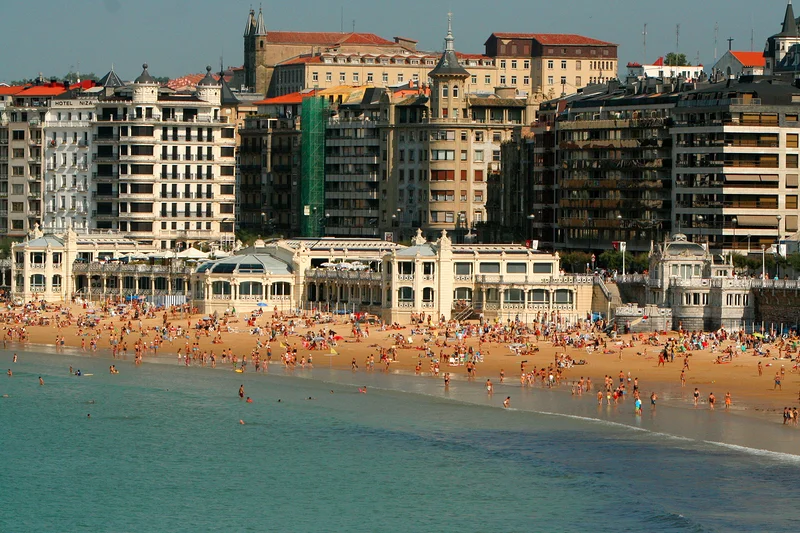
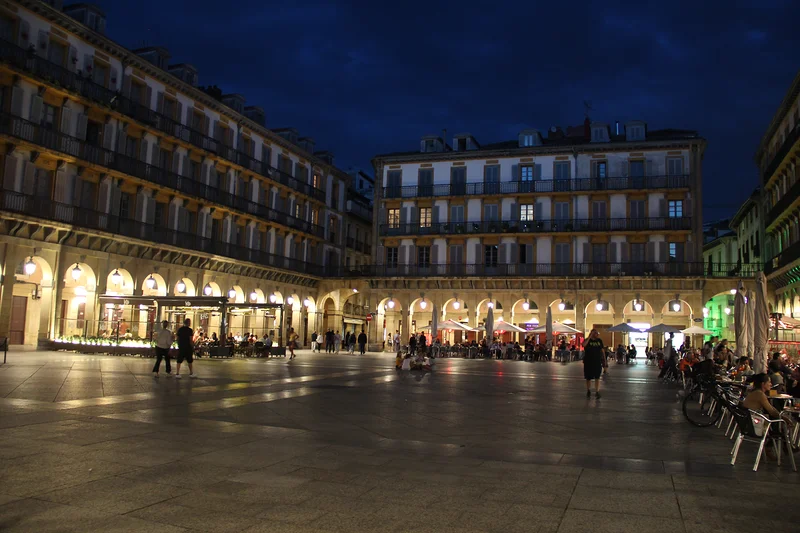
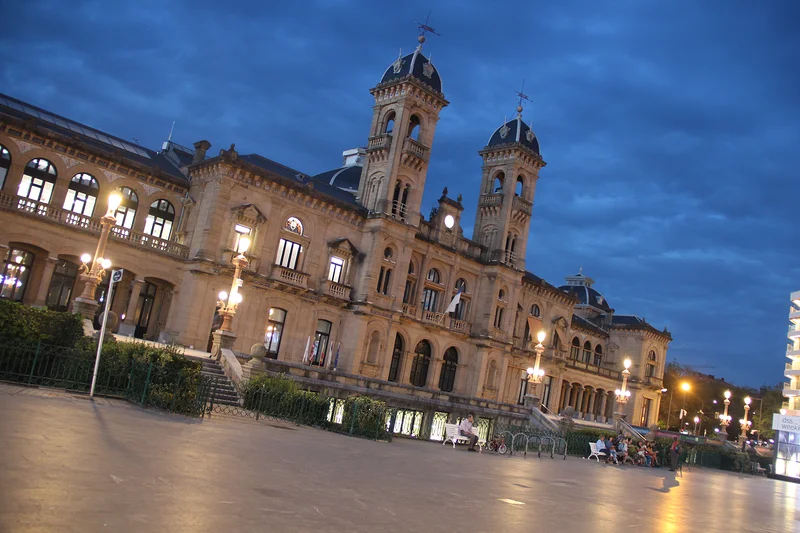
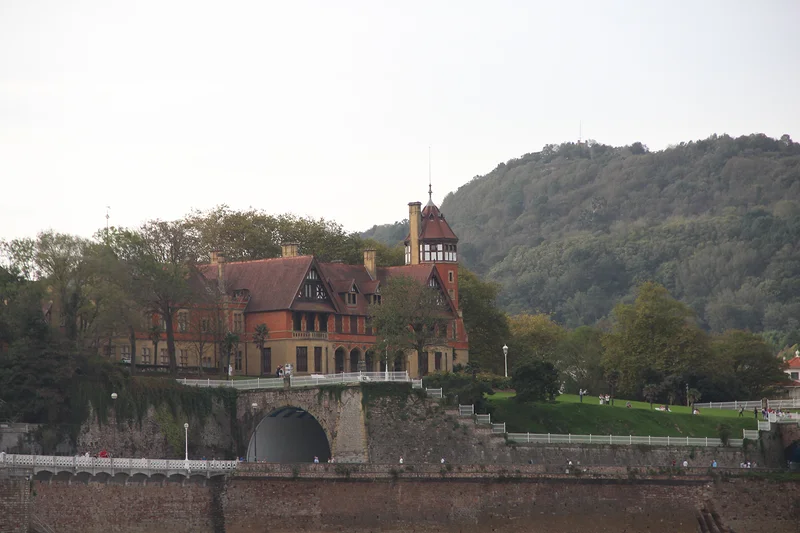
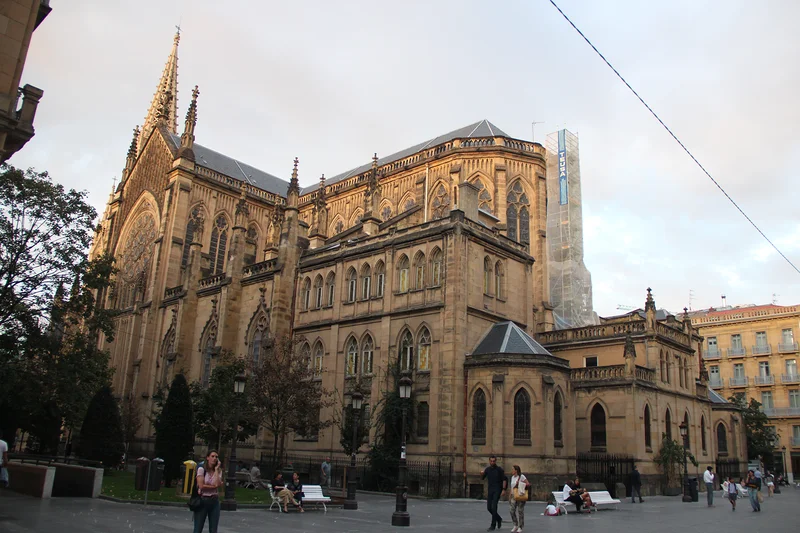
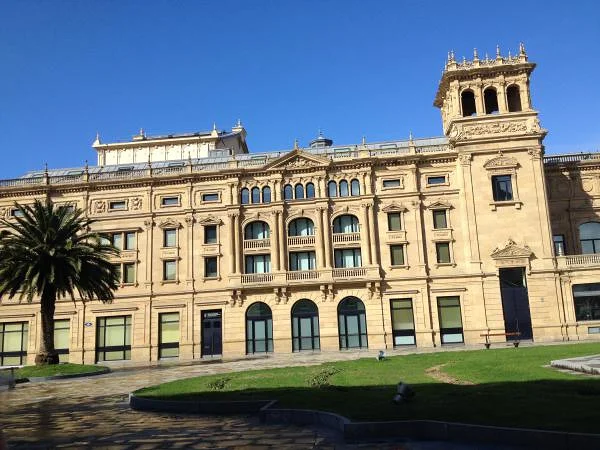
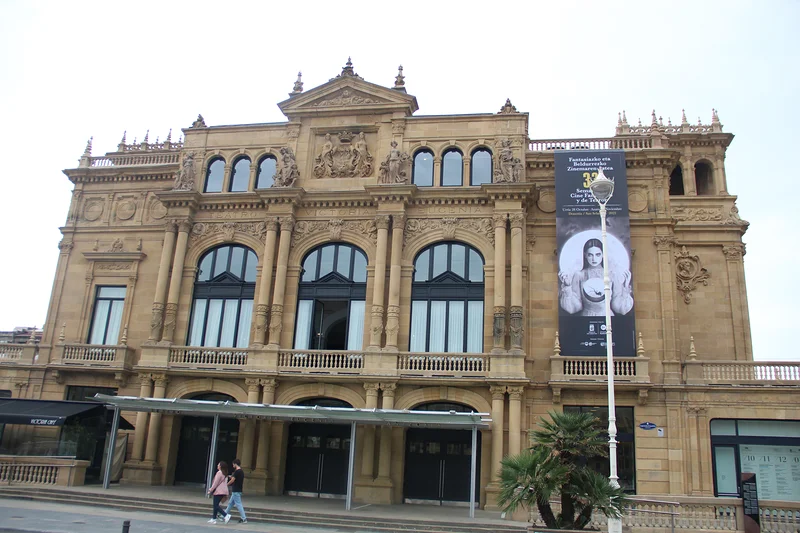
San Sebastián, or Donostia in Basque, sits within the Basque Autonomous Community of Spain. The city was founded in 1180 by the King of Navarre, who wanted a maritime gateway to the Cantabrian Sea. Having weathered various European conflicts, the city faced several fires before being rebuilt in 1813 in an Art Nouveau style. Several buildings in the historic center, centered around the Plaza de la Constitución, such as the Victoria Eugenia Theater or the Maria Cristina Hotel, reflect this golden age. During this era, San Sebastián served as the summer residence for Queen Regent Maria Christina and much of the Spanish court at the Miramar Palace.
An elegant seaside city
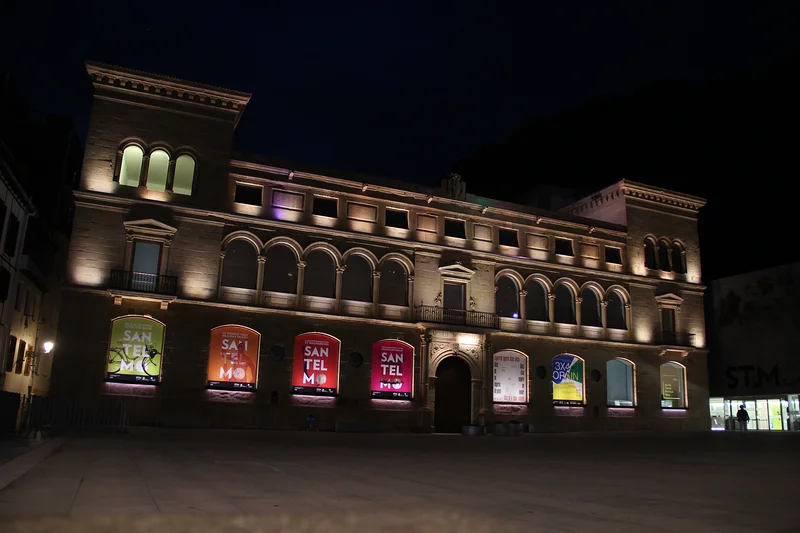
San Sebastián is often compared to major global cities like Paris or New York for its architecture and culinary scene. The city is defined by the quality of its pintxos, the famous Basque tapas. Its Belle Epoque atmosphere draws visitors in, as do historic sites like the San Telmo Museum, which is dedicated to Basque culture and housed in a former 16th-century Dominican convent.
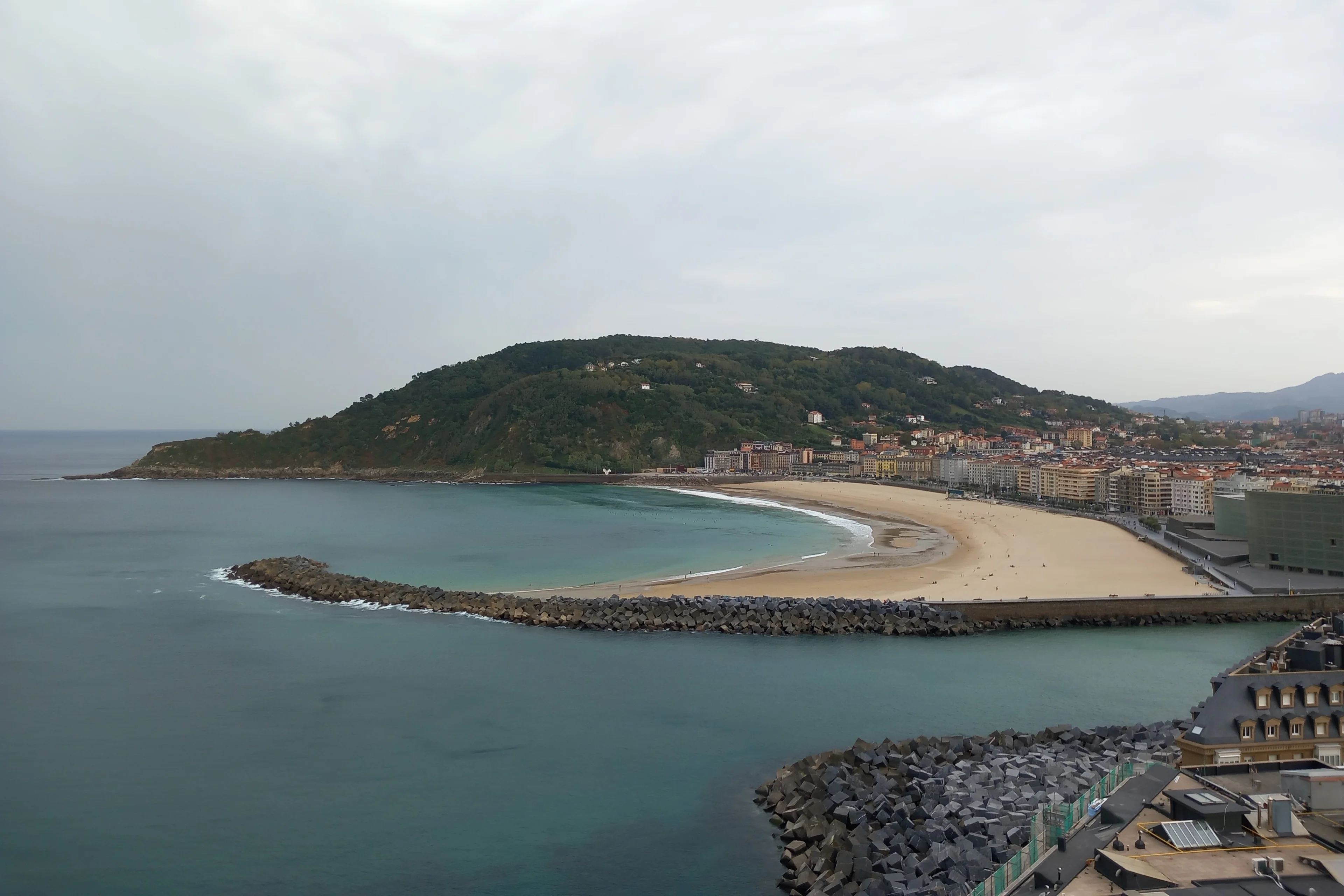
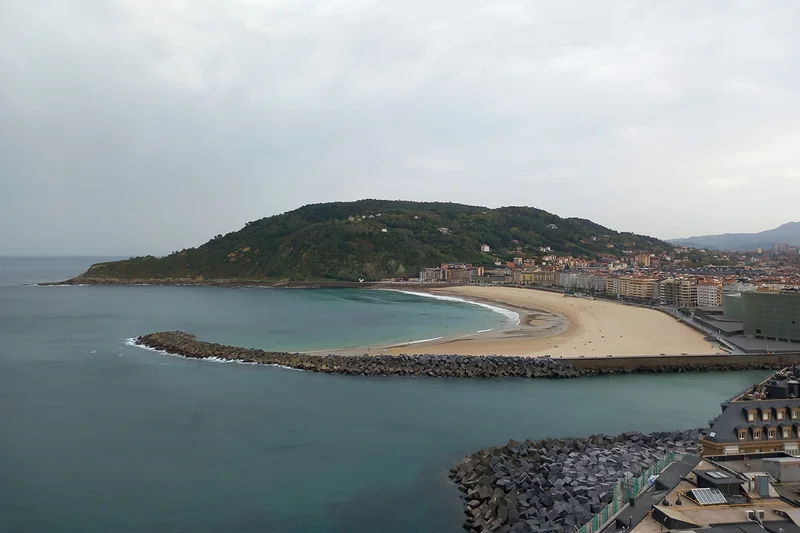
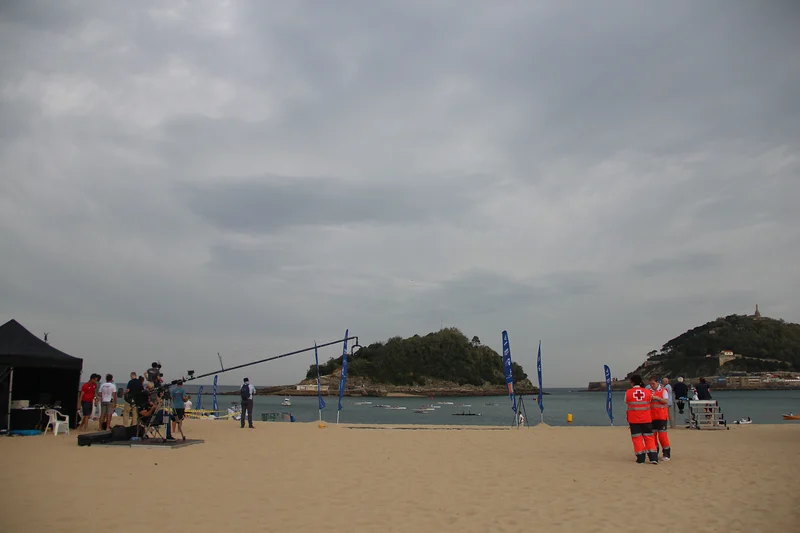
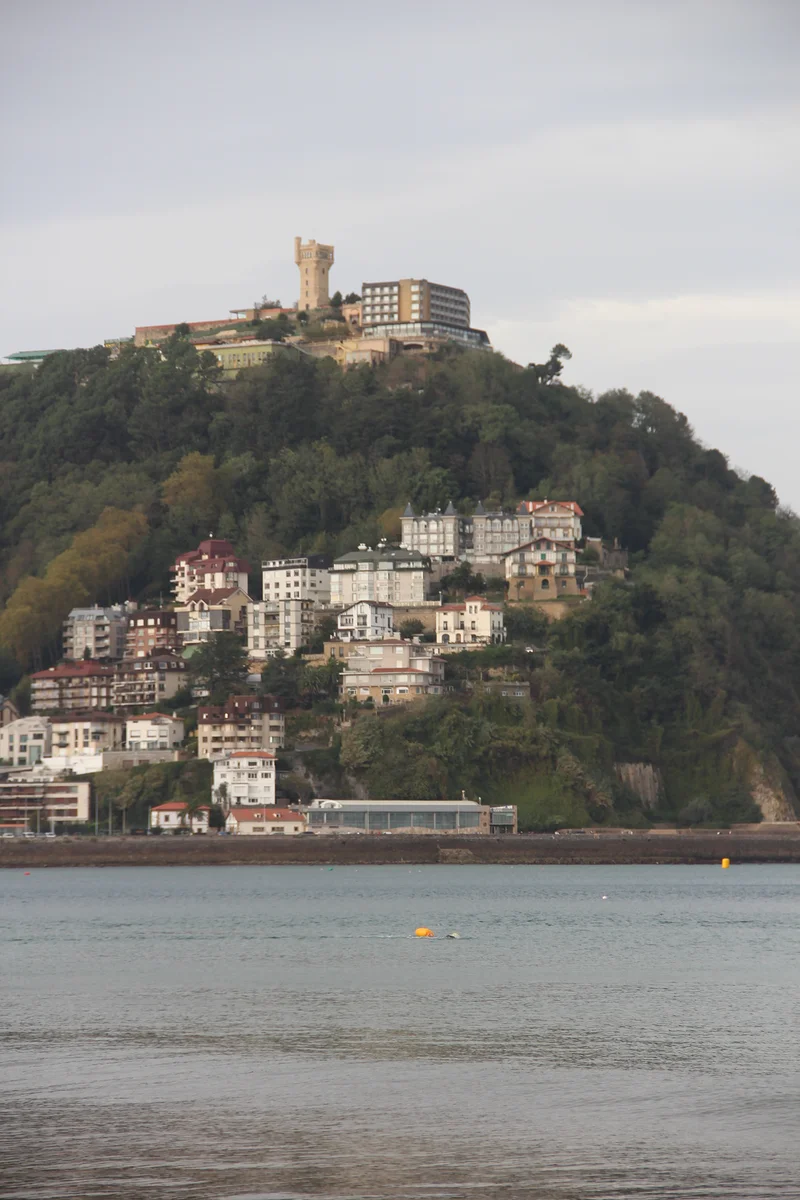
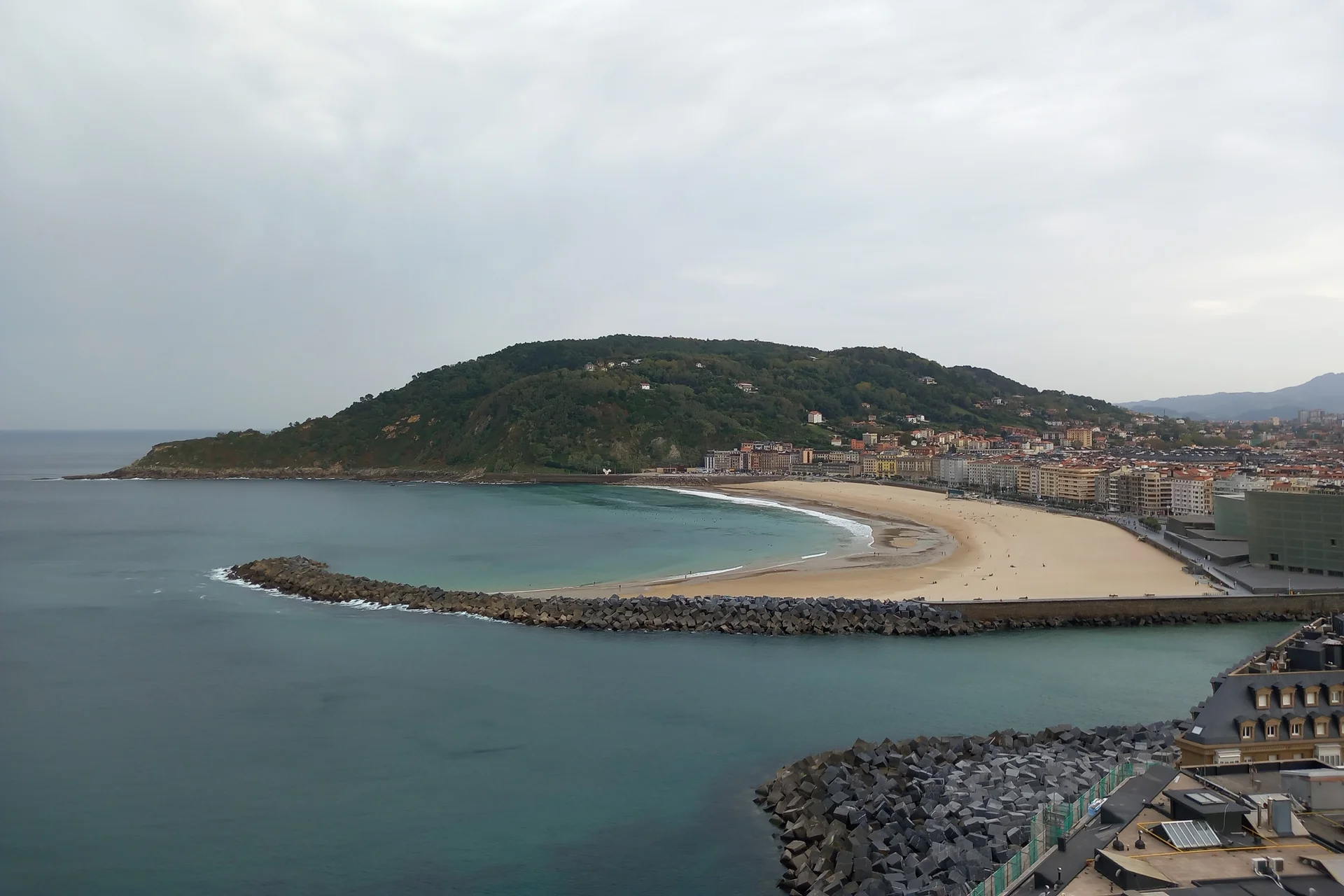
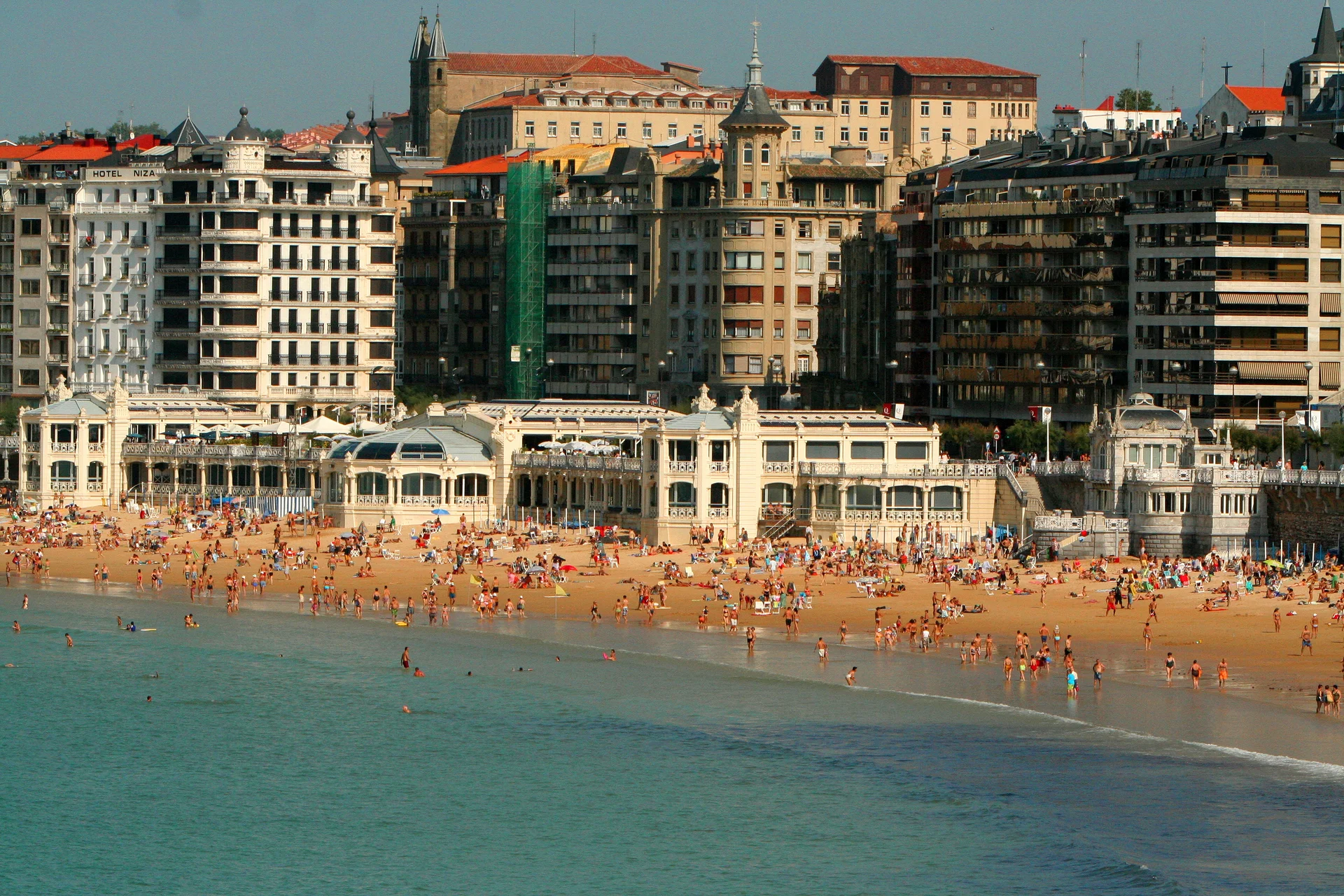
The La Concha Bay is the other treasure of Donostia-San Sebastián. Framed by Igeldo and Urgull mountains, it showcases a gradient of blues to those walking along the La Concha promenade, a scenic pedestrian path that hugs the coastline.
For more recent architecture, look for the Kursaal Congress Centre, a striking contemporary structure designed by Rafael Moneo that serves as both a performance hall and a convention center.
Between sea and mountains
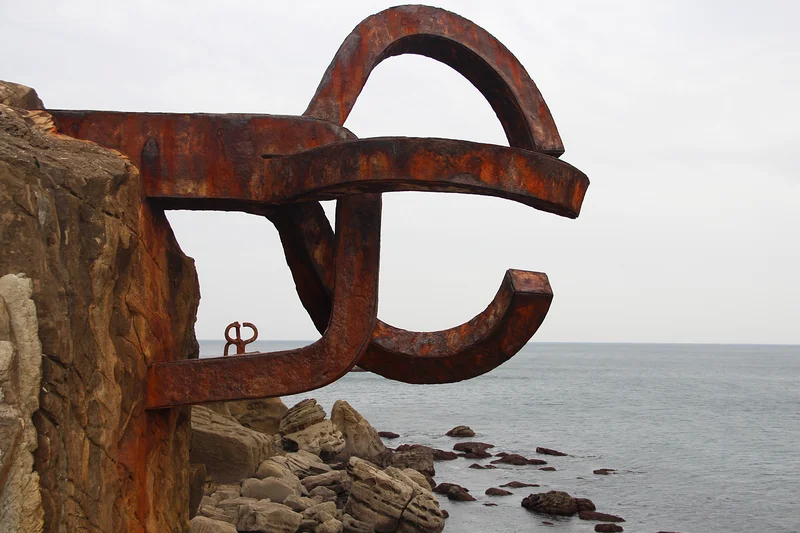
San Sebastián features three urban beaches. La Concha Beach is the city's central hub. Further west, you will find Ondarreta Beach, which has a more family-friendly atmosphere. Continue along the road to find the Wind Comb, an immense sculpture designed by Basque artists Chillida and Peña Gantxegi. The tubes built into the sculpture allow incoming air and water to create strange melodies. Finally, to the east, Zurriola Beach is more exposed to the wind and is a hotspot for surfers.
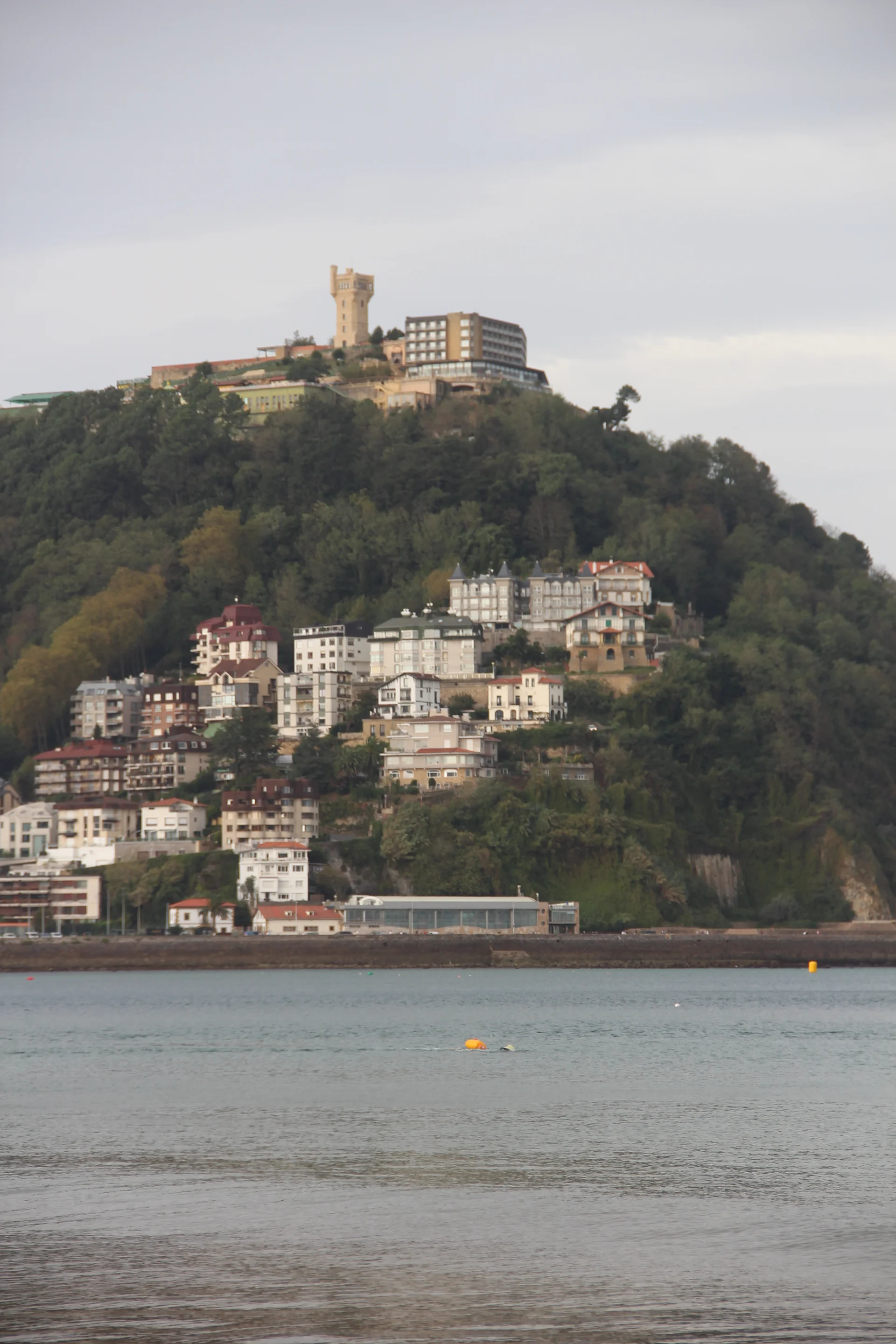
Numerous walking paths wind through the Urgull and Igeldo mountains, providing access to vantage points overlooking the bay. Note that a funicular runs from the Ondarreta neighborhood straight to the top of Mount Igeldo.
When to go
The best time to visit San Sebastián is between May and June to avoid the peak season crowds. For swimming, August is ideal. You can also experience the energy that takes over the city streets in September during the International Film Festival.
How to get there
San Sebastián is located about 12 miles from the French border. Flights are available to Bilbao, where you can then take a train to San Sebastián. Once there, avoid using a car. The city is best explored on foot, and the bike lane network stretches over 30 miles.
I went there in July for a day trip from the southwest of France. I really loved walking around the old town, with its narrow and very lively streets. The Plaza de la Constitución, with its numbered balconies, is a must-see.
After a picnic on the beautiful La Concha beach, I took a small, very unique hillside funicular to climb to the top of Mount Igueldo. The panoramic view of the bay is magnificent and worth the climb all on its own. There is also a small park up there that offers individual rides. It is family-friendly, and I recommend the little boats that offer different perspectives of the bay along the course. A small downside, I did not find the local Spanish people to be very warm.