
Visiting Pamplona, the capital of Navarre
Some cities are inseparable from a single, high-octane image. When you hear Pamplona, you immediately think of its wild, world-famous festivities. You might see a plaza packed with people wearing red scarves in front of a dramatic building, and while you may not know it is the Ayuntamiento de Pamplona yet, its baroque elegance is hard to ignore. This city hall was the catalyst for unifying three independent boroughs back in 1423. That same historical finesse defines the city today. Pamplona is captivating and bright, balancing a deep respect for its past with a forward-looking energy. Nestled at the foot of the Pyrenees, the capital of Navarre has been a regional hub since 74 BC.
A city built by history
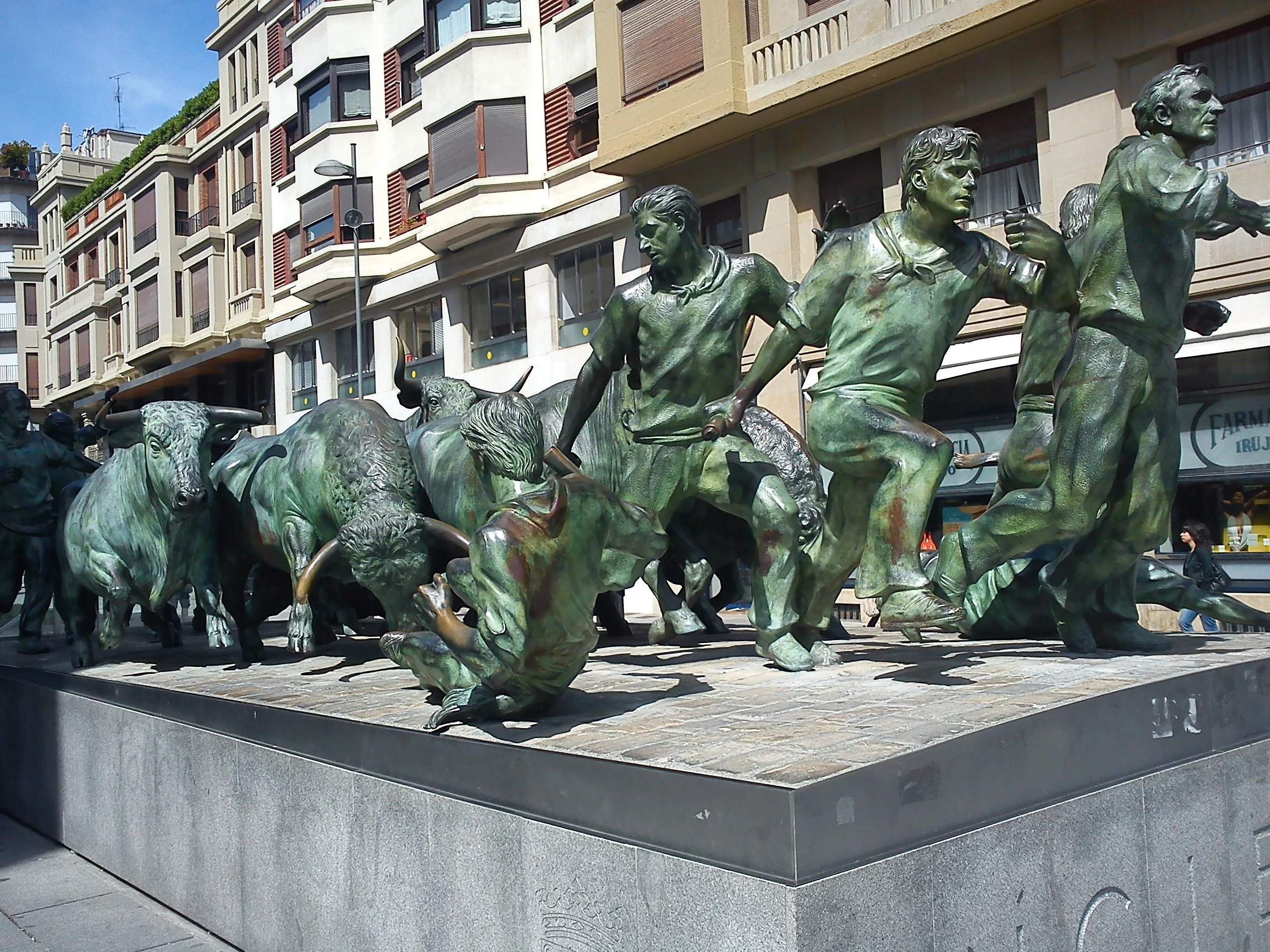
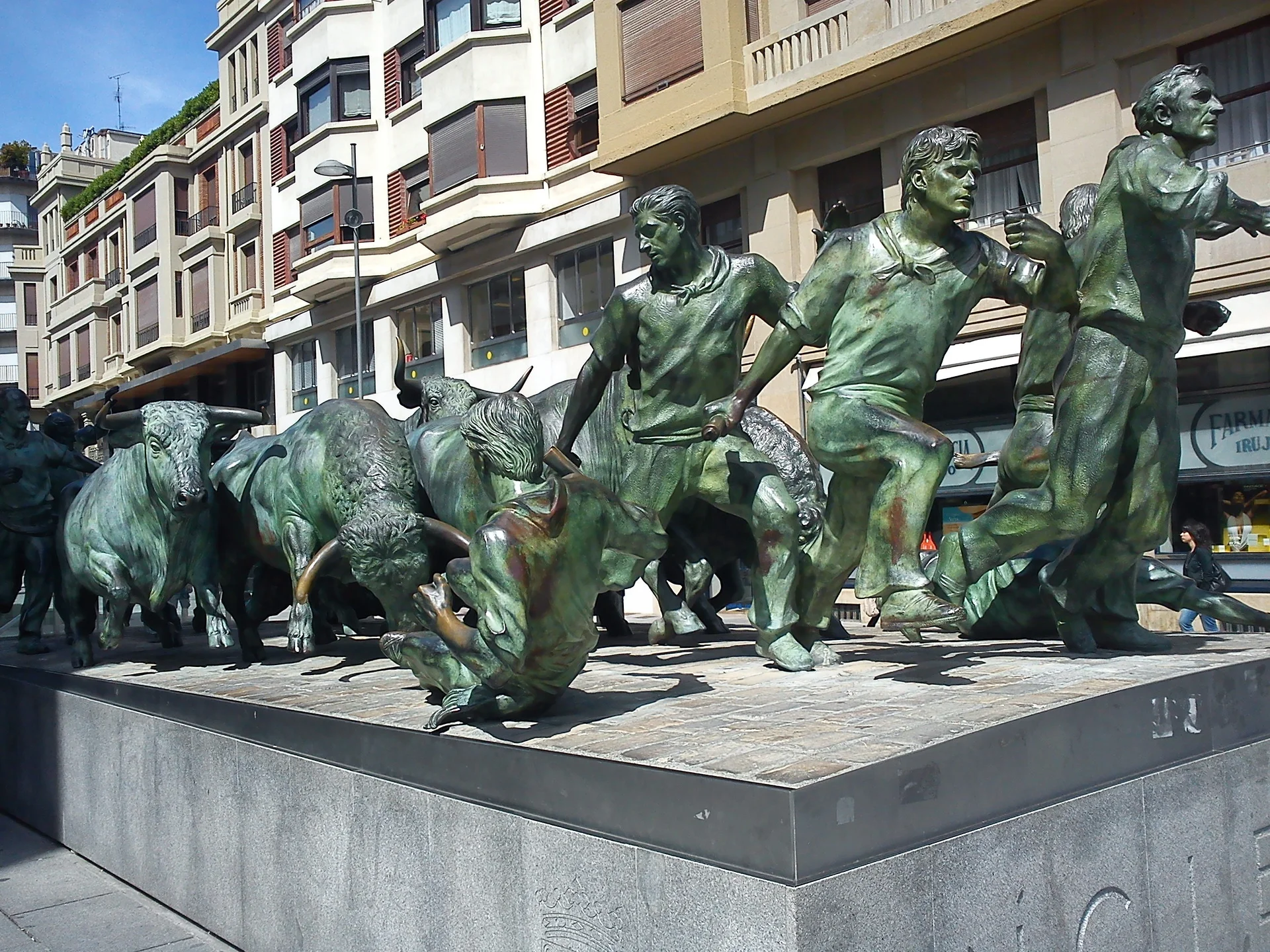
At the center of town, even without a castle, the Plaza del Castillo remains the primary gathering spot. Spanning 14,000 square meters and rimmed by colorful buildings with arched walkways, it has a distinct atmosphere that famously caught the attention of Hemingway. In the quarters that once functioned as separate boroughs, the medieval spirit is still palpable. Over at the place Consistorial, the city hall stands proud with its iconic facade. These balconies are the launch point for the chupinazo, the rocket that signals the start of the fêtes de San Fermin. The event is immortalized in a massive, hyper-realistic sculpture by Huerta, depicting runners being pursued by bulls on avenue Roncesvalles.
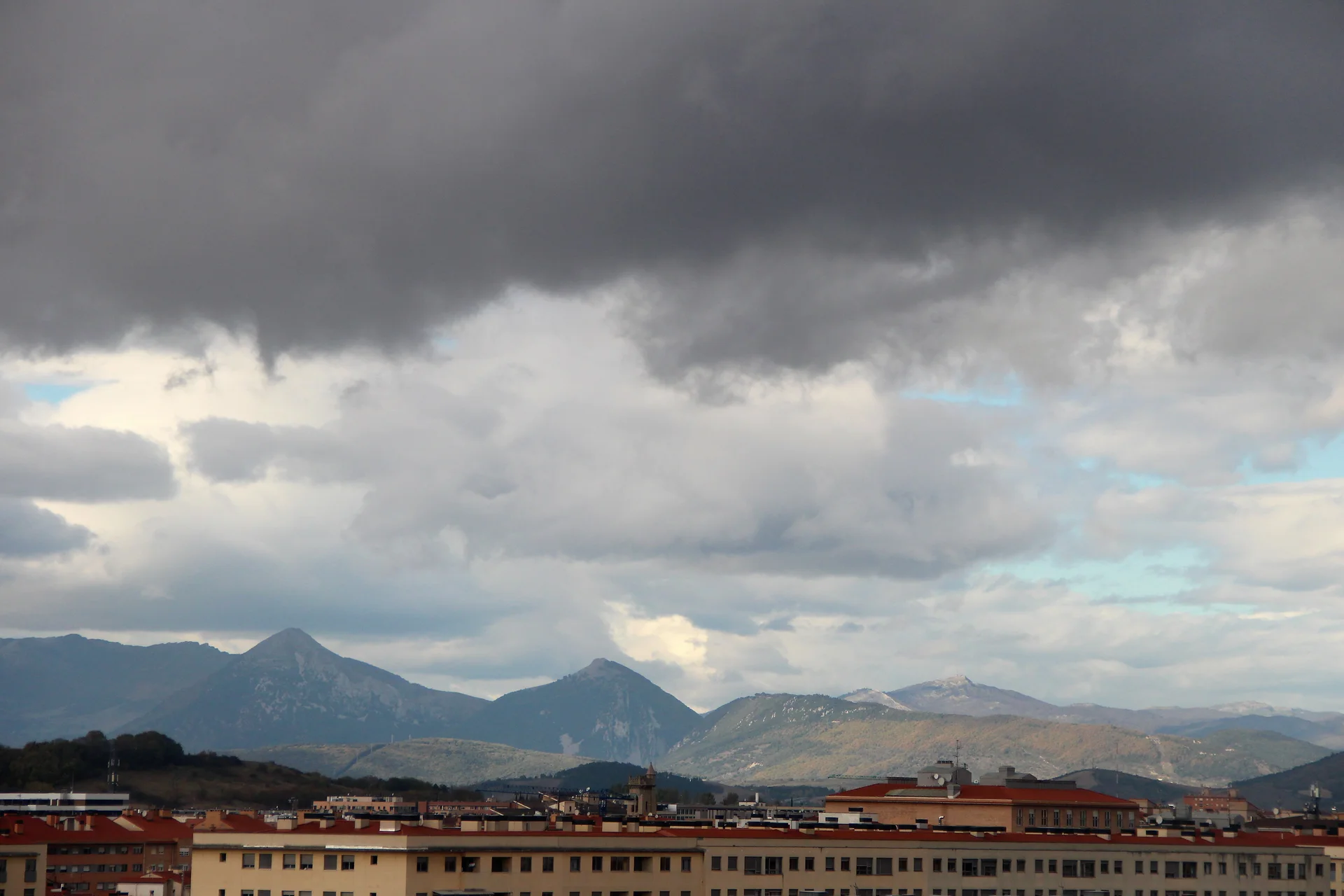
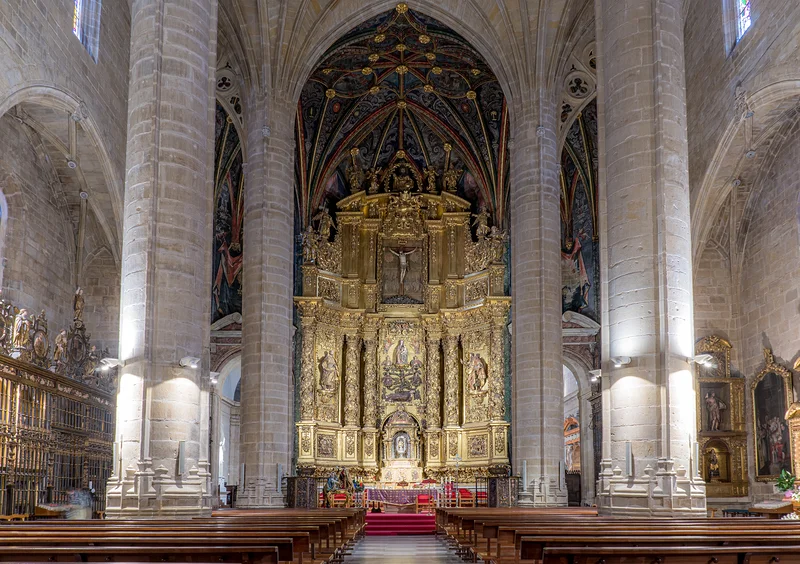
Pamplona embraces monumental architecture, and its religious sites are no exception. The cathédrale Santa Maria la Real is a masterpiece featuring three naves and a gothic cloister. Completed in 1501, it sits near the musée diocésain. Be sure to check out the old fortress-church of San Nicolas and l'église San Lorenzo, a true architectural gem. Surrounding the old town, les remparts témoignent du caractère fortifiée de la ville. A five-kilometer walk along these walls offers expansive views with the Pyrenees in the distance. The Portal de France, the crenelated bastions, and the watchtowers are remarkably well-preserved and classified as a National Monument. These military remnants merge into la Citadelle, which has evolved into a popular 280,000-square-meter park.
Colorful gastronomy and grand parks
To fully grasp Pamplona's history, the Musée de Navarre offers a comprehensive look from prehistory to the modern era. Today, it is an innovative city, particularly in fields like health care. Its nightlife is intense, and the local food scene is driven by the les Vergers de la Mejana, which produce standout local ingredients like asparagus and artichokes. The tapas bars are overflowing with pintxos. Look for local specialties like les haricots blancs à la chistorra (white beans with sausage), fish-stuffed peppers, or le chilidron, a tomato-based stew with lamb or chicken. For dessert, the cream-filled la pantxineta is the go-to choice.
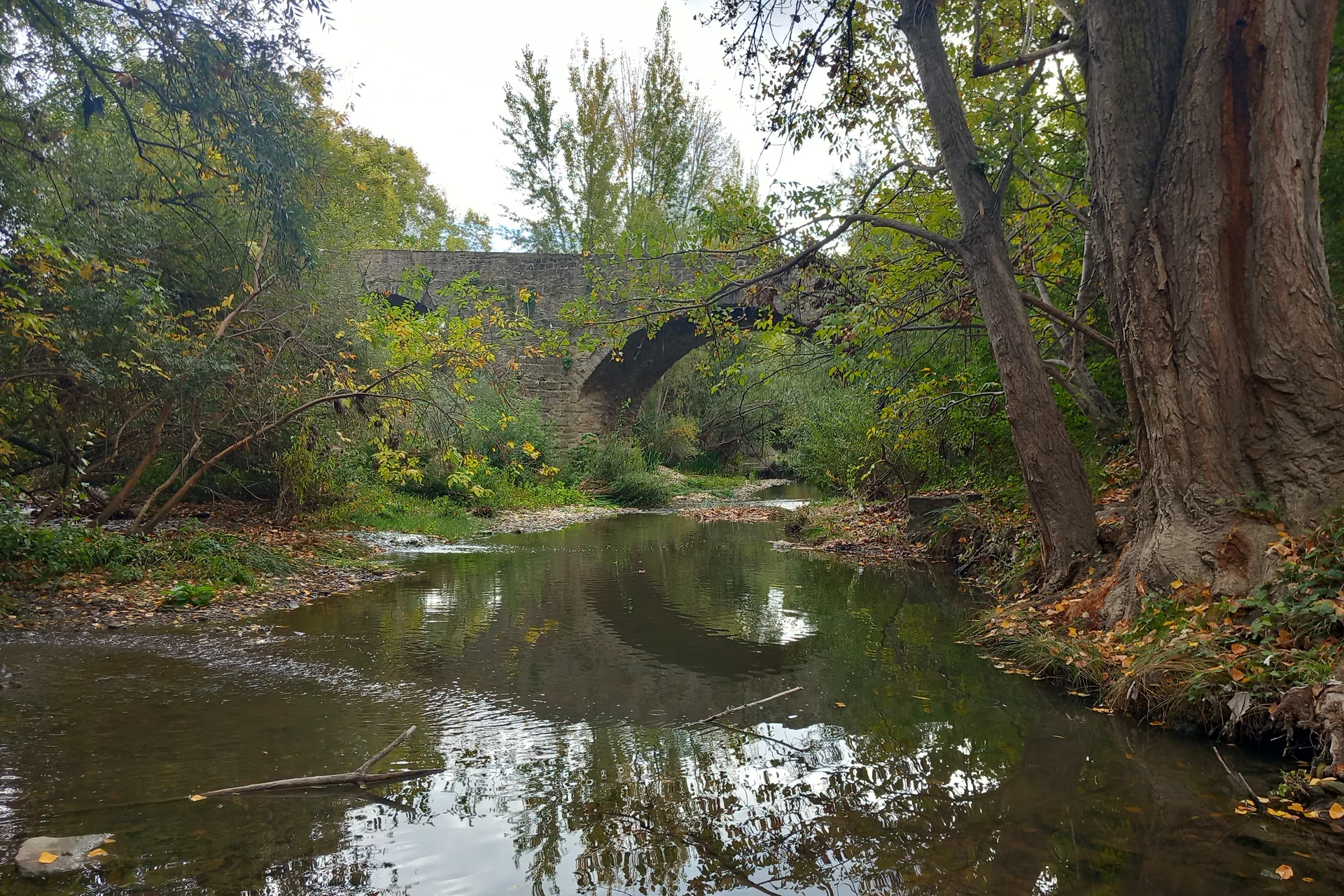
The city prioritizes green space, and its parks are seamlessly integrated into the urban layout. The jardin japonais Yamaguchi is one of the most unique. The Taconera is the most iconic, designed with a touch of Versailles-style landscaping. Between the diverse plant species, you will spot deer and peacocks roaming the grounds. While you are in the heart of Basque pelota and soccer country, if you need a breath of fresh air, les berges de l'Ara offer excellent walking paths and opportunities for water activities.
Getting there
Pamplona is easily accessible, located just 78 km from Hendaye. If you are driving from the north, the N-121-A via Irun is a direct route, and the city is well-connected by highways. The local airport, located 6 km from the center, offers several direct flights from Paris, with increased service during the summer festival season. The rail network is robust, and the most budget-friendly option is the bus, which costs about 10 EUR (around $11) from the French Basque Country.
When to go
The climate is continental, meaning winters can be quite cold and windy, though it is generally less rainy than the coast. Summers are hot, or even very hot, and sunny. The ideal season stretches from May through October. From July 6 to 14, the city undergoes a total transformation as millions of visitors arrive for the Fêtes de San Fermin. Expect brass bands, processions, and the running of the bulls. If you prefer to avoid massive crowds, you will want to skip these dates entirely.
The second week of July, during the San Fermín festival, Pamplona takes on a completely different vibe. Daily life stops to make way for the ferias. People come from all over the Basque Country and beyond to meet up for joyful celebrations, including giant parades, concerts, bull runs, races, drinks, pastries, and traditional songs. It is at once folkloric, good-natured, lively, and open to everyone.
A must-experience at least once, preferably with friends!