Visiting Logroño
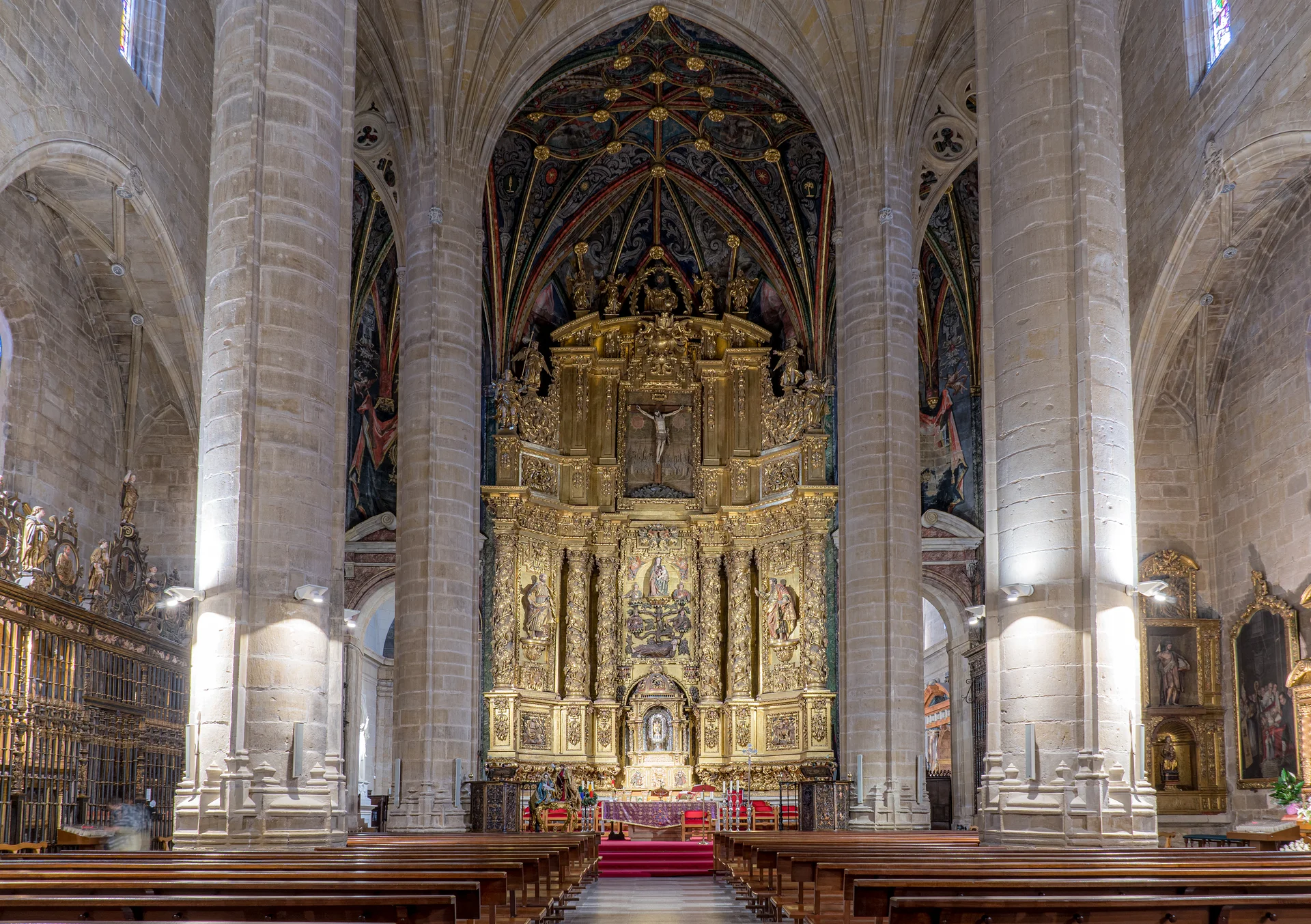
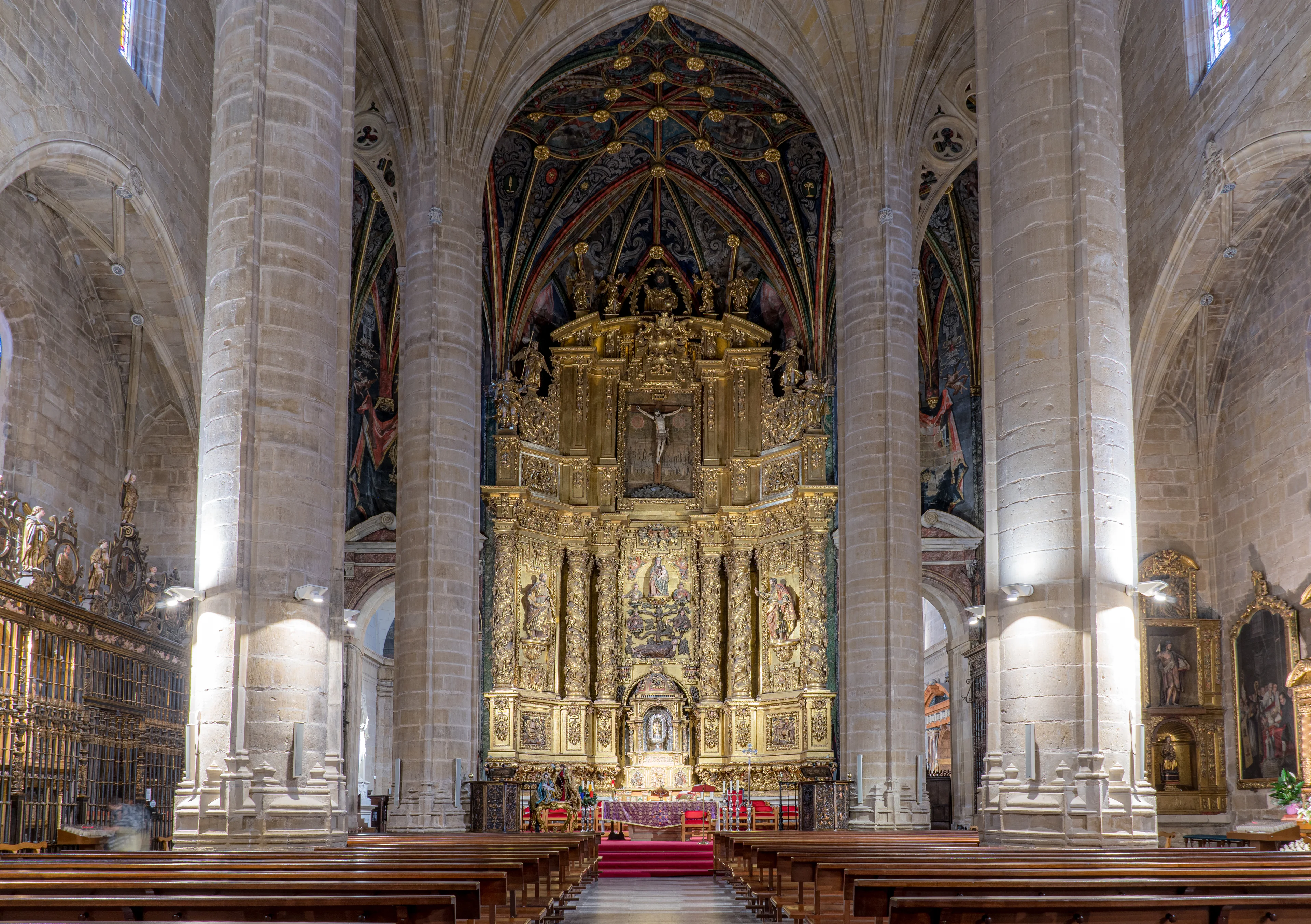
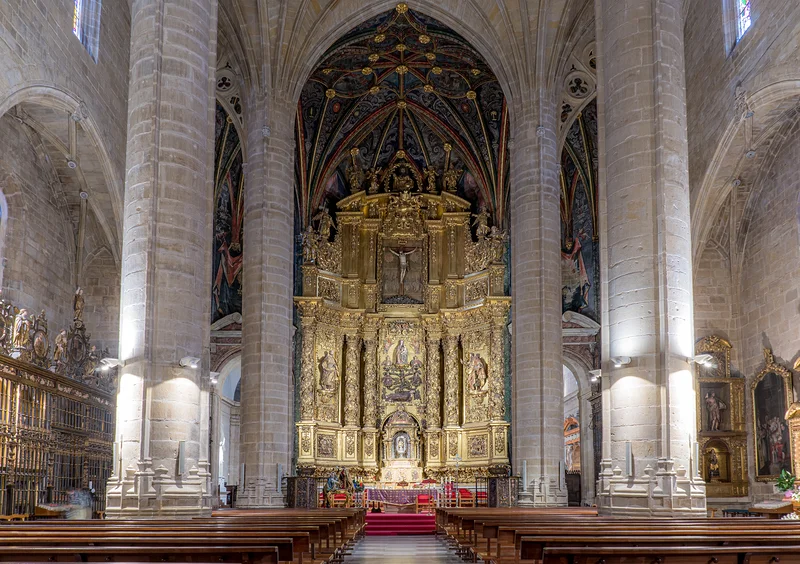
As the capital of the La Rioja region, Logroño is a cultural and culinary hub in Spain. Mentioned as early as the Roman era under the name Vareia, the city has a long, storied past. Throughout the Middle Ages, it was a frequent point of contention between the rival kingdoms of Navarre and Castile. You can still see remnants of this era in the old city walls, specifically the la tour carrée de Revellin (Revellin square tower). Logroño is home to four major churches, including the co-cathédrale baroque Santa Maria de la Rodonda. It was built atop a former round Romanesque temple, which inspired its name. Inside, you will find a painting attributed to Michelangelo depicting the Way of the Cross.
A major stop on the Camino de Santiago
Logroño grew significantly thanks to its position on the Camino de Santiago, which follows the city's oldest street, the rúa Vieja. This is where you will find the auberge des Pèlerins (Pilgrims' Hostel), an essential stop for travelers. Historically, the pilgrimage route crossed the Puente de Piedra, an 11th-century stone bridge. While that structure was destroyed, it was replaced by the Pont en Fer (Iron Bridge). Erected in the 19th century, it is still used by pilgrims crossing the Ebre (Ebro) River to enter the city.
Centered around the local church, the plaza Santiago is another gathering spot along the route. It features the fontaine des Pèlerins (Pilgrims' Fountain) and a life-sized "Game of the Goose" board tiled into the pavement, decorated with motifs related to the pilgrimage.
Discovering La Rioja
Logroño serves as an ideal base for exploring La Rioja, a region famous for its bodegas, where you can sample wines with a global reputation. The local food scene is equally robust, as the plains of La Rioja produce a wide array of vegetables, including asparagus, beans, peppers, and artichokes.
To dig deeper into the region's history, head to the musée de La Rioja, housed in the palais de Espartero, a grand 18th-century mansion. The collection covers everything from prehistoric artifacts to modern local art.
Just a 20-minute drive from Logroño, you will find one of the most unusual landscapes in the valley: the Peña Bajenza. It is a set of sheer, jagged peaks carved by erosion, where you can often spot vultures circling overhead.
When to go
La Rioja is best visited between May and September. Around September 21, Logroño comes alive with parades and events for the Fête des Vendanges, also known as the Fiestas San Mateo. It is a highlight of the local calendar if you happen to be in the region.
How to get there
Some flights offer direct service from Madrid to the aérodrome de Logroño-Agoncillo. If you are driving, the city is well-connected by the A-68, N-120, and N-232 highways. If you prefer the train, there are direct routes connecting Logroño to Madrid, Bilbao, and Saragosse (Zaragoza).