
Visiting Zagreb, the secret pearl of the Balkans
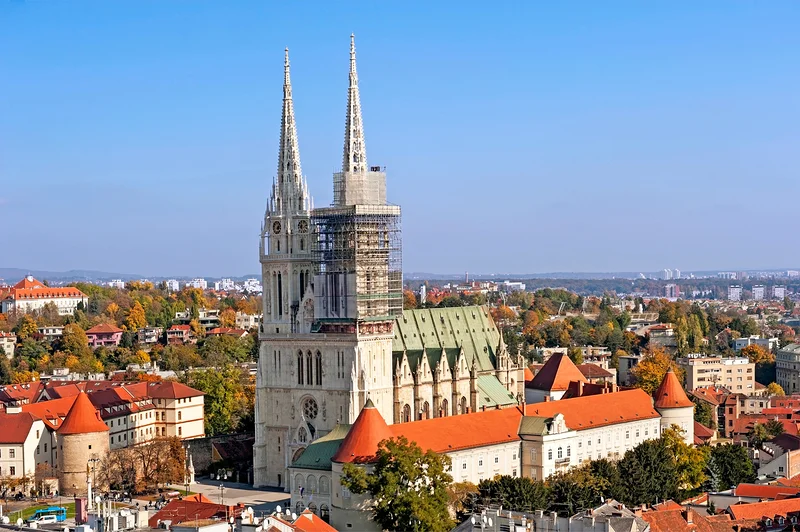
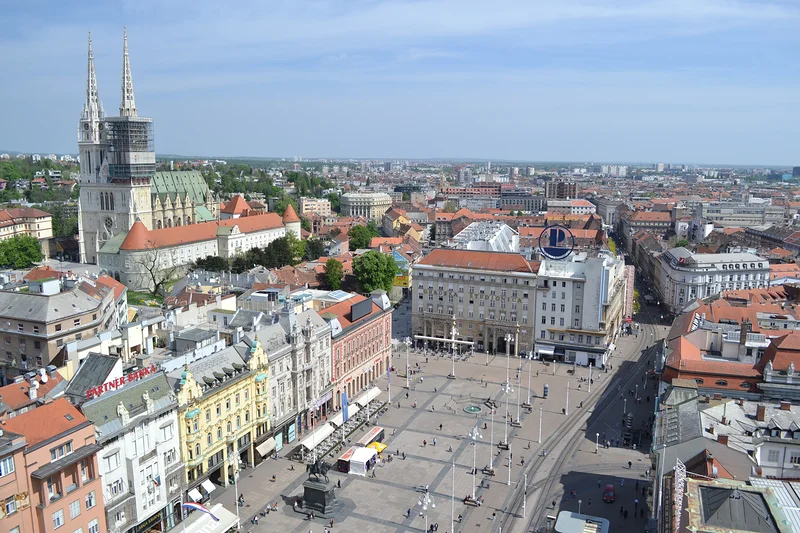
You hear plenty about Split and Dubrovnik, those Croatian jewels that pull in the summer crowds. But what about Zagreb? This capital of 700,000 residents has long played second fiddle. Yet, this is arguably where the authentic heart of Croatia beats, far from the coastal tourist crush. Picture a city where Art Nouveau facades compete in elegance with Gothic churches, where you sit on a patio for a coffee that lasts two hours, and where every street corner tells a century of Central European history.
A destination for those who value culture and a slower pace
Zagreb is ideal for anyone looking for an urban European experience on a human scale, packed with unusual museums and lively terraces. Couples looking for a romantic vibe will appreciate the cobblestone alleys of the Upper Town, while families will find plenty to like in the numerous parks and the colorful Dolac market. If you prefer avoiding crowds and value authenticity over tourist traps, this city is for you.
On the flip side, Zagreb might disappoint those specifically hunting for the sea and beaches, as the Adriatic coast is several hours away. To fully enjoy the city, it helps to enjoy walking. Most attractions are best seen on foot, which is part of the charm.
A very reasonable budget for Central Europe
Zagreb is significantly more affordable than neighbors like Prague or Vienna. Expect to spend between 50 and 70 euros ($55 to $75) per day for a comfortable trip, including decent lodging, meals at local restaurants, and public transit. Nightly rates range from 40 to 100 euros ($45 to $110) depending on the level of comfort, and a good meal at a traditional restaurant costs around 15 to 20 euros ($16 to $22) per person.
The Upper Town: A journey into medieval time
Perched on the Gradec hill, the Upper Town is the historical core of Zagreb. Its cobblestone lanes wind between pastel-colored Baroque facades. Do not miss Saint Mark's Church with its tiled roof depicting the coats of arms of the city and Croatia. Take the time to get lost in this medieval maze. Every corner holds a surprise, whether it is a hidden courtyard or an unexpected view over the lower city.
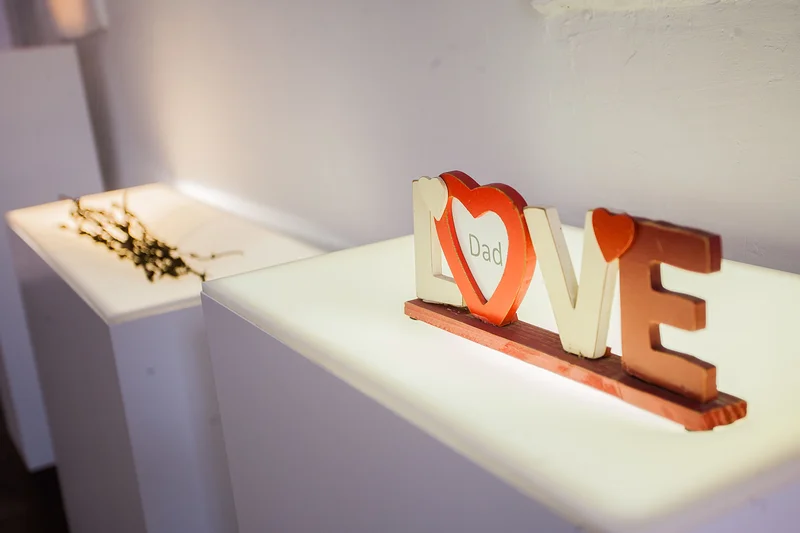
The Museum of Broken Relationships is worth the detour. This quirky institution displays objects donated by people from all over the world following a breakup. It is strange, touching, and universal all at once. Just nearby, the Lotrščak Tower fires a cannon every day at noon, a tradition kept since 1877 that makes tourists jump but delights the locals.
Pro tip: Take the funicular to get up to the Upper Town. This little gem from 1890 is only 66 meters long but remains the most charming way to reach the heights. The ride costs less than one euro ($1.10) and saves you a steep climb.
The Lower Town: Between green parks and imperial architecture
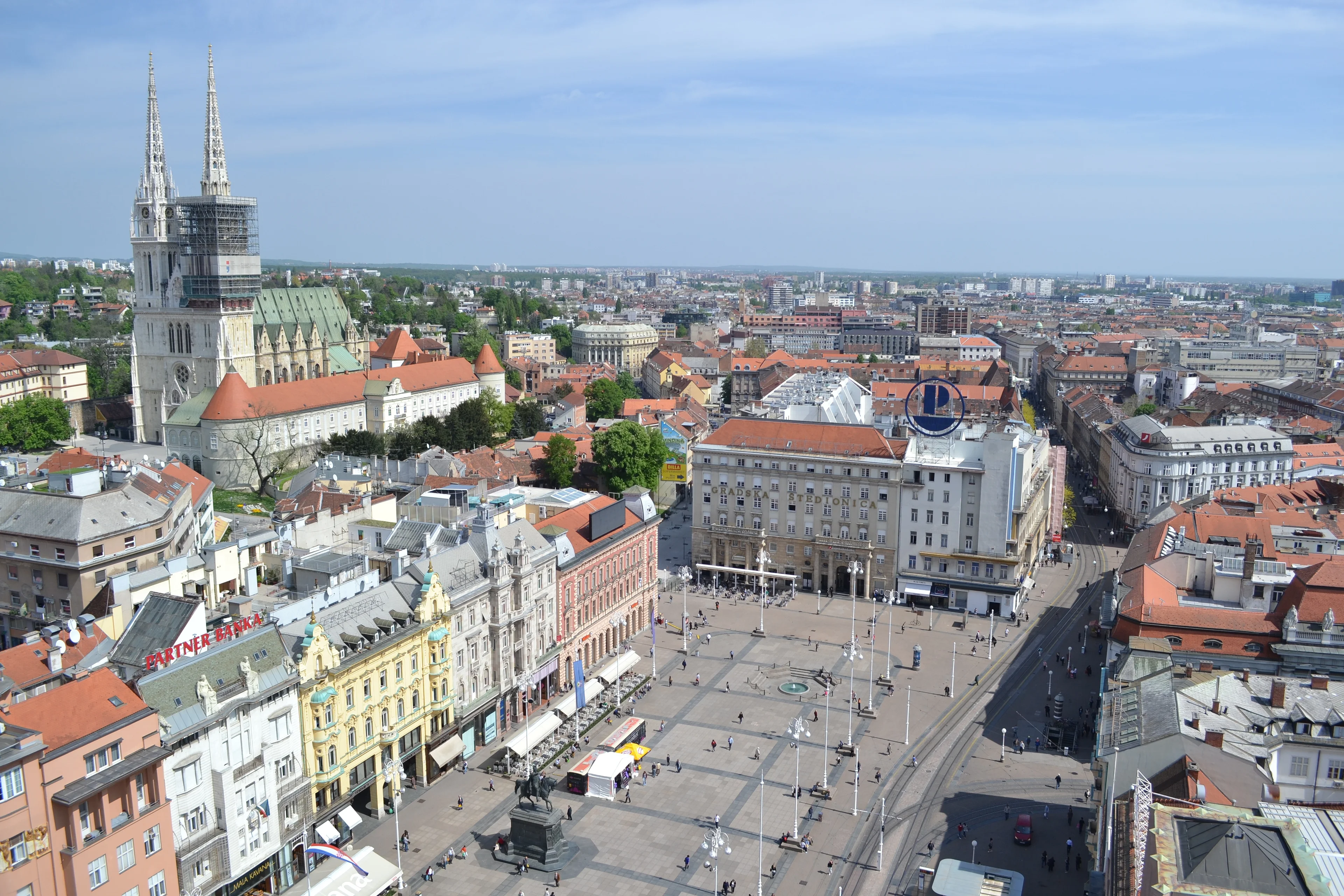
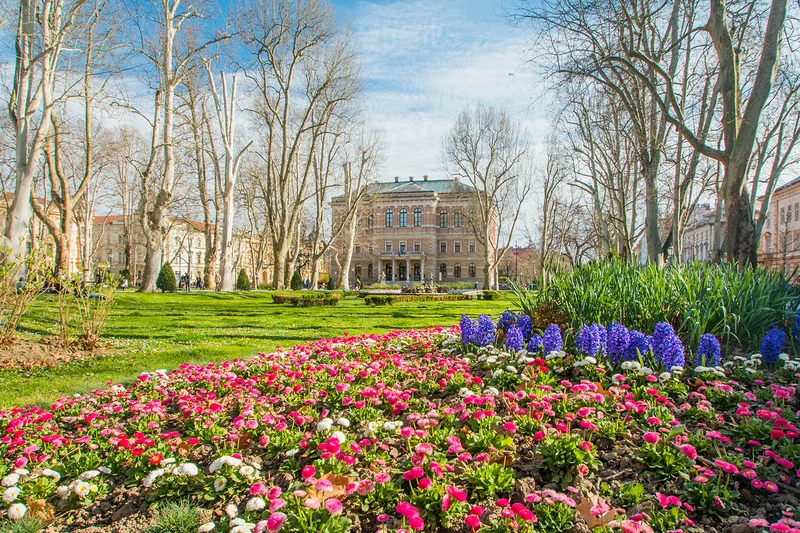
Head down to Donji Grad, the Lower Town, for a complete change of atmosphere. Here, wide avenues lined with Austro-Hungarian buildings form what is called the Green Horseshoe, a series of parks and elegant squares. Ban Jelačić Square is the meeting point for all Zagrebers. It is where you will see the city pulse.
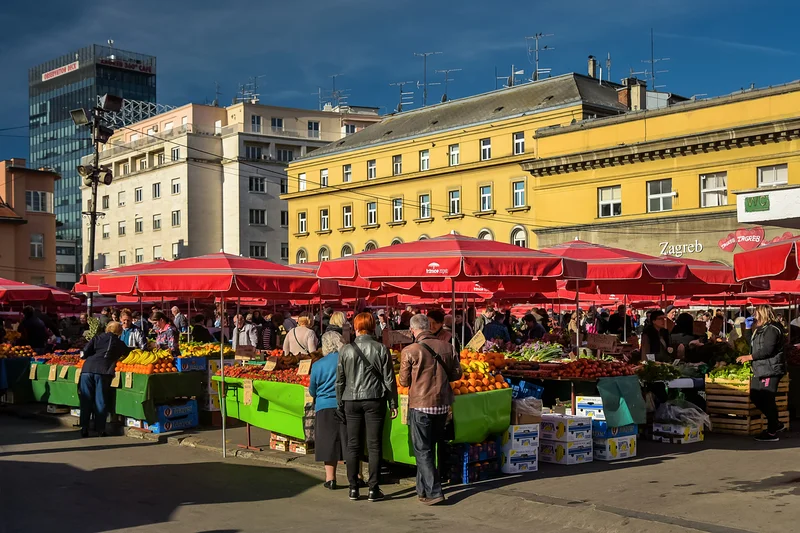
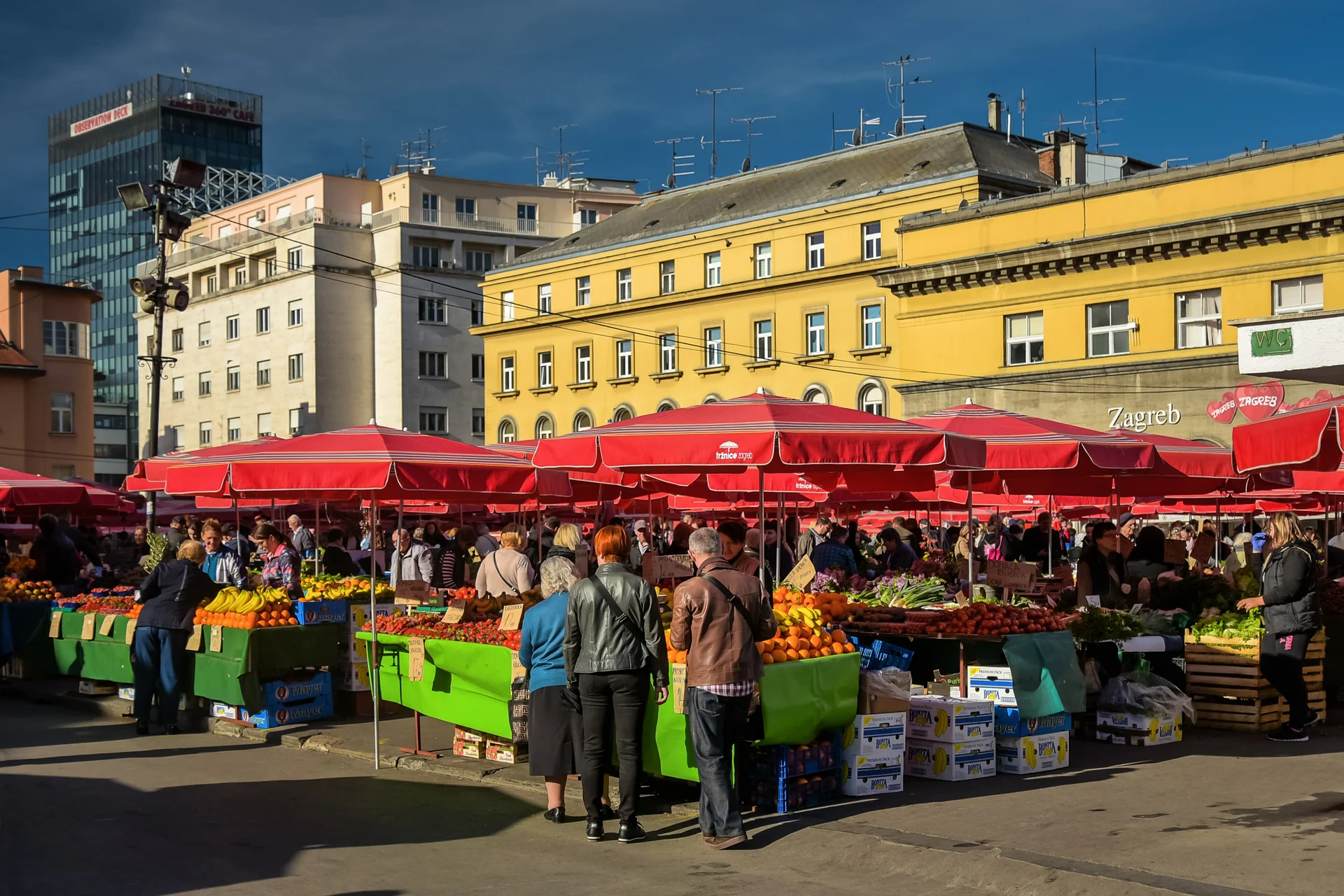
Walk up Tkalčićeva Street, a former river turned pedestrian artery lined with cafes and terraces. It is the perfect spot to watch local life over a drink, especially in the late afternoon when the area is buzzing. The Dolac market, just behind the main square, is open every morning except Sunday. Under its bright red umbrellas, farmers sell fresh goods like cottage cheese, artisanal charcuterie, and seasonal fruit.
Pro tip: Arrive at the Dolac market before noon, as the best products go fast. This is also when the atmosphere is most authentic, as locals do their shopping while chatting with the producers.
Unusual museums: Zagreb cultivates originality
Beyond the classic archaeological and ethnographic museums, Zagreb hides surprising gems. The Museum of Illusions will entertain both children and adults with its perception games. Further out, the Mirogoj Cemetery surprises visitors with its architectural beauty. Its Neo-Renaissance arcades and monumental chapels make it almost an open-air museum.
For contemporary art lovers, the museum of the same name is located in the Novi Zagreb district, south of the city. Its modern building contrasts with the historical center but houses a remarkable collection of Croatian and international works.
Getaways nearby: Nature and castles
A few kilometers from Zagreb, Medvednica Mountain offers a breath of fresh air. A modern cable car whisks you to the summit in minutes, where you will find hiking trails and, in winter, a few modest ski slopes. The medieval fortress of Medvedgrad has dominated the landscape since the 13th century.
The Plitvice Lakes, a UNESCO World Heritage site, are a two-hour drive away. This day trip remains one of the most popular from Zagreb, and for good reason. The turquoise waterfalls and wooden walkways winding between the lakes offer a striking natural spectacle.
Pro tip: Book your tickets for the Plitvice Lakes several days in advance, especially in high season. The number of visitors is limited to preserve the site, and the time slots sell out very quickly.
Where to eat and drink in Zagreb?
Zagreb cuisine blends Austro-Hungarian influences with Balkan flavors. The signature dish? Štrukli, a type of cottage cheese pastry that comes in savory or sweet versions. La Štruk, a restaurant specializing in this unique dish, serves the best in the city in a charming interior courtyard downtown.
For a more traditional experience, Stari Fijaker offers classics like pašticada (Dalmatian beef stew) or sarma (stuffed cabbage leaves). The old-school vibe and generous portions appeal to locals and visitors alike. At the Dolac market, try sir i vrhnje, a mix of cottage cheese and sour cream served with crusty bread.
As for drinks, locals love their endless cafe terrace sessions. Also try Croatian wine. The whites from Slavonia and the reds from Istria are worth the detour. For an aperitif, taste rakija, a local brandy that warms the heart and loosens the tongue.
Where to sleep in Zagreb and the surrounding area?
To fully enjoy the city, prioritize accommodation in the center, between the Upper Town and the Lower Town. The neighborhood around Ban Jelačić Square offers the best compromise. Everything is within walking distance, and the area is constantly lively without being overwhelming. Hotels here are certainly pricier (80 to 150 euros, or $85 to $165 per night), but the convenience and atmosphere are worth the extra cost.
Backpackers and budget travelers will find their niche in the youth hostels around the bus station, where dorm beds start at 20 euros ($22). Airbnb apartments are an interesting alternative for families or stays of several days, with rates around 50 to 70 euros ($55 to $75) per night for a full unit.
If you rent a car to explore the region, surrounding villages like Samobor offer family guesthouses at lower prices, just 25 minutes from Zagreb.
How to get to and around Zagreb?
Franjo Tuđman Airport is 15 kilometers from the center. A direct shuttle connects the terminal to the central bus station every 30 minutes for about 6 euros ($6.50). The trip takes 35 to 40 minutes depending on traffic. The most economical option remains public bus 290 (less than one euro, or $1.10), but it makes many stops. Taxis charge between 20 and 30 euros ($22 to $33) for the same distance.
Once in the city, forget the car. Zagreb is best seen on foot. The historic center is compact, and walking between the Upper Town and the Lower Town is part of the fun. For longer distances, the tram network works admirably well. A single ticket costs about 0.80 euro ($0.90) and can be bought at newsstands. Some tram lines even run at night.
When to go?
The ideal period spans from April to September, when temperatures hover between 18 and 28 degrees Celsius (64 to 82 degrees Fahrenheit). May and June combine pleasant weather with moderate crowds, before the July-August tourist peak. In autumn, September still offers beautiful sunny days with fewer people.
Winter can be harsh (temperatures near freezing) and foggy, but it is the magical season of Advent, the Zagreb Christmas market. Voted best Christmas market in Europe several times, it transforms the city into a fairy tale from November 29 to January 7, with an ice rink, daily concerts, and mulled wine on every corner. Avoid January and February if you really dislike the cold, as these months can be particularly gray and icy.
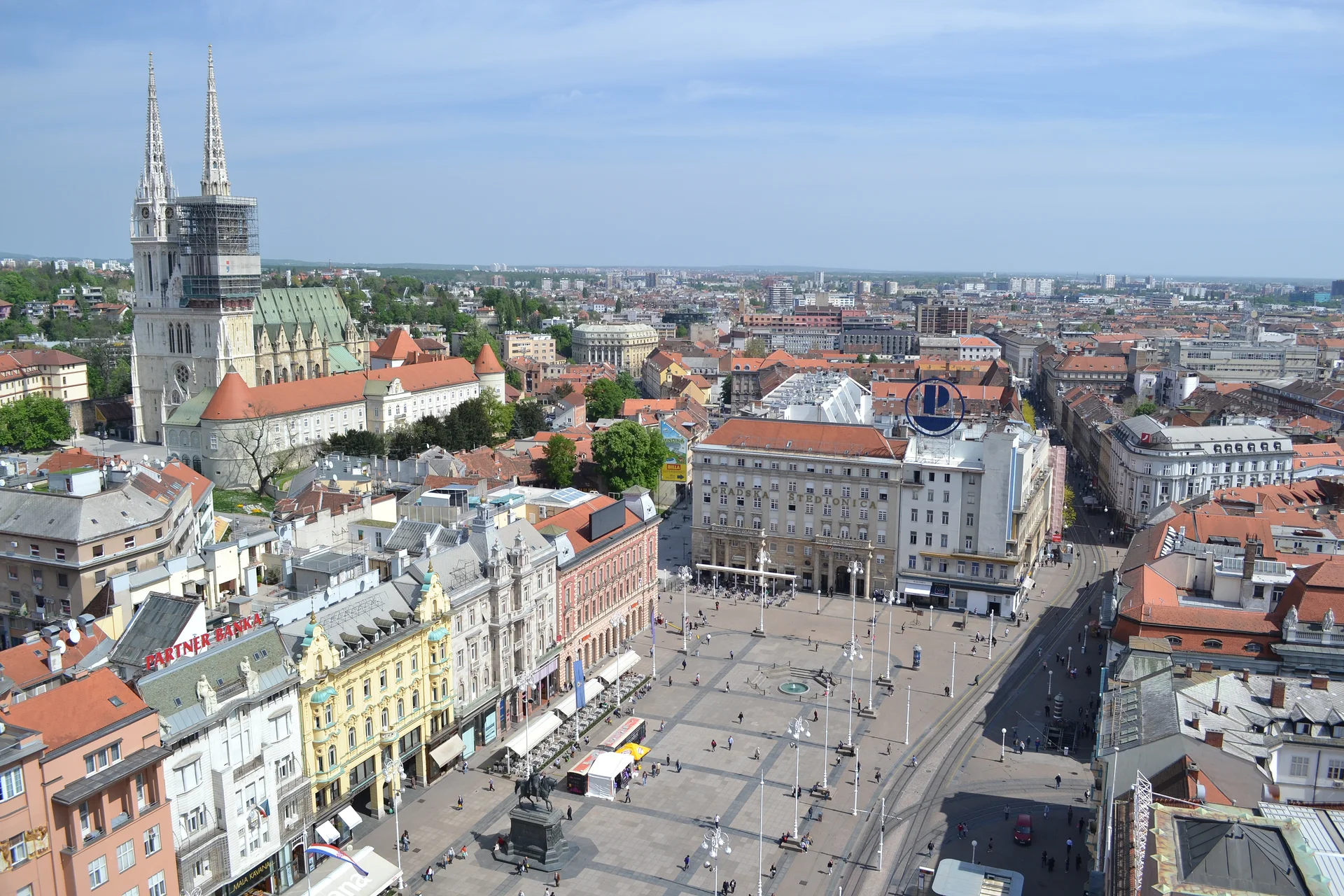
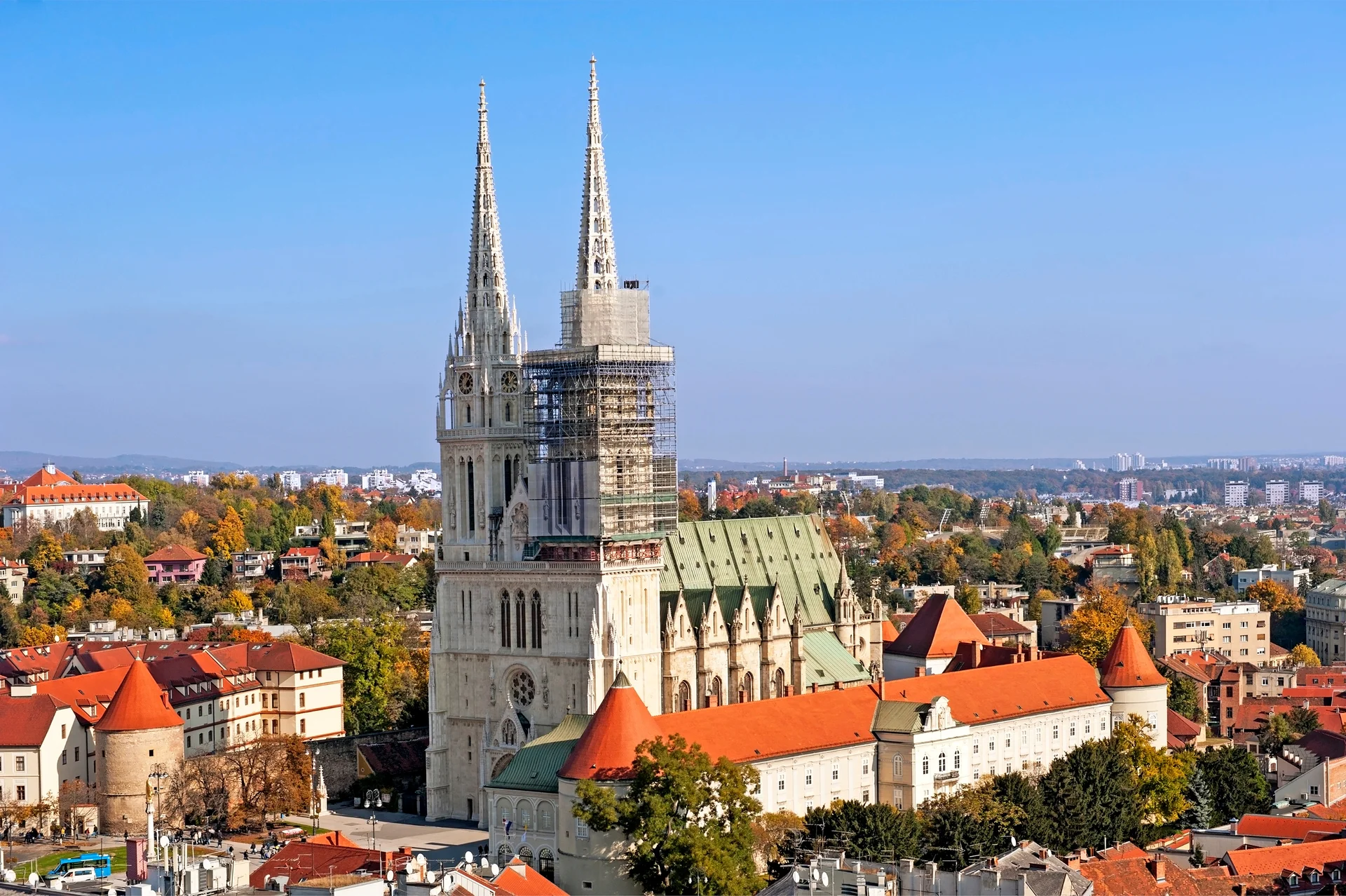
The capital of Croatia is a very lively and vibrant city that attracts a lot of people. I found the city pretty nice even if it wasn't my favorite one during my trip to Croatia. Like all capitals, it lacks a little bit of authenticity. The Upper Town is still worth seeing, though.