Visiting Dortmund, a city of industry, soccer, and culture
Located in North Rhine-Westphalia, Dortmund has successfully reinvented itself after moving past its industrial roots. Once dominated by coal mines and steel mills, it is now a hub that blends sports, green spaces, and contemporary culture. Known for its soccer club and welcoming atmosphere, Dortmund appeals to sports fans and those looking for an authentic urban experience.
Industrial past and transformation
Dortmund bears the marks of its industrial history, and many sites still serve as reminders of that era. The Dortmunder U, a former brewery converted into a center for arts and culture, now stands as a symbol of this urban transformation.
The Deutsches Bergbau-Museum, located a few miles away in Bochum, offers a deep dive into the region's mining history. The Zeche Zollern, a former coal mine turned historic landmark, is worth a visit for its striking Jugendstil architecture.
Signal Iduna Park and soccer fever
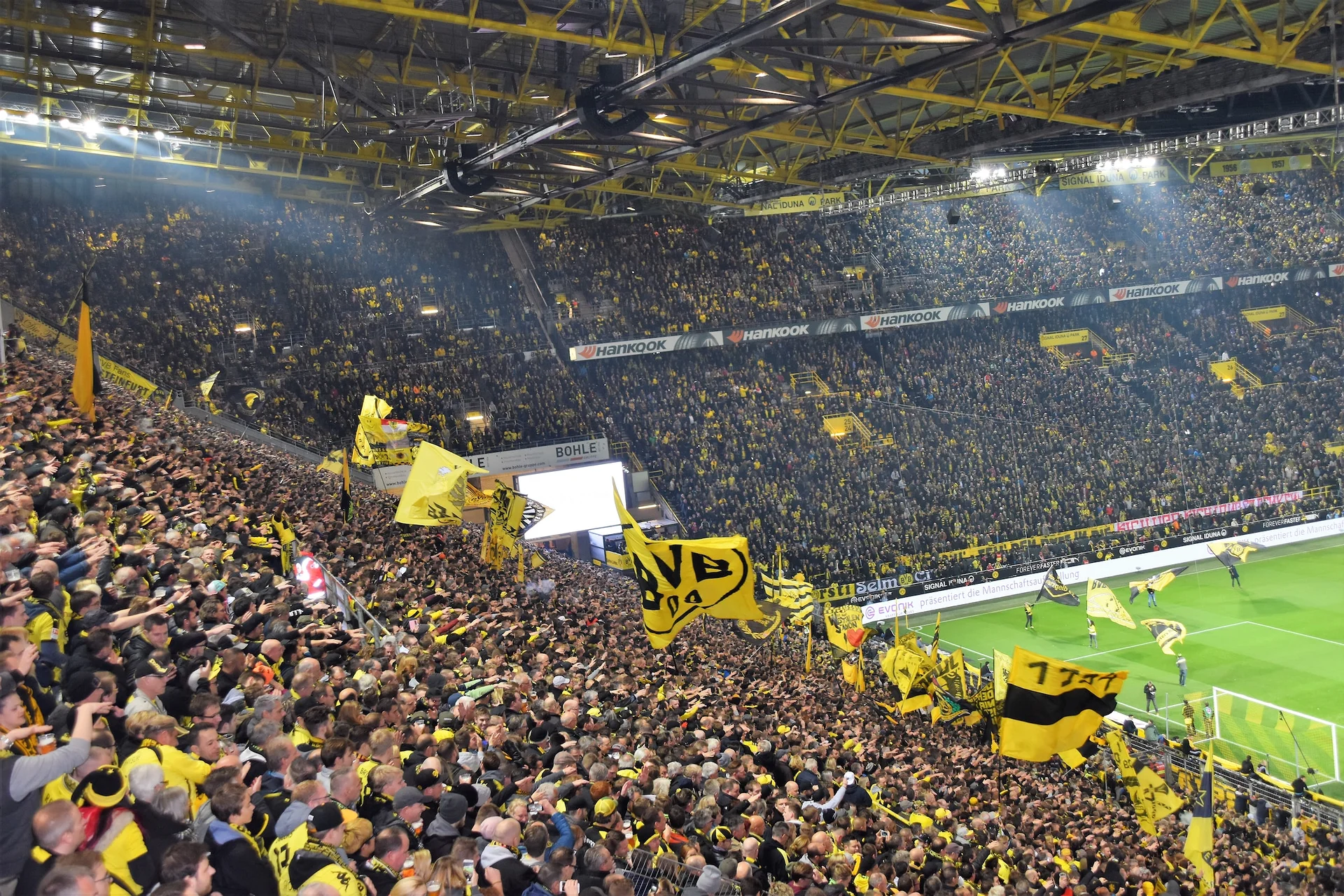
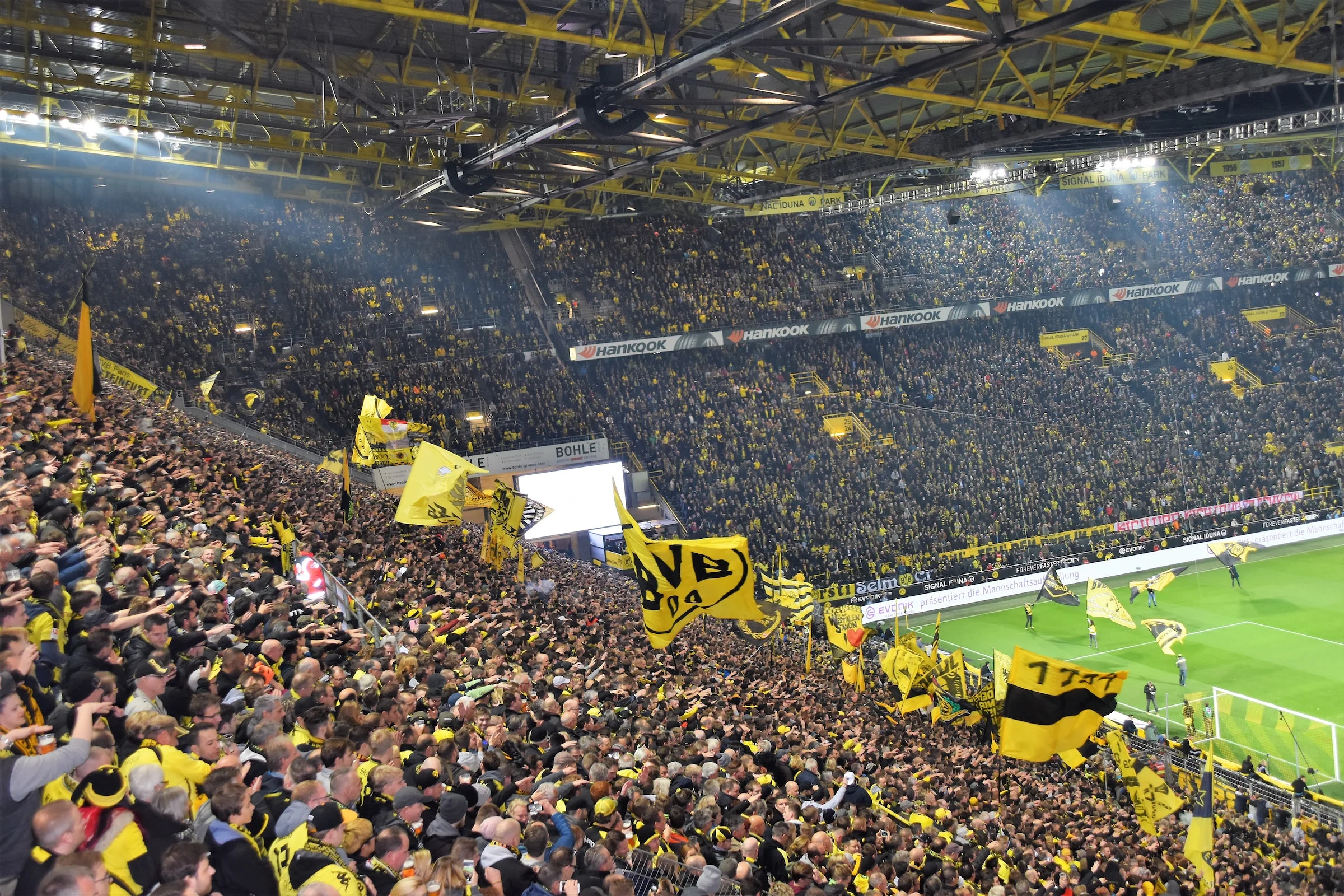
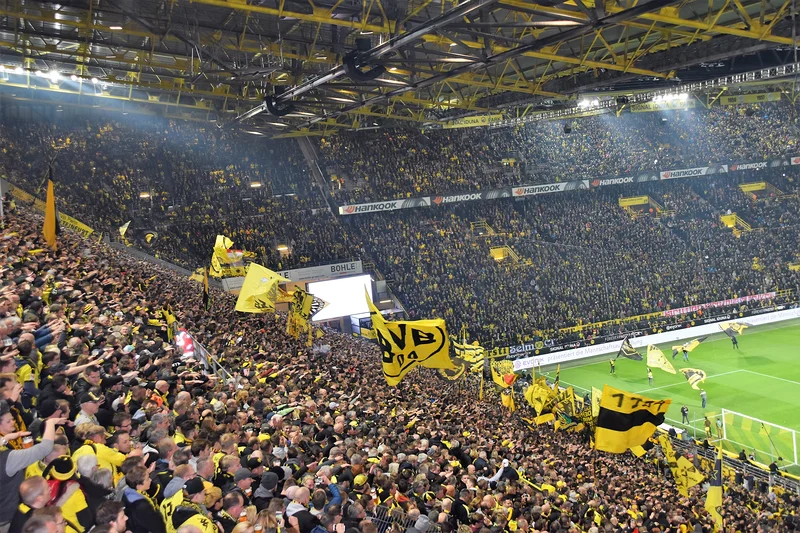
You cannot talk about Dortmund without mentioning Borussia Dortmund. Their home ground, Signal Iduna Park, is one of the most impressive stadiums in Europe, holding over 81,000 spectators. The atmosphere is intense, particularly in the Gelbe Wand (Yellow Wall), the iconic supporter section. Even on non-match days, you can tour the stadium and the club museum.
Green spaces and relaxation
Despite its industrial history, Dortmund is one of the greenest cities in Germany. The Westfalenpark is a massive park featuring flower gardens, picnic areas, and the Florian Tower, a panoramic observation deck with views of the city. Nearby, Phoenix-See, an artificial lake built on a former steelworks site, has become a popular spot for walking and relaxing.
Culture and museums
Dortmund hosts several notable museums. The Museum of Industry traces the economic history of the area. For art lovers, the Museum Ostwall, located inside the Dortmunder U, features a collection of modern and contemporary art. Finally, the German Football Museum, which opened in 2015, is essential for any sports fan.
Robust cuisine and brewing traditions
Dortmund's food scene reflects its working-class roots with simple, hearty dishes. pfefferpotthast, a spicy beef stew, is a regional staple. currywurst, a sausage topped with spicy tomato sauce and served with fries, is a classic of German street food.
As for drinks, the city is famous for its beer, specifically Dortmunder Export, a pale lager with a slight bitterness.
Where to eat?
- Zum Alten Markt (City Center), A traditional brasserie serving local specialties and regional beers.
- Hövels Hausbrauerei (City Center), A brewery-restaurant where you can enjoy beer brewed on-site alongside hearty local dishes.
- Emil (Phoenix-See), A modern restaurant offering elevated local cuisine in a pleasant setting by the lake.
- Der Schneider (Kreuzviertel), A gastronomic spot focusing on refined cuisine inspired by regional ingredients.
Where to stay?
- Hotel Esplanade (City Center), A comfortable hotel with a modern feel and a prime location for exploring the city.
- Radisson Blu Hotel (Phoenix-See), An upscale establishment with lake views and a full spa.
- B&B Hotel Dortmund-City (City Center), A budget-friendly option that delivers solid value.
- L'Arrivée Hotel & Spa (Outskirts), A wellness-focused hotel for a quiet stay away from the city center.
When to go?
The best time to visit Dortmund is during the spring and summer, when the parks are in bloom and the weather is temperate. Autumn is also a great time for soccer fans as the German league season is in full swing. In winter, the city hosts a well-known Christmas market, centered on Hansaplatz, which features one of the tallest Christmas trees in Europe.
How to get there?
Dortmund is well-connected by rail, with high-speed links to major German cities like Berlin or Frankfurt. The local airport offers direct flights from several European cities. From Paris, a flight takes 1h30 and a round-trip ticket usually costs between 80 and 200 € (about $85 to $215). Taking the train via Cologne is also a comfortable alternative.
How to get around?
The public transit network is extensive, with trams, buses, and the U-Bahn (light rail) making it easy to navigate. Exploring the city center on foot is a great way to see the sights, and bike rentals are increasingly common.