Vietnam: Mountains, Coast, and Everything Between
Vietnam runs roughly 1,000 miles from top to bottom, and that shape defines everything about it. The Mekong River cuts through the south, the South China Sea lines the entire eastern edge, and the country packs in rice terraces, limestone karst formations, imperial citadels, war history, and some of the best street food on the planet. No two regions feel alike.
Hanoi and the North: Old Quarter, Temples, and Highland Treks
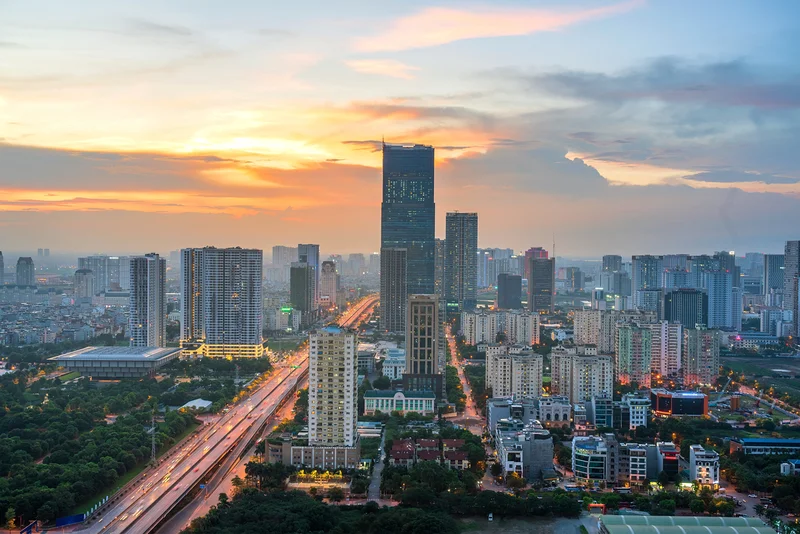
Hanoi, the capital, is where French colonial architecture meets ancient Vietnamese temple culture. Walk around Hoan Kiem Lake, duck into the maze of streets in the Old Quarter, and you'll see both sides of that history on the same block. Street markets here are less touristy than in the south and worth the early wake-up.
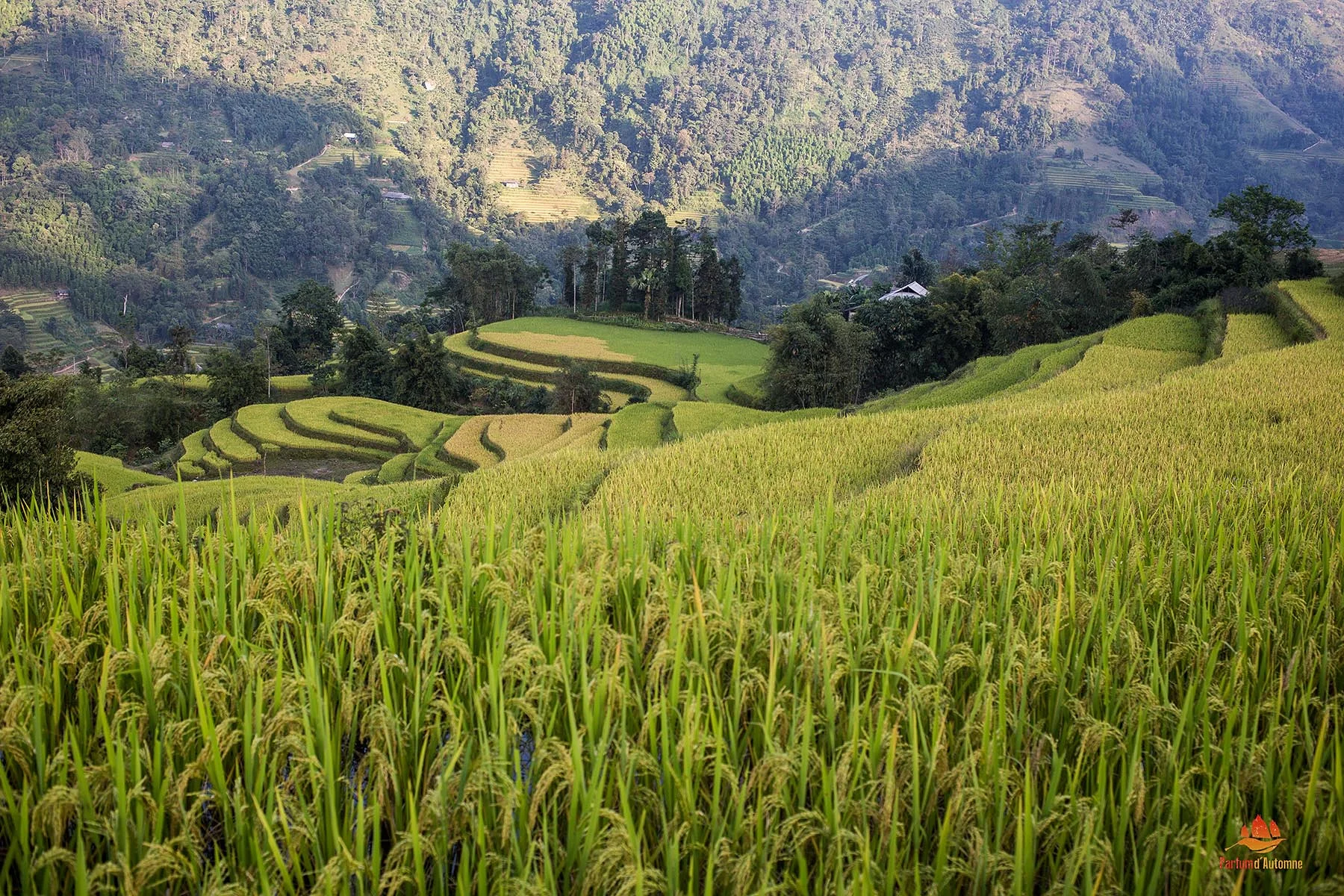
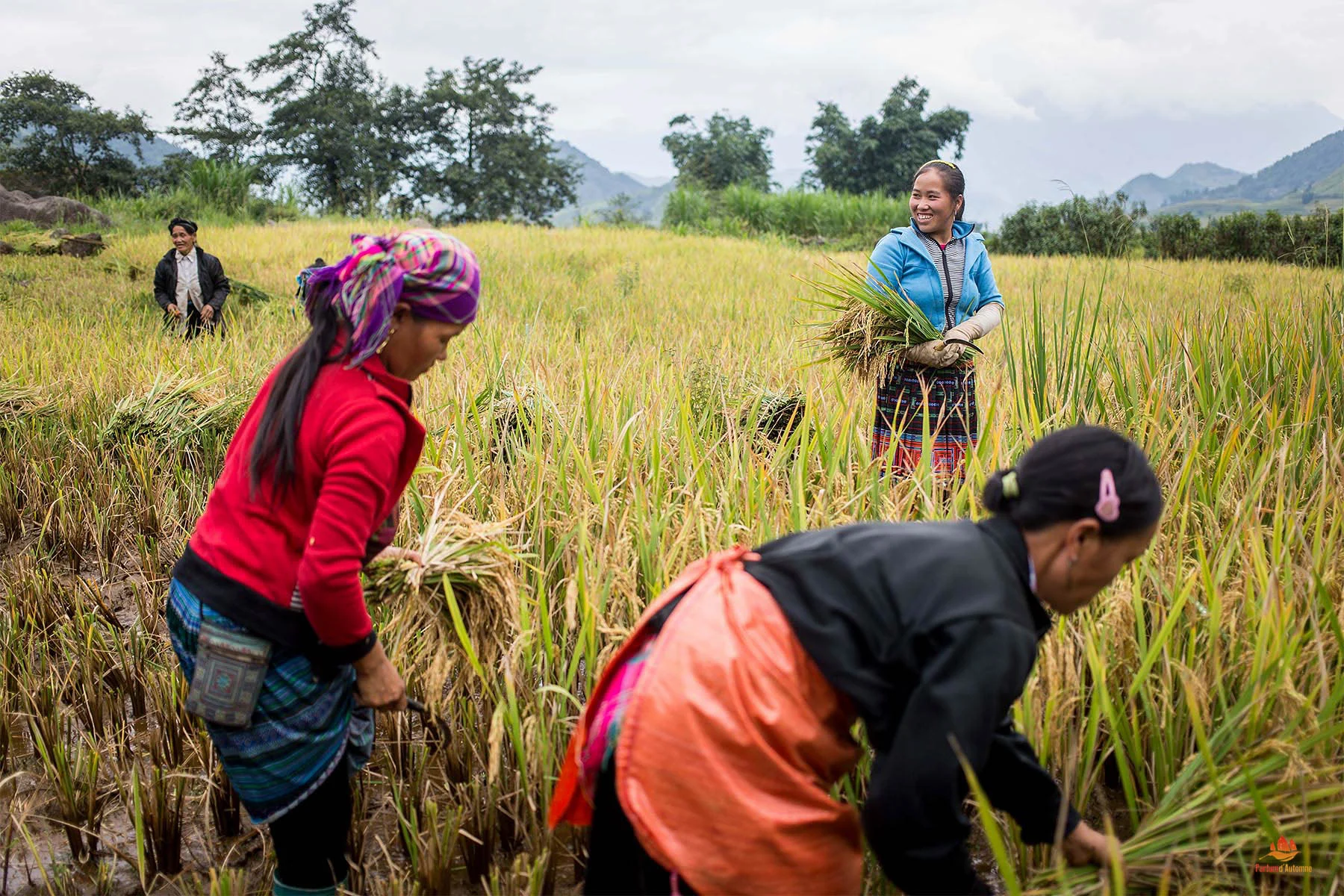
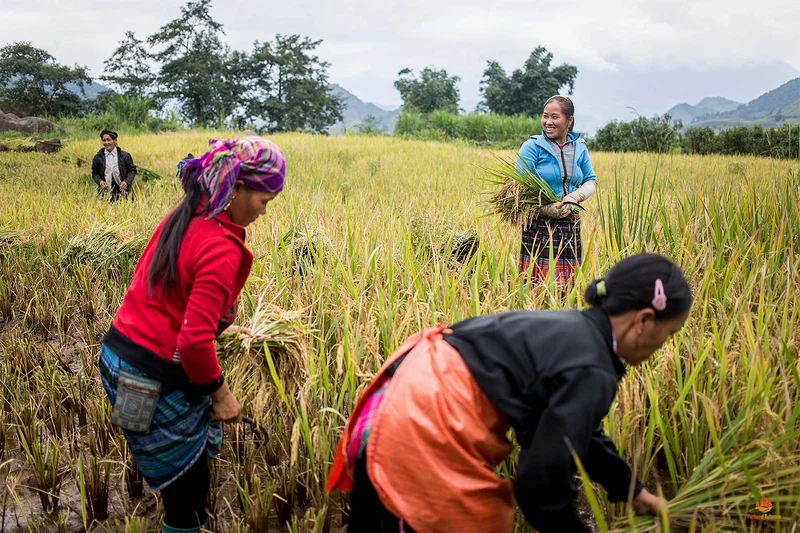
Further north, the mountains around Sapa and Ha Giang are where Vietnam gets genuinely remote. Ethnic minority communities, many in traditional dress, live and farm here. The terraced rice fields are at their most photogenic in late summer, when the paddies turn gold before harvest. Both areas are solid trekking destinations, with trails ranging from day hikes to multi-day routes through highland villages.
Ha Long Bay and the Karst Landscapes
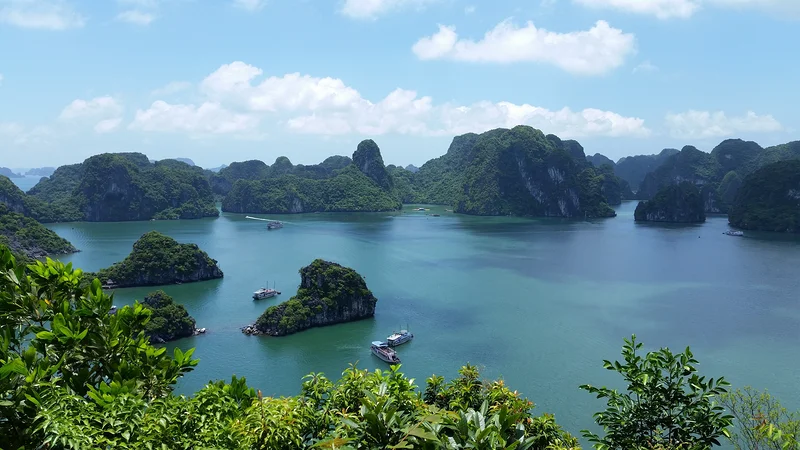
Ha Long Bay, a UNESCO World Heritage Site, is the image most Americans have seen in travel magazines: thousands of limestone peaks rising straight out of calm green water. The standard way to see it is on an overnight or two-night cruise, which gets you out past the day-tripper crowds. If you want something quieter, Bai Tu Long Bay and Lan Ha Bay offer the same scenery with fewer boats.
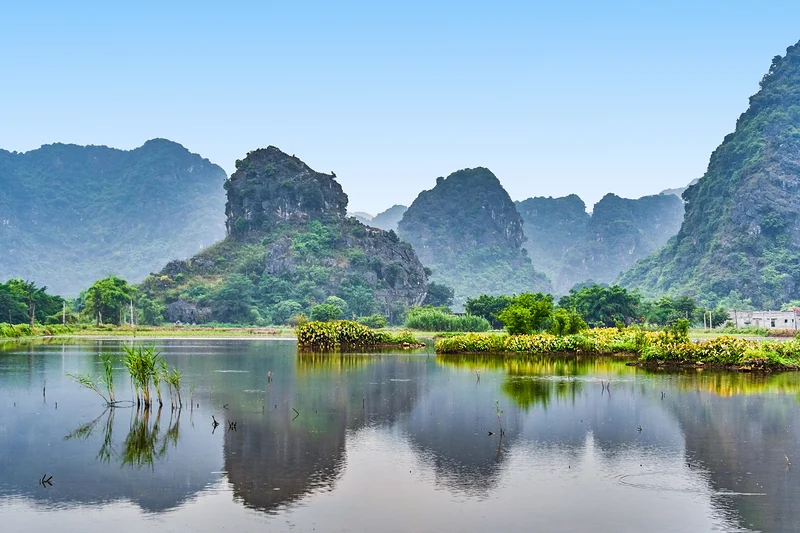
Inland, Ninh Binh has similar karst formations but set among rivers and Buddhist pagodas instead of open water. It's often called "Ha Long Bay on land," and it's significantly less crowded.
Hue, Hoi An, and the Imperial Middle
Central Vietnam is where the country's imperial past is most visible. Hue served as the imperial capital for the Nguyen dynasty, and the partially restored citadel, royal tombs, and walled gardens are still standing. It's a slower, quieter city than Hanoi or Ho Chi Minh City, and the food here is some of the spiciest in the country.
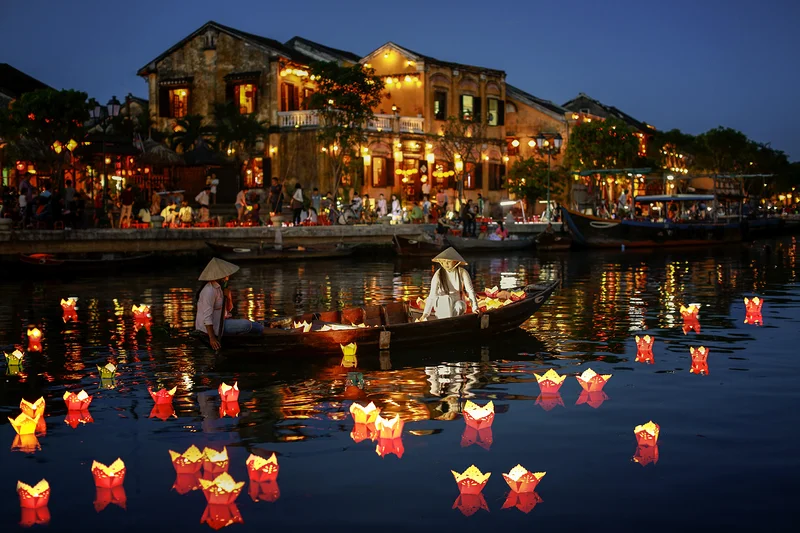
About an hour south, Hoi An is a UNESCO-listed ancient trading port that has kept its historic center remarkably intact. The old town is compact and walkable, with Chinese temples, merchant houses, and the famous lantern-lit Thu Bon River. It's also a good base for the nearby beaches and for day trips to My Son, a cluster of ancient Cham kingdom ruins dating back over a thousand years.
The South: Ho Chi Minh City and the Mekong Delta
Ho Chi Minh City, still called Saigon by most locals, moves at a completely different pace from Hanoi. Motorbikes outnumber cars, glass towers rise next to French-era buildings, and the street food scene runs around the clock. For Americans, the War Remnants Museum and the Cu Chi Tunnels (the underground network used by Viet Cong fighters during the Vietnam War) are among the most affecting historical sites in the country. Go in prepared.
A few hours south, the Mekong Delta is a completely different world: floating markets, fruit orchards, stilted villages, and a tangle of waterways that are best explored by boat or bicycle. The pace is slow, the scenery is flat and green, and it gives you a side of Vietnam that the big cities don't show.
The Food: Regional and Worth Planning Around
Vietnamese food in the US is mostly a northern and southern greatest-hits mix. In Vietnam, it's far more regional. In the north, phở (rice noodle soup with beef or chicken broth) is the default breakfast and the standard by which all others are judged. In the south, dishes skew sweeter. In the center, around Hue, expect more heat and complexity. Bánh mì, the crusty baguette sandwich filled with meat, pickled vegetables, and herbs, is everywhere and runs about 20,000 to 40,000 VND (roughly $1 to $2). Gỏi cuốn, fresh spring rolls with shrimp and herbs, are a light and reliable option at any meal. Vietnamese iced coffee with sweetened condensed milk is essentially the national drink and is served at every café and street corner.
When to Go
Vietnam's climate doesn't follow a single pattern because the country is so long. As a general rule, March through April and October through November hit the sweet spot for traveling the full length of the country, with manageable temperatures and lower rainfall across most regions. If you're going during Tet (Lunar New Year, usually in late January or February), know that it's culturally significant and worth witnessing, but some shops, restaurants, and services will be closed for several days around the holiday.
Getting There from the US
There are no nonstop flights from the US to Vietnam yet. Most routes connect through hubs in Tokyo, Seoul, Taipei, Hong Kong, or Singapore. Total travel time from the West Coast typically runs 16 to 20 hours depending on the layover. From the East Coast, add a few more hours. Round-trip fares from major US cities generally range from around $700 to $1,400 depending on the season and how far out you book. Both Hanoi (Noi Bai International) and Ho Chi Minh City (Tan Son Nhat International) are well-served international entry points. US citizens need a valid passport and a visa or e-visa to enter Vietnam. The e-visa is the easiest route and can be obtained online before departure.
Getting Around
The train line running from Hanoi to Ho Chi Minh City covers the full length of the country and is a legitimate way to see it, though the full journey takes around 30 to 35 hours. Overnight trains with sleeper berths are comfortable enough and cost a fraction of a flight. Budget domestic airlines like VietJet and Bamboo Airways connect major cities for as little as 300,000 to 800,000 VND ($12 to $32) if you book ahead. Long-distance buses are cheap and frequent but can be a grind on longer routes. For getting around cities, motorbike taxis (via apps like Grab) are the fastest and most affordable option. Renting a scooter yourself is common among travelers but requires real experience with chaotic traffic, especially in Ho Chi Minh City.