

Visiting Karakol, the gateway to the mountains and beyond
What is that sound pulling you out of bed before the sun even hits the snow-capped peaks? In Karakol, it is not a rooster, but the distant, rising rumble of the livestock market. It is a frantic symphony of bleating, neighing, and heated negotiations that immediately grounds you in the gritty reality of Central Asia.
Is a Kyrgyz adventure for you?
Karakol serves as the ideal basecamp for trekking enthusiasts and travelers seeking authenticity on a modest to mid-range budget. If you run on breathtaking alpine scenery, multi-day hikes, and culturally immersive encounters, this city is a no-brainer. Its quiet small-town vibe, where Kyrgyz, Russian, Dungan, and Uyghur influences intersect, offers an unexpected depth.
On the other hand, if you are looking for resort luxury, a wild nightlife scene, or polished tourist infrastructure, you might be disappointed. Karakol is a simple town at the edge of the wilderness.
You do not need a car in town, but one is helpful for exploring the surrounding gorges, though shared taxis and minibuses (marshrutka) are a local, budget-friendly option.
Exploring Karakol and its surroundings
An immersion in local history and culture
Before hitting the trails, take time to soak up the soul of Karakol. The city holds architectural treasures that hint at its past as a crossroads of civilizations. The stunning Dungan Mosque, built in 1907 without a single nail, looks more like a colorful Chinese pagoda than a traditional Islamic place of worship. It is a fascinating testament to the history of the Dungan people, Chinese Muslims who fled persecution.
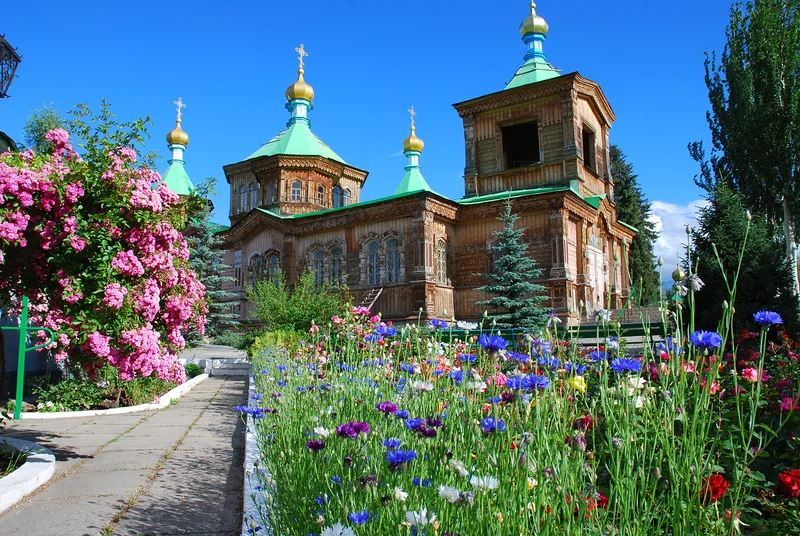
Not far away, the wooden Holy Trinity Orthodox Cathedral offers a striking contrast. Built in 1869 for the Cossack garrison, it survived the Soviet era and stands today as a major spiritual and architectural landmark. For history buffs, the small Prjevalsky Museum, dedicated to the Russian explorer of the same name, offers a deep dive into the era of great expeditions across Central Asia.
Local tip: To enter the cathedral, women must cover their heads. Scarves are graciously provided at the entrance, so do not worry if you forgot yours.
The call of the mountains: trekking and nature
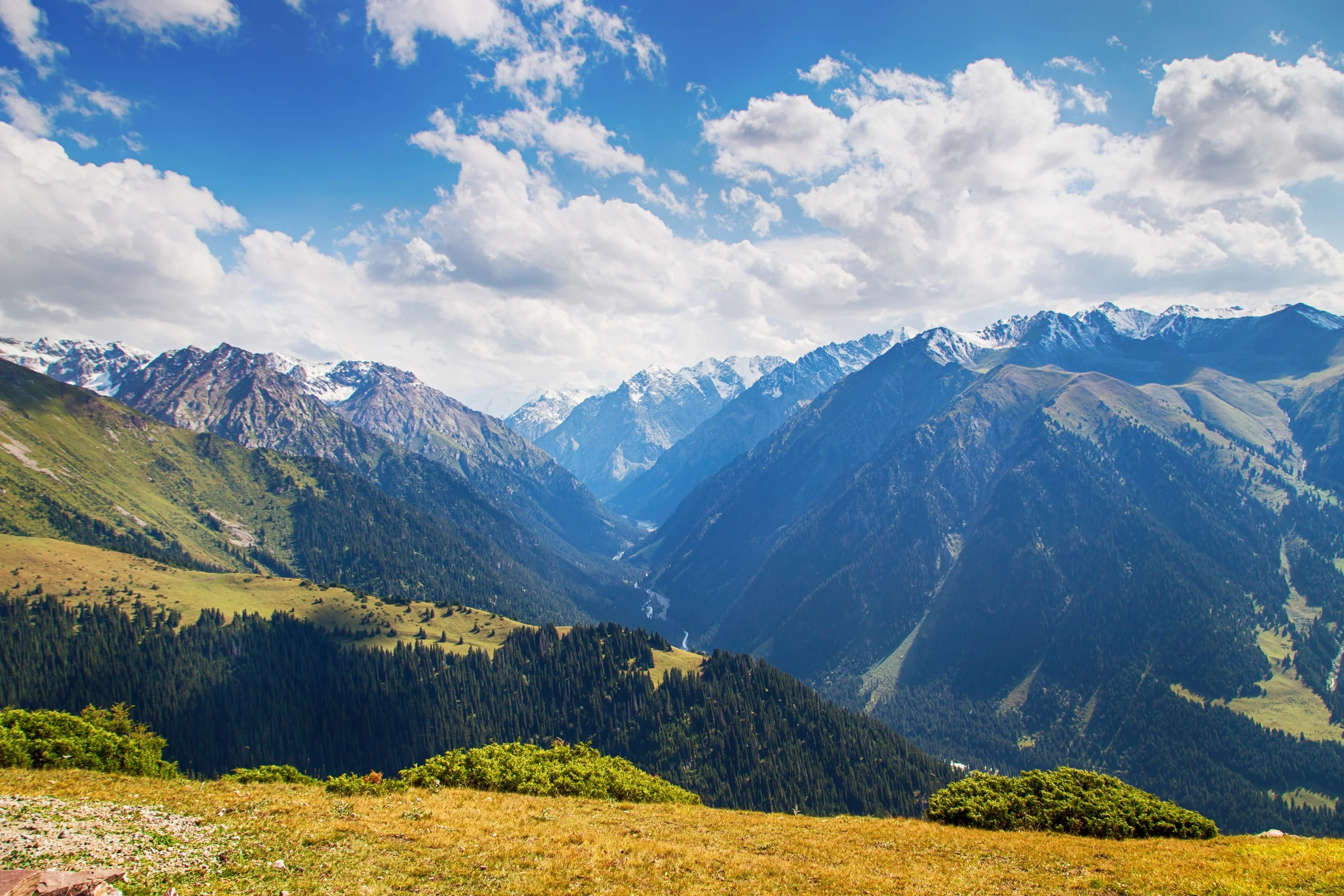
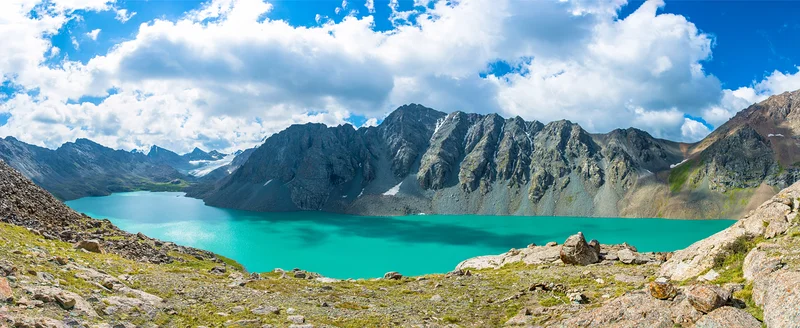
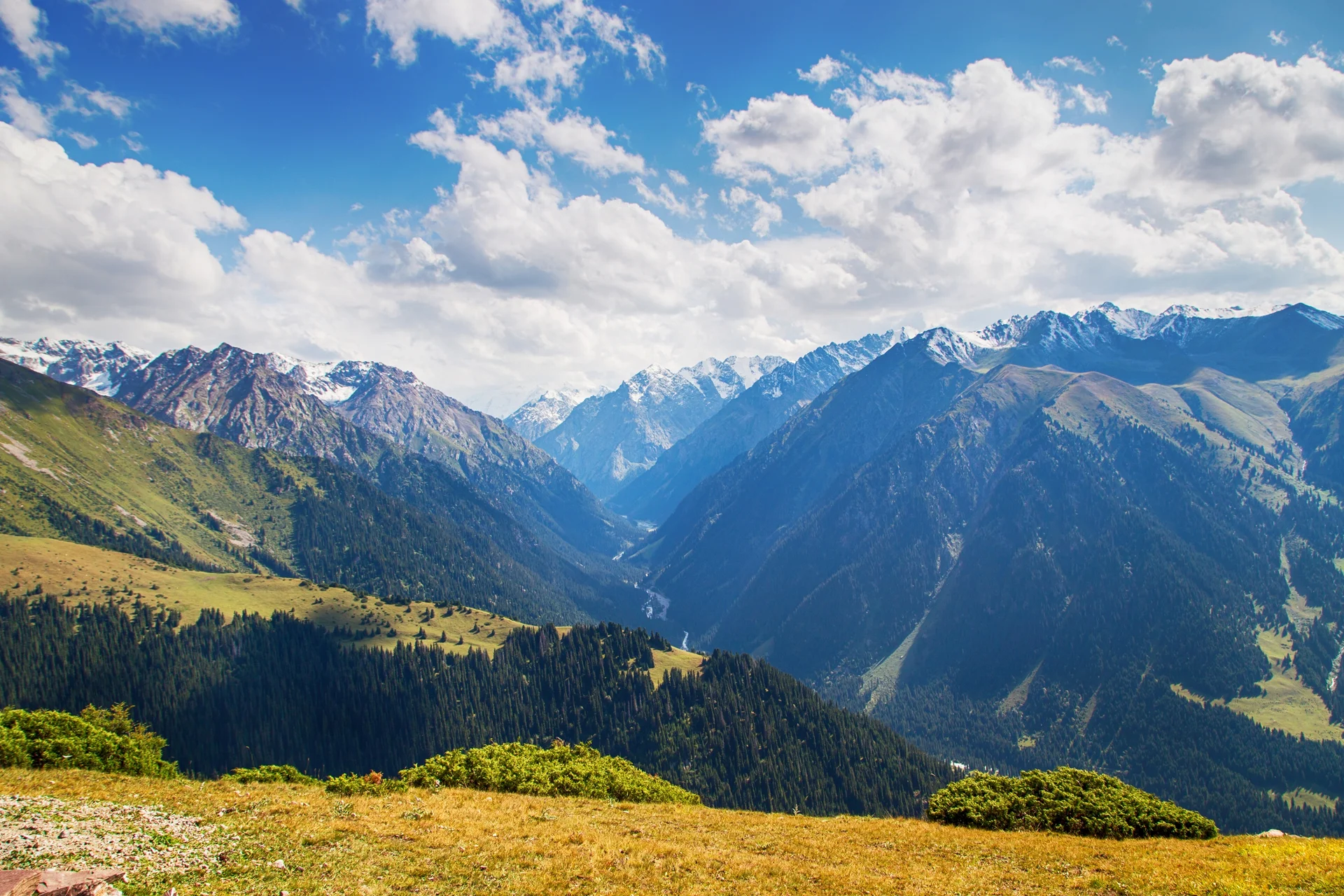
Karakol is inseparable from the Tian Shan mountains that frame it. Whether you are a hardened hiker or a casual walker, the possibilities are endless. The Karakol Valley, a national park with classic alpine landscapes, is easily accessible for day hikes. The trail following the river is particularly pleasant and offers expansive views.
For a more immersive experience, the trek to the Altyn Arashan valley (the "Golden Spring") is essential. Accessible after a demanding hike or a bumpy ride in a 4x4, this valley rewards the effort with grand scenery and sulfurous hot springs that are perfect for soothing sore muscles. Another iconic site is Jeti-Oguz, famous for red sandstone rock formations nicknamed the "Seven Bulls" and the "Broken Heart."
Local tip: If hiking is not your cup of tea, or if you need to rest your legs, explore the area on horseback. Many local agencies offer day trips or multi-day expeditions, which is an authentic way to see the Kyrgyz landscape.
Local vibes: off the beaten path
To truly feel the pulse of Karakol, you must get up early. On Sunday mornings, the livestock market is an unforgettable sensory experience. Starting at 5 a.m., farmers from all over the region flock here to trade cows, sheep, and horses in a joyfully organized chaos. It is a fascinating and raw look at local life.
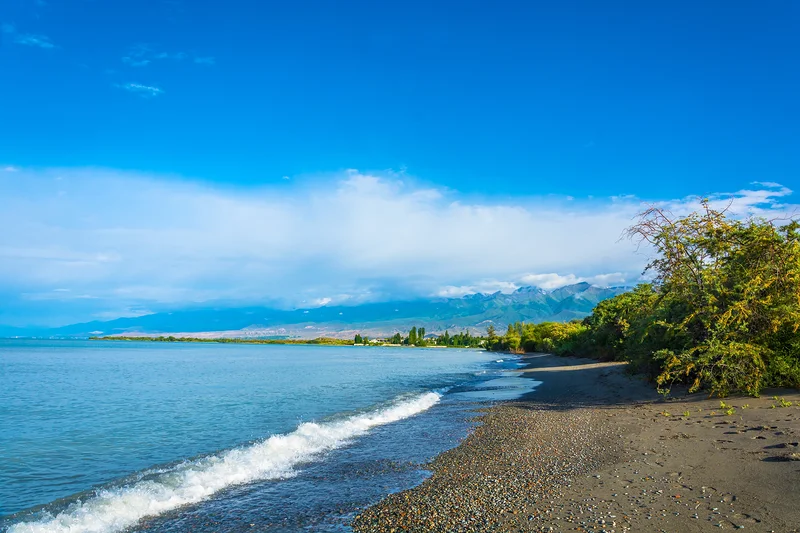
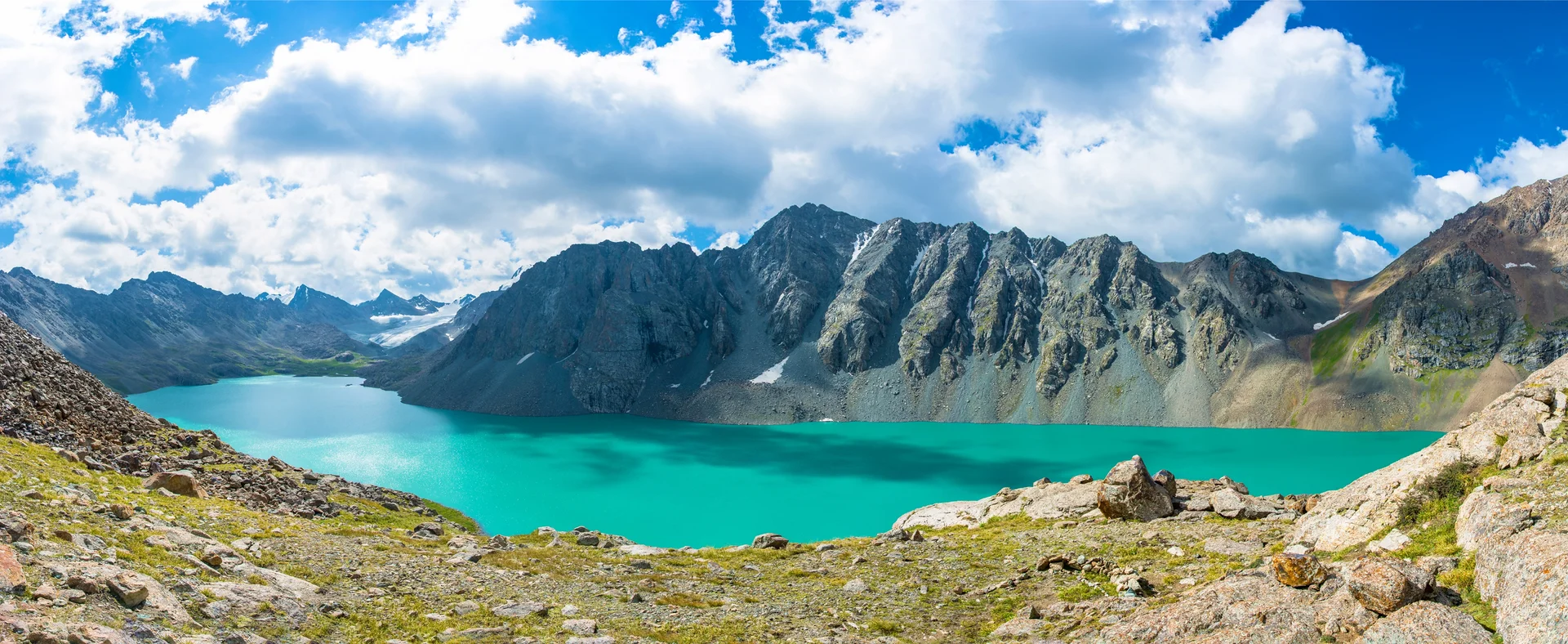
After the bustle of the market, wander through the main bazaar to discover local produce. This is where you can try one of the city's most surprising specialties. Away from the mountains, do not miss the shores of the majestic Issyk-Kul Lake, the second-largest alpine lake in the world, where the turquoise water invites quiet contemplation, especially at sunset.
Local tip: For the livestock market, arrive before 8 a.m. After 10 a.m., the energy has already faded and you will miss the best scenes. A taxi is the best way to get there easily at dawn.
Where to eat and drink in Karakol?
The culinary scene in Karakol is a delicious melting pot. Do not leave without trying ashlan-fu, a spicy cold noodle soup of Dungan origin, rumored to be the perfect hangover cure. You will find the best stands in a small alleyway dedicated to it near the Bogu Bazaar. Also, try the mantis (steamed dumplings) and laghman (hand-pulled noodles), Central Asian classics you can find in many cafes like Cafe Zarina or KAYNAR cafe.
Where to stay in and around Karakol?
Accommodations in Karakol suit every budget. The city center is full of guesthouses and hostels, which are great for meeting other travelers and getting insider advice. For a more authentic experience, some families offer homestays. If you are heading out on a trek, particularly toward Altyn Arashan, you can sleep in yurt camps or rustic wooden cabins for a total immersion in the Kyrgyz wilderness.
How to get to and around Karakol?
The most common way to reach Karakol from the capital, Bichkek, is by shared taxi or minibus (marshrutka). The trip takes about 6 to 7 hours and follows the road along the northern shore of Issyk-Kul Lake.
Once you are there, the center of Karakol is very easy to navigate on foot. For excursions to more remote sites like Jeti-Oguz or the trailhead for Altyn Arashan, taxis (private or shared) are the easiest solution and remain very affordable.
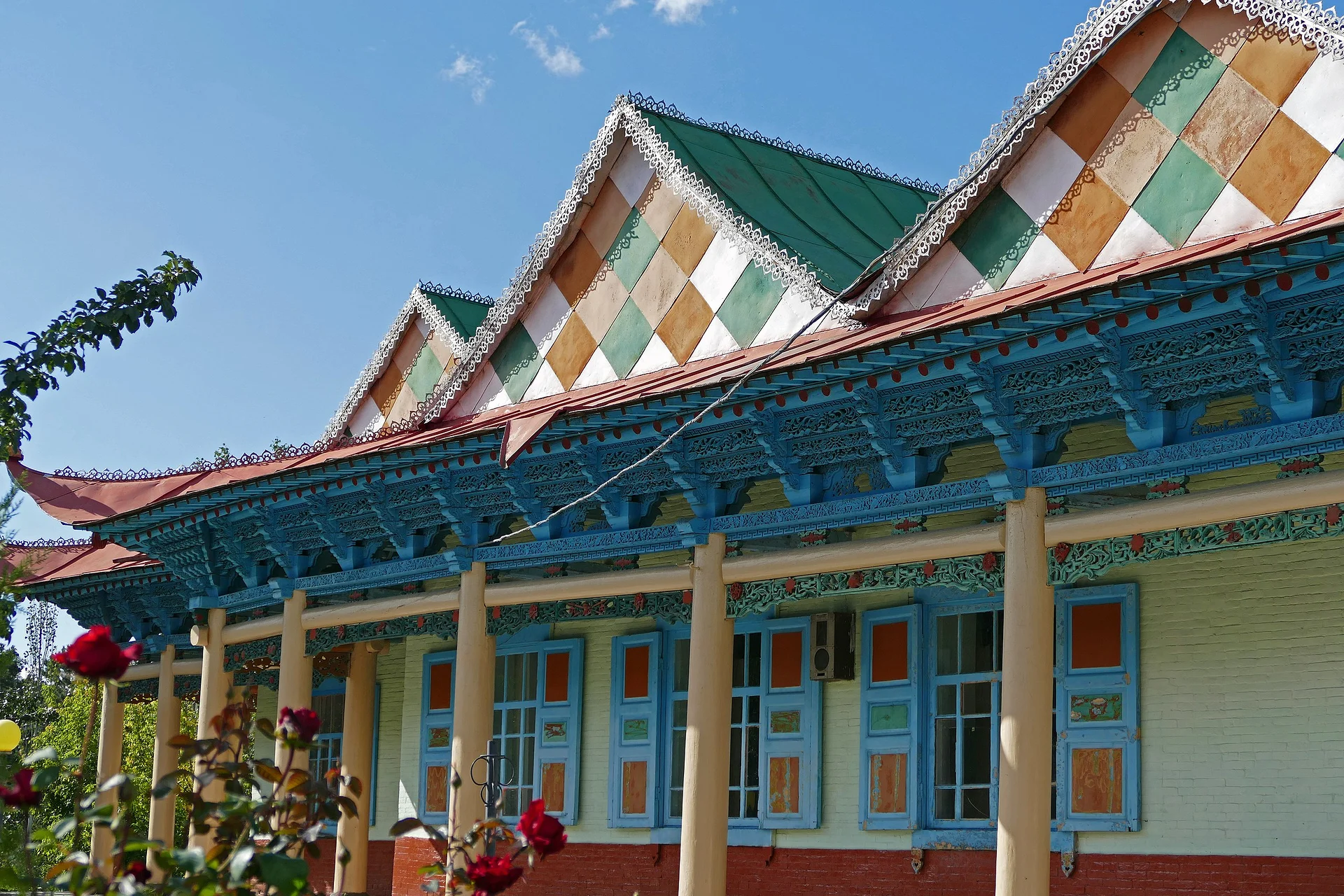
Unlike the country's capital, Karakol, on the edge of Issyk-Kul Lake, is very pleasant and worth a stop for a day or two. It is essentially a starting point for a trek or a horseback ride, but you can take the opportunity to discover its colorful mosque and its elegant Orthodox church. Arrange to be there on a Sunday so you can visit the livestock market early in the morning. It is famous all over the country! The Destination Karakol tourist office was a gold mine of information for organizing my stay.