
The ramen capital where Japan hits the brakes
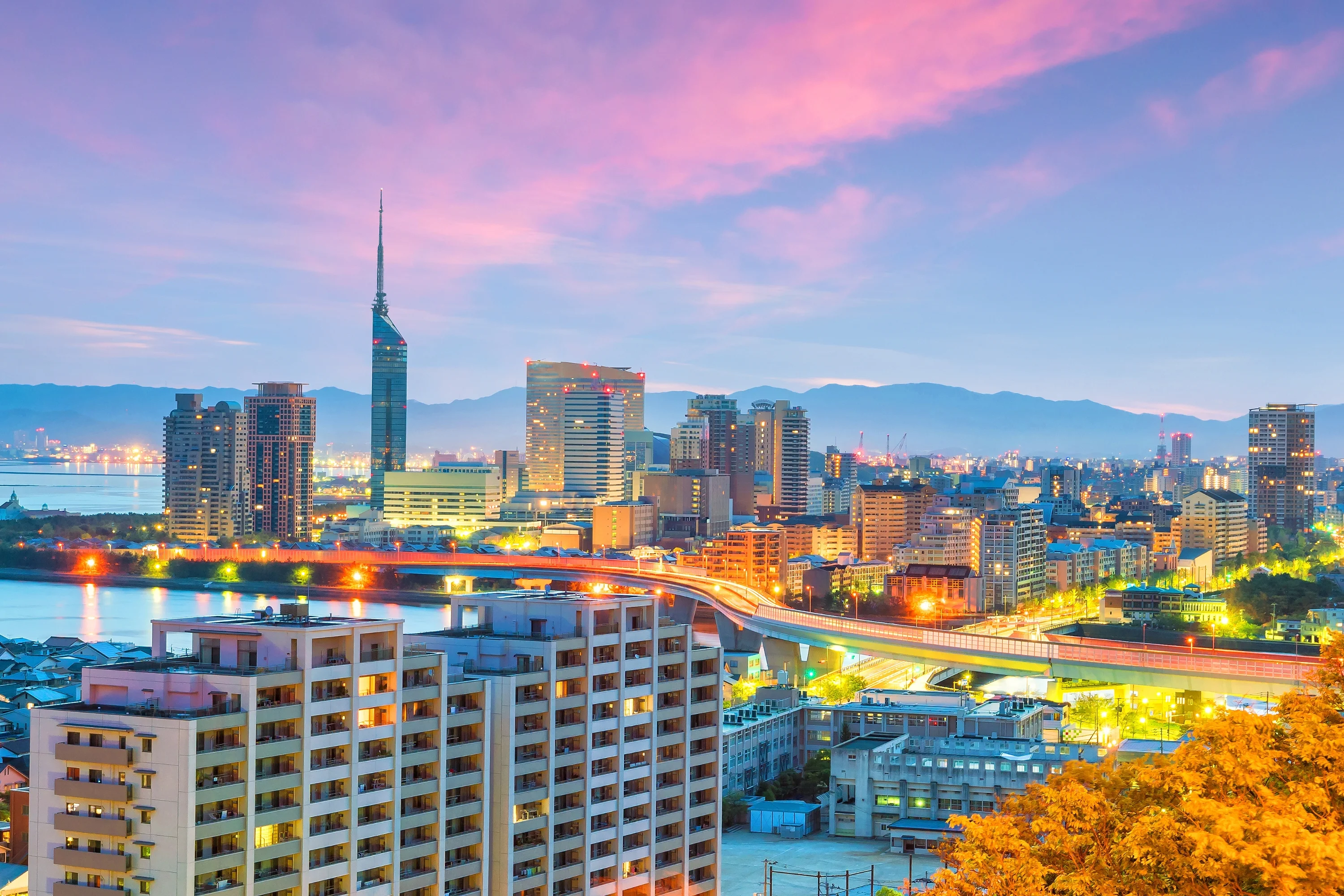
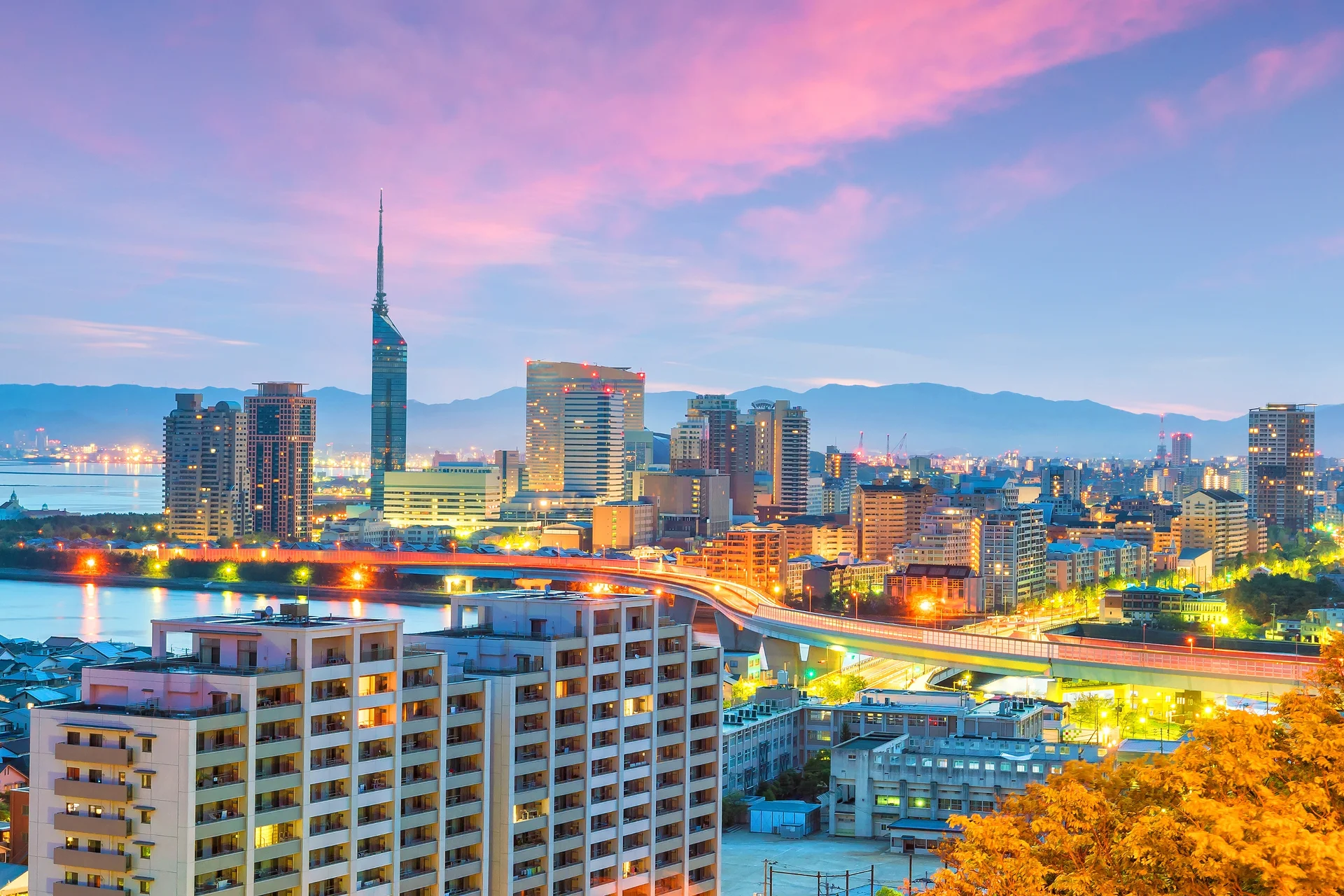
It is 8:00 PM on an October night. Along the Naka River, about thirty yatai stalls light up the darkness. Behind these tiny counters, chefs grill yakitori skewers while customers, perched on wobbly stools, slurp tonkotsu ramen and chat with strangers. Welcome to Fukuoka, the major Japanese city that refuses to stress out.
Is Fukuoka right for you?
This Kyushu capital is perfect for travelers who want to experience Japan without the weight of massive tourist crowds. You will not find endless lines at temples or subway cars packed to the gills here. The city center is walkable, locals actually take time to live, and the food scene rivals that of Osaka at half the price. If you are looking for authentic Japan with modern creature comforts, this is your spot.
On the other hand, if you are hunting for high-octane spectacles like in Tokyo or temples on every street corner like in Kyoto, Fukuoka might underwhelm you. The city prioritizes quality of life over the density of UNESCO-listed sites. The climate is also worth noting, as summers are intense with temperatures hitting 30°C (86°F) and stifling humidity, while winters are mild but breezy. Even compared to other major cities, you will find that fewer people speak English here.
Budgeting for your trip
Expect to spend 60 to 80 EUR (about $65-$85) per day all-in for a mid-range traveler. A bowl of tonkotsu ramen runs 600 to 900 JPY (about $4-$6), hostels hover around 25-30 EUR (about $27-$32) a night, and 3-star hotels near Hakata Station start at 70 EUR (about $75). The subway is your best friend: 260 JPY (about $1.75) per ride or 820 JPY (about $5.50) for a day pass. Yatai stalls are reasonable if you stick to one dish and a beer, but the bill adds up quickly if you order more.
Hakata and the center: urban energy
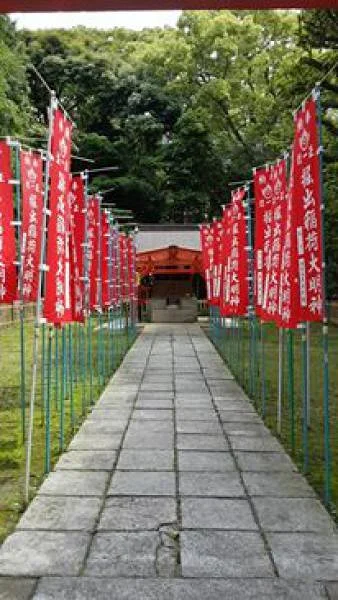
The Hakata neighborhood centers on the station of the same name, the terminus for the Shinkansen. It is the economic hub, but it offers more than just business. Canal City Hakata is worth a look for its wild architecture, pop-culture shops, and the Ramen Stadium, which gathers eight different ramen restaurants on the fifth floor. It is the perfect place to compare styles. Kushida Shrine, founded in 757, guards the entrance to old Hakata. Its annual Yamakasa festival in July features one-ton floats carried by men in traditional gear while they run through the streets.
A ten-minute walk away, Tenjin takes over for shopping and nightlife. The Tenjin Chikagai, a 600-meter underground labyrinth, hides 150 shops and cafes beneath somewhat kitschy neo-European architecture. It is a lifesaver on rainy or scorching days. Ohori Park, just to the north, offers a welcome breather. Its massive central pond is crossed by three bridges connecting a series of islets. Locals go there for morning jogs or weekend picnics.
Local tip: Buy the Fukuoka Tourist City Pass for 1500 JPY (about $10). It gives you unlimited access to the subway and buses for the day, plus discounts at several attractions. There is a Dazaifu version for 2000 JPY (about $13.50) if you are planning that excursion.
Nakasu: the kingdom of yatai
This mini-island wedged between two river branches is the heart of the nightlife. About twenty yatai set up shop every night starting at 6:00 PM along the quay. These mobile stalls on wheels serve ramen, gyoza, yakitori, and oden in a uniquely social setting. The concept is simple: you sit at the counter (eight seats max), order, and end up chatting with your neighbors. The atmosphere peaks around 9:00 PM when the salarymen arrive.
Keep in mind that yatai are not exactly a bargain. A bowl of ramen costs 800-1000 JPY (about $5.50-$6.75), but the experience is worth it once. Avoid the ones with laminated English menus, as those are clear tourist traps. Instead, look for the lines of locals. The yatai Yamanaka near Tenjin Bridge earns its reputation for its creamy, rich ramen.
Dazaifu: the essential day trip
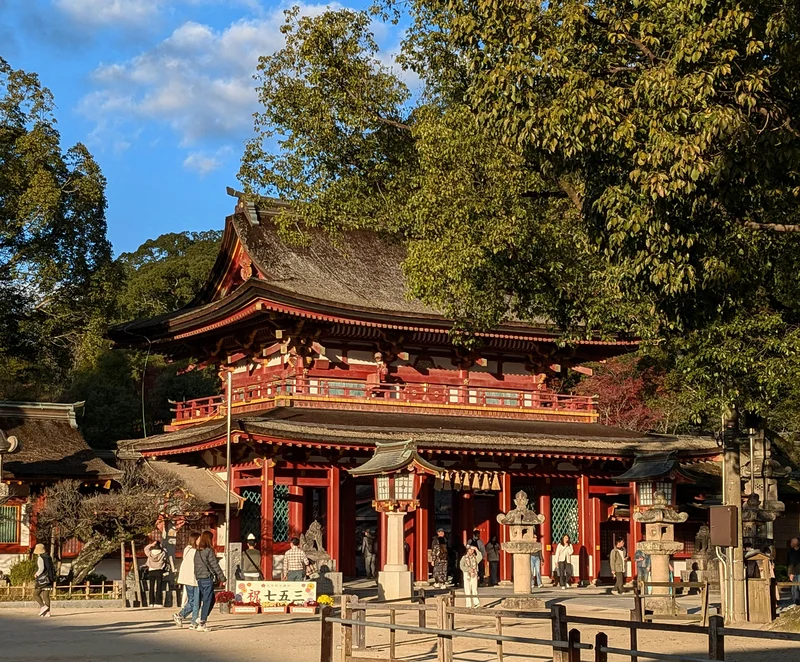
Located 16 kilometers from the center, this small town served as the administrative capital of all Kyushu for five centuries. Dazaifu Tenmangu Shrine attracts students who come to pray for exam success. The deity venerated here, Sugawara no Michizane, was a 9th-century scholar. The 6,000 plum trees on the grounds bloom in February and March in a pink and white display that rivals the cherry blossoms. The shopping street leading to the shrine sells umegae mochi, which are grilled rice cakes filled with red bean paste.
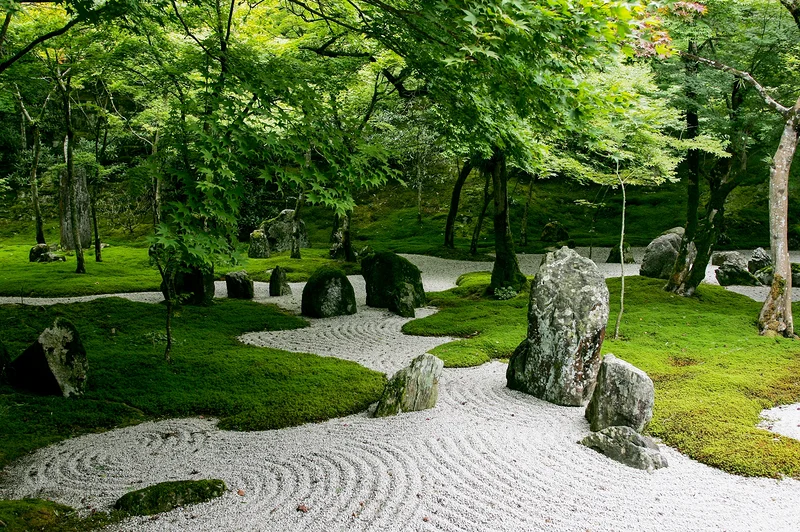
Right next door, Komyozen-ji Temple showcases two zen gardens made of rare stones. In the front garden, fifteen rocks form the kanji for "light." You only need twenty minutes to walk through, but the mood invites you to sit in silence. It takes 45 minutes by train from Hakata via the Nishitetsu line, with a transfer at Futsukaichi.
Nature outings and beaches
Nanzoin Temple in Sasaguri houses a reclining bronze Buddha that is 41 meters long. It is one of the largest statues of its kind in the world, weighing nearly 300 tons. The complex spreads across a wooded hill dotted with secondary shrines. It is accessible in 25 minutes by JR train from Hakata.
To the west, the Itoshima peninsula offers decent beaches and the Sakurai Futamigaura shrine, which has become very Instagrammable with its two sacred rocks connected by a rope. Photographers flock here for the sunset between the rocks. It is a 50-minute direct bus ride from Hakata.
Where to eat and drink in Fukuoka?
The city takes its food seriously. The local tonkotsu ramen is known for its milky broth, achieved by boiling pork bones for hours. Ichiran in Nakasu remains the most famous spot with its individual dining booths for focused eating. Hakata Issou near Canal City offers a broth that is even richer.
Yanagibashi Market, nicknamed "Fukuoka's kitchen," opens early in the morning. Fish stalls sit alongside fruit and vegetable vendors. Several small restaurants in the back of the market serve ultra-fresh sashimi for lunch. Do not miss the goma saba, which is mackerel marinated in sesame, a local specialty. Amaou strawberries, which are huge and sweet, are sold from January to May.
Where to stay in Fukuoka and the surrounding area?
Prioritize the Hakata or Nakasu neighborhoods for your first trip. Hakata puts the Shinkansen station five minutes away on foot, which is convenient if you have luggage. Tokyu Stay Hakata offers actual rooms with kitchenettes and washers in the closet, perfect for longer stays. WeBase Hakata is a hostel-style option with dorms and private rooms with lively common areas.
Tenjin will suit night owls who want bars and restaurants within reach. The neighborhood stays lively until late, which can bother light sleepers. For luxury, the Miyako Hotel Hakata near the station includes thermal baths on the roof.
How to get to and around Fukuoka?
Fukuoka Airport is only six minutes away from the city center by subway. From the US, you will likely connect through Tokyo, Osaka, or Seoul. There is a direct flight from Seoul that takes 1 hour and 15 minutes. The Shinkansen from Tokyo takes 5 hours and 30 minutes (18,000 JPY or about $120 without a JR Pass), and from Osaka, it takes 2 hours and 30 minutes.
In the city, the subway has three lines that cover the essentials. Buses serve the outlying areas. Do not count on a JR Pass for getting around Fukuoka, as the local Nishitetsu company is not included. A rechargeable IC card like Suica or Pasmo simplifies payments.
When to go?
The ideal times are spring (late March to May) for the cherry blossoms and mild temperatures, and autumn (October to November) for the fall colors and lack of rain. Avoid June and July, which is the rainy season with possible typhoons, and August, when the heat regularly tops 35°C (95°F). Winter remains mild but breezy, with a few days of snow on the higher ground.
If you are visiting Kyushu, you will most certainly pass through the city of Fukuoka! A very nice discovery for me, much less crowded than Tokyo or Osaka. The Tenjin neighborhood is really nice to walk around in the evening, as well as the Yatai (the little food stalls) where you can have a blast!! A stop by Canal City with its pretty fountains, definitely nothing to be bored about! Do not miss the Japanese garden at Ohori Park, which is absolutely sublime, especially at night!