
Visiting Mandalay
With a population of about one million, including a significant Chinese community, Mandalay is the second-largest city in Myanmar after Yangon. Located in the center of the country, it served as the final royal capital under the Konbaung dynasty until 1885. A few structures from that era remain, most notably the fortress walls that once enclosed the royal palace at the base of Mandalay Hill. This royal palace was moved to Mandalay from the former Burmese capital of Amarapura in 1857 by King Mindon. Looted during British colonial rule and later bombed by Allied forces during World War II, the original palace burned down completely. A handful of its surviving relics are now housed at the Victoria and Albert Museum in London.
Immersing yourself in Buddhist culture in Mandalay
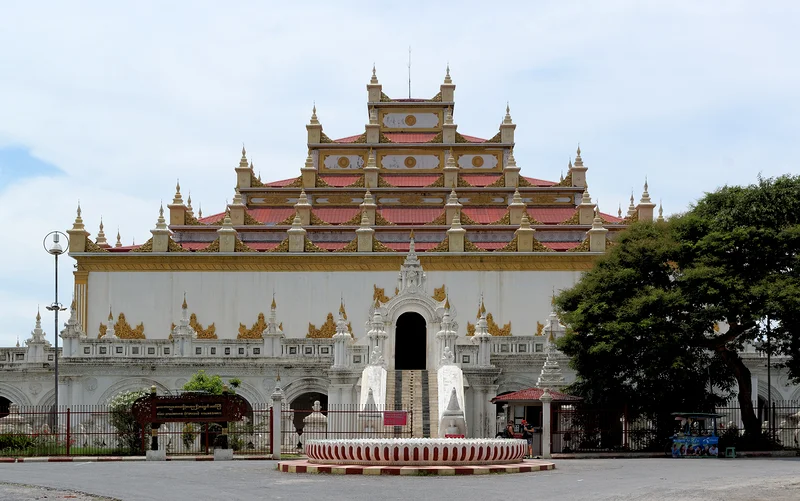
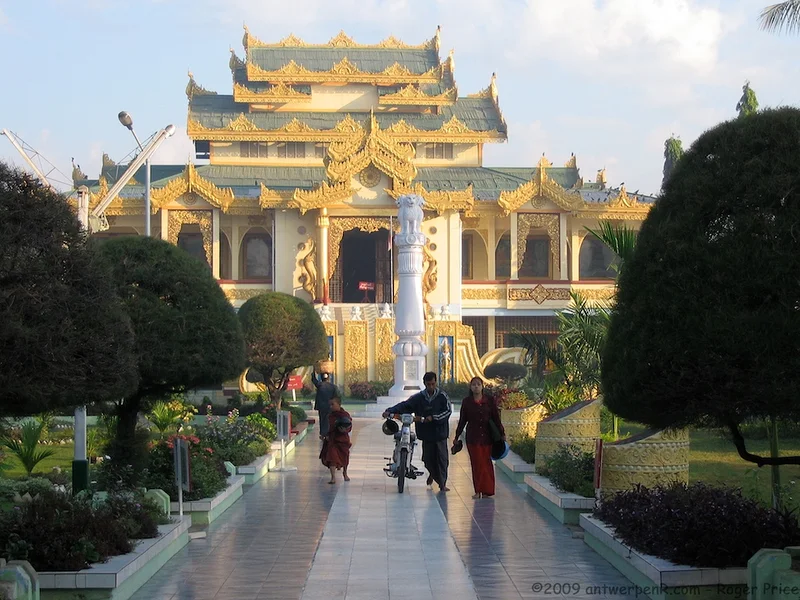
Mandalay is a prime destination if you want to understand Buddhist traditions and see some of the country's most significant temples. Near Mandalay Hill, do not miss the Shwenandaw Monastery, also called the Golden Palace Monastery. This religious building was originally part of the royal palace complex until the death of King Mindon. Built from intricately carved teak, it is the only remaining vestige of the original royal palace and offers a clear look at its former grandeur.
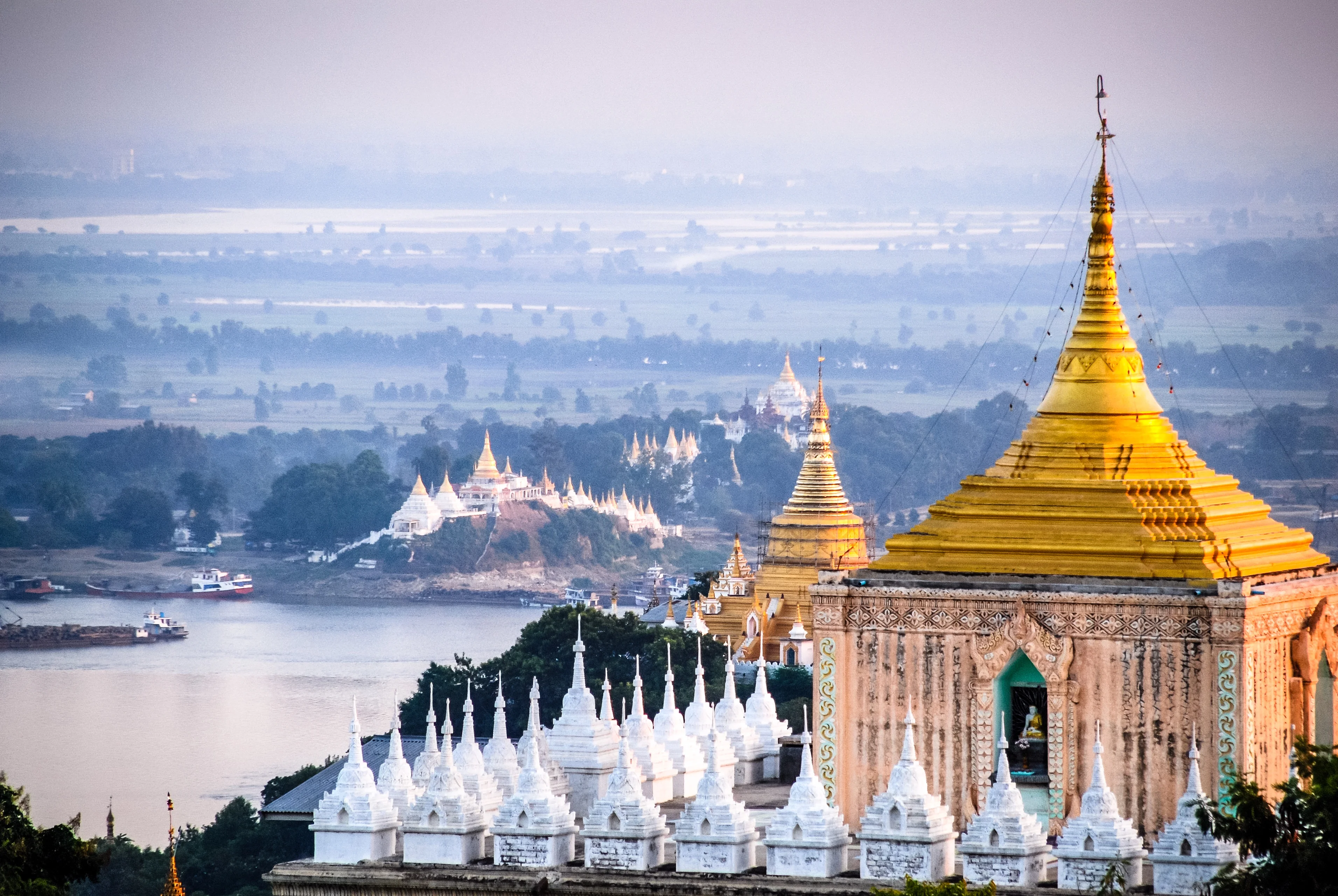
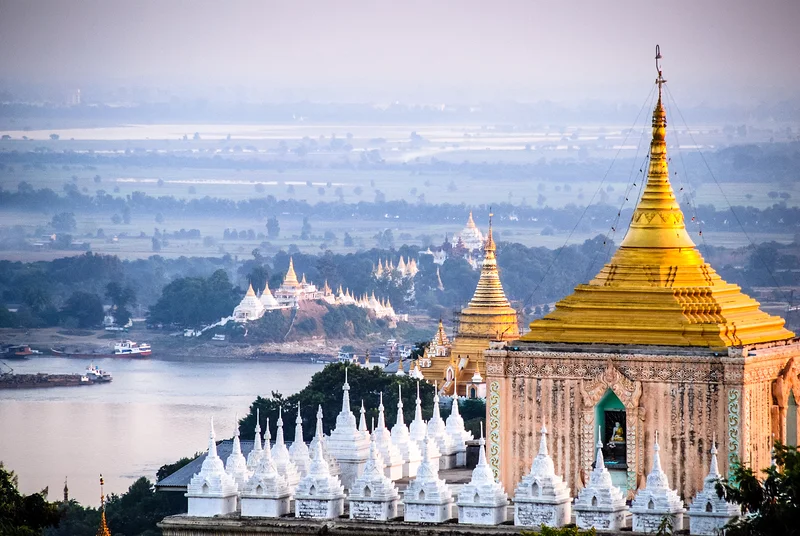
Nearby, visit the Kuthodaw Pagoda. It is unique for being surrounded by 729 stupas, each housing a slab inscribed with a portion of the Tripitaka, the sacred Buddhist texts. Many consider this site to be the world's largest book. A short walk away, the Sandamuni Pagoda lines up marble slabs of its own, this time carrying the commentaries on those texts, and remains a major site for Buddhist pilgrimage today. The Kyauktawgyi Pagoda houses a massive Buddha statue weighing nearly 900 tons.
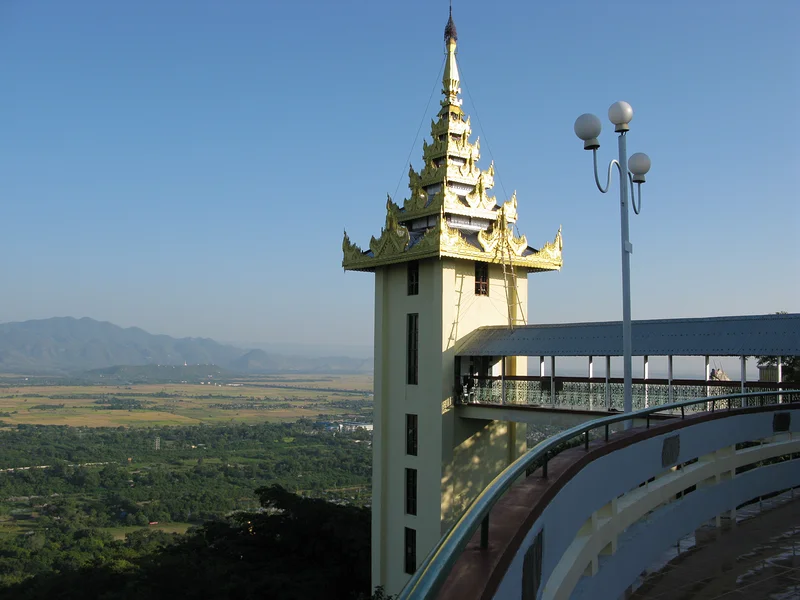
Take a walk up Mandalay Hill to enjoy the city views, which are particularly impressive at sunset.
The spiritual heart of Myanmar
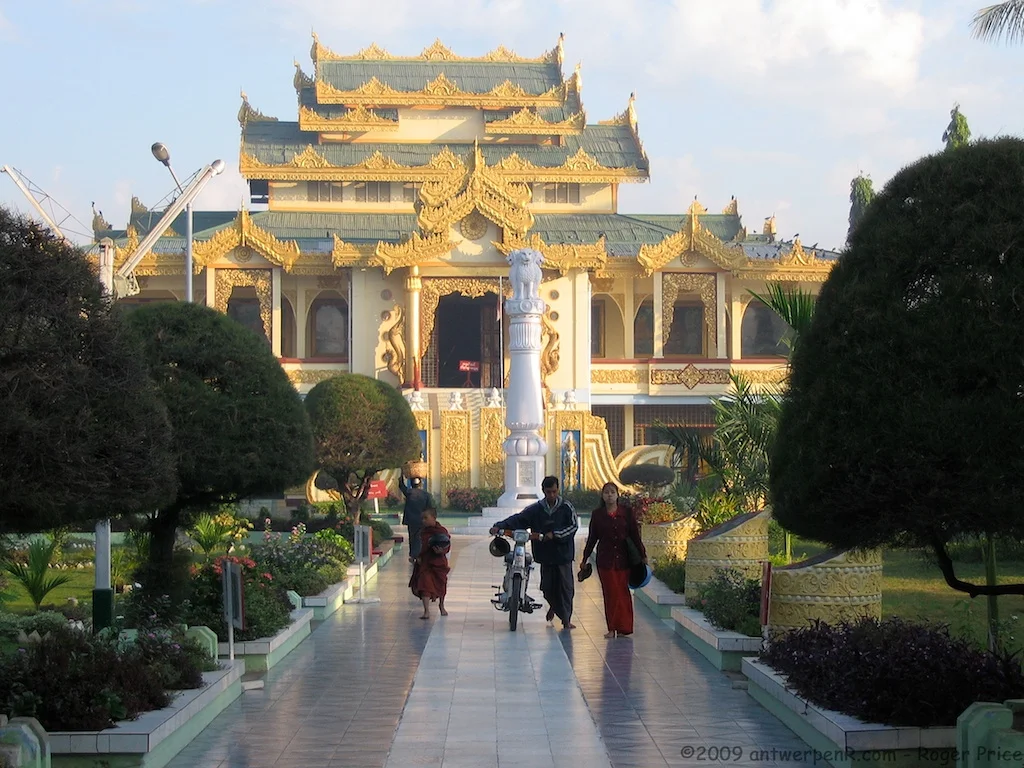
Other structures located in the southern part of the city are worth a visit, especially the Mahamuni Pagoda, one of the most revered sites in the region. The Shwe in Bin Monastery is another notable landmark in this area. It features paintings by Saya Saung that depict life in Mandalay at the end of the 19th century.
Not far from these monuments, you will find the jade market, a trade that earned Mandalay its nickname as the City of Gems. The surrounding area is also home to the gold-leaf beating district, where you can watch artisans at work.
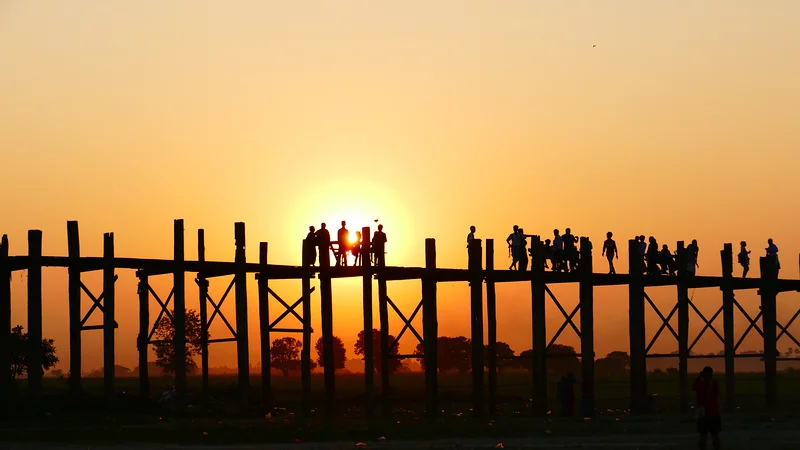
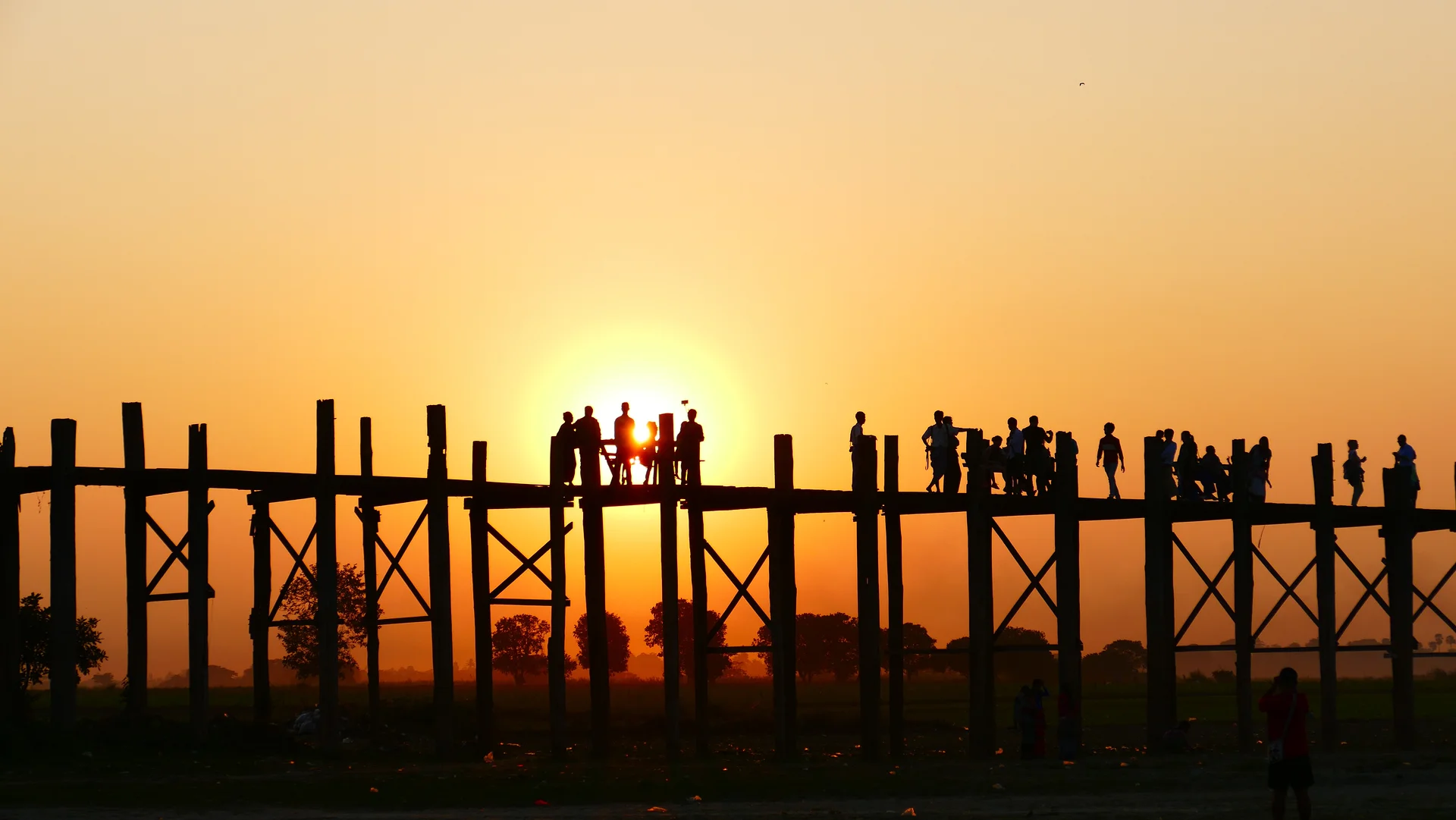
Bordered by the Irrawaddy River, Mandalay is well-positioned for exploring former Burmese capitals like Amarapura, Ava, and Sagaing. About six miles south of the city, you will find the famous U Bein Bridge spanning Taungthaman Lake. Built in 1849, it is said to be the longest teak bridge in the world.
When to go
Plan your trip for the dry season, which runs from mid-October to May.
How to get there
You can reach Mandalay by air via its international airport.
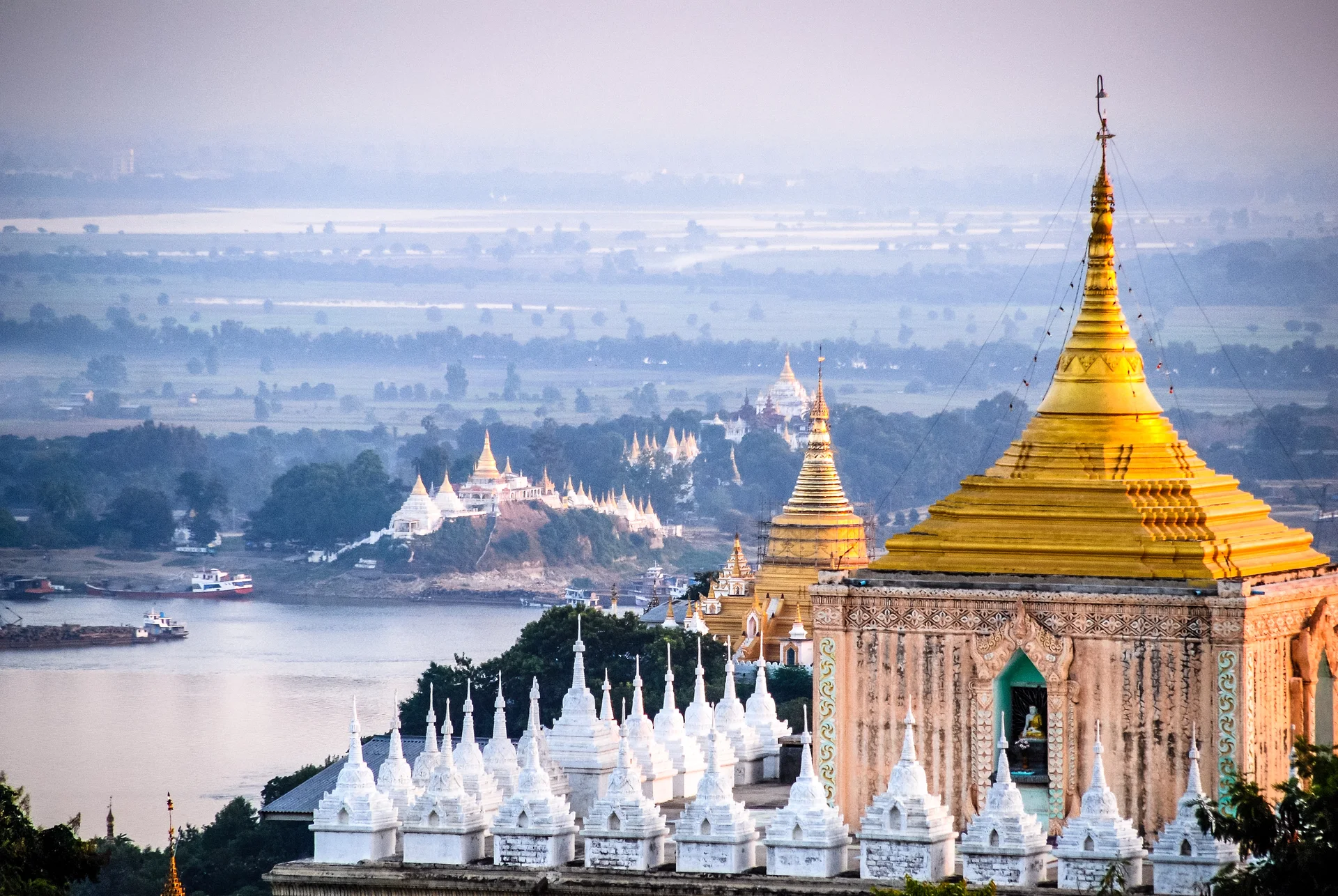
Mandalay left me with mixed feelings, but it was positive overall. The city itself does not have the immediate charm of other destinations in Burma, but it is hiding some real treasures. I especially enjoyed the monasteries, which allow you to dive into the history of the country. What I also liked was the authentic atmosphere and the pace of life.