Myanmar: Golden Pagodas and a Culture That Hasn't Been Packaged for Tourists Yet
Where else on earth can you stand among 2,000 Buddhist temples rising out of the morning mist, watch fishermen row their boats with one leg, and visit highland ethnic communities whose traditions stretch back centuries? Myanmar is that place, and there's genuinely nothing else quite like it in Southeast Asia.
Closed off from the world for decades, Myanmar still carries a rawness that most of the region has long since traded away for resort hotels and souvenir shops. The contrasts hit you fast: monks in saffron robes walking past half-finished concrete buildings, ancient rituals unfolding next to satellite dishes, mountain valleys where life looks much the same as it did a hundred years ago.
A Destination for Travelers Who Actually Want to Be Somewhere
Myanmar draws culturally curious travelers who want Southeast Asia before mass tourism took over. If you're after genuine encounters, landscapes that feel untouched, and real immersion in a living Buddhist culture, this country will deliver. Photographers find material everywhere: novice monks in monastery courtyards, highland markets overflowing with color, sunsets over the plains of Bagan.
That said, be honest with yourself before booking. Tourist infrastructure is still basic in many areas, English is hit or miss outside the main cities, and the political situation creates real friction on the ground. If you need Western-standard comfort or a tight itinerary, you'll be frustrated. Myanmar rewards patience and flexibility, not efficiency.
Bagan: 2,000 Pagodas Spread Across a Sacred Plain
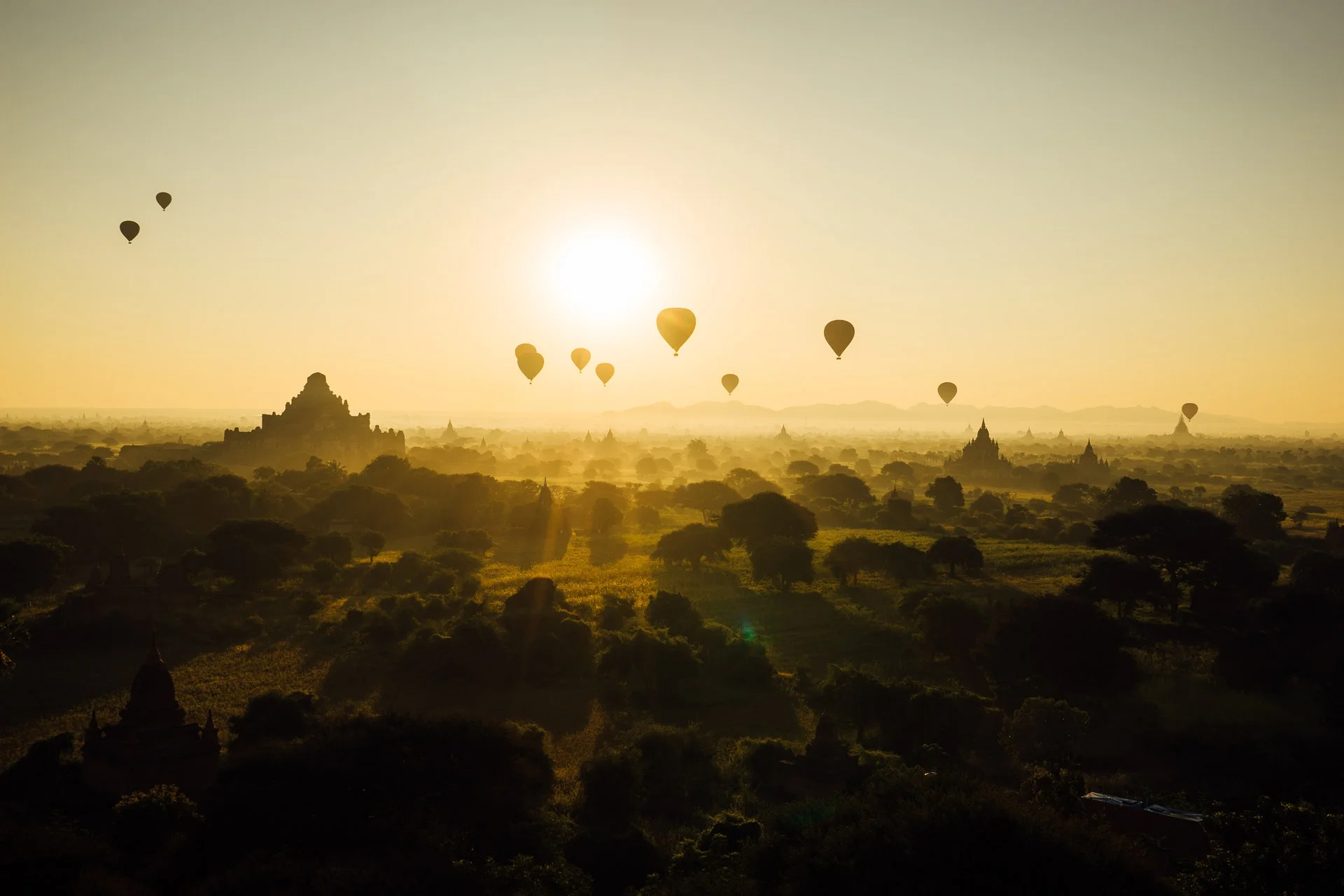
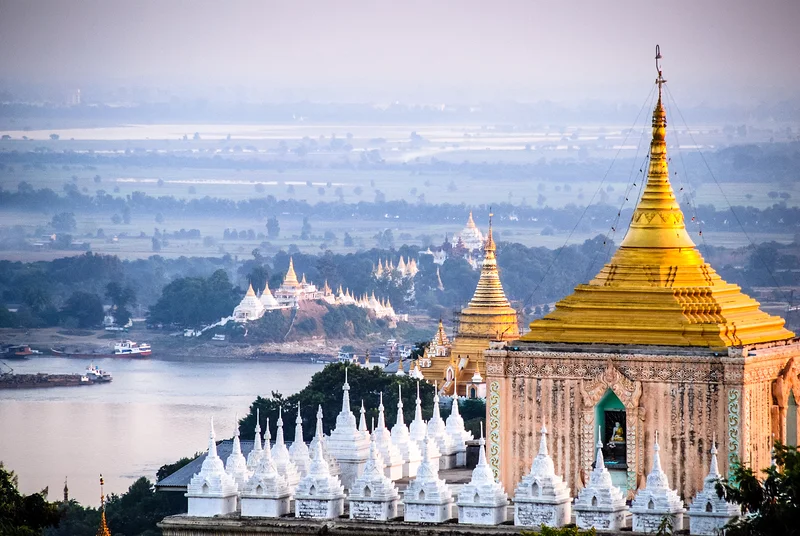
The plain of Bagan is one of the most remarkable landscapes in all of Asia. Thousands of temples and pagodas built between the 11th and 13th centuries cover the flatlands in every direction, and at sunrise, when mist rises off the Irrawaddy River, the whole scene looks like something out of a dream. Every temple has its own story; every stupa hides ancient frescoes inside.
The standouts include Ananda Temple with its four enormous Buddha statues, Shwezigon Pagoda with its gilded stupas, and Sulamani Temple for wall paintings that have survived remarkably well. Renting an e-bike is the best way to get out to the isolated temples that tour groups never reach.
Insider tip: Skip the expensive hot-air balloon rides. Instead, climb to the rooftop terrace of Shwesandaw or Pyathada temple at sunset for sweeping panoramic views without the crowds or the price tag.
Inle Lake: Timeless Atmosphere, Unique Traditions
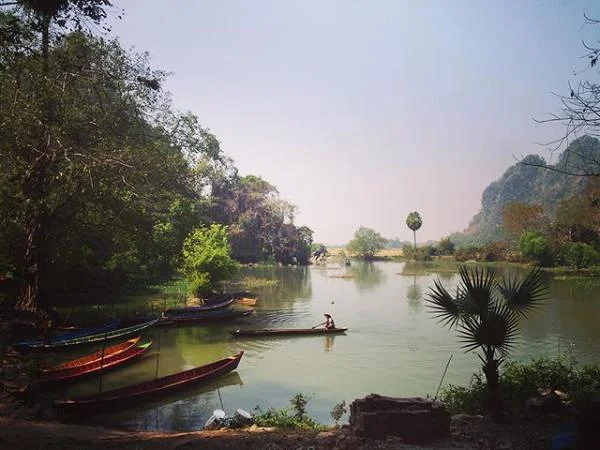
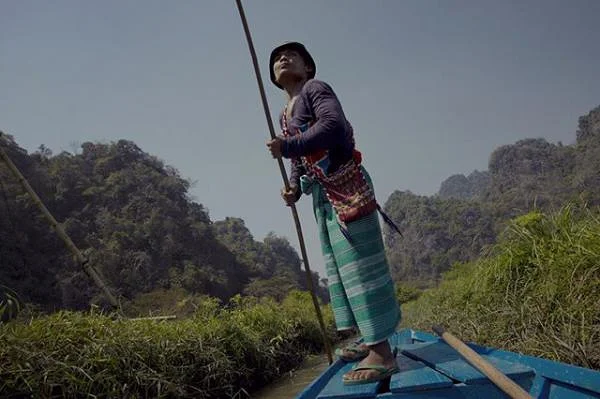
Inle Lake operates on its own rhythm. The Intha fishermen stand at the back of their narrow boats and row with one leg wrapped around the oar, a technique you won't see anywhere else. The lake sits at altitude, stretches about 14 miles long, and holds an entire world within it: stilt villages, floating gardens, and monasteries you can only reach by boat.
Every five days, rotating markets bring together Shan, Pa-O, and Kayan highland communities for trading sessions that are as much social event as marketplace. Women of the Kayan group, known for their traditional brass neck rings, still maintain their ancestral customs in villages around the lake's edge.
The Lake's Traditional Craft Villages
Several villages around Inle Lake have specialized in specific crafts for generations. Inpawkhon is known for lotus silk weaving, a painstaking process that pulls fiber from lotus stems. Tha Lay has traditional blacksmiths, and Nampan is where Burmese cheroots (local cigars) are rolled by hand in family workshops that have been at it for generations.
Insider tip: Negotiate directly with local fishermen for boat excursions instead of going through agencies. You'll pay roughly half the price and get a far more personal experience off the standard circuit.
Mandalay and the Royal Burmese Heartland
The former royal capital, Mandalay, holds onto traditional Burmese culture more stubbornly than anywhere else in the country. The reconstructed Royal Palace gives a sense of the city's former scale and power, while Mahamuni Pagoda draws pilgrims who come to press gold leaf directly onto the sacred Buddha image, a ritual that has added so many layers over the centuries that the statue's features have nearly disappeared.
Mandalay Hill gives you sweeping views over the Irrawaddy and toward the ancient capitals of Ava and Sagaing, where centuries-old monasteries still echo with chanting monks.
Amarapura and the U Bein Bridge
The U Bein Bridge, the longest teak bridge in the world at nearly 0.75 miles, crosses Taungthaman Lake outside Amarapura. At sunset, monks and locals make their way across this 170-year-old structure in a quiet procession that feels completely removed from the modern world.
Yangon: British Colonial Architecture Meets Buddhist Devotion
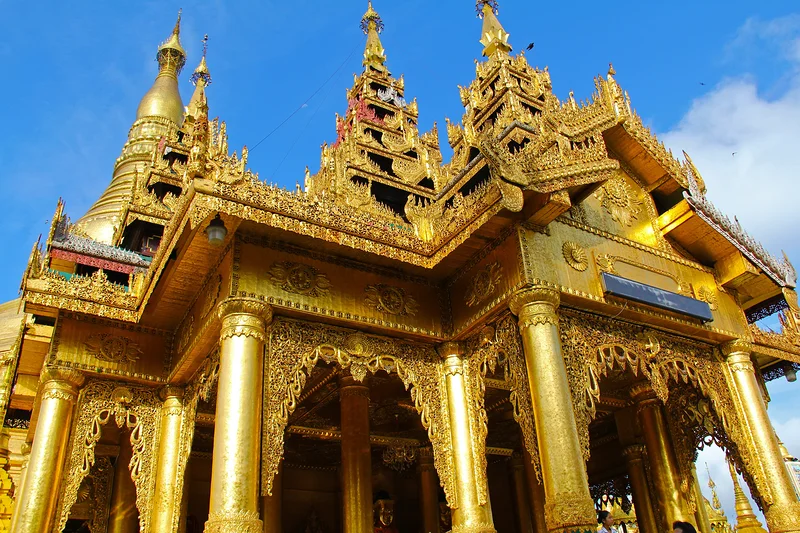
The former capital Rangoon (now Yangon) layers British colonial-era buildings over a deeply Buddhist city. Shwedagon Pagoda is the centerpiece: covered in 60 tons of gold and topped by a stupa rising 325 feet, it's one of the most significant Buddhist sites in the world. Come at sunset when worshippers gather to pray and meditate, and the gilded surface catches the last light of the day.
The colonial downtown around Strand Road and Bogyoke Market preserves some genuinely impressive Art Deco buildings from the British era. Tucked between them are traditional tea shops where locals spend hours over sweet milk tea and conversation.
Insider tip: Get to Shwedagon Pagoda by 6 a.m. You'll beat the crowds and catch the monks' morning rituals at their most atmospheric. The spiritual intensity at that hour is something else entirely.
Burmese Food: Chinese, Indian, and Thai Influences, All Its Own
Burmese cuisine draws from Chinese, Indian, and Thai cooking traditions without fully belonging to any of them. Mohinga, a fish-based noodle soup considered the national dish, is eaten for breakfast at street stalls across the country. Laphet thoke, a salad made from fermented tea leaves, shows up alongside most meals and has no real equivalent in other Asian cuisines.
Burmese curries are oil-rich and built on layered spice blends that develop slowly. Shan noodles reflect the influence of the highland ethnic groups from the Shan State. In monasteries, the tradition of dana (offering food to monks) gives you a window into local vegetarian cooking that you won't find in any restaurant.
Best Time to Visit Myanmar
November through February is the sweet spot: dry, clear skies, and manageable temperatures. By March and April, the heat becomes serious, regularly topping 104°F on the Bagan plain. The monsoon runs May through October and cuts off access to some areas, though it also turns the countryside a deep, lush green.
December and January are peak season, which means higher prices and real crowds at the major sites. November and February hit the best balance between good weather and reasonable visitor numbers.
Getting to Myanmar
Yangon International Airport is the main entry point, with connections from Bangkok, Singapore, and Kuala Lumpur. Myanmar National Airlines and AirAsia both run regular regional routes. From the US, you'll connect through one of those hubs, Bangkok and Singapore being the most common stopover cities.
Land crossings from Thailand are possible at Mae Sot-Myawaddy and Mae Sai-Tachileik, but border procedures can be slow and access conditions shift depending on the political situation. A tourist visa is required for all foreign visitors, including US passport holders, so sort that out before you travel.
Getting Around Myanmar
Domestic flights with Myanmar National Airlines connect Yangon, Mandalay, Bagan, and Inle Lake efficiently. Given the state of some roads, flying between major destinations makes a lot of sense. Long-distance buses cover all the main cities, though overnight rides can be rough.
The train is an experience in itself but a slow one: Yangon to Mandalay takes around 15 hours by rail versus one hour by plane. On Inle Lake, shared boat taxis are the only way to get around the floating villages. In the cities, shared pickup trucks and trishaws (cycle rickshaws) handle local transport.