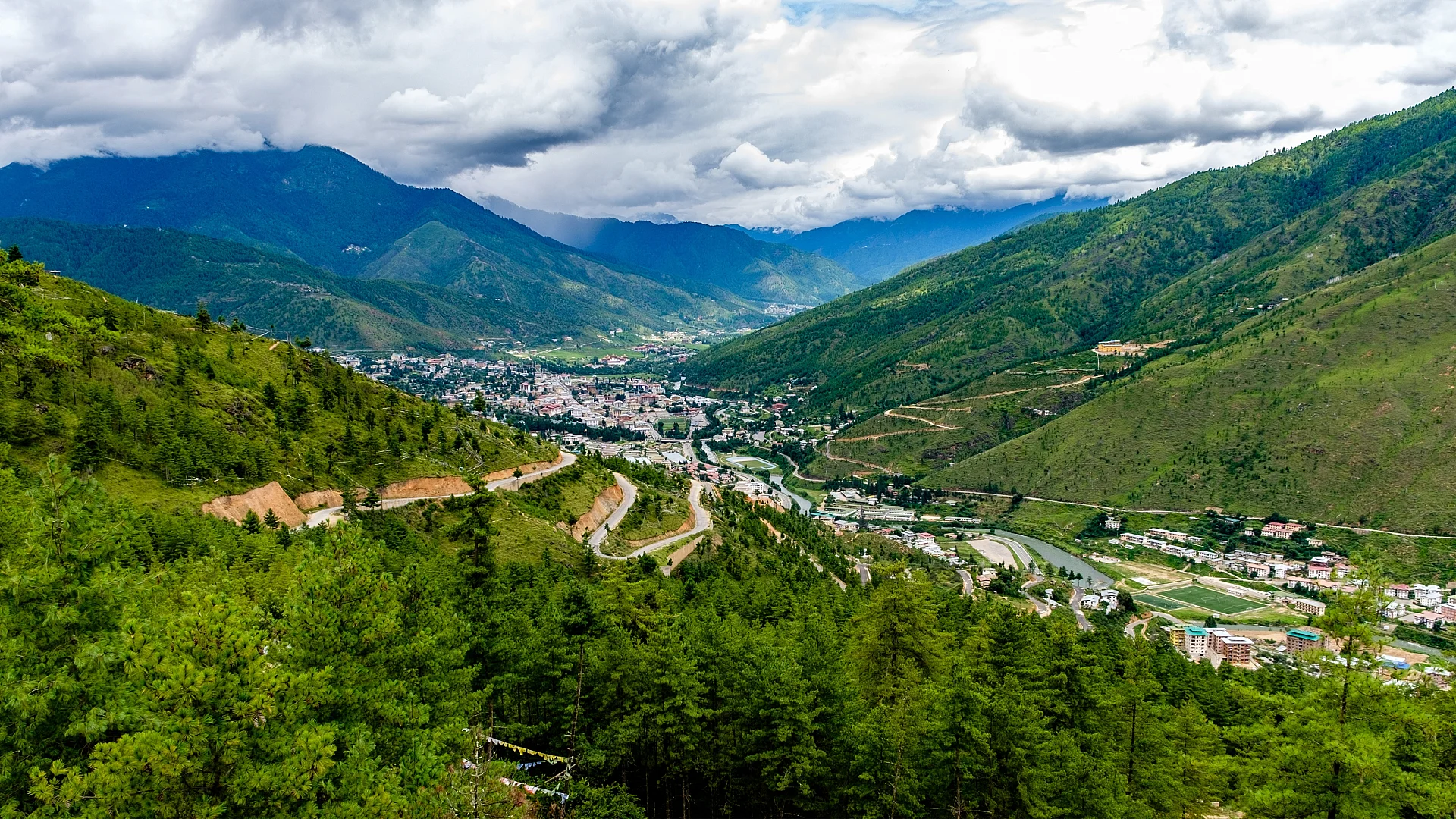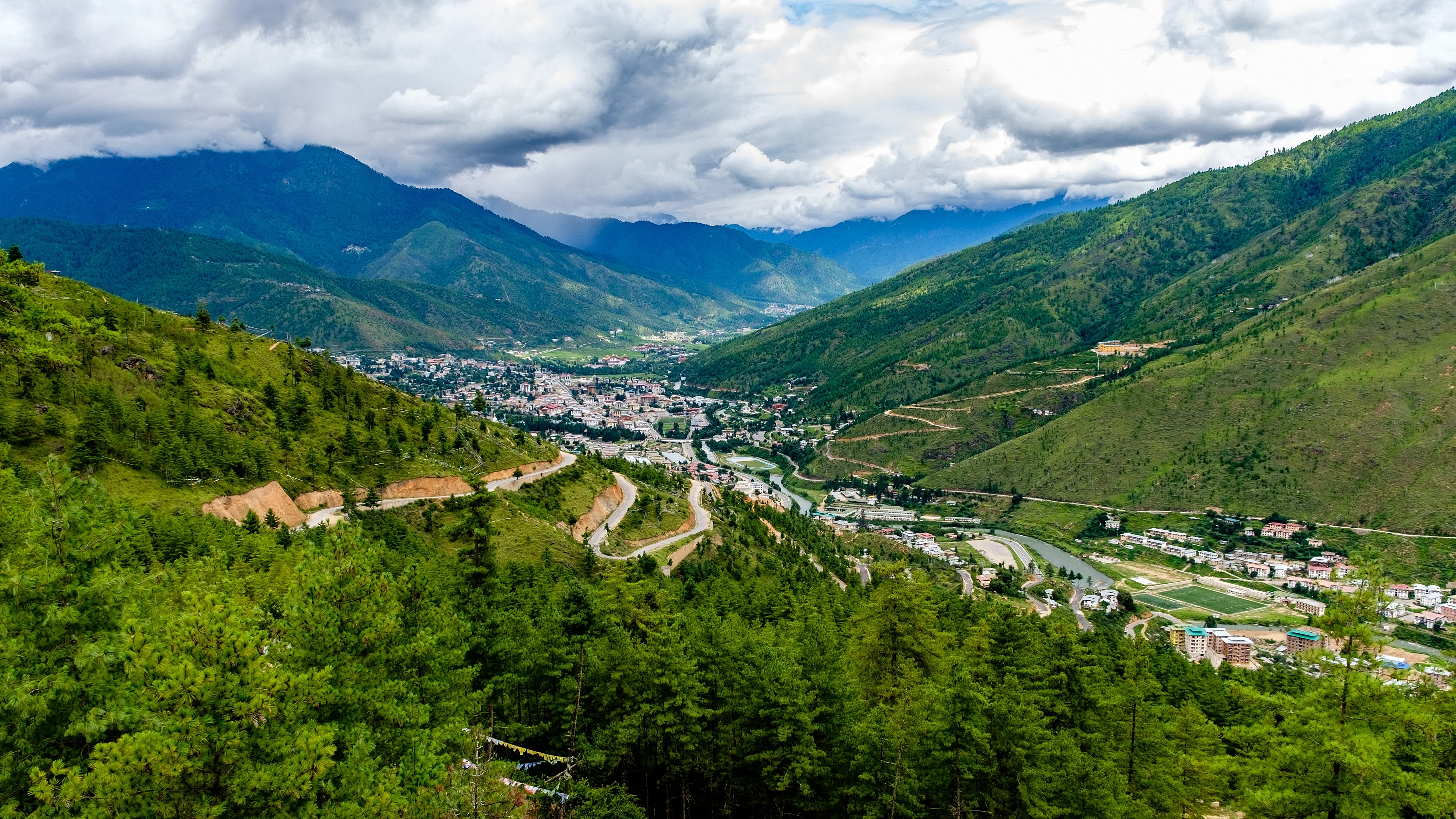
Thimphu, the Only Capital in the World Without Traffic Lights
Here, white-gloved police officers direct traffic at the main intersection with gestures that feel almost choreographed. Bhutan tried installing traffic lights a few years ago, but residents found them too cold and impersonal, so they took them down.
That story pretty much sums up the mindset of Thimphu, a Himalayan capital that refuses to rush into the future.
Is This Destination Right for You?
Thimphu speaks to travelers seeking rare cultural immersion far from standard tourist tracks. Bhutan measures development by gross national happiness rather than GDP, and that philosophy shows in the quiet streets, the constant presence of traditional architecture, and the measured pace of daily life.
If you are looking for high-energy nightlife, beaches, or serious shopping, skip this one. Thimphu remains a contemplative small capital where temples and surrounding mountains shape daily life far more than commercial storefronts.
Best suited for:
- Travelers seeking spirituality and living Buddhist culture
- Hiking enthusiasts and fans of preserved Himalayan landscapes
- Those who appreciate destinations that remain largely untouched by mass tourism
Not suited for:
- Travelers on a tight budget, since Bhutan enforces daily tourism fees
- Fans of total spontaneity, as travel here is structured
- Those looking for nightlife or resort-style relaxation
Heads Up on Costs: A Pricey Spot for Asia
Bhutan requires a mandatory sustainable development fee (SDF) for all foreign visitors, on top of lodging and dining expenses. This is not a classic backpacker destination, even though daily costs stay below what you would spend in Western Europe.
| Expense | Range |
|---|---|
| Night in a simple guesthouse | $23 to $40* |
| Night in a comfortable hotel | $68 to $135* |
| Meal at a local canteen | $3.40 to $6.80* |
| Meal at a tourist-oriented restaurant | $12 to $23* |
Estimated rates subject to change, excluding the daily SDF fee applied per visitor
Practical Realities: Structured Tourism, Not a Barrier
Bhutan has relaxed certain rules over the last few years, but the country maintains a purposely controlled tourism policy to protect its environment and culture. Most travelers organize their trips through an approved local agency that handles guides, transportation, and lodging.
High altitude, sitting around 2,300 meters, keeps nights crisp even in the summer. Thimphu generally stays mild, featuring temperate summers and cool, dry winters. The language barrier is practically nonexistent for US travelers since English is widely spoken by guides and in tourist shops.
Norzin Lam and the Commercial Hub
The main thoroughfare packs in handicraft boutiques, traditional clothing shops, and small eateries. This is where you will find that famous intersection without traffic lights, busy during the day with locals wearing the gho and kira, the traditional daily attire worn everywhere, including the office.
The weekend market is worth a stop to see local vegetables, dried yak cheese, garlands of red chiles, and handmade goods all mixed together in a genuine community setting without any tourist staging.
Must-See Spiritual Sites
Tashichho Dzong, a 13th-century monastic fortress rebuilt in the 17th century, now houses government offices and the king's throne room. Its white walls and golden roof look out over the Wang Chhu river running through the city.
Buddha Dordenma, a massive 51-meter-tall golden statue, watches over the valley from a hillside. Inside, it holds over 100,000 miniature Buddha statues, a detail many rushed visitors miss.
Friendly tip: Head up to Buddha Dordenma in the late afternoon when the low sun makes the statue gleam and the whole valley takes on a golden glow.
The Heights of Thimphu and Surrounding Nature
Dochula Pass, about an hour away by drive, offers clear-day views of Himalayan peaks soaring past 7,000 meters. Its row of 108 chortens, or commemorative stupas, makes for one of the most iconic photo spots in the country.
For hikers, Cheri Monastery sits at the end of a moderate hike through a pine forest, offering a quiet, reflective escape from busier spots.
- Tashichho Dzong, which gets especially lively during the Thimphu Tshechu festival in the fall
- Buddha Dordenma for the views and the 100,000 indoor statues
- The weekend market for unfiltered local life
- Dochula Pass for Himalayan vistas and its 108 chortens
Where to Eat and Drink in Thimphu
The national dish, ema datshi, blends chiles and local cheese, and you will spot it on almost every menu in town. Fair warning: it packs a serious kick.
Salted butter tea, known as suja, often accompanies meals, while momos, which are steamed dumplings, make for a quick bite at any hour. The small canteens around Norzin Lam offer the most honest value for tasting authentic Bhutanese cooking without tourist pretense.
Where to Stay in and Around Thimphu
Downtown around Norzin Lam puts you within walking distance of the main sights. Higher-end hotels tend to sit up on the valley slopes, trading proximity for open views and quiet surroundings.
Travelers on organized tours, which are the norm here, will usually have their accommodations locked in by the local agency, with various comfort levels available to choose from before you leave.
How to Get to Thimphu
Thimphu does not have an international airport. Flights land in Paro, roughly an hour's drive from the capital. Paro Airport is famous for having one of the trickiest approaches in the world, framed by steep Himalayan peaks.
There are no direct flights from the US. Connections typically run through Delhi, Bangkok, or Kathmandu, with national carriers Drukair or Bhutan Airlines handling the final leg into Paro.
Getting Around Thimphu
Downtown is easy to cover on foot, especially around Norzin Lam. For spots outside the center like Buddha Dordenma or Dochula Pass, a private vehicle with a driver supplied by your agency is the standard choice since local public transit is not built for out-of-town visitors.
When to go
Spring, from March to May, and autumn, from September to November, deliver the best balance of clear skies and comfortable temperatures. Fall lines up with the Thimphu Tshechu festival, a colorful masked celebration at Tashichho Dzong. Summer monsoons, from June to August, make mountain driving trickier and views harder to come by.