Bhutan: Between Mountains and Spirituality
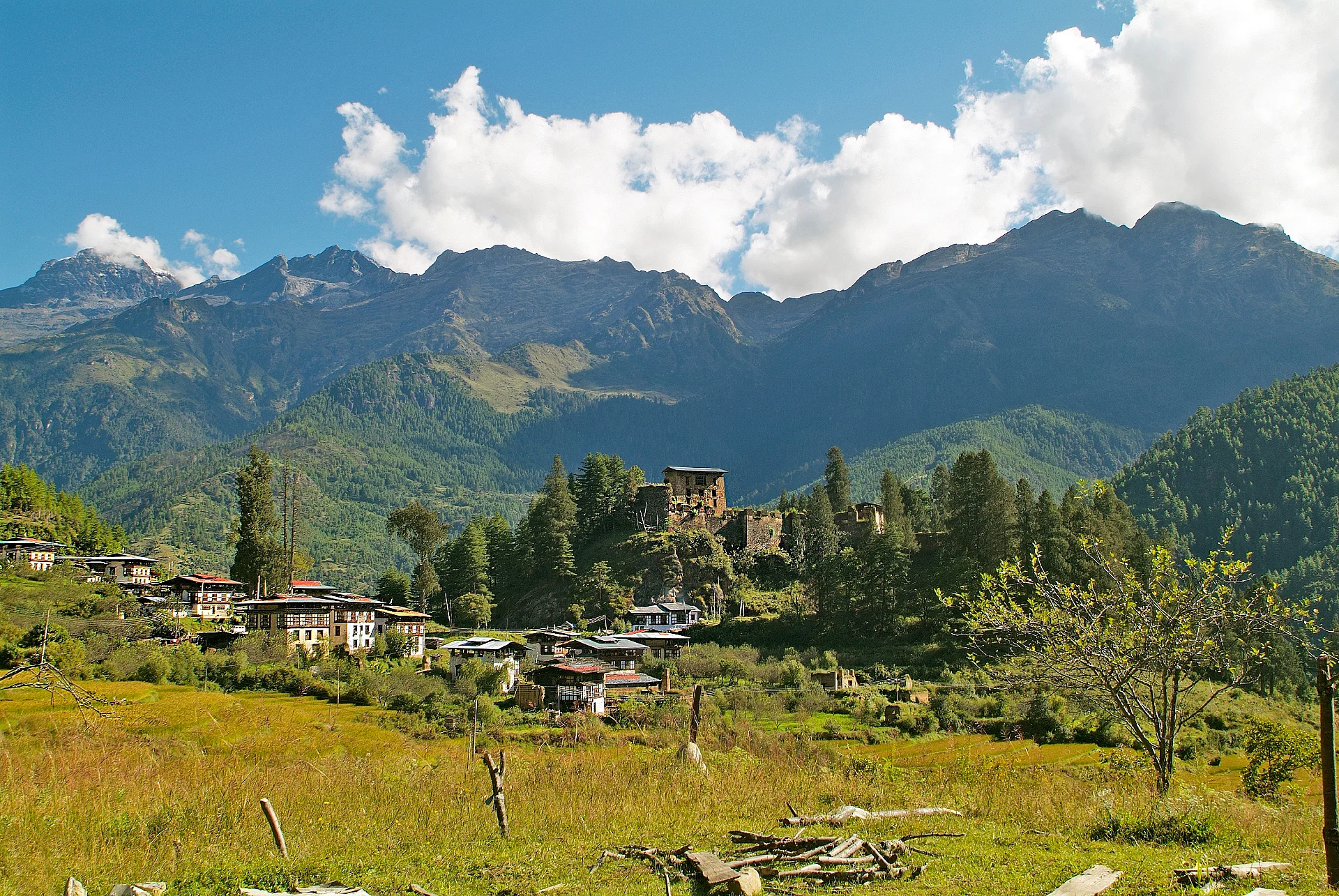
Imagine a country where towering peaks loom over quiet monasteries. Welcome to Bhutan, a destination combining pristine nature and deep-rooted Buddhist culture for travelers looking to step away from the usual tourist trail.
Is this destination right for you?
Bhutan draws travelers searching for peace, meditation, and striking mountain landscapes. However, its sustainable tourism policies and higher daily costs mean it requires a real financial commitment.
Best suited for:
- Travelers interested in meditation and spiritual growth
- Hiking enthusiasts and nature lovers
Not recommended for:
- Budget-conscious backpackers
- Beach vacation enthusiasts
Budget planning for Bhutan
| Activity | Location | Duration | Budget |
|---|---|---|---|
| Dzong exploration | Paro and Thimphu | 3 days | $560* |
| Hiking and spirituality | Jomolhari Trek | 7 days | $1,680* |
| Cultural festival | Thimphu | 2 days | $340* |
| Complete tour | Countrywide | 10 days | $3,920* |
Indicative rates subject to change
Practical realities
Bhutan has a limited transportation infrastructure with winding but well-maintained roads. The climate ranges from subtropical in the valleys to alpine in the high mountains, making some drives adventurous, particularly during the monsoon season.
Is it safe to travel in Bhutan?
Bhutan is exceptionally safe for visitors. Deep respect for Buddhist traditions creates an atmosphere of peace and order. Travelers should remain cautious on mountain roads and prepare properly for high altitudes.
Friendly tip: Always pack a warm jacket, even in summer. Temperatures drop quickly at higher elevations, especially after sunset.
Hiking: In the heart of Bhutanese nature
The Jomolhari trek is a major highlight for serious hikers, taking you through dramatic landscapes and remote mountain settlements. The hike up to the legendary Taktshang monastery, perched high on a sheer cliff face, is another must-see, offering sweeping views over the Paro valley.
Friendly tip: Plan your hikes for spring or autumn. The trails are clearer and the mountain views are much sharper.
Culture and spirituality: The soul of Bhutan
Attending a religious festival provides direct insight into local traditions. Tsechus, such as the one in Thimphu, are colorful gatherings featuring masked dances that retell ancient folklore. Visit the Dzongs, massive fortress monasteries that serve as the administrative and spiritual centers of each district.
Flora and fauna: A natural sanctuary
Jigme Dorji National Park protects a remarkable variety of wildlife. You might spot the takin, the country's unusual national animal, or even catch sight of a snow leopard. Nature photographers will find endless subjects across these protected ecosystems.
Rural life: Visiting traditional villages
In the remote mountain valleys, daily life moves at a much slower pace. The villages of Haa and Bumthang offer an authentic look at rural Bhutanese households, traditional farming, and ancient crafts.
Bhutan on your plate: Spicy and comforting flavors
Bhutanese cuisine makes generous use of chili peppers. ema datshi, a national dish made of melted cheese and fiery chilies, appears on almost every menu. You will also find momos, stuffed dumplings popular throughout the mountain regions. Be sure to try butter tea, a salted tea beverage designed to keep the cold at bay.
When to visit Bhutan?
The best months to visit Bhutan are March through May and September through November, when the weather is clear and the valley flowers are in bloom. Avoid the summer monsoon season from June through August, when heavy rains can disrupt travel plans.
How to get to Bhutan?
Getting to Bhutan requires connecting flights through regional hubs. Regular flights operated by Druk Air and Bhutan Airlines connect Paro, the country's only international airport, to cities like Bangkok, Delhi, and Kathmandu. Flying from the US involves at least one Asian layover and takes around twenty hours of total travel time. You will need a pre-arranged visa, which is typically handled directly by your tour operator.
How to get around Bhutan?
The most practical way to explore Bhutan is by booking a guided tour package, which includes a private vehicle and driver. Public transportation options are limited, and point-to-point travel times are longer than the mileage suggests due to the mountainous terrain.