
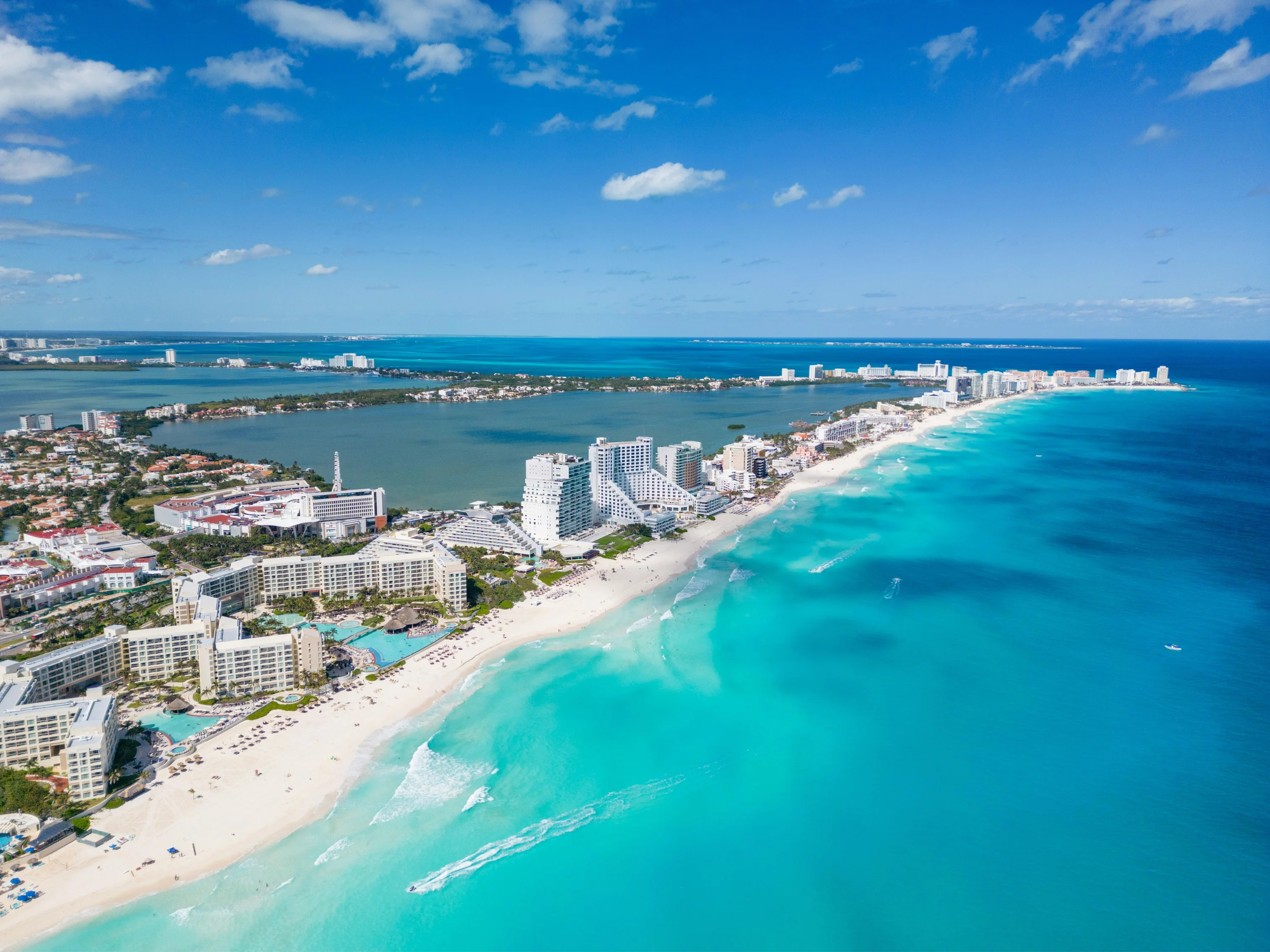
Cancun, a deep dive between two worlds
Forget the sound of cocktail shakers and neon club signs for a moment. Listen instead to the wind through the Maya ruins at sunrise and the gentle lapping of water in a secret underground cave. Beyond its rowdy reputation, this city on the Yucatán Peninsula is a dual gateway. One side opens to the most dramatic beaches in the Caribbean, while the other leads to the mysteries of a thousand-year-old civilization.
Cancun, a mix for every traveler?
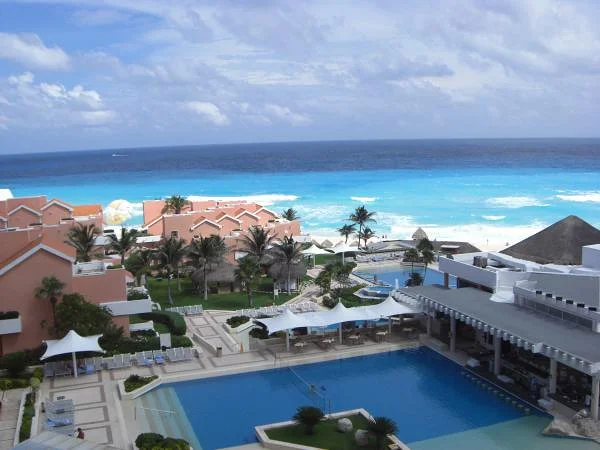
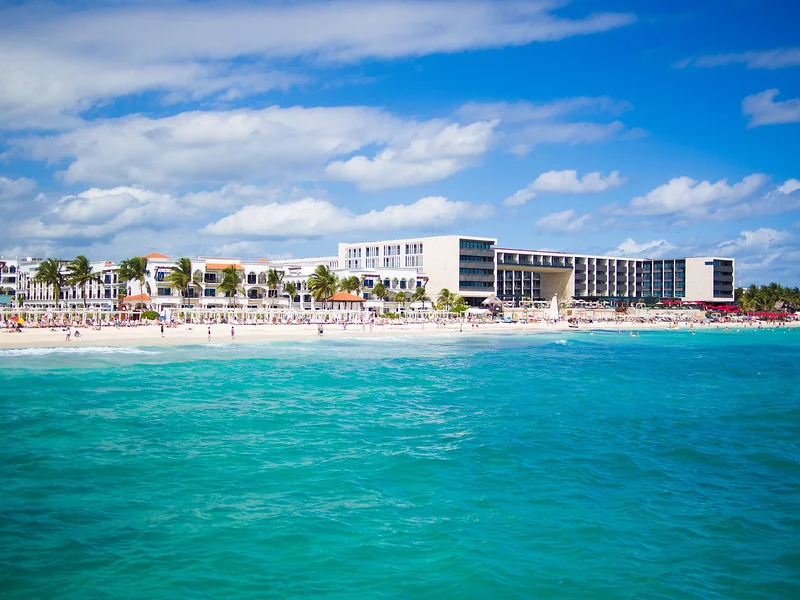
Cancun is a chameleon. It works for relentless party-goers hitting the legendary clubs of the Hotel Zone and families looking for the turnkey convenience of all-inclusive resorts. If you are here to lounge, you will find miles of white sand bordered by water so turquoise it looks filtered. It is a frictionless destination where everything is designed with the visitor in mind, particularly those from the US.
However, if you are looking for an authentic Mexican immersion and prefer to avoid the crowds, the Hotel Zone might let you down. Costs there are significantly higher, and the local culture feels thin. For a more traditional experience on a smaller budget, head to the city center or venture further down the Riviera Maya.
Getting between sites usually requires buses, taxis, or a rental car.
The Hotel Zone: 20 kilometers of Caribbean dream
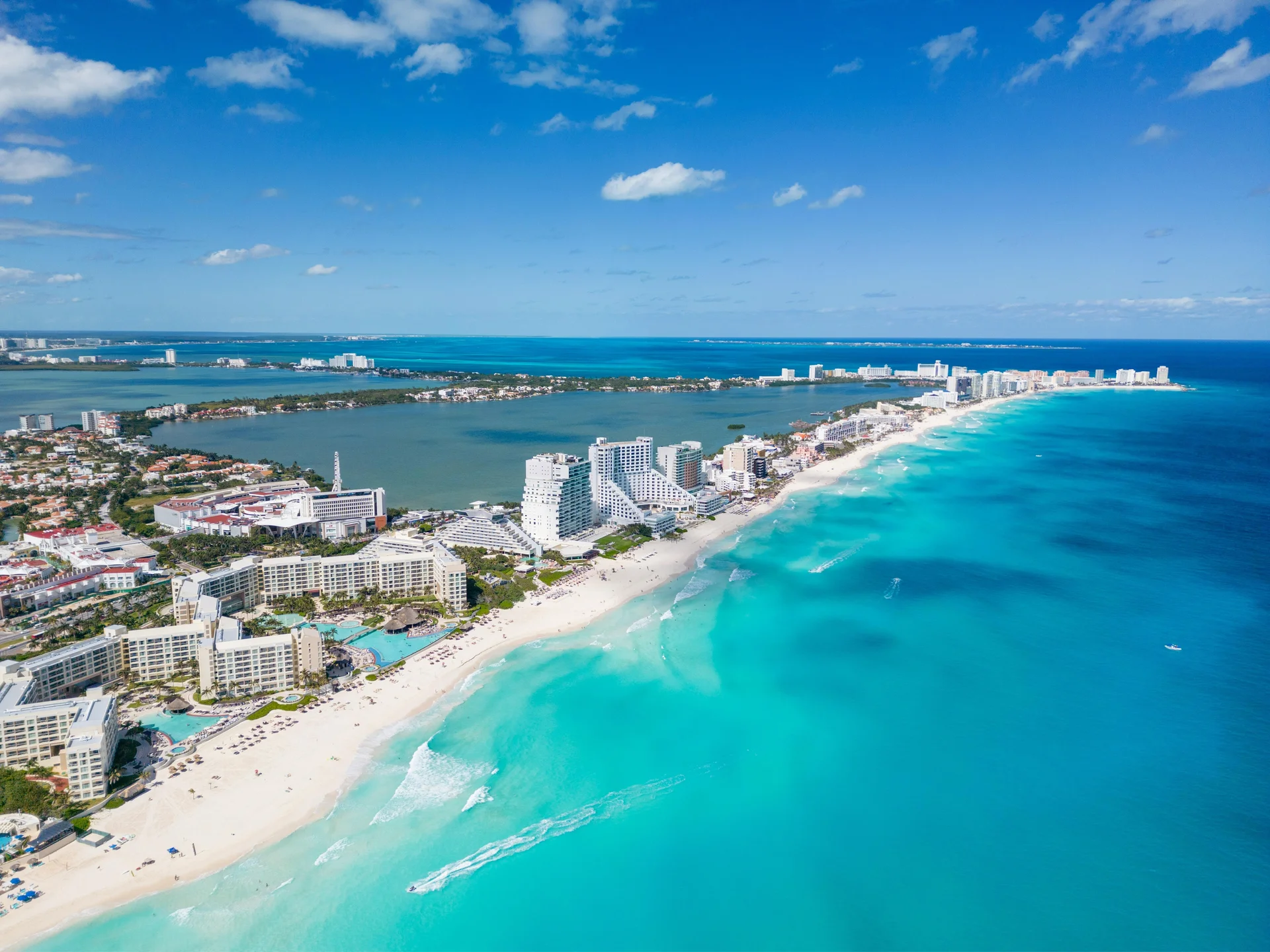
Picture a long ribbon of pristine sand squeezed between the blue of the Caribbean Sea and the green of the Nichupté Lagoon. This is where you will find the massive resorts, upscale restaurants, shopping centers like La Isla, and world-famous clubs like Coco Bongo. It is the most recognizable, high-energy face of the destination.
The beaches are beautiful, though many are fronted by hotels. Playa Delfines, with its famous colorful sign, is one of the best public beaches and offers an unobstructed view. It is the spot if you want direct ocean access and nightlife within walking distance.
Local tip: Use the public buses (lines R-1 and R-2) that run through the Hotel Zone 24/7. It is a safe and very cheap way to navigate the entire length of the strip, allowing you to bounce from beach to restaurant to club without relying on taxis.
The City Center (El Centro): a breath of authenticity
A few miles from the tourist bubble, the city center offers a completely different vibe. Avenida Tulum is the main artery, but the real heart beats around Parque de las Palapas. In the evening, local families gather here to grab street food and watch impromptu performances.
This is where you will find local markets like Mercado 28, a colorful maze where you can hunt for crafts, silver jewelry, and souvenirs that feel much more genuine than those in the Hotel Zone. It is a great way to get a taste of Mexican life, far from the standardized resorts.
Local tip: For a local food experience, pull up a stool at a downtown taqueria. Try the real tacos al pastor, with marinated meat carved straight from the vertical spit. They are delicious, fast, and very affordable, often costing around 20-30 MXN (about $1-2) per taco.
At the gates of Cancun: cenotes and Maya ruins
The region's greatest treasure might be outside the city. The Yucatán Peninsula is honeycombed with thousands of cenotes, natural freshwater sinkholes once considered sacred by the Maya. Swimming in their crystal-clear water is a highlight. The Ruta de los Cenotes, near Puerto Morelos, clusters several together for a perfect day trip.
A trip here is incomplete without visiting the archaeological sites. While the massive Chichén Itzá is the big draw, the ruins of Tulum, perched on a cliff overlooking the sea, provide a unique backdrop. Closer to home, the El Rey site, located right in the Hotel Zone, is an easy and surprising cultural detour.
Local tip: For Maya sites like Chichén Itzá or Tulum, leave as early as possible in the morning. You will beat the punishing midday heat and the tour buses that arrive in force around 10:00 AM.
Where to eat and drink in Cancun?
Yucatán cuisine is rich and flavorful. Beyond tacos, try the cochinita pibil, a pork dish marinated in bitter orange juice and achiote, then slow-cooked in banana leaves. The seafood is also excellent, especially the ceviche, fresh fish cured in lime juice. For an authentic experience, explore the small downtown restaurants or the stalls at Mercado 23.
Where to stay in Cancun and the surroundings?
Your choice depends entirely on your travel style. The Hotel Zone is perfect if you want the comfort of large resorts with private beaches and easy nightlife access. The City Center (El Centro) offers more budget-friendly hotels and a local feel, ideal for travelers looking for authenticity. For a quieter alternative, look toward Puerto Morelos or Isla Mujeres, a charming island just a short ferry ride away.
How to get and get around in Cancun?
Cancun International Airport (CUN) is one of the largest in Mexico and has excellent connectivity. To reach your hotel, you can use shuttles, ADO buses, or taxis. Within the Hotel Zone and to the city center, the bus network is efficient and cheap. To explore the region, like the cenotes or ruins, renting a car offers the most freedom, though many organized group tours are also available.
When to go?
The best time to visit is from November to May, during the dry season, which offers plenty of sunshine and comfortable temperatures. It is the ideal time to enjoy the beaches and excursions. The period from June to October is the rainy season, which is hotter and more humid, with a higher risk of tropical storms in September and October that are best avoided.

Cancun is a city where you can party, even excessively, just as it is possible to spend your day visiting or admiring fabulous sites. Or you can also enjoy the heavenly beaches. In other words, there is something for everyone.