
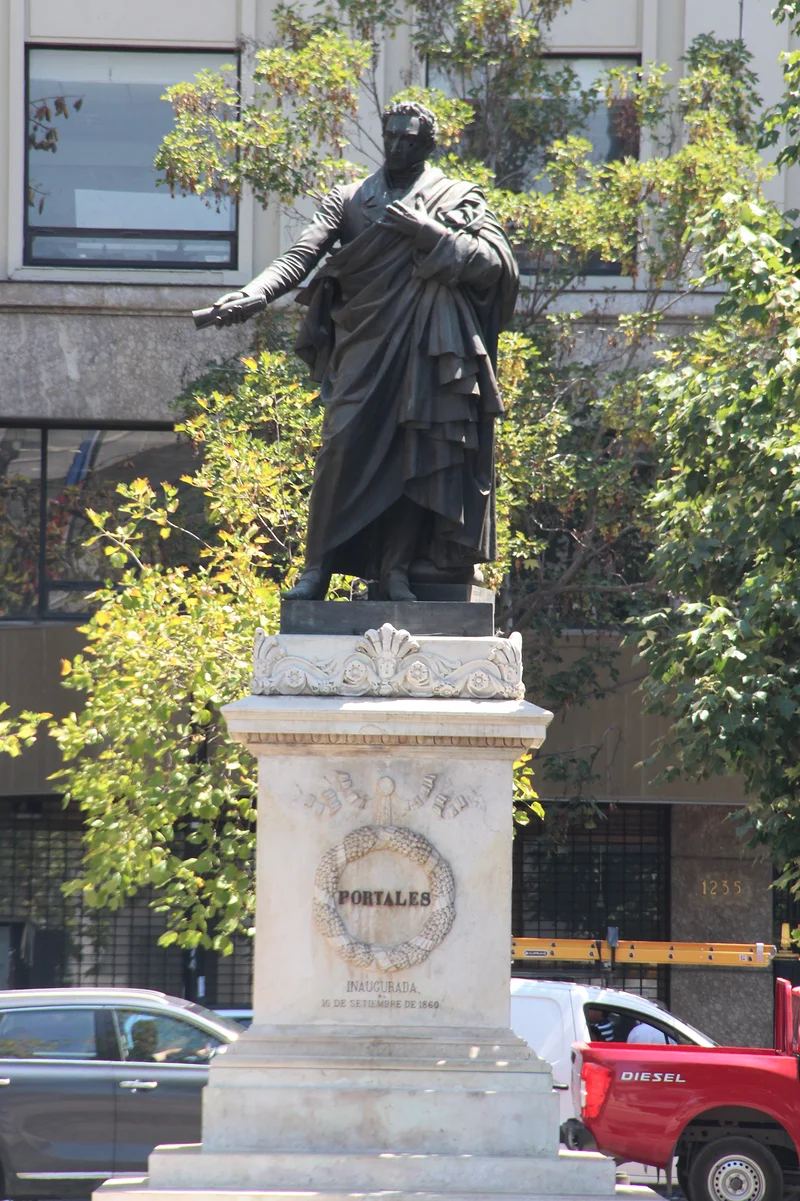
Visiting Santiago, Chile
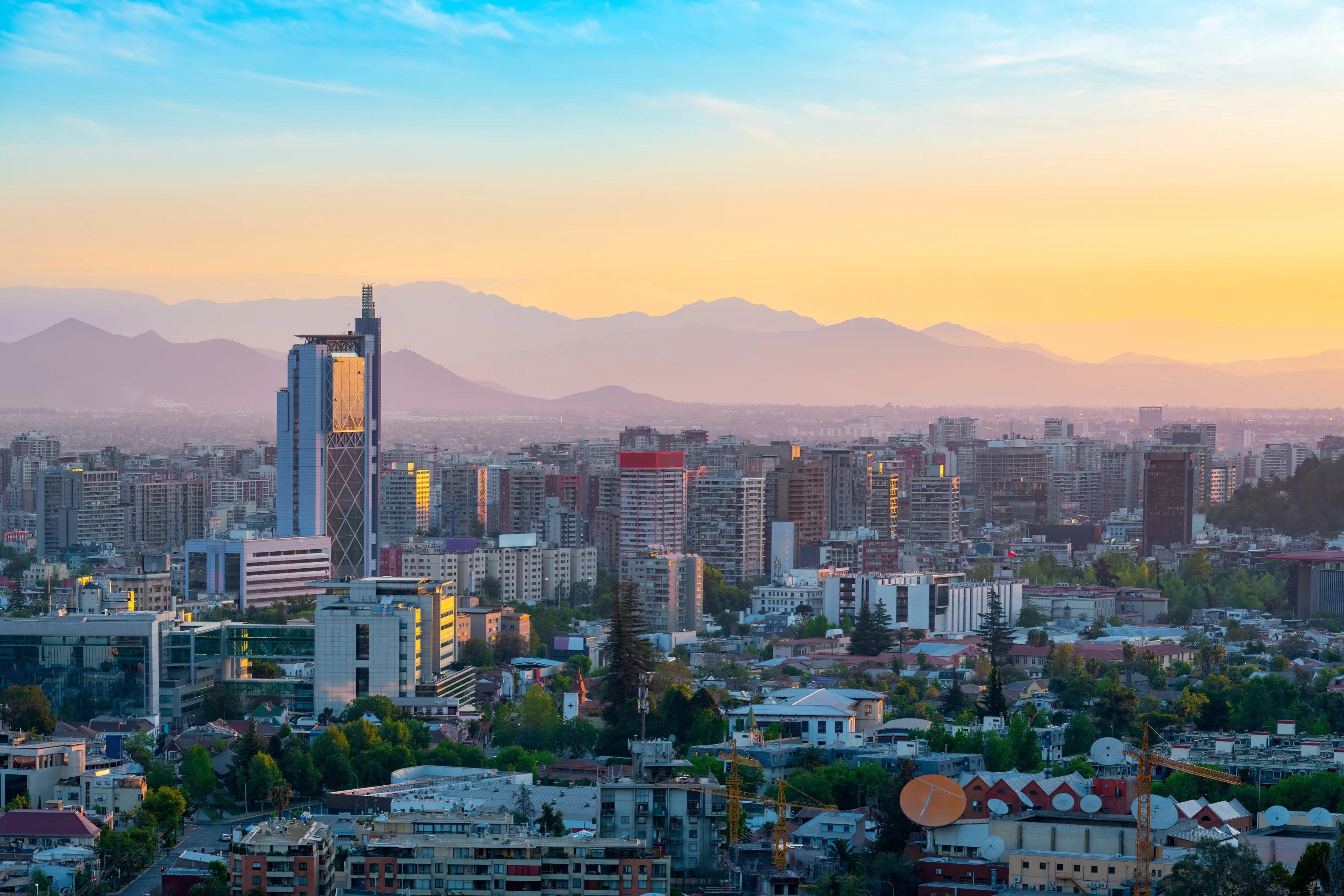
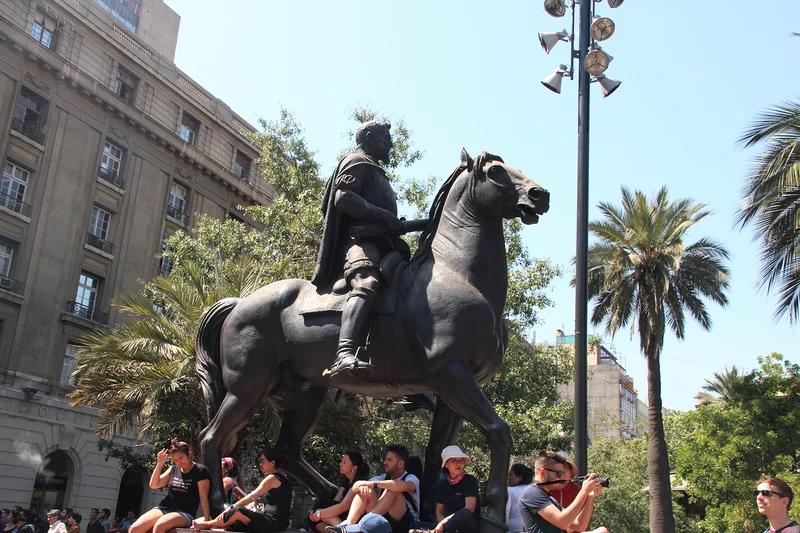
As the capital of Chile, Santiago is home to roughly 5 million people. The city was founded in 1541 during the colonial era by Pedro de Valdivia, centered on what is now the Plaza de Armas, the city's institutional heart. The population surged at the end of the 20th century as people moved from rural areas to the city seeking better opportunities. The metropolis is split by the Mapocho River, which is flanked by green spaces like Parque Forestal and the Parque de las Esculturas, where you can find 40 sculptures created by prominent Chilean artists.
Central Neighborhoods in Santiago
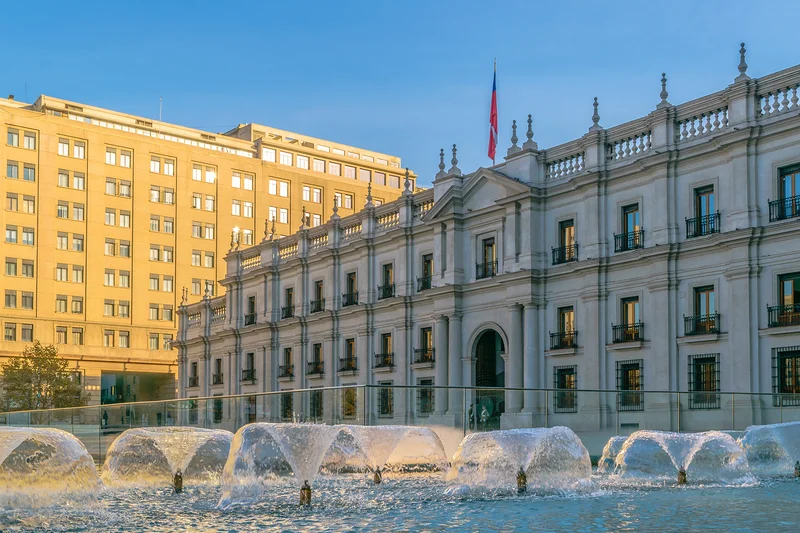
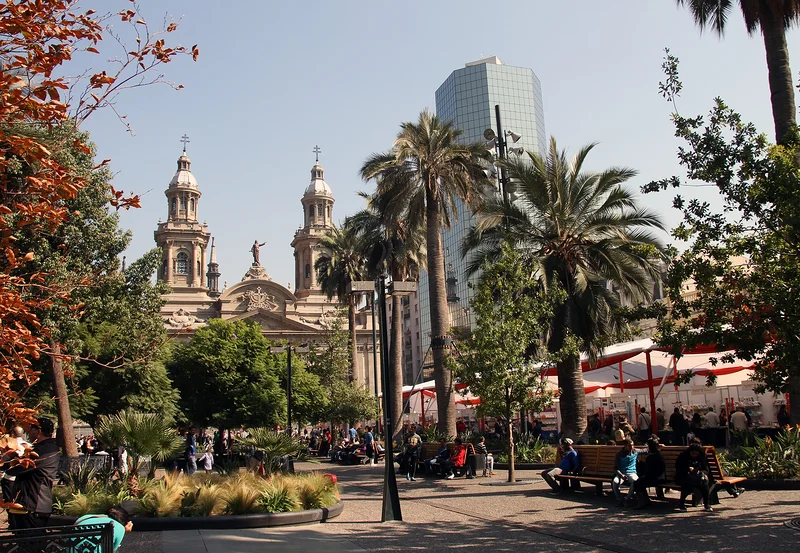
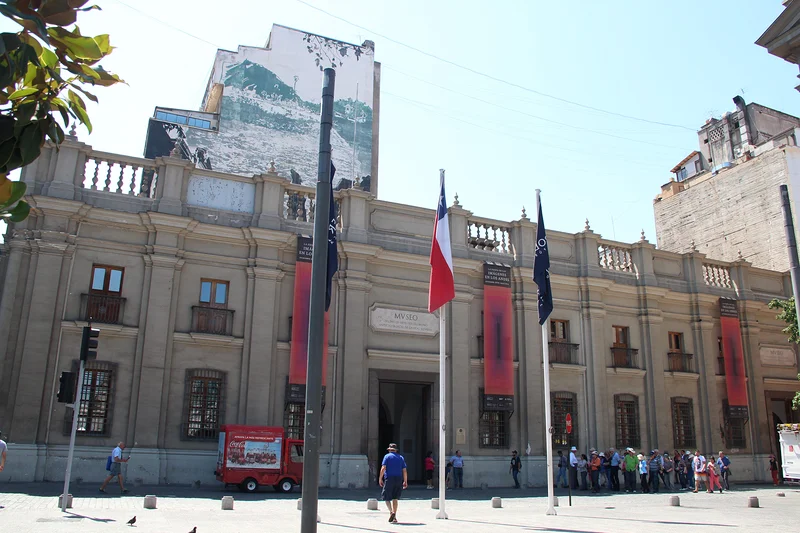
Start your walk at the city's main square, the Plaza de Armas. This is where you will find the Metropolitan Cathedral of Santiago, a neoclassical structure, alongside museums such as the Museo Histórico Nacional, which covers Chile's colonial and republican history. Nearby, the Museo de Arte Precolombino is essential for its collection of ceramics, sculptures, and textiles from various pre-Columbian cultures. Finally, do not miss the Palacio de la Moneda, the seat of the Chilean government, located just a few blocks away.
The Lastarria neighborhood, or the Fine Arts district, is another staple of the capital. After stopping by the Museum of Fine Arts, enjoy the energetic, colorful vibe around Cerro Santa Lucia, which frequently hosts local sports and cultural events.
San Cristobal Hill and Surroundings
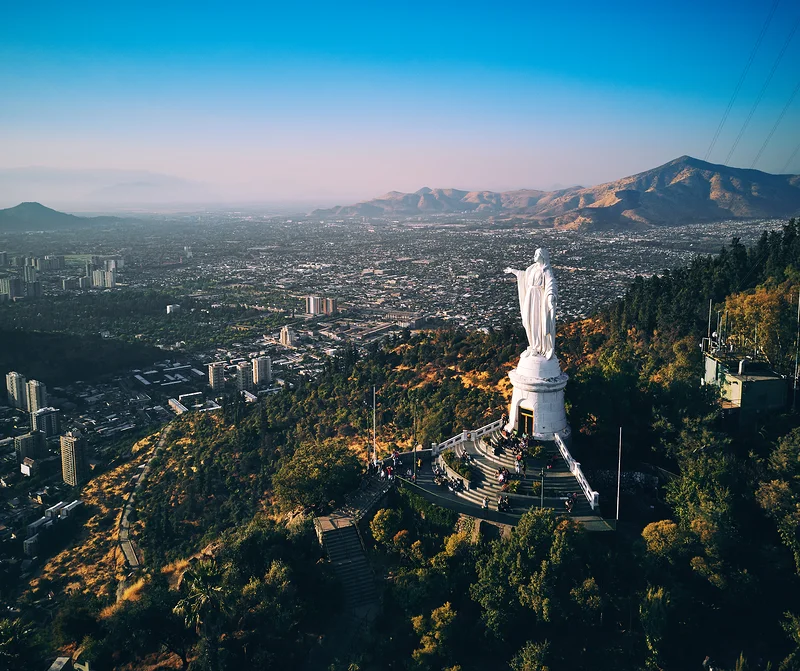
To see Santiago from above, head to San Cristobal Hill, which encompasses the largest urban park in Chile, covering 722 hectares. It is accessible to everyone, and you can choose to hike up or take the funicular. At the summit, you will find a statue of the Virgin Mary, crafted in 1908 by Mathurin Moreau. Pope John Paul II held a mass here in 1987. The area around San Cristobal also includes a zoo and a botanical garden.
At the base of the hill, make time for the bohemian neighborhood of Bellavista, a hub for artists filled with street art, bars, and boutiques. Nearby, you will find La Chascona, one of the homes of Chilean poet Pablo Neruda, which still displays his original furniture and decor.
For those looking to get even higher, head to the eastern side of the city to tackle the Gran Torre de Santiago. It is the tallest skyscraper in South America at 300 meters, offering an aerial view of the entire valley.
The Legacy of the Pinochet Dictatorship
If you want to understand the period of the Chilean dictatorship between 1973 and 1990, visit the Museum of Memory and Human Rights. The institution commemorates the 40,000 victims of the Pinochet regime and details the major political and military turning points of that era.
When to Go
The best time to visit Santiago is from November through April.
Getting There
Fly into Santiago de Chile Airport.
Getting Around
Once you are in the city, the metro and bus network is efficient and reliable, capable of taking you just about anywhere in the metropolitan area.
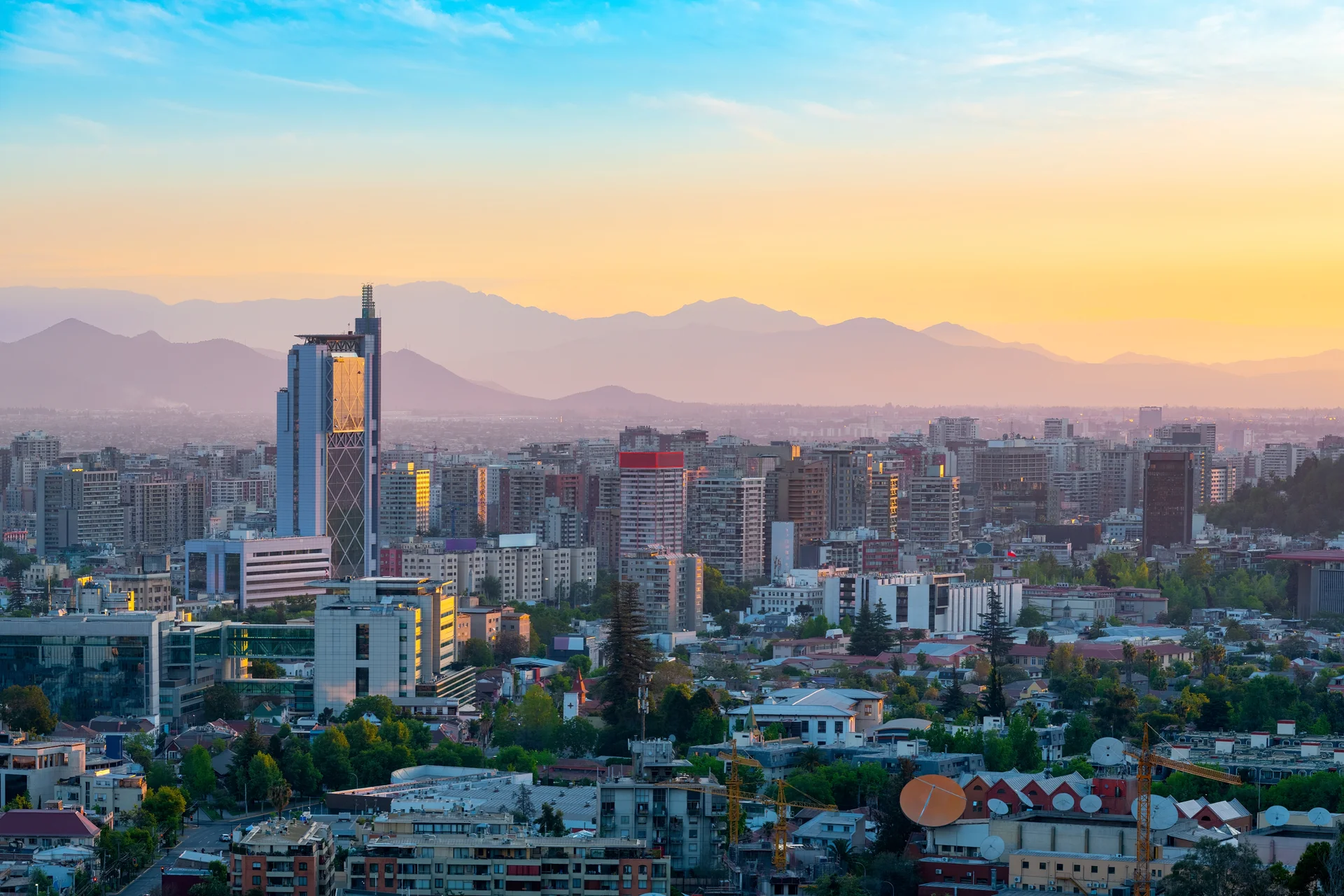
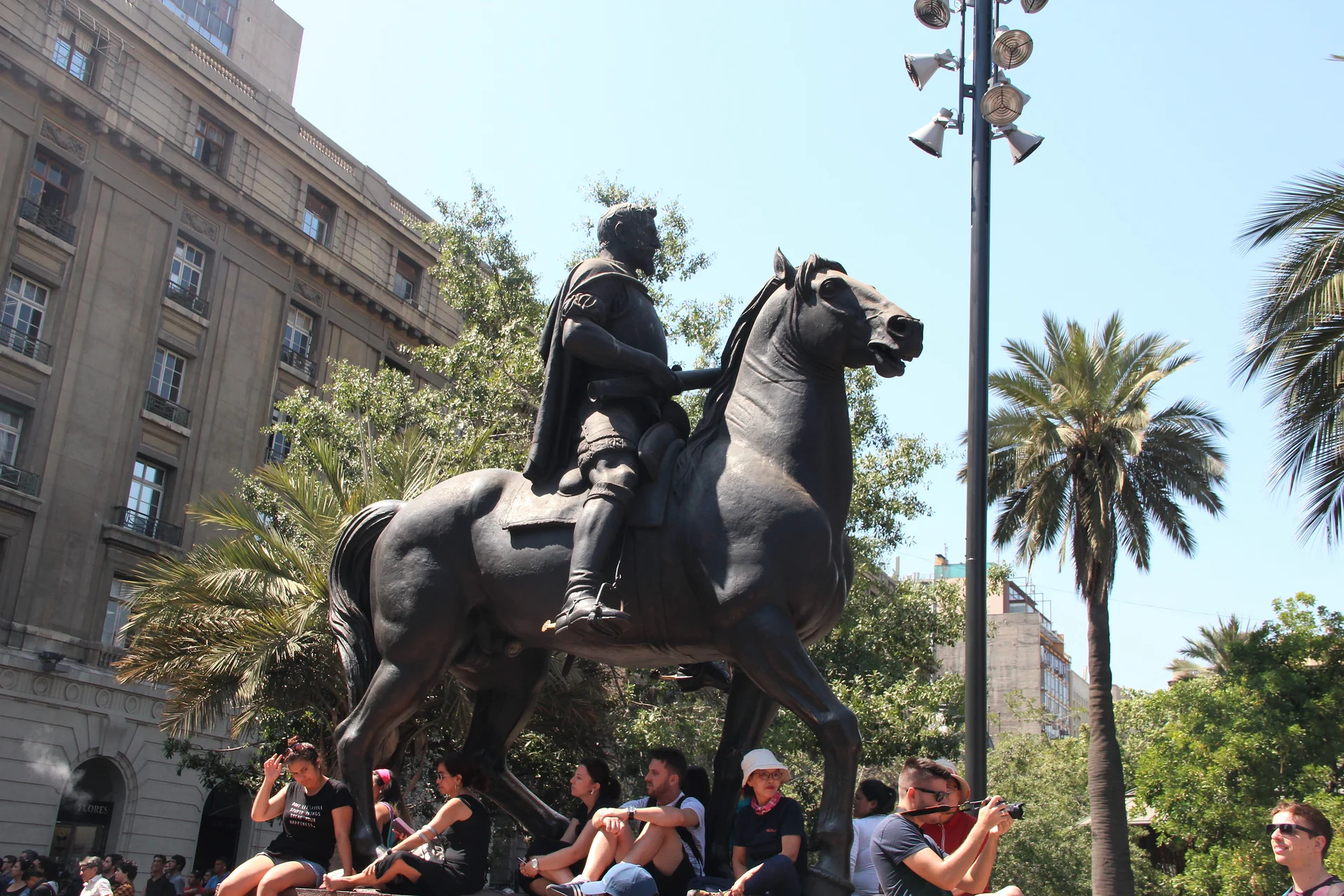
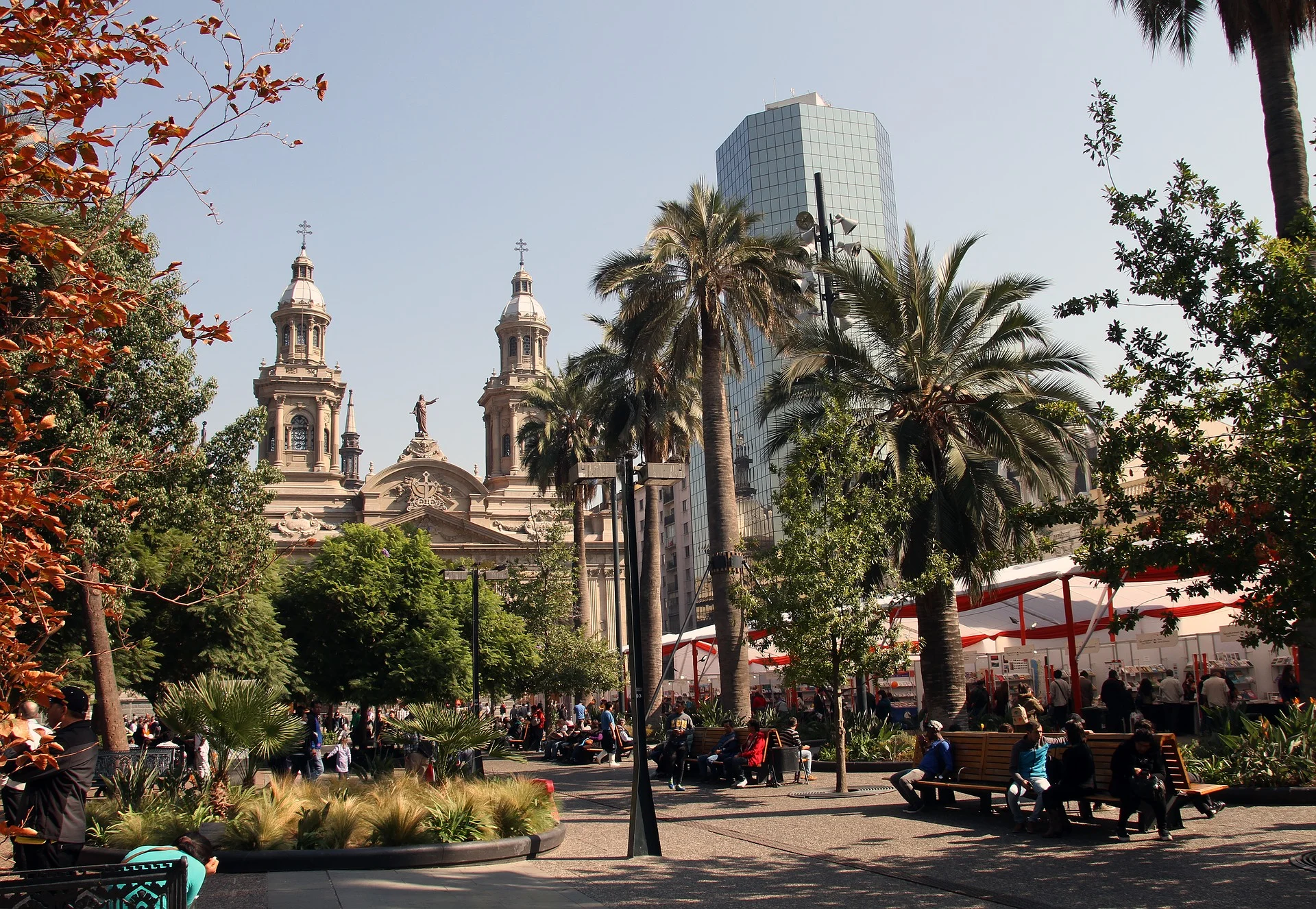
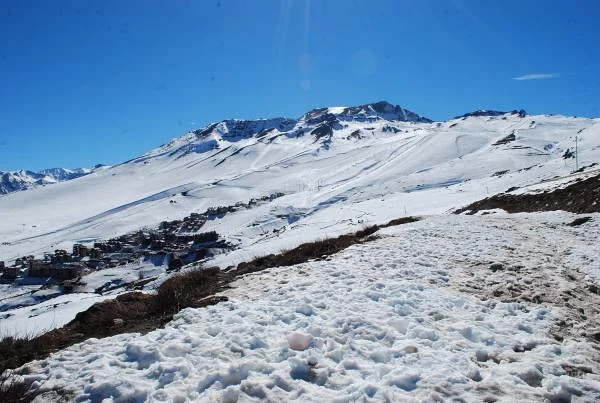
Santiago is big, really big even. Nestled in the Andes Mountains, there is so much to do and see. Great museums that are rich and varied, beautiful monuments including the Metropolitan Cathedral which is incredible from the outside or the inside, and so many green spaces like Bernardo O'Higgins Park. Sure, as mentioned in the other post, there is a striking disparity between the rich and poor neighborhoods, but it is not the most glaring here in Santiago. Even if it is sad. As for the downside, despite the police in tourist areas, muggings are regular. I was unfortunately a victim and spent two nights in the hospital. Anyway, that could happen anywhere, so I still enjoyed my stay.