
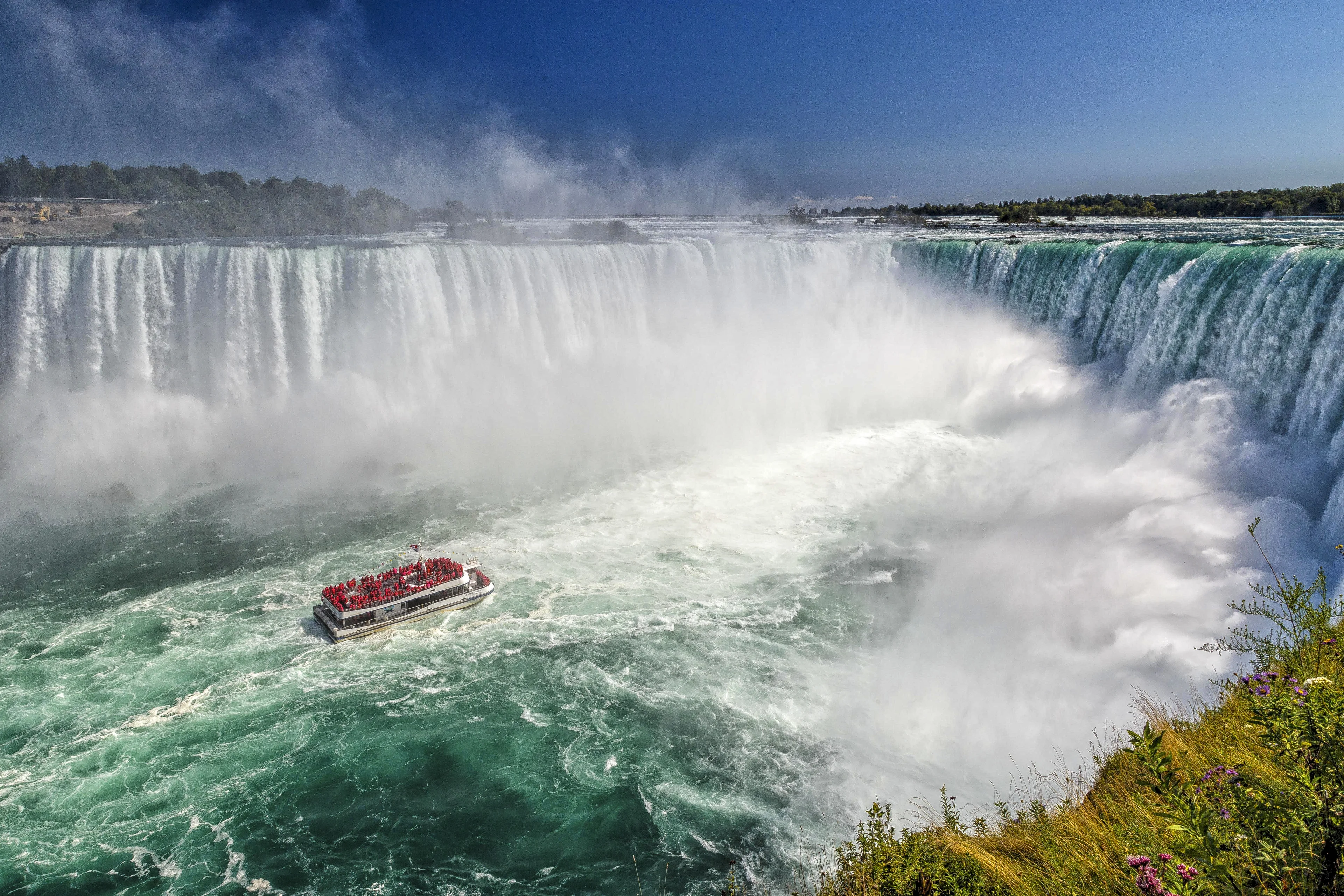

Niagara Falls at a glance
Niagara Falls is a name that carries weight. It is the kind of place that lives up to the reputation, leaving a lasting impression on anyone who stands at the railing. The sheer scale of the water moving here is difficult to process until you are looking right at it.
Spectacular dimensions
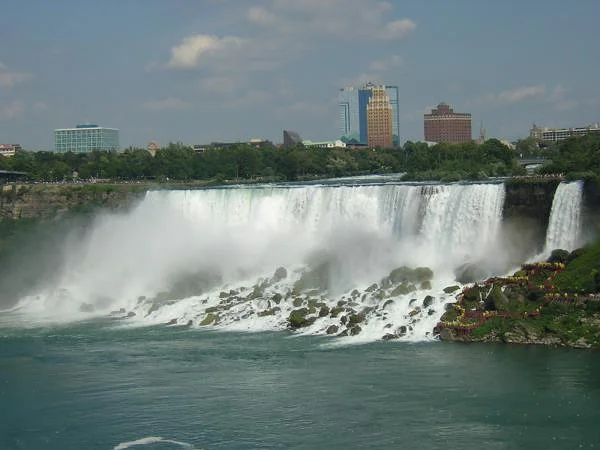
The falls straddle the border between the United States and Canada. They are defined by massive proportions: 675 meters (2,214 feet) long and 54 meters (177 feet) high, with more than 6.8 million liters (1.8 million gallons) of water pouring over the edge every minute. The flow rate is 2,800 cubic meters (98,880 cubic feet) per second, which is the highest in North America. The site is divided into three sections: the American Falls, the Horseshoe Falls on the Canadian side, and the Bridal Veil Falls. They sit on the Niagara River, which connects Lake Erie and Lake Ontario, and are shared by the twin cities of Niagara Falls, Canada, and Niagara Falls, New York.
On foot, by boat, or by helicopter
While they may not hold the record for the tallest falls in the world, the power and width of this natural wonder are jarring. You can view them on foot via the paths that line the water, or take a boat to get close enough to feel the spray. If you have the budget, helicopter tours offer a view from above. While some of the best pedestrian vantage points require an entry fee, the scenery justifies the cost. The Canadian side of Niagara Falls is widely considered to offer the more complete, panoramic view compared to the American side.
Bring a rain jacket
During the summer, the falls are illuminated every night until midnight. The way the light hits the cascading water is a spectacle. Even if the local weather feels warm, pack layers and a rain jacket. The force of the water creates a constant, cool mist that will soak you quickly. Once you have seen the falls, do not spend too much time in the city of Niagara Falls itself, as it is largely geared toward kitschy tourism. Instead, head out to explore the rest of Ontario, where you will find nature reserves, vineyards, and hiking trails.
When to go
The best time to visit is during the warmer months, from May through September or October. The water flow is strong, and the sunlight often creates rainbows within the mist. Avoid the period from December through March, when temperatures frequently drop below freezing.
Getting there
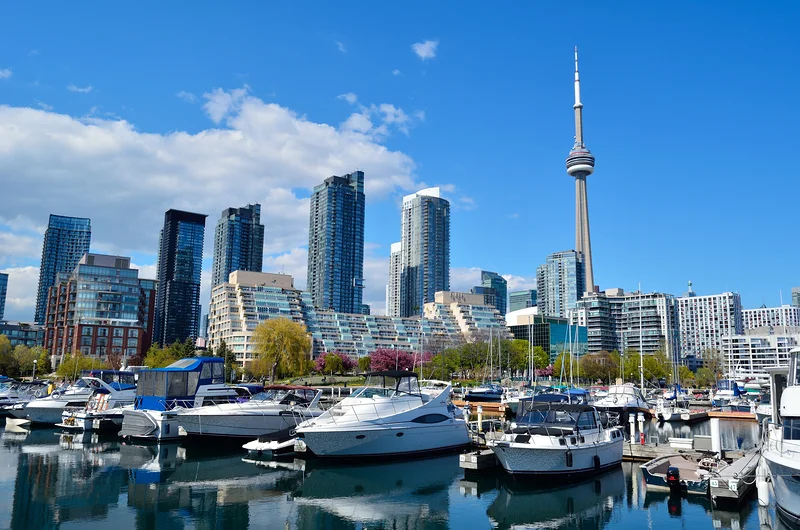
Most travelers arrive from Toronto, which is about 120 kilometers (75 miles) away. From there, you can rent a car or book a seat on a bus. The trip takes about 1 hour and 40 minutes and will cost around 30 CAD (about $22) round-trip with major coach lines. You can also opt for a guided group day trip.
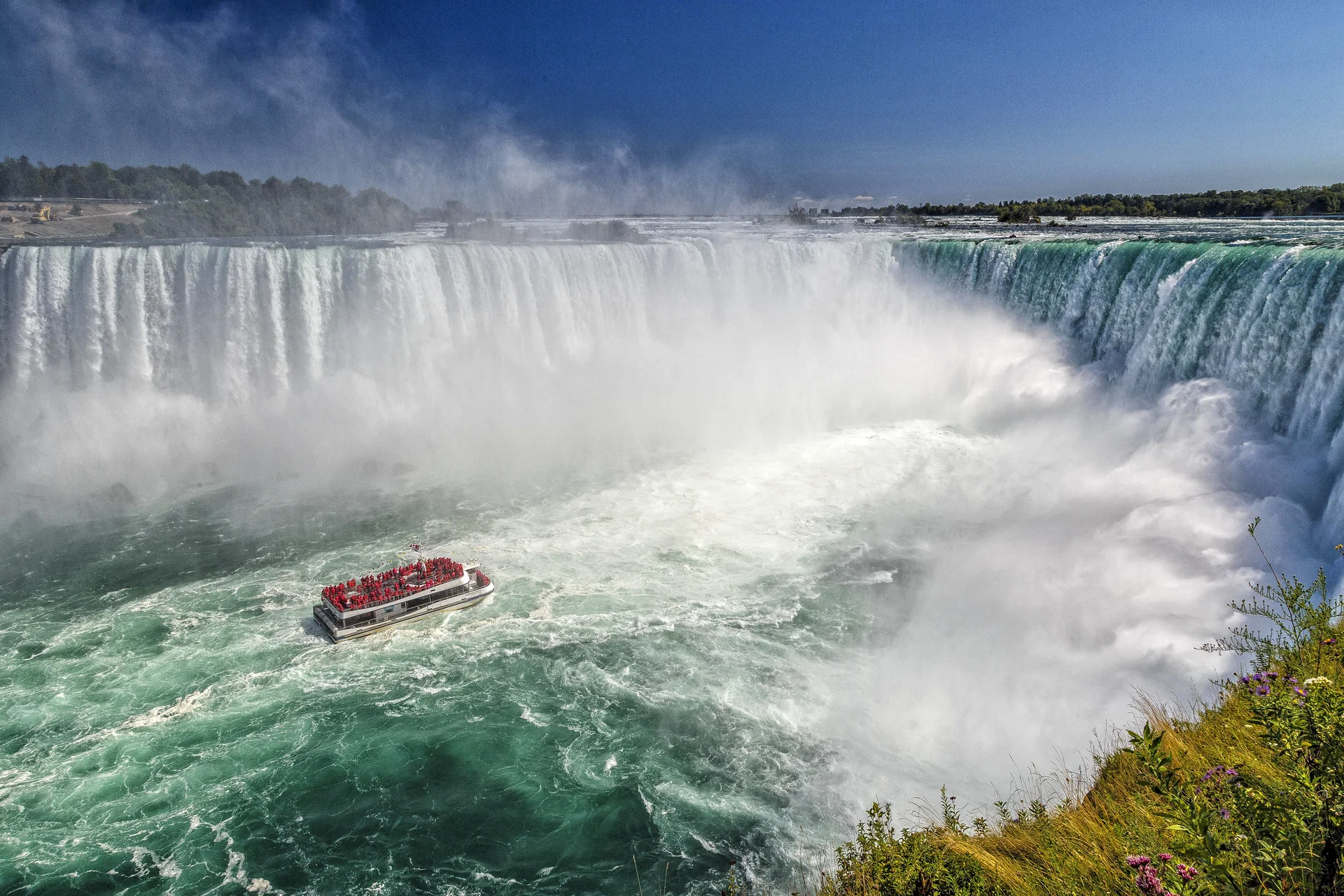
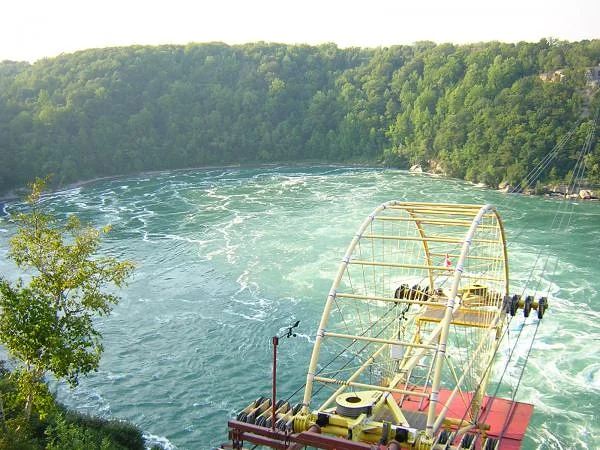
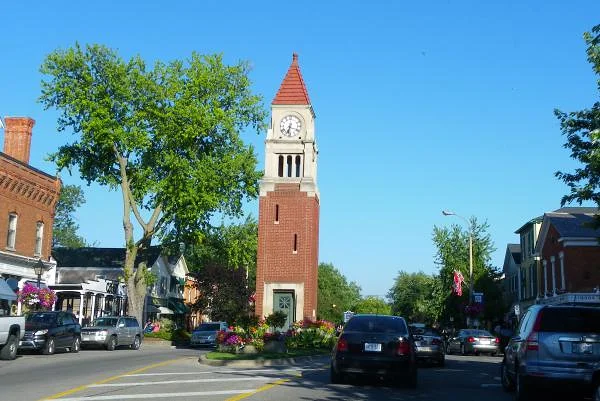
This city was designed just to live off the money of tourists coming to visit Niagara Falls. Not much of interest here on its own, compared to other places. Don't spend more than one night, maybe even less, since there are tours to see the falls that go back and forth in a single day from nearby big cities, especially Toronto.