

Toronto, the metropolis of 150 neighborhoods
More than half of Toronto's residents were not born in Canada. That one statistic tells the whole story. In this metropolis of six million, every street tells a different story and every neighborhood speaks a new language. You can cross Chinatown in ten minutes, land in Little Italy, and then veer off toward Kensington Market, where the scent of Caribbean spices mingles with the aroma of Montreal-style bagels.
This city, often called a mini New York, possesses a personality all its own. It has a passion for ice hockey, the rhythmic clatter of the 501 streetcar running from east to west, and that Canadian politeness that always catches Americans off guard.
Is this city for you?
Toronto is a great fit for travelers curious about cultural diversity, museum and musical theater lovers, and those who enjoy switching between urban energy and nature escapes on the Ontario lake islands. The city also appeals to families with its numerous parks, a massive aquarium, and outdoor events.
On the other hand, if you are looking for an ancient city with centuries of architectural heritage, opt for Quebec City instead. Toronto is a modern city built vertically, where skyscrapers dominate the horizon. Those looking for tropical beaches will be disappointed. Lake Ontario has pleasant coves, but they are far from turquoise waters. As for getting around, the city is massive and commutes can be long, even on public transit.
Budget: watch your wallet
Toronto is one of the most expensive cities in Canada. Expect to pay at least 120-200 CAD ($85-145) per night for a 3-4 star hotel downtown, and at least 25-40 CAD ($18-30) for a restaurant meal. Attractions like the CN Tower or the Ripley's Aquarium cost between 30 and 45 CAD ($22-33) per adult.
Downtown and its soaring towers
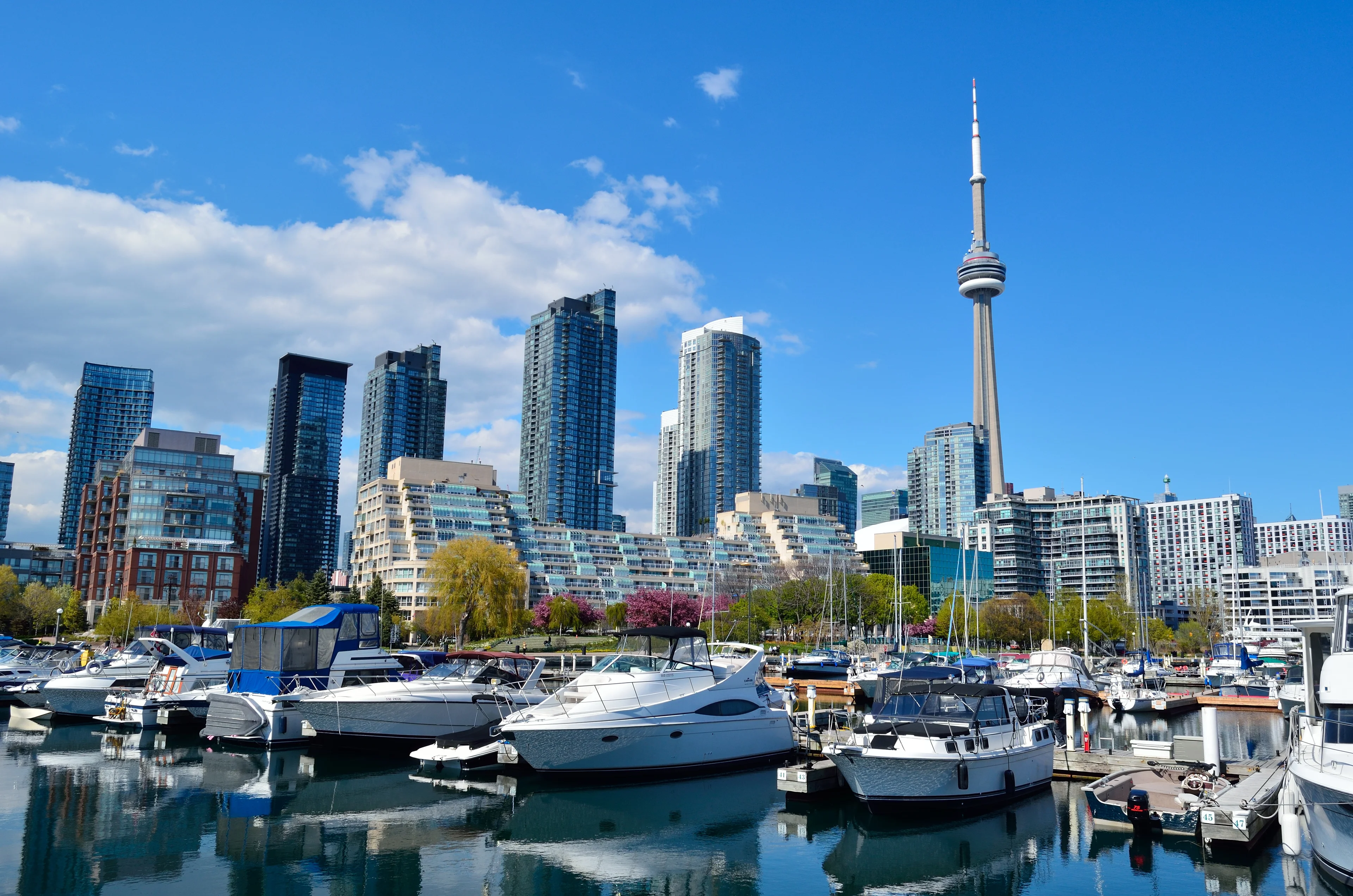
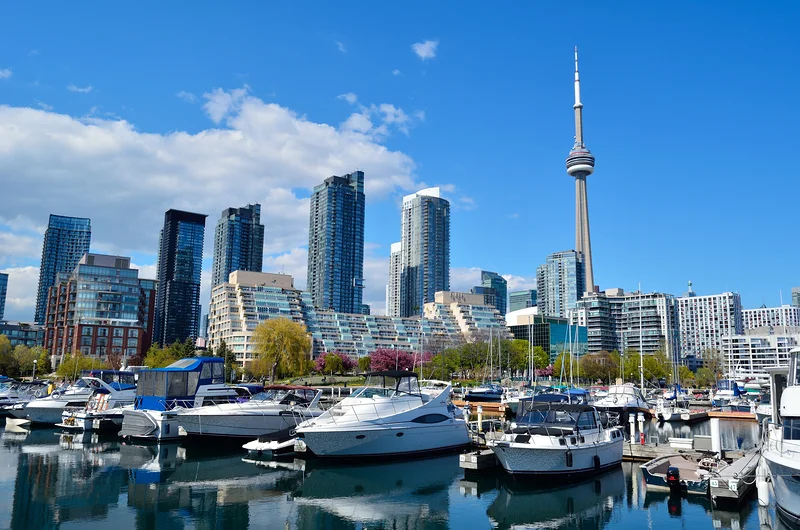
It is impossible to avoid the CN Tower. Its 1,815-foot height dominates the skyline and offers a view over the city and the lake. For adrenaline junkies, the EdgeWalk offers a hands-free walk on the outer ledge of the tower. The experience is pricey, but unforgettable.
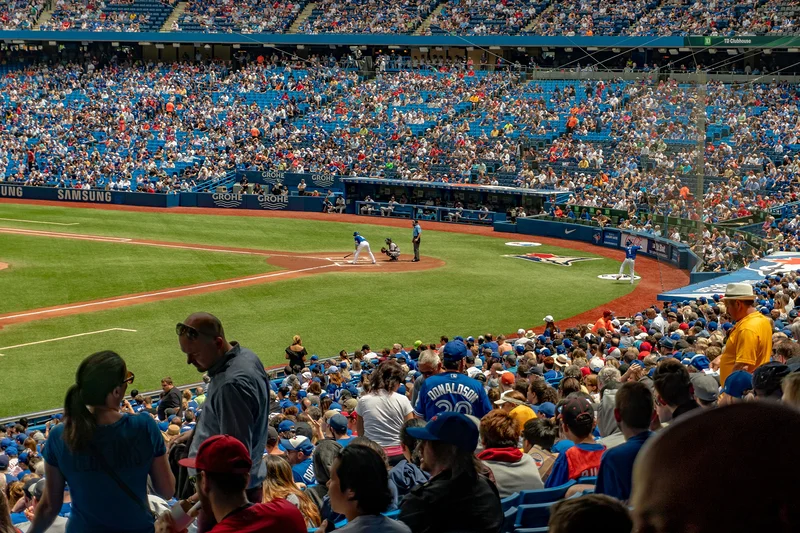
A few steps away, the Rogers Centre hosts Blue Jays baseball games under its retractable roof. The high-energy atmosphere in the stands is worth the trip, even for non-fans. For a free view of the city, head to the bar at the Canoe restaurant on the 54th floor of the TD Centre instead.
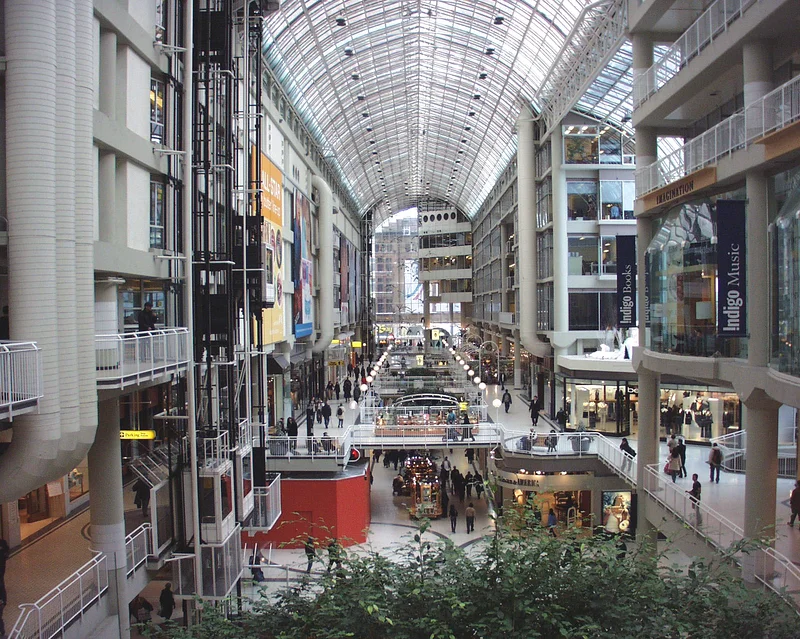
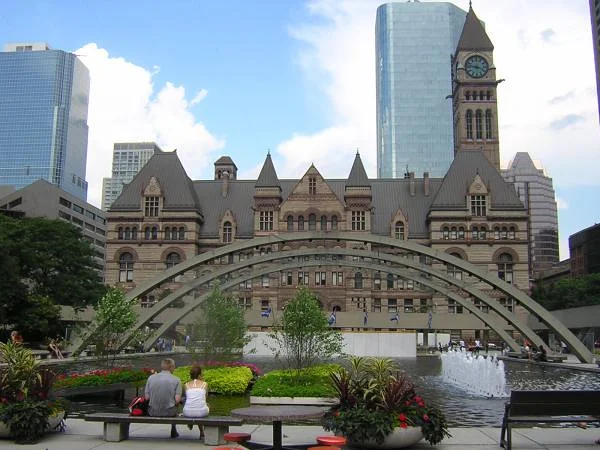
Nathan Phillips Square offers a pleasant walk in the evening, with the old and new city halls as a backdrop. In winter, its outdoor skating rink lights up under the arches. The nearby Eaton Centre, inspired by the Galleria Vittorio Emanuele in Milan, is impressive for its massive glass ceiling.
Pro tip: get to the CN Tower right at opening, around 9 AM, to avoid lines that can exceed an hour during high season.
Neighborhoods of a thousand faces
The Distillery Historic District deserves a half-day. This former Victorian industrial complex is entirely pedestrian and packed with art galleries, artisan boutiques, and restaurants set against red brick buildings. You can wander between converted distilleries and sometimes forget you are in a North American megalopolis.
Further north, Kensington Market embodies the bohemian soul of the city. On Sundays from May to October, the streets become pedestrian-only. You will find exotic fruit stalls, vintage thrift shops, Jamaican restaurants, and vegan cafes. This is the alternative Toronto, loud and colorful.
For contemporary art, head to West Queen West and Ossington Avenue. The neighborhood is a hub for galleries, street art, and independent shops. The Art Gallery of Ontario is worth the time, as is the strange Sharp Centre for Design, which floats above the street on multicolored stilts.
Pro tip: take the 501 streetcar toward Ossington Avenue to cross the city from east to west and discover the shifting vibes of the neighborhoods.
Lake Ontario and its islands
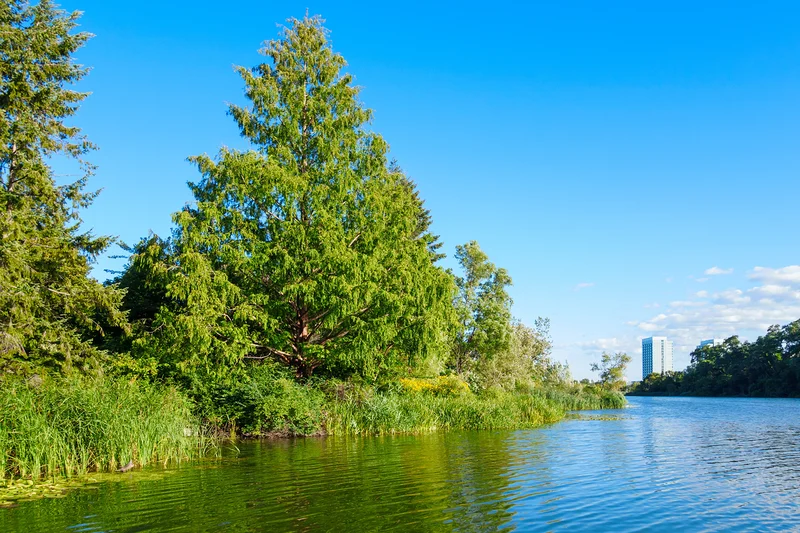
The 18 islands in Lake Ontario offer a welcome escape from the urban hustle. A 15-minute ferry ride from the docks gets you to Centre Island. There, sandy beaches, bike paths, and picnic areas replace the skyscrapers. Hanlan's Point attracts a quieter crowd, while Ward's Island is charming with its 260 picturesque cottages.
On the mainland, the Harbourfront Center schedules concerts and exhibits on weekends. It is the perfect spot for a late-afternoon stroll as the sun sets over the lake. If you are feeling active, rent a kayak or a bike to ride along the docks all the way to the booming South Core neighborhood.
High Park, the city's largest urban park, houses a free zoo and a spectacular playground for kids. In the spring, its cherry blossoms attract photographers from all over. In the summer, outdoor theater plays are performed in a natural amphitheater.
Culture and sport: the Canadian soul
Ice hockey is the national sport. A Maple Leafs game at the Scotiabank Arena offers total immersion in Canadian culture, even if tickets are hard to come by. A more accessible alternative: the Hockey Hall of Fame at Brookfield Place displays the original Stanley Cup and interactive games that even novices will enjoy.
On the cultural side, the Royal Ontario Museum, dedicated to natural history, is the largest in the country. The TIFF, the international film festival in September, turns the city into a cinema capital for ten days. The halls of Roy Thomson Hall, the Sony Centre, and the Four Seasons Centre host operas, symphonic concerts, and musicals throughout the year.
Where to eat and drink in Toronto?
The Toronto culinary scene reflects its cosmopolitan roots. Two local specialties are worth testing: the peameal bacon sandwich, a bacon sandwich coated in cornmeal, and butter tarts, those buttery, pecan-filled tarts that melt in your mouth. To find them in their most authentic form, head to the Carousel Bakery counter in St Lawrence Market.
This covered market, voted the world's best food market by National Geographic, hosts a Farmer's Market on Saturday mornings with the best regional products. For an upscale quick bite, the Chef's Hall downtown gathers a dozen gourmet counters under one roof.
Toronto now boasts several Michelin-starred restaurants. Alo offers a fresh take on French cuisine, while Sushi Masaki Saito offers the city's most refined omakase experience. For a more relaxed vibe, Pai Northern Thai Kitchen on Duncan Street serves a remarkable khao soi, the curry and coconut milk noodle soup from Chiang Mai.
Where to sleep in Toronto and the surrounding area?
Downtown and Old Toronto offer the best location for sightseeing, but prices are high. The One King West Hotel offers good value with its equipped suites. For luxury, the Four Seasons in Yorkville or the Fairmont Royal York across from Union Station remain safe bets.
On a tighter budget, the The Annex, Chinatown, or Little Italy neighborhoods offer options less than 15 minutes from the center by subway. The Samesun Toronto hostel offers dorm beds starting at around 45 CAD ($33) a night, breakfast included.
For families, the Harbourfront area keeps you close to Ripley's Aquarium and green spaces, while providing easy access to the islands. On the outskirts, areas like Etobicoke or North York can significantly lower your accommodation budget, but they add commuting time.
How to get to and around Toronto?
Air Canada, Air Transat, and Air France operate daily direct flights from Paris Charles de Gaulle. The flight takes about 8 hours. Icelandair offers layovers in Reykjavik, and Brussels Airlines via Brussels. From Toronto Pearson airport, the UP Express reaches Union Station in 25 minutes for about 13 CAD ($10).
Once in the city, the Toronto Transit Commission manages a dense network of subways, buses, and streetcars. A Presto card simplifies payments. A single fare is about 3.35 CAD ($2.50) per trip. Walking remains the best way to discover the central neighborhoods, while the 30-kilometer PATH underground network allows you to cross downtown while staying warm in winter.
Driving is not recommended downtown: parking costs around 30 CAD ($22) per day and traffic is heavy during rush hour. However, it becomes useful for excursions to Niagara Falls, a 90-minute drive away, or to the wine region of the Niagara Peninsula.
When to go?
Summer is the best time, particularly from June to August when temperatures hover between 68 and 82°F (20-28°C). Festivals happen back-to-back: Pride Toronto in June, Caribana in August, and TIFF in September. Be careful, though: hotel prices skyrocket during these events.
Autumn offers spectacular colors and fewer crowds. Winter is harsh, with temperatures that can drop to -4°F (-20°C), but it will appeal to those who love skating at Nathan Phillips Square or watching hockey. Avoid March and April if possible: the snow melts, the sky remains gray, and the city loses some of its charm.
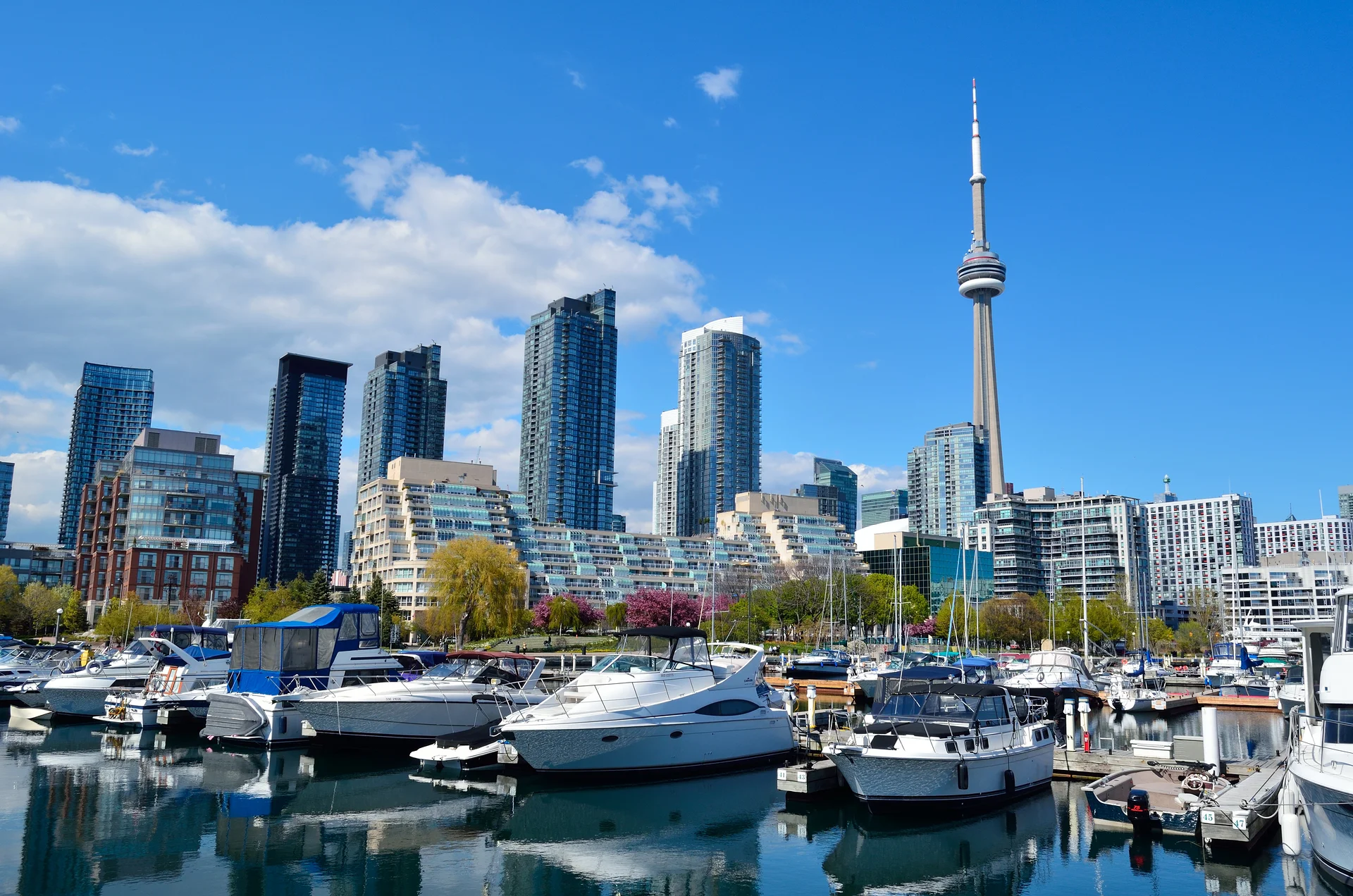
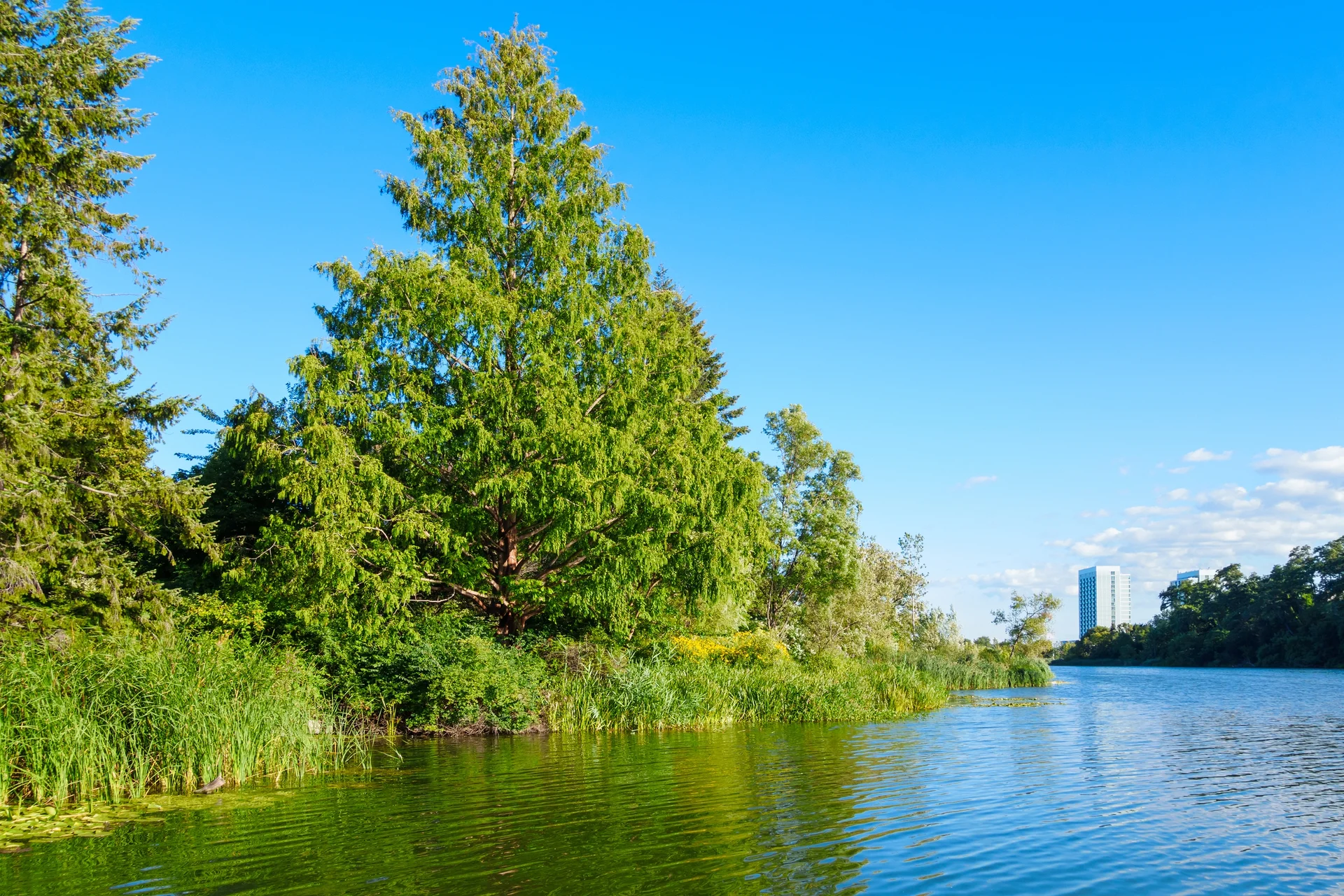
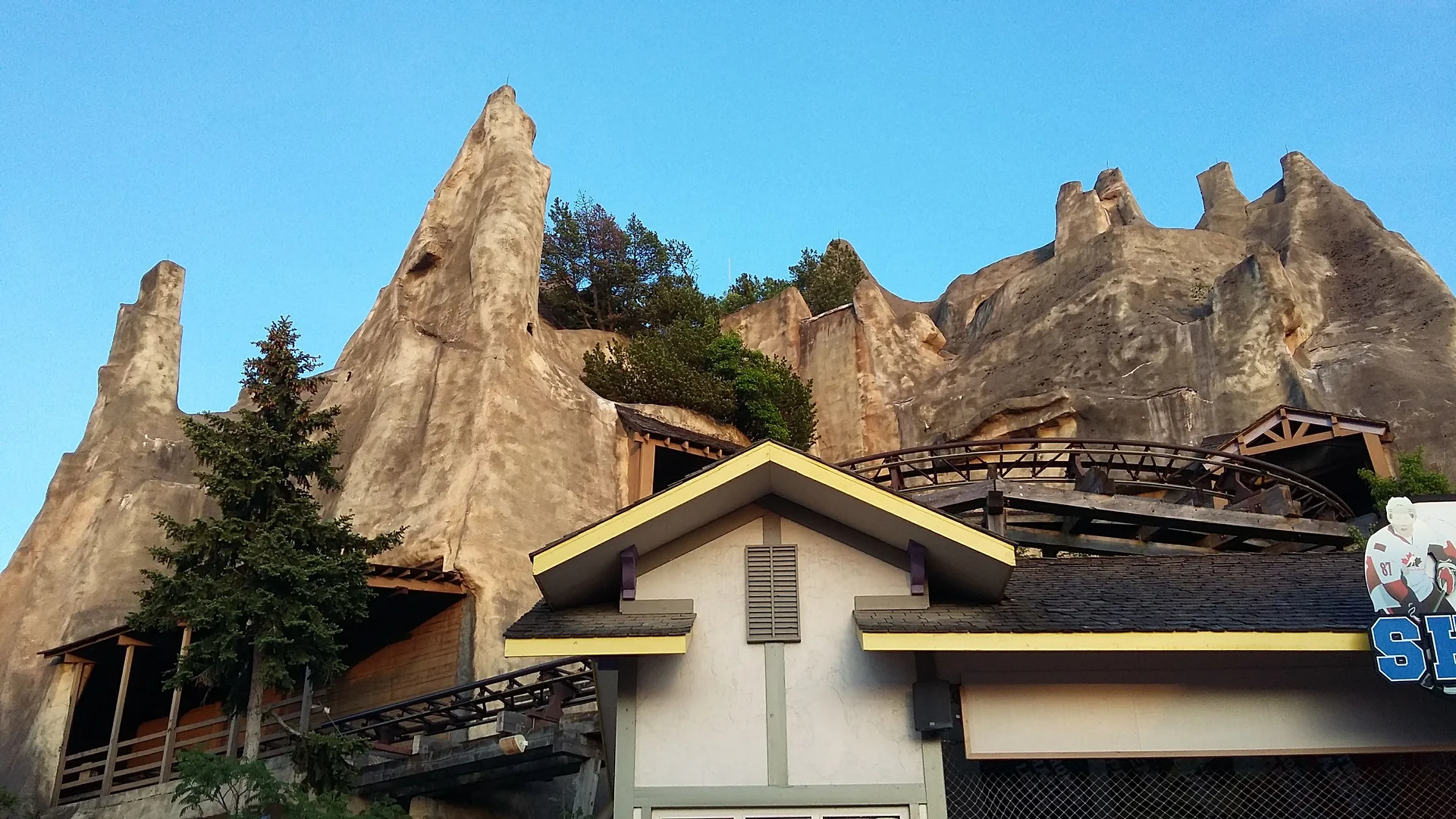
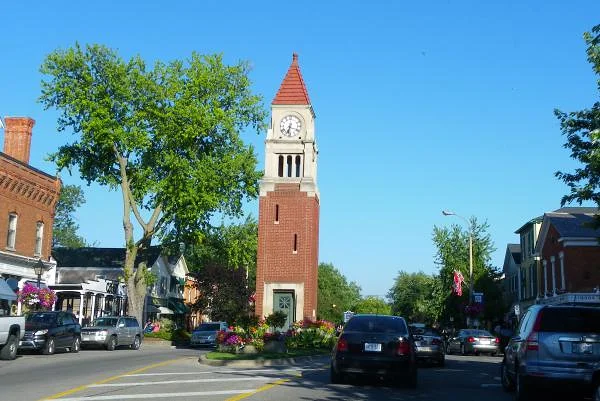

Established right on the shore of Lake Ontario, Toronto offers some really pretty views all along the waterfront. That is actually how I recommend you get your first look at the city, before you go off to explore the different neighborhoods.
As for activities, you will be all set, between museums, theaters, musicals, a hockey game, happy hour on a rooftop, or even an excursion to Niagara Falls.