
Visiting Tiradentes, a colonial jewel in the mountains of Minas Gerais
Compact and heavy on charm, Tiradentes is a quiet stop in the heart of colonial Brazil. This town is polished and understated, standing out for the harmony of its heritage, cobblestone alleys, and a timeless atmosphere that feels like a trip back to a slower era.
A historic center frozen in time
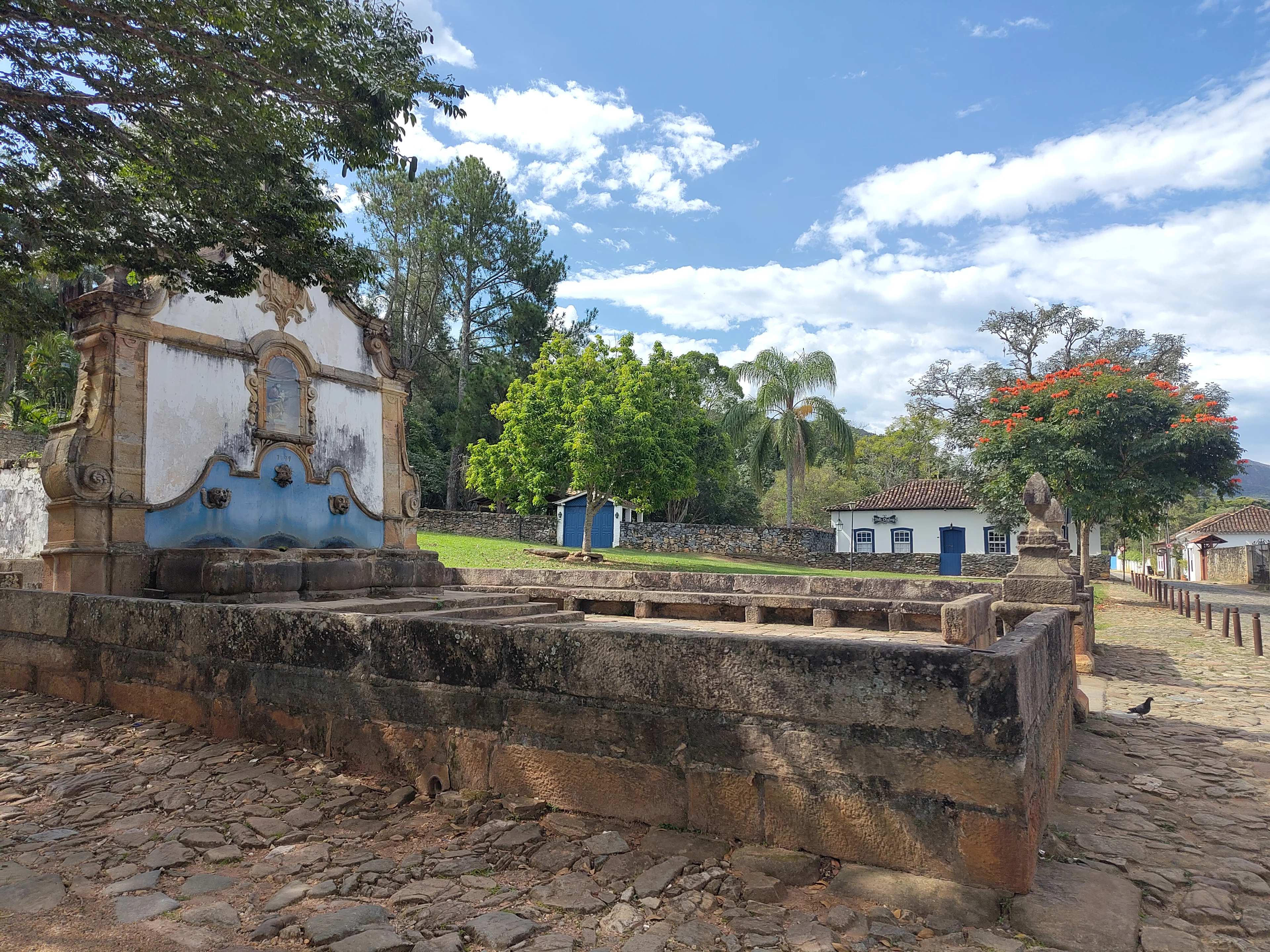
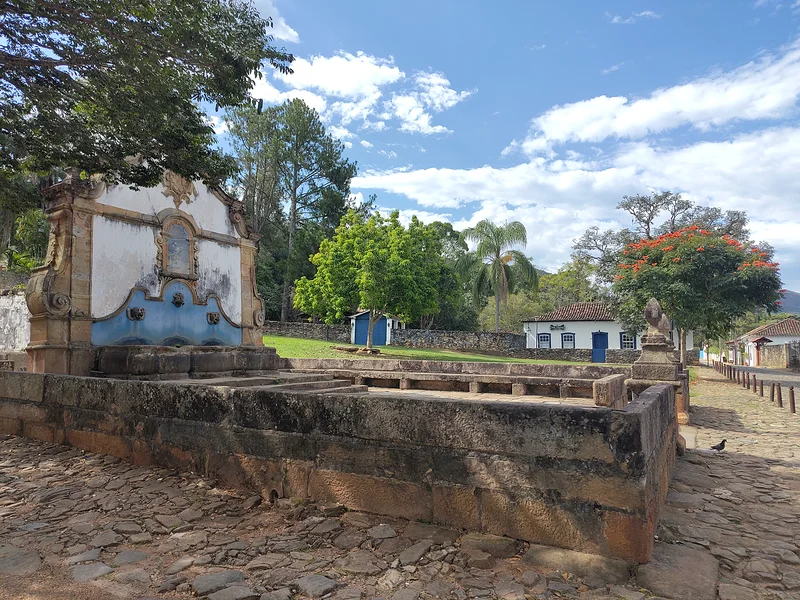
Designated as a national heritage site, Tiradentes features a remarkably well-preserved architectural landscape. With its white houses, colorful shutters, shaded plazas, and cobblestone streets, the town feels like something out of another century.
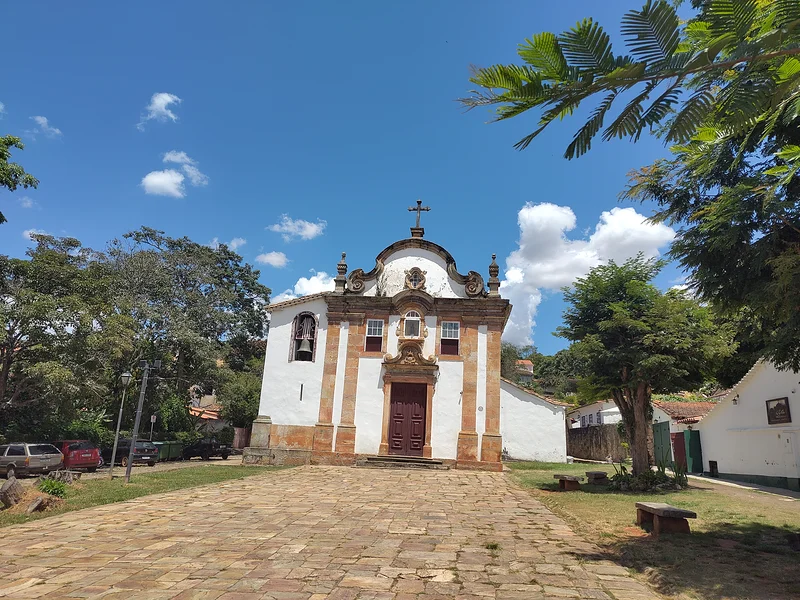
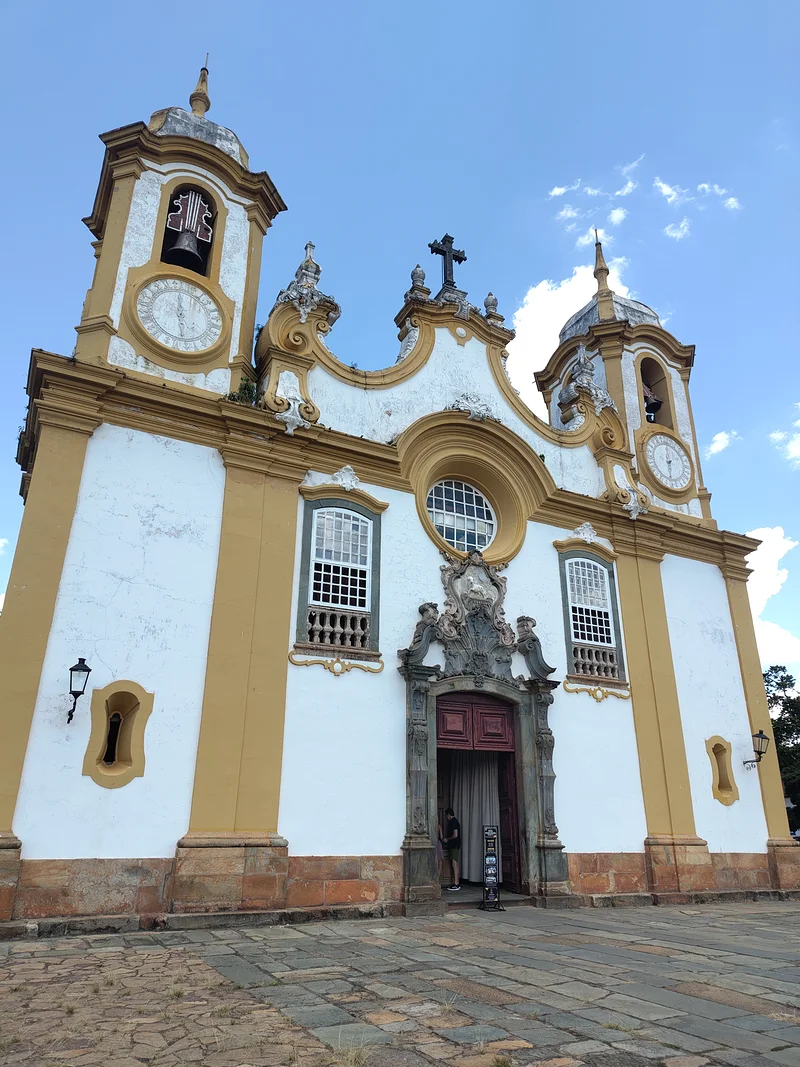
The Matriz de Santo Antônio church, perched at the top of the village, draws visitors for its gold-leaf Baroque interior and its 18th-century Portuguese organ. Not far away, the Chapel of São Francisco de Paula offers a panoramic view over the town and the surrounding mountains.
Artisans, galleries, and local shops
Tiradentes is a hub for makers. You will find folk art shops, antique dealers, and contemporary art galleries sharing space with pottery and ironwork studios. The vibe here is relaxed and perfect for wandering, with several workshops opening their doors to visitors. Casa Torta, for example, offers an offbeat artistic experience that families particularly enjoy.
Hiking and nature nearby
Surrounded by green hills, Tiradentes serves as a base for hikers. Several trails, like the path leading to the Serra de São José, provide easy treks through preserved wilderness. Keep an eye out for diverse flora and, if you are lucky, toucans or howler monkeys. These hikes do not require high-level technical skills, but sturdy shoes are recommended.
Cultural festivals and a social scene
Despite its size, Tiradentes hosts significant cultural events. The Gastronomy Festival in August draws chefs from across the country, while the Film Festival in January turns the town into an open-air cinema. These events bring a festive energy, though outside of these dates, Tiradentes remains a quiet place, ideal for recharging.
Minas Gerais cuisine: generous and flavorful
Local food is a highlight of any trip to Tiradentes. The Minas Gerais region is known for its slow-cooked stews, farm-fresh cheeses, and traditional sweets. Do not miss the feijoada mineira, tutu de feijão (bean puree with cassava flour), or pão de queijo (cheese bread) served hot from the oven.
For drinks, spirits enthusiasts should look for artisanal cachaça, which is produced in the surrounding area and often available for tasting in specialized bars and boutiques.
Where to eat?
- Tragaluz (historic center): One of the most reputable spots in Tiradentes, mixing traditional Minas style with contemporary inspiration in a candlelit, romantic setting.
- Estalagem do Sabor (near the Matriz): Generous local cooking served in a colonial house. The tasting menu is a great way to sample multiple local specialties.
- Pacco & Bacco (historic center): A favorite for its Brazilian wines and dishes made with fresh ingredients, perfect for a refined dinner without the pretension.
Where to stay?
- Solar da Ponte (historic center): A boutique hotel in a former colonial mansion featuring a pool, garden, and period furniture. Quiet and refined.
- Pousada Villa Allegra (just outside the center): Polished decor, mountain views, and warm service. A good balance of comfort and price.
- Pousada Do Ó (town center): One of the oldest in town, simple and well-located, perfect for budget-conscious travelers looking for an authentic experience.
When to go?
The months from April through September are the most pleasant, with dry and sunny weather. Evenings can get chilly. To enjoy the festivals without the peak-season crowds, aim for May. Avoid the Brazilian vacation month of January if you are looking for peace and quiet.
How to get there?
Tiradentes does not have an airport. From Belo Horizonte, expect a 4-hour drive by bus or rental car. Bus connections also depart from São João del-Rei, 15 km away, which is served by a tourist train and regional bus lines.
How to get around?
The historic center is easily explored on foot. To explore the surroundings or head up into the Serra, renting a bike or hiring a local taxi is helpful.
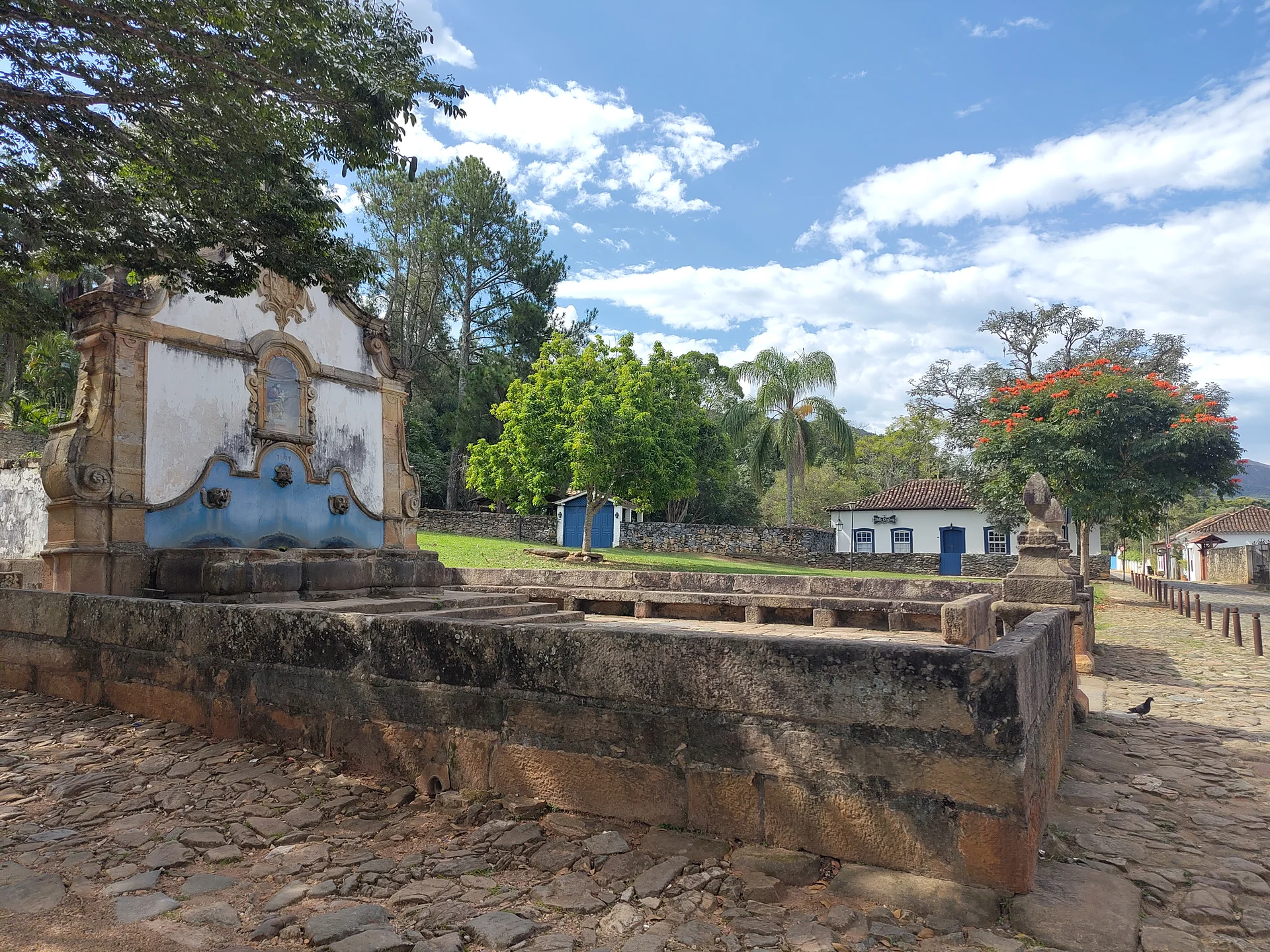
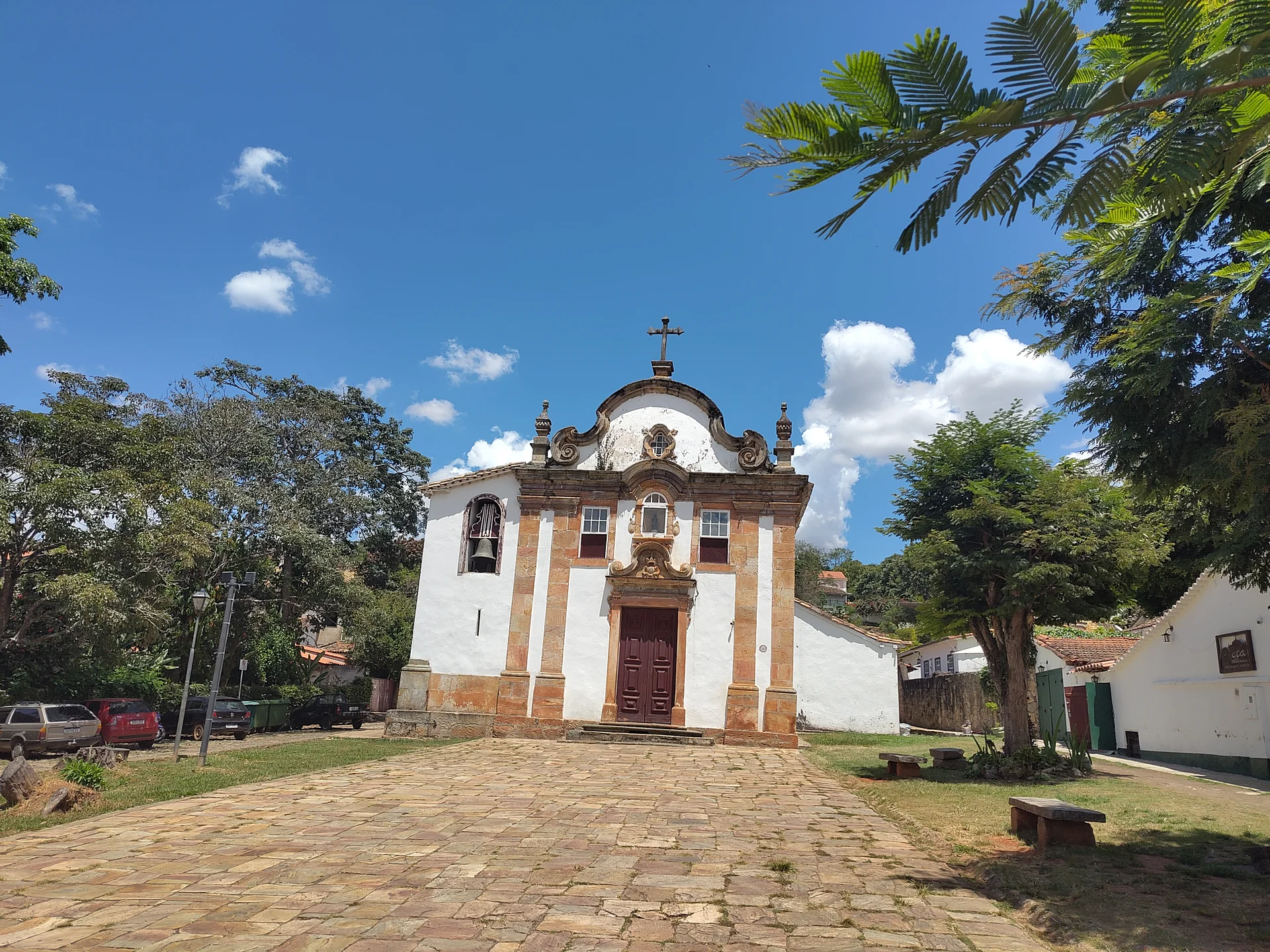
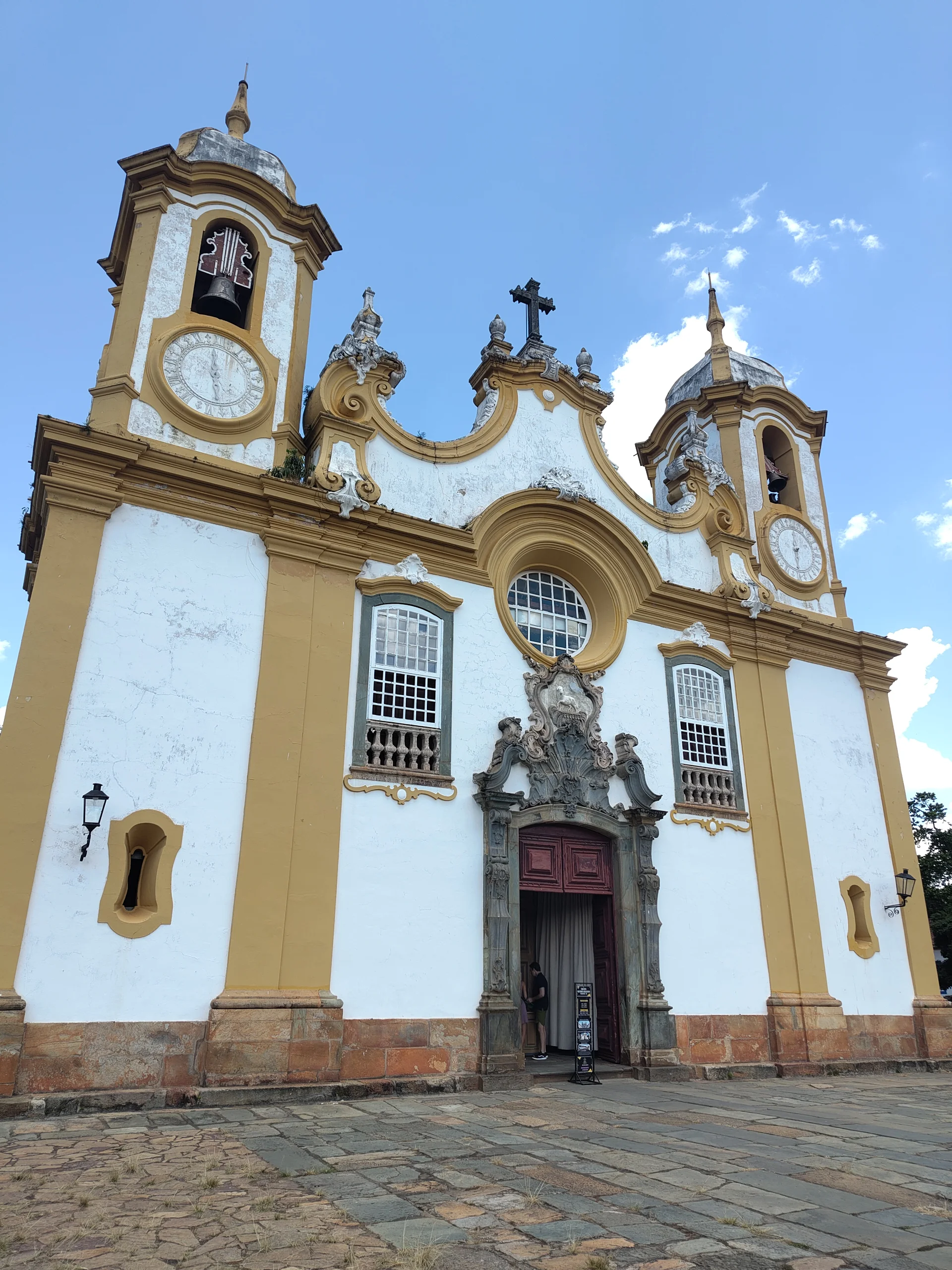
A quiet little town with colorful cobblestone streets. Plenty of churches against a backdrop of mountains. Not to mention the hikes in the Serra São José.