
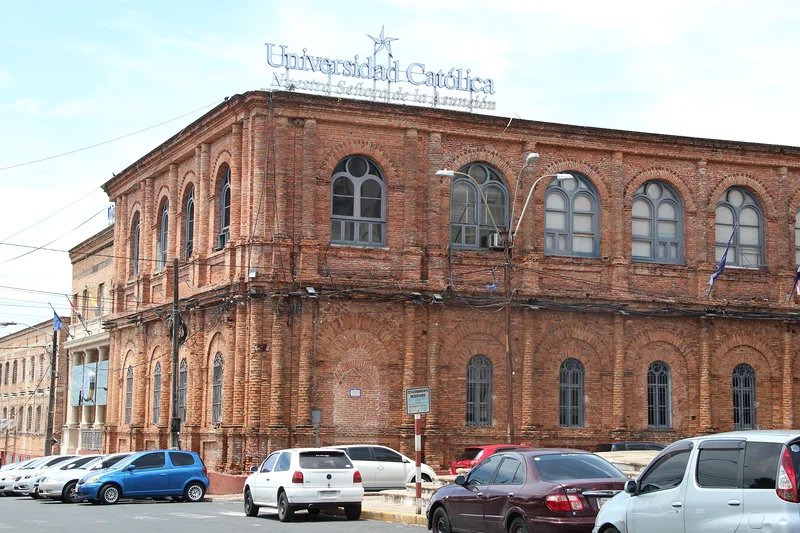
Visiting Asunción
Stretched along the left bank of the Río Paraguay and just a stone's throw from the Argentina border, Asunción serves as the capital of Paraguay. With a population of around 500,000, or more than 2 million across the metro area, the city retains a manageable, human scale compared to many other South American capitals. Nicknamed Madre de las Ciudades (Mother of Cities), it was among the first sites settled by conquistadors on the continent, starting with a fort built in 1537. It later became the staging ground for Spanish expeditions pushing into the interior. The city takes its name from Nuestra Señora de la Asunción, the Assumption of the Virgin, which marks the date the city was supposedly founded.
An Underrated South American Capital
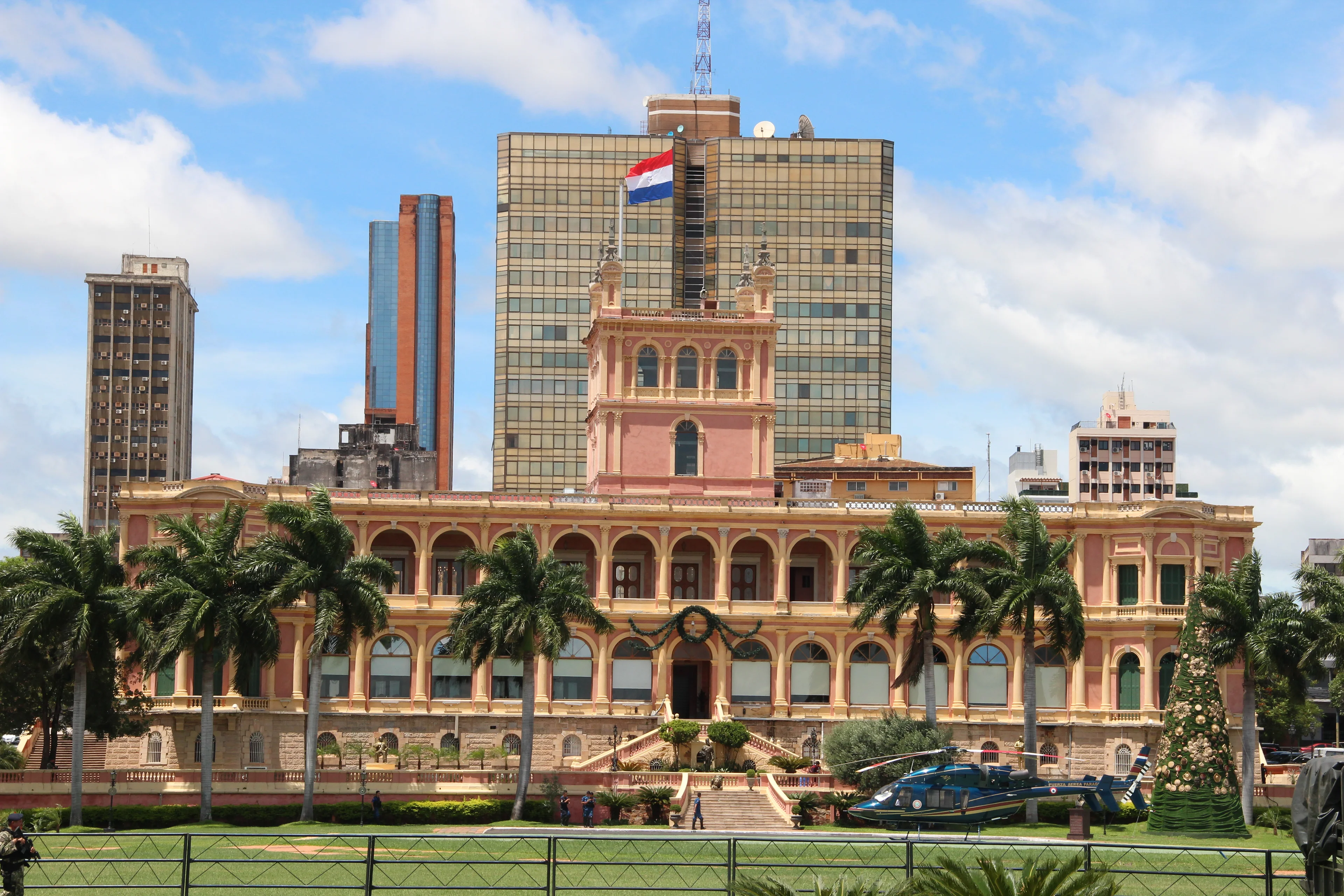
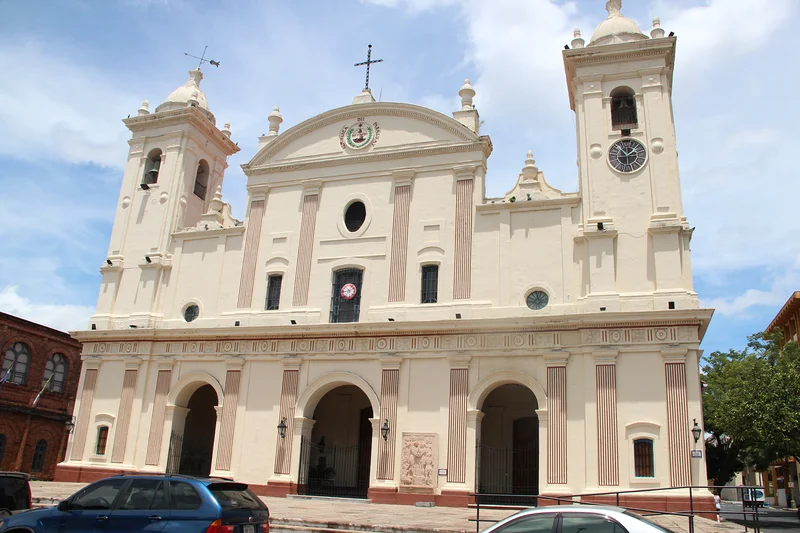
Start your exploration in the historic center, where government offices and cultural institutions dominate the landscape. Take a look at the Palacio de los López, the seat of government, built in a neoclassical style. Its architecture reflects many other mid-19th-century buildings in the city, such as the Cathedral Nuestra Señora de la Asunción or the Museo del Cabildo. This national cultural center of Paraguay originally functioned as the administrative headquarters for the colonial government.
Inspired by the Invalides, the Panteón Nacional de los Héroes is a mausoleum holding the remains of the nation's most significant historical figures, including the first president of the Republic of Paraguay, Carlos Antonio López. If you time it right, you might catch the changing of the guard. Afterward, head to the Casa de la Independencia, an 18th-century home that served as the secret meeting place for the revolutionaries who planned the country's independence in 1811.
A Cosmopolitan and Lively City
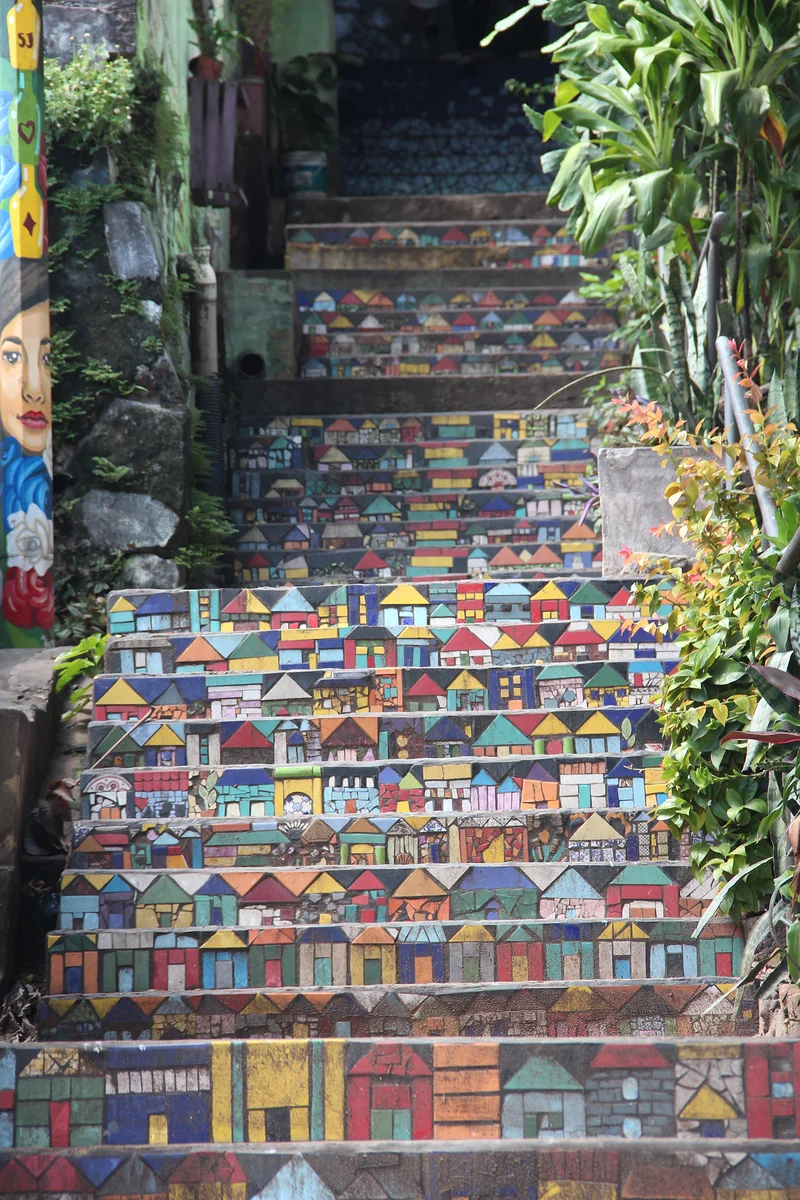
Don't skip the most colorful neighborhood in Asunción, San Jeronimo, with its vibrant alleys and an iconic staircase covered in murals that offers great views of the cityscape. For lunch, head to Mercado 4 to try local specialties like chipa, a cheesy bread roll that is a staple of the Paraguayan diet.
For a dose of culture, check out the Fine Arts Museum. A bit further out but worth the trip is the Museo del Barro, an art and cultural center that houses a wide variety of works, including tapestries, silverwork, pottery, ceramics, and paintings, with pieces dating back to the pre-Columbian era. It also features more than 3,000 works by modern and contemporary artists.
Outdoor Spaces in Asunción
One of the best ways to spend an afternoon is walking along La Costanera, a promenade completed in 2012 that runs along the Asunción bay. If you prefer parks, the Asunción Botanical Garden is a highlight. Its 110 hectares of forest are home to century-old trees and a variety of wildlife. Nearby, you will find the Church of the Most Holy Trinity, a designated historic monument.
When to go
Be prepared for the Southern Hemisphere summer (December to March), which is typically intense. The best time to visit Asunción is during August or September.
How to get there
Asunción is accessible by air via its international airport, with flights connecting from major European hubs.
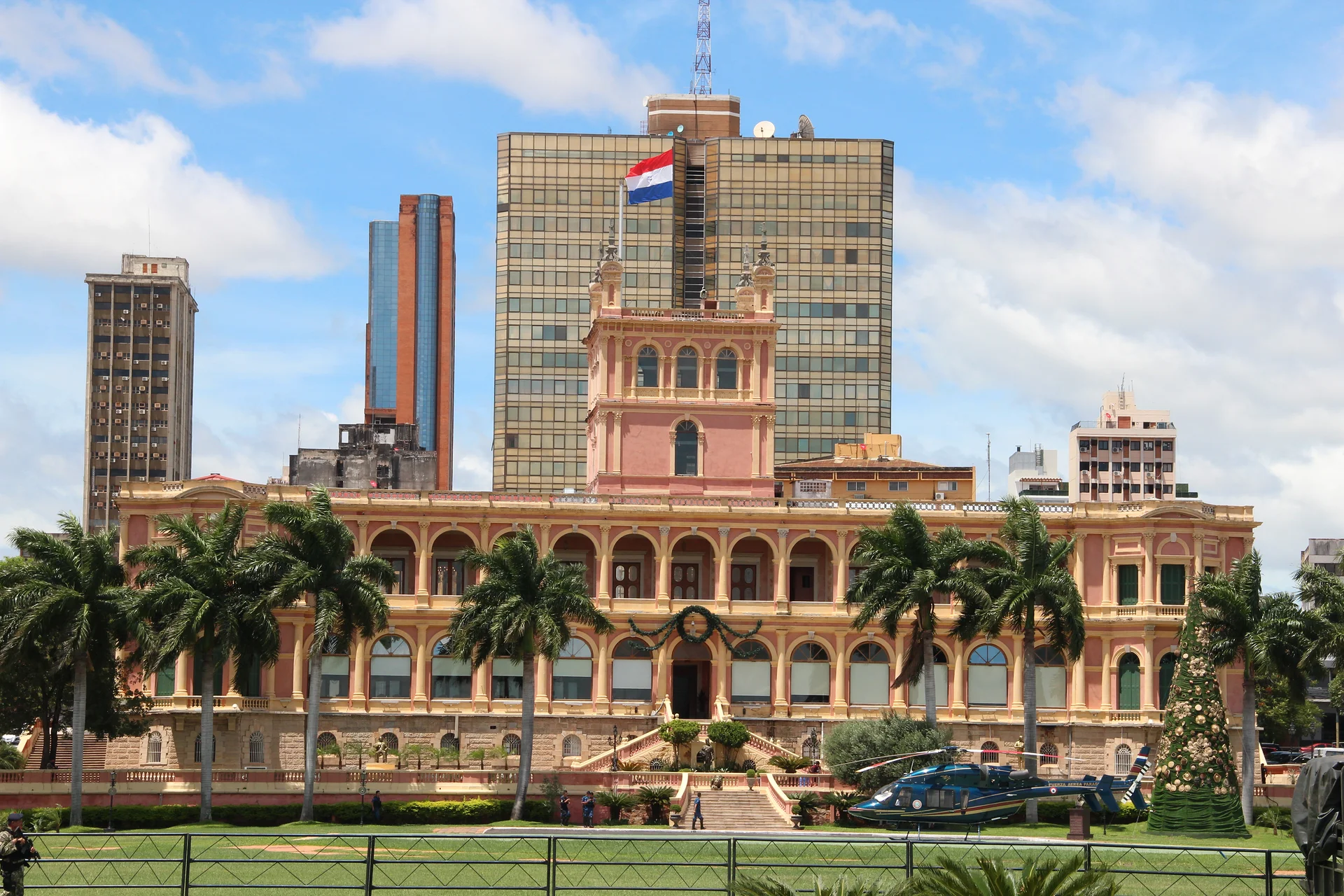
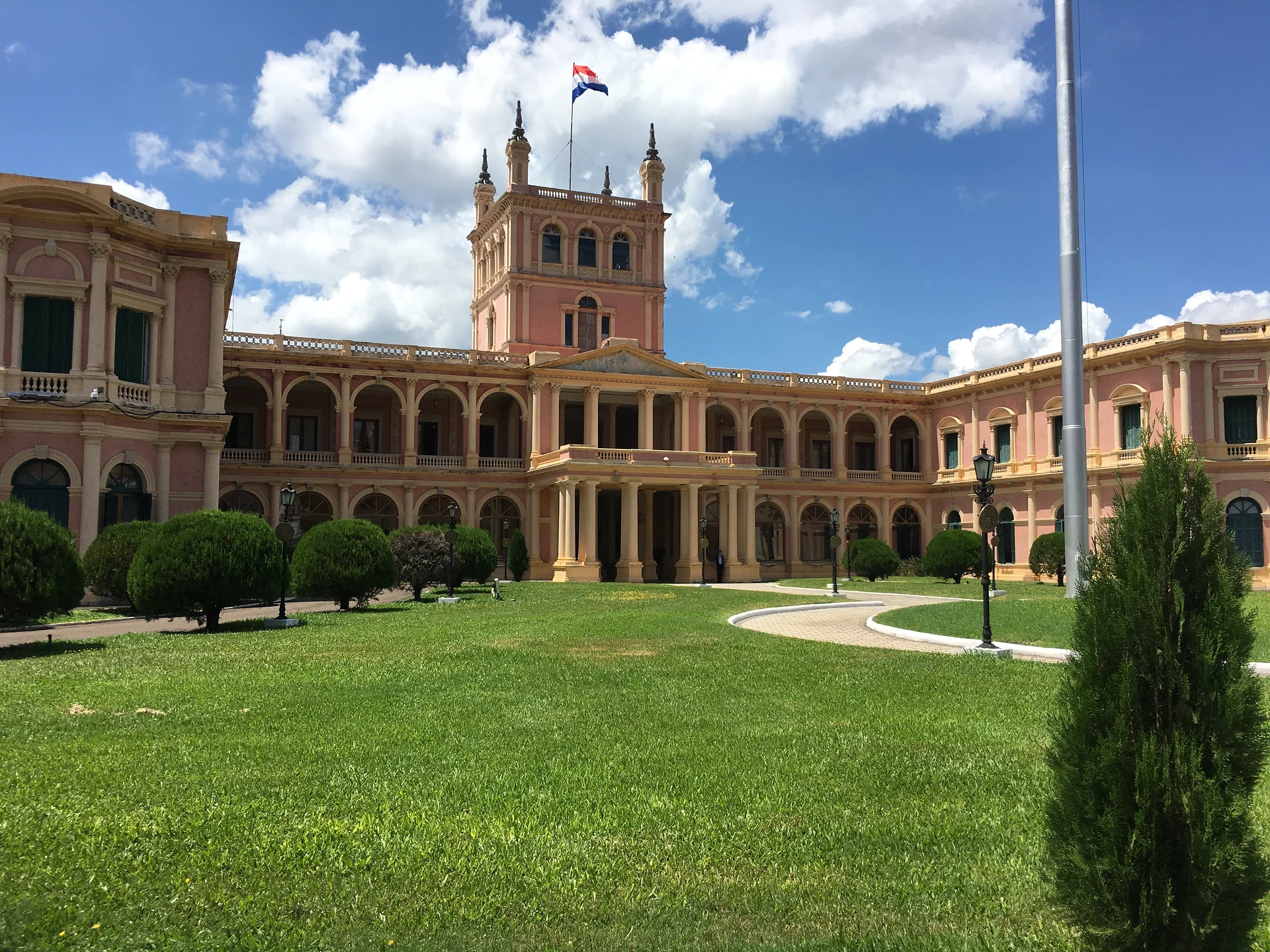
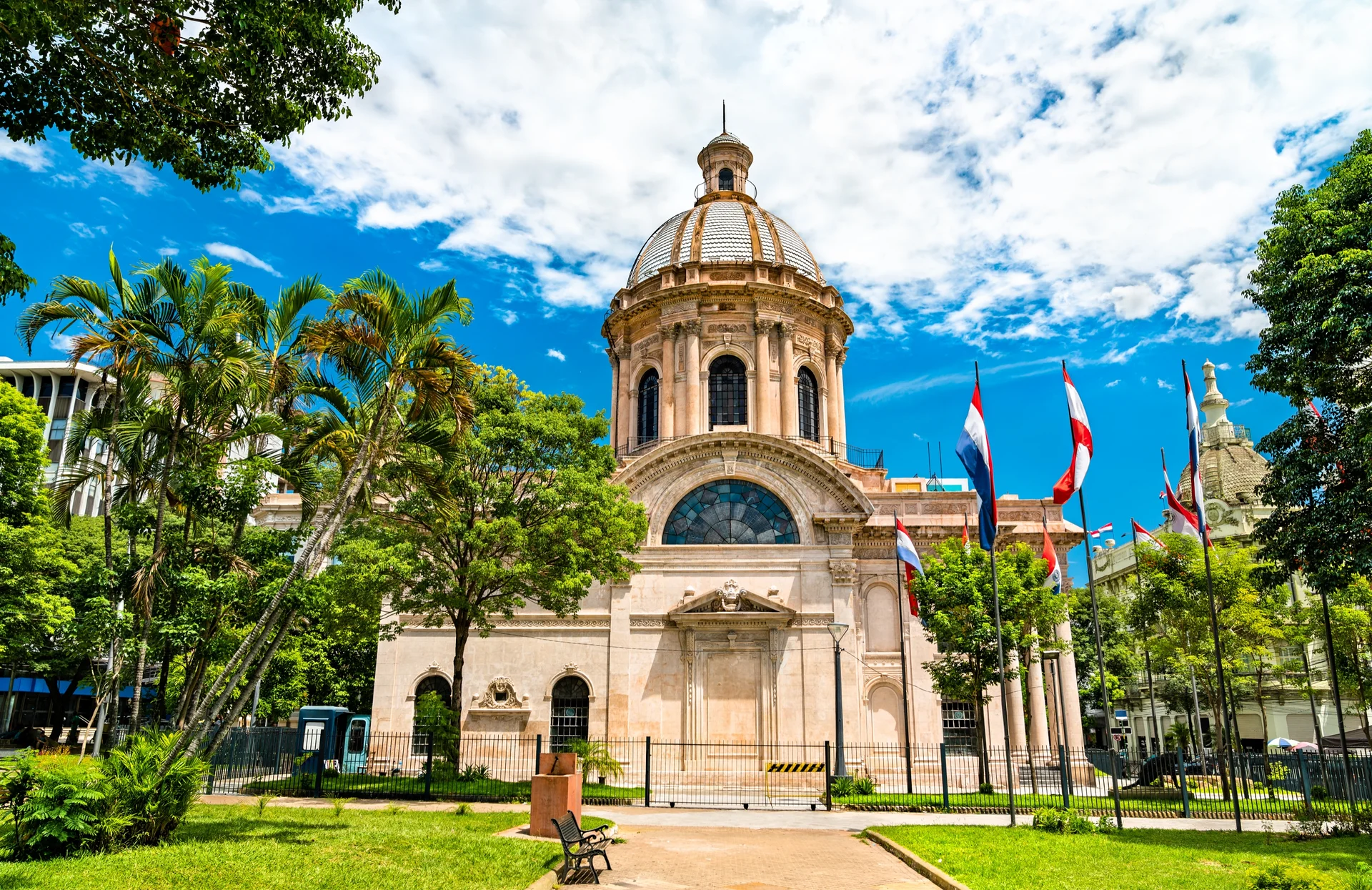
Asuncion, the lesser-known capital of an equally lesser-known country, is interesting. The city is green with parks and squares and is bordered in blue by the Rio Paraguay. There are quite a few things to do and see, but be wary of guides, and just let yourself go by asking people on the street. Although it is not very touristy, the country's history will fulfill you with its cathedral, its cabildo, its pantheon, and so on.
Also, watch out for the very stifling heat if you go in the summer, close to 45°C (113°F)!