Visiting Paraguay
The tereré flask passes from hand to hand, ice-cold despite the 100-degree heat baking the patio. An old transistor radio plays guarania, that haunting local melody unfamiliar even in Buenos Aires. You are in Asunción, and you have just experienced something rare in modern travel: nobody here is waiting for you.
Paraguay does not have the Iguazu Falls to itself, nor Machu Picchu, nor white sand beaches. What it has is a total absence of staged tourism that makes every encounter feel genuinely real.
A destination for curious travelers, not postcard collectors
If you are looking for blockbuster attractions strung together like pearls, Paraguay will disappoint. The country never developed a massive tourism industry, and that shows in the occasionally clunky infrastructure, the hard-to-find information, and the loose bus schedules. The only place you will cross paths with other foreign travelers is at the Jesuit ruins near Encarnación.
On the other hand, if you speak a bit of Spanish and like to improvise, Paraguay offers something its over-invested neighbors no longer can: the spontaneous hospitality of the locals, a living Guaraní culture woven into daily life, and the sheer fun of exploring a place that puts on no act. It is also one of the rare places on earth where the indigenous language, Guaraní, is spoken by 90% of the population, including mestizos.
Your wallet finally catches a break
Paraguay ranks among the least expensive destinations in South America. Budget around $23 to $34* a day backpacker-style, with a bed in a simple hotel for 10-15 dollars, hearty meals running between $3.40 and $6.80*, and bus rides costing just a handful of guaranís. ATMs remain scarce outside Asunción, so bring cash.
Asunción and its surroundings: a capital that keeps it real
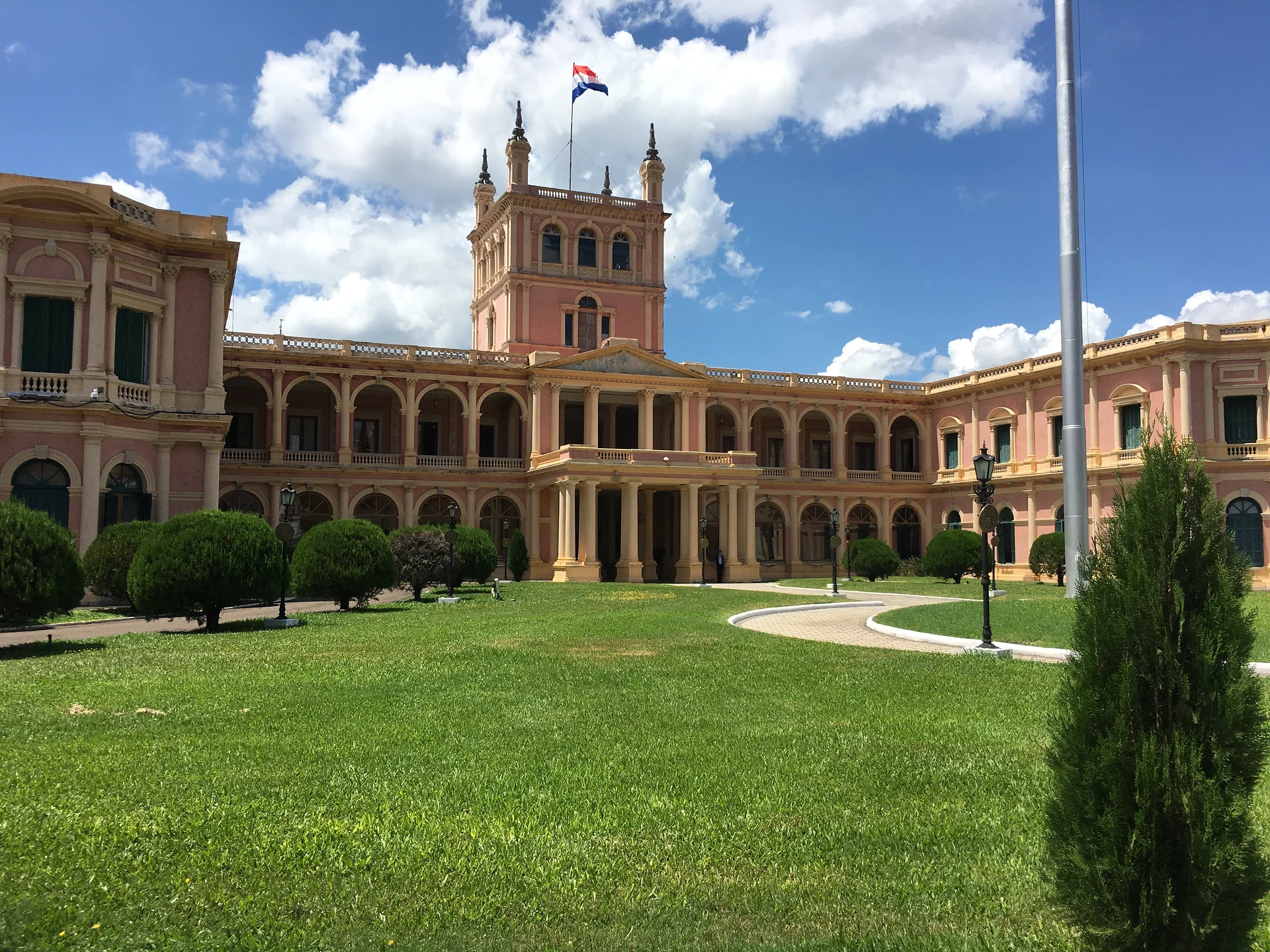
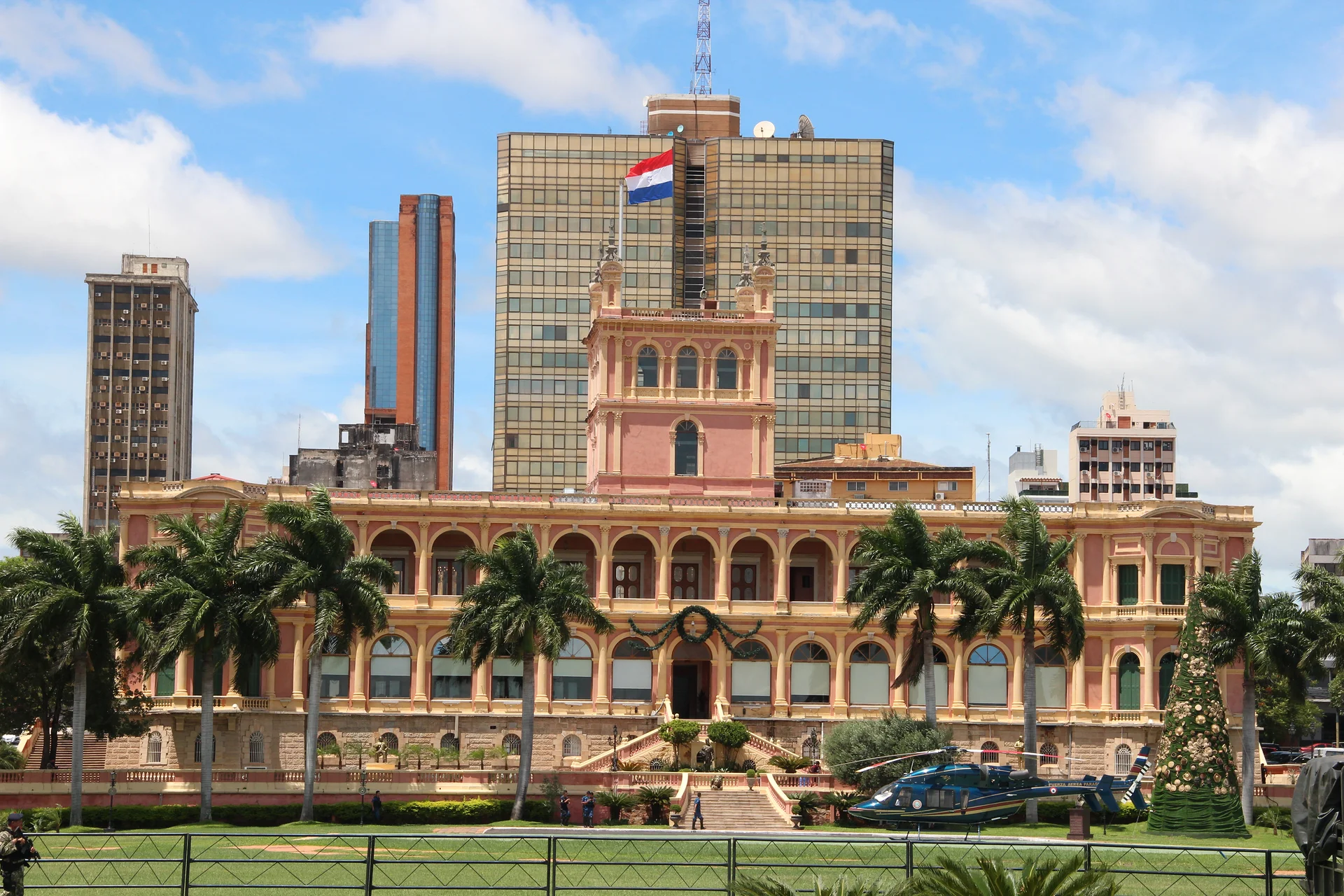
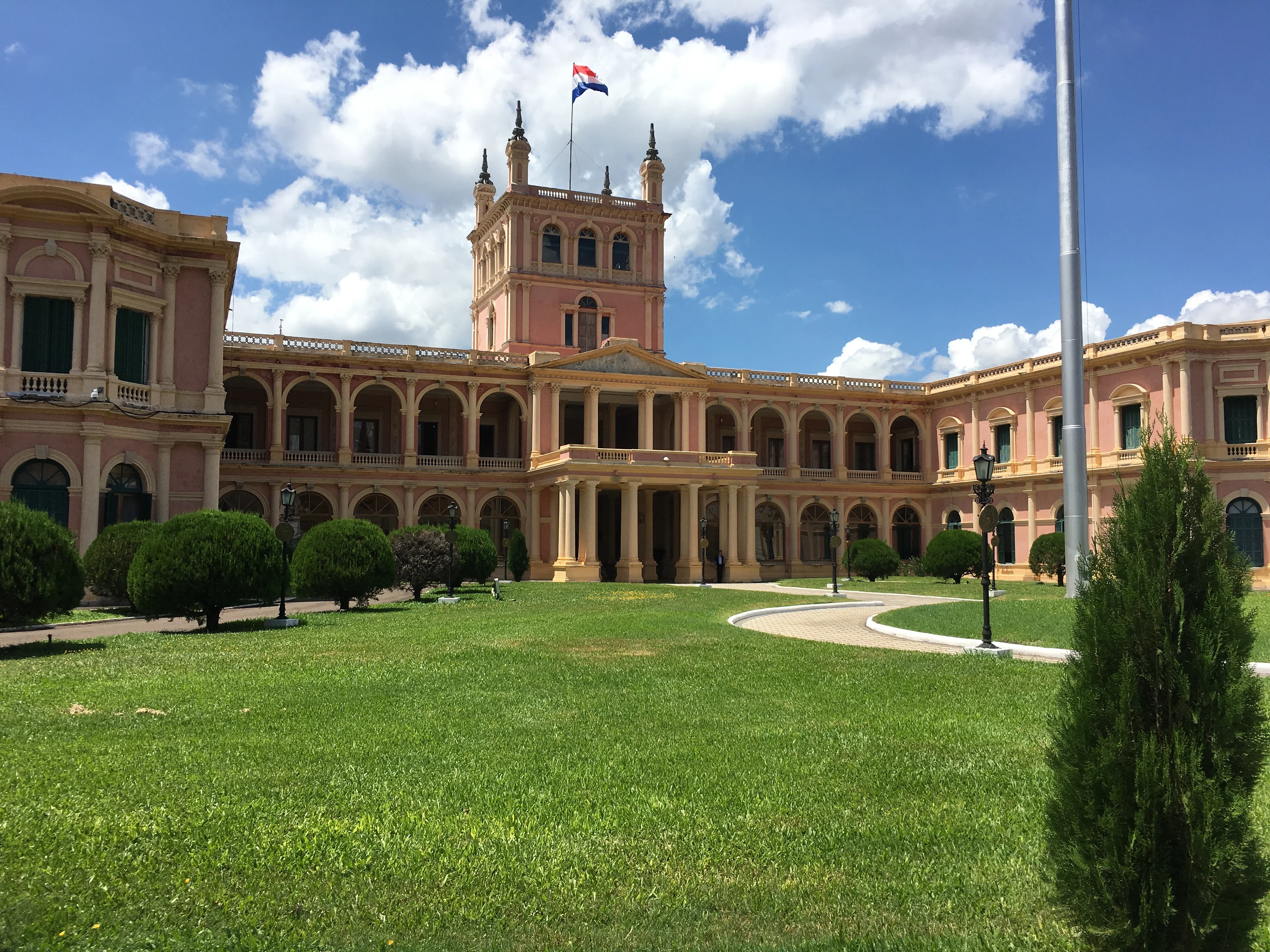
Founded in 1537, Asunción stands as one of the oldest capital cities in South America. It does not try to impress. Historic neighborhoods mix faded colonial mansions with uninspired modern apartment blocks, while the banks of the río Paraguay offer a pleasant stroll with views of the Palacio de López, the oxblood-walled seat of government.
The Mercado 4 deserves a few hours of wandering. This sprawling, multi-block market captures the essence of daily Paraguayan life with its sizzling empanadas, heaps of medicinal herbs, knock-off clothing, and Guaraní handicrafts. The atmosphere is dense and occasionally suffocating. Pickpockets prowl the aisles, so stay alert.
Friendly tip: The Museo del Barro exhibits a surprising mix of contemporary art, indigenous crafts, and even a few pieces by Matisse and Monet. It makes for a stellar introduction to Paraguayan culture, far from folk clichés.
The Golden Circuit: pottery and colonial churches
An hour outside Asunción, the Circuito de Oro connects several artisan villages. Itá produces distinctive black ceramics, Areguá draws bohemian painters, and Yaguarón houses an 18th-century Franciscan church with exceptional woodwork. These side trips are easy to pull off using local buses or a rental car.
The historic south: Jesuit ruins and Paraná carnivals
The Jesuit missions of Trinidad and Jesús de Tavarangue, recognized as a UNESCO World Heritage site, form the country's major historical anchor. These 17th- and 18th-century sites, where Jesuits tried to evangelize the Guaraní while shielding them from slave traders, inspired the movie The Mission starring Robert De Niro. The ruins at Trinidad impress through sheer scale, featuring red sandstone walls under an immense sky, often without another soul around.
Encarnación, known as the pearl of the South on the río Paraná, turned its riverbanks into artificial beaches that draw crowds of Paraguayans in summer. But its weekend carnival every February is what pulls in the masses. Less famous than Rio's, it offers a more accessible vibe with cheap bleachers and festive foam spraying everywhere.
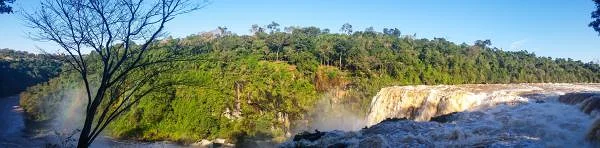
The Saltos del Monday waterfalls, located a few kilometers from Ciudad del Este, provide a Paraguayan alternative to nearby Iguazu Falls. They are less spectacular, sure, but free and practically deserted. Swimming is permitted during the dry season.
The Chaco: raw adventure for the initiated
The Gran Chaco covers 60% of Paraguayan territory yet holds just 3% of the population. This immense semi-arid plain, nicknamed the green hell for its extreme heat, remains one of the wildest regions in South America. Jaguars, tapirs, giant anteaters, and hundreds of bird species live out here far from prying eyes.
The Mennonite colonies of Filadelfia and Loma Plata serve as the base camp for exploring the Chaco. These German-speaking communities, settled in the 1930s after fleeing the USSR, turned a hostile desert into a thriving agricultural zone. The contrast is striking, featuring blond, blue-eyed farmers speaking a German dialect right in the middle of the South American pampa.
Friendly tip: The Proyecto Tagua near Fortín Toledo lets you spot the Chaco peccary, a species once thought extinct before its rediscovery in 1976. A must-visit for wildlife lovers.
Nature and waterfalls: the secret hiking side of Paraguay
The country holds dozens of lesser-known waterfalls accessible from Asunción. The Ybycuí National Park, a two-hour drive away, offers forest trails leading to Saltos Cristal and Salto Guaraní, perfect for a refreshing swim. Farther north, Laguna Blanca surprises visitors with its crystal-clear waters, ideal for kayaking.
The Cerro Corá National Park in the northeast combines hiking, wildlife watching, and history. This spot marks where Marshal López, the final president during the War of the Triple Alliance, was killed in 1870, ending the deadliest conflict in South American history.
Paraguay on the plate: corn, cheese, and wood-fired meat
Paraguayan cooking centers on corn, cassava, and fresh cheese. Sopa paraguaya, despite its name, is not a soup at all but a dense corn bread baked with onions and cheese, served as a side to everything. Chipa, a small ring-shaped cheese roll, gets nibbled at all hours in bus stations.
The local asado rivals Argentina's version, typically grilled over glowing coals for hours during Sunday family gatherings. Mbejú, a thick cassava and cheese griddle cake, works well for breakfast. And everywhere you look, tereré, the ice-cold cousin of Argentine mate, sets the rhythm for conversations in the heat.
When to visit Paraguay
The southern winter, running from May to September, brings the mildest conditions: warm daytime temperatures in the mid-70s, cool nights, and an absence of the torrential rains that flood certain roads in summer. It is also the prime window for exploring the Chaco without risking heatstroke.
Paraguayan summer, from December to February, regularly tops 104°F with crushing humidity. Only the Encarnación carnival justifies braving this furnace. Spring, hitting in September and October, combines pleasant weather with blooming pink lapacho trees that color the landscape.
How to get to Paraguay
No direct flights connect the United States to Paraguay. The cleanest routing is Copa Airlines through Panama City; otherwise you connect in São Paulo or Buenos Aires on LATAM or Aerolíneas Argentinas. Expect around 16 to 20 hours of travel time and fares fluctuating between $900 and $1,350* depending on the season.
Asunción's Silvio Pettirossi Airport sits 15 km from downtown. Overland travelers can cross easily from Argentina via Encarnación or from Brazil through Ciudad del Este, a classic entry point after visiting Iguazu Falls. No visa is required for US or Canadian citizens for stays under 90 days; Paraguay dropped its reciprocity visa for American passports in 2019.
Getting around Paraguay
Buses remain the dominant form of transit. The network covers the entire country out of Asunción's Terminal de Ómnibus, though you should not expect comfort or punctuality. Long-distance trips take time, counting 5 hours to Encarnación and 6 hours to Ciudad del Este. Prices stay negligible, rarely topping $17* to cross the nation.
Car rentals become useful for exploring the Chaco or poorly served nature parks. Main roads are decent, but a 4x4 is required as soon as you leave the pavement. In the city, apps like Bolt and MUV function like Uber and simplify getting around Asunción. Domestic flights exist but remain limited and unreliable.