
Córdoba, the Mexican city where independence tastes like coffee
On August 24, 1821, inside a building with white arches overlooking a shaded plaza, the final Spanish viceroy Juan O'Donojú signed the birth certificate of a nation. The Treaties of Córdoba effectively ended three centuries of colonial rule.
Today, under those same arches at the Portal de Zevallos, servers pour coffee harvested from the surrounding hills while musicians play danzón near the gazebo. This city in the state of Veracruz moves to the rhythm of its coffee fincas and colonial legends, far from the standard tourist trail.
A stopover for curious travelers
Córdoba isn't a postcard destination. The city grew quickly, sometimes without much architectural cohesion. But it is precisely that raw quality, its local life preserved from mass tourism, that makes it endearing. You will cross paths with few foreign travelers. The locals, known as Jarochos, are among the most welcoming people in the country.
This city is a fit for coffee lovers who want to see the behind-the-scenes of Mexican production, from the plant to the cup. It also appeals to travelers heading toward the Gulf Coast or the Pico de Orizaba who are looking for an authentic stop. History buffs will appreciate its foundational role in Mexican independence.
Practical realities to know
The historic center around the Parque 21 de Mayo is easy to navigate on foot. However, the main coffee fincas require transportation to reach. The climate stays pleasant year-round with an average of 72°F (22°C), but afternoons can be rainy from June through November. English is not widely spoken, so a few phrases of Spanish will significantly ease your interactions.
A note on safety
The state of Veracruz does not have the best reputation regarding safety. US authorities have issued caution advisories for certain areas, including Córdoba. Concretely, the highway between Puebla and Córdoba is one of the most sensitive routes in the country for freight transport.
For travelers, standard precautions apply: avoid driving on secondary roads at night, stay in tourist areas, and keep your valuables discreet. The city center and tourist sites do not present specific issues during the day. The municipality reports a significant drop in crime over the last few years, but vigilance remains necessary.
A budget-friendly choice for Mexico
Córdoba offers excellent value for the money. Expect to pay 600 to 1,500 MXN (about $33-$82*) per night for a decent hotel with a pool. A full meal at a local restaurant costs between 100 and 200 MXN (about $5.50-$11*). Guided tours of fincas including transportation and tastings run around 300 to 500 MXN (about $17-$28*). The bus from Mexico City costs about 500 to 750 MXN (about $28-$41*) depending on the class.
The historic center and its arcades
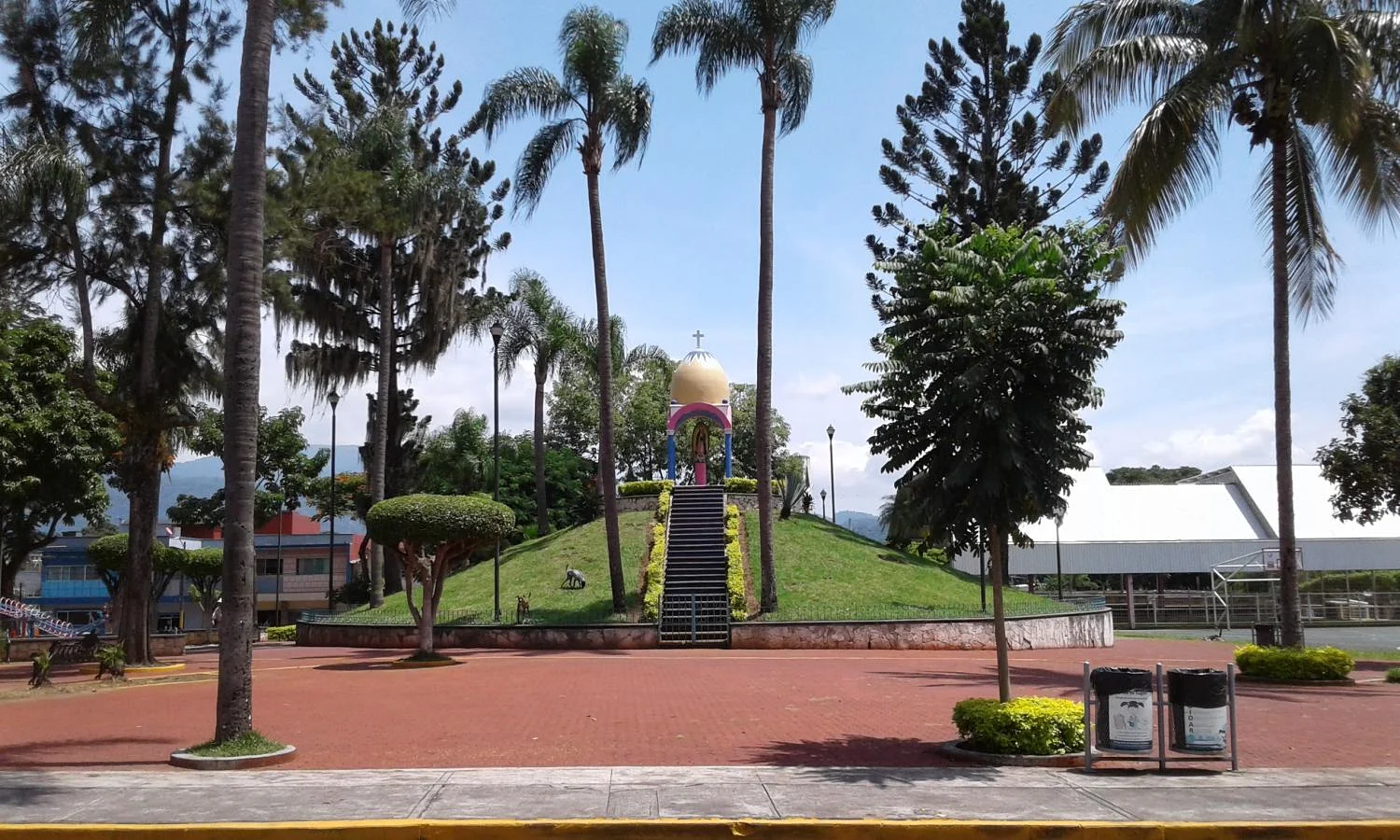
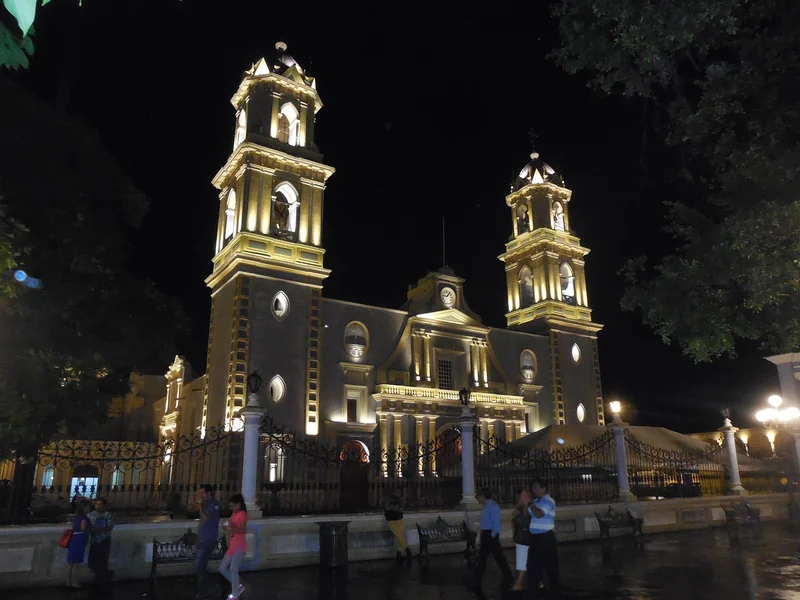
Everything converges on the Parque 21 de Mayo, the central plaza laid out according to the classic Spanish colonial plan. On one side, the Cathedral of the Immaculate Conception with its two bell towers stands as one of the most ornate religious buildings in the state of Veracruz. On the other, the Palacio Municipal features murals by artist Jaime Sánchez Nava that tell the local history. The mural titled "Córdoba para siempre" is worth a long look. It depicts early pre-Hispanic inhabitants, Yanga, the first liberator of slaves in the Americas, and of course, the famous Mulata de Córdoba.
The portales, the arcades bordering the plaza, house cafes and craft shops. This is where people sit down to order a café lechero or a mint julep, a local cocktail made with rum and fresh mint introduced by the French in the 19th century.
Friendly tip: On Saturday mornings, the tourism office offers a free guided tour of the historic center lasting about 70 minutes. The meeting point is at the Museo del Café.
Coffee fincas: the beating heart of the region
Córdoba claims to be the cradle of Mexican coffee. The first plantations in the region date back to the colonial era, and some fincas that have won international awards now open their doors to visitors. Tours generally include a look at the Arabica coffee plants, an explanation of the harvesting and roasting process, and a tasting session called a cata.
The Museo del Café, in the city center, offers an excellent introduction to the subject. You will find a "finca muestra" displaying nine varieties of coffee, traditional tools used by producers, and vintage photographs. The visit ends with a tasting. The entrance fee is around 50 MXN (about $2.80*). For a more complete immersion, outlying fincas like Cafetalera San Felipe or Finca los Tres Caballeros offer more in-depth experiences with lunch included.
The best time to visit the plantations is from November to March, during the harvest and processing season.
Surroundings: haciendas and adventure
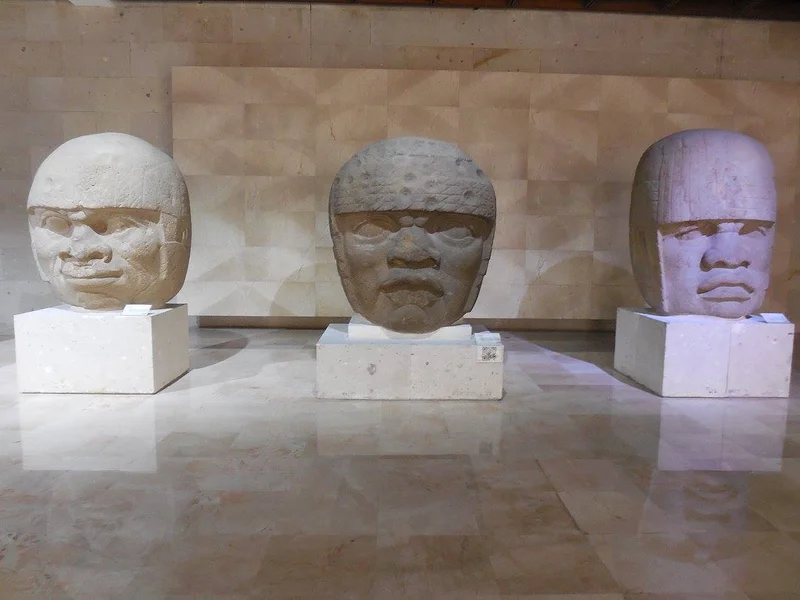
Ten minutes from the center heading east, the Hacienda San Francisco Toxpan bears witness to the region's sugar past. It was one of the first sugar mills in colonial Mexico. Today, the site houses a museum about local archaeology and the history of sugarcane. The adjacent archaeological zone reveals pre-Hispanic ruins that are still being studied.
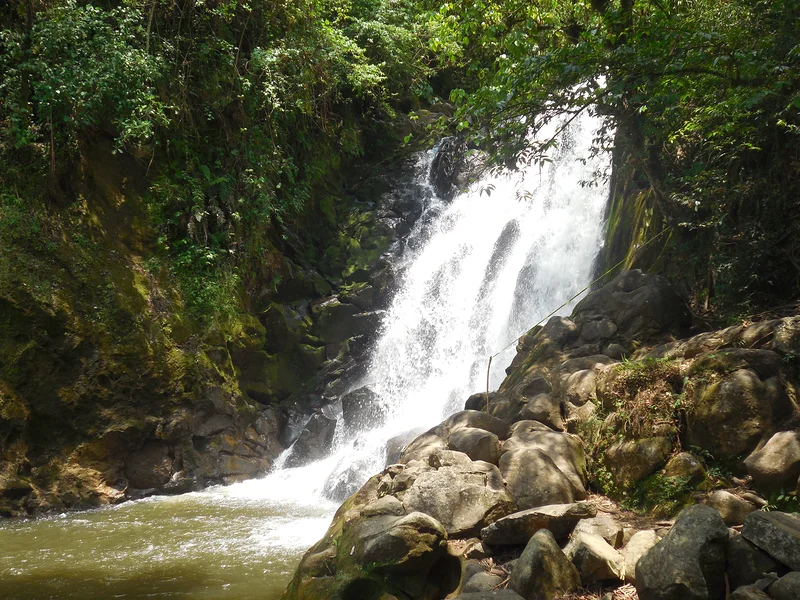
For thrill-seekers, Fortín de las Flores, ten minutes away, offers paragliding with mountain views. The pozas del río Atoyac near Amatlán de los Reyes, also 30 minutes away, allow for swimming and kayaking in a natural setting. The cable car in Orizaba and the Pico de Orizaba, the highest peak in Mexico at 18,491 feet (5,636 meters), attract more experienced hikers.
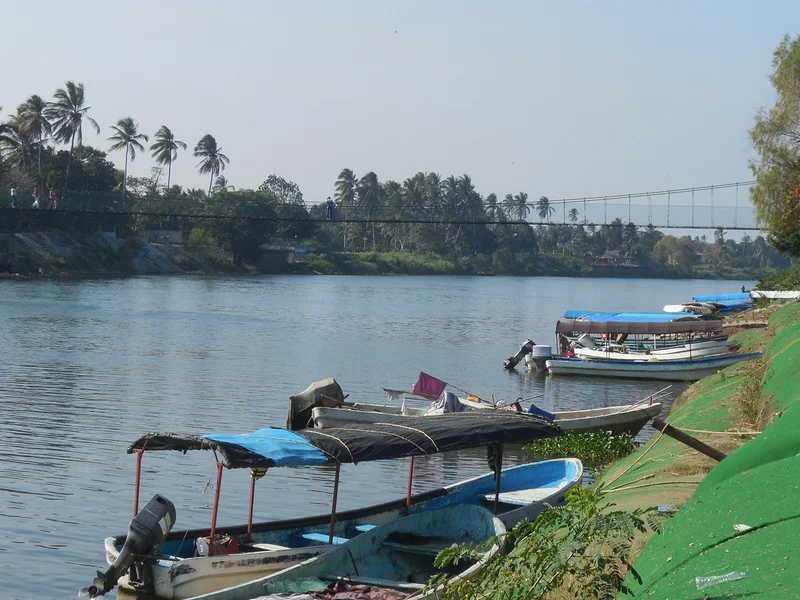
A boat trip in a trajinera on the Laguna El Porvenir offers a peaceful alternative, ideal in the late afternoon when the light turns golden.
The legend of the Mulata de Córdoba
It is impossible to stay here without hearing this story. During the time of the Inquisition, a beautiful mixed-race woman named Soledad lived alone in Córdoba. Her beauty and healing talents sparked as much admiration as suspicion. When the city alcalde was rejected by her, he accused her of witchcraft, and she was imprisoned in the fortress of San Juan de Ulúa at the port of Veracruz. The night before her execution, she asked for a piece of charcoal. The next day, the guards discovered on the wall of her cell the perfect drawing of a ship with sails billowing. The Mulata had disappeared, having sailed away, according to witnesses, on the drawn ship that vanished into the open sea. You can still visit the supposed cell at San Juan de Ulúa.
Where to eat and drink in Córdoba?
Local gastronomy reflects the diverse heritage of Veracruz. Tepejilotes, palm shoots served with eggs or meat, are a regional specialty. Chileatole, a spicy corn soup, and tamales rancheros are easily found at market stalls. For those with a sweet tooth, calabaza en tacha and cocadas will satisfy your cravings.
Under the arcades of the main plaza, several cafes serve the famous local coffee accompanied by picadas, thick tortillas topped with beans, cheese, and salsa. The Centro Cultural Casa Baltazar, a converted roasting factory, offers a more contemporary setting for coffee, complete with hammocks upstairs and a regular cultural program.
Where to stay in and around Córdoba?
The city center holds most of the hotel options. Accommodations around Parque 21 de Mayo allow you to enjoy the plaza's activity on foot. Hotel Layfer and Hotel Palacio are among the best-rated addresses for their location. For more comfort, the Comfort Inn Córdoba on the outskirts has a pool and pleasant gardens. Families will appreciate Villas Layfer, which offers kitchenettes and green space.
Travelers looking for charm can stay in Fortín de las Flores, a neighboring town known for its flower gardens and a quieter atmosphere.
How to get to and around Córdoba?
From Mexico City, ADO buses depart regularly from the TAPO station and the international airport. Expect a trip between 4.5 and 6 hours depending on traffic and the class chosen. Fares range between 500 and 900 MXN (about $28-$50*). From the port of Veracruz, the trip takes only 1.5 hours for about 200 MXN (about $11*). Orizaba is only 30 minutes away.
By car from Mexico City, take the 150D highway toward Veracruz. The drive takes about 3.5 hours. For travelers from North America, the closest airport is Veracruz, reached by connecting in Mexico City on a one-hour nonstop hop. Puebla airport is an alternative with a drive of just over 2 hours.
Once you arrive, the center is easily explored on foot. For excursions to the fincas or natural sites, taxis and organized tours are the most practical options. Renting a car offers more freedom but requires extra vigilance on the roads.
When to go?
The period from March to May combines pleasant temperatures with low rainfall. The months of October and November also offer good conditions, coinciding with the start of the coffee harvest. Avoid September if possible, as it is the rainiest month with a risk of tropical storms. The Festival of the Treaties of Córdoba brings the city to life every year around August 24 with concerts, theater, and patriotic celebrations. The International Jazz Festival also attracts visitors to the Teatro Pedro Díaz.
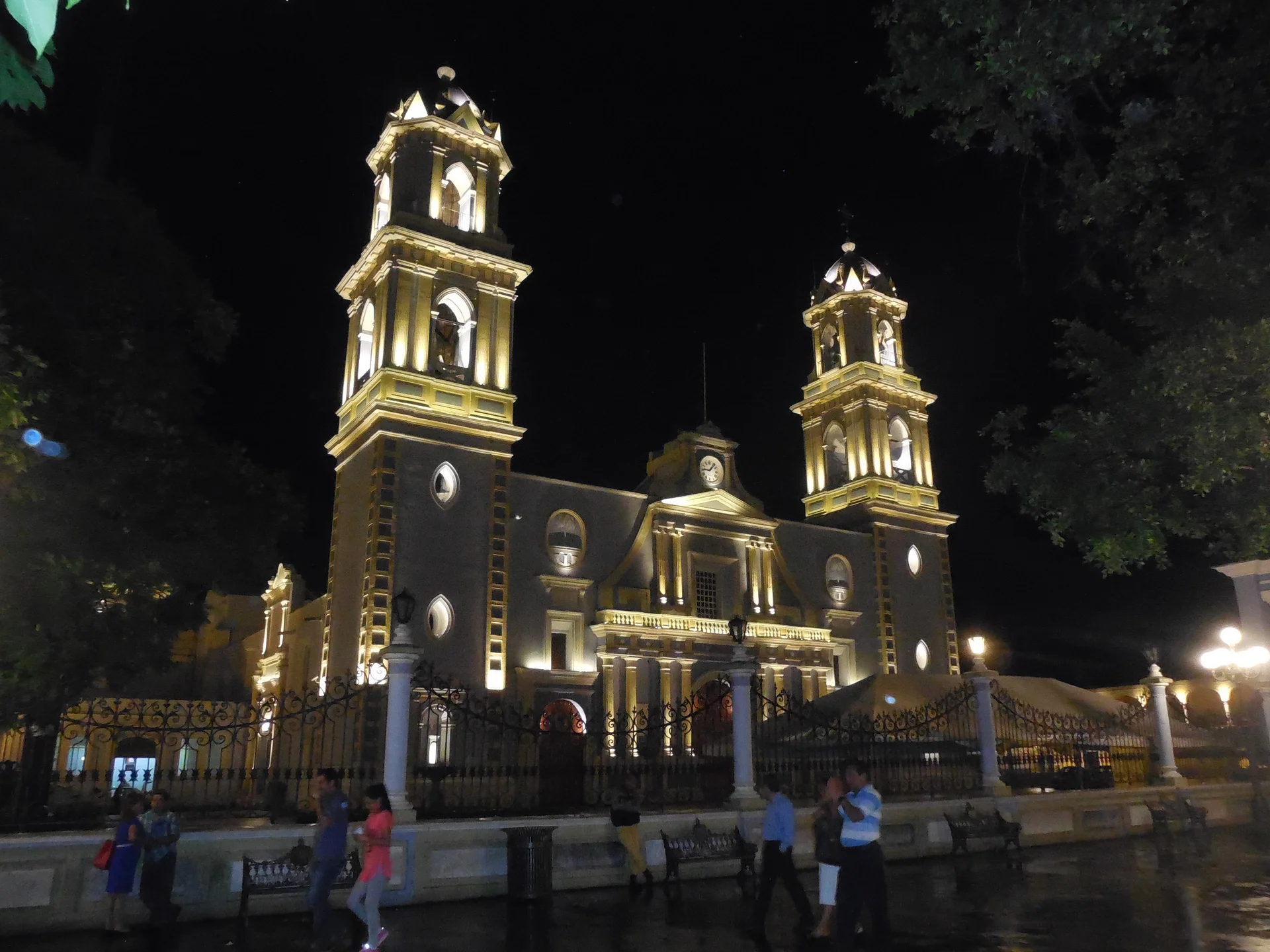
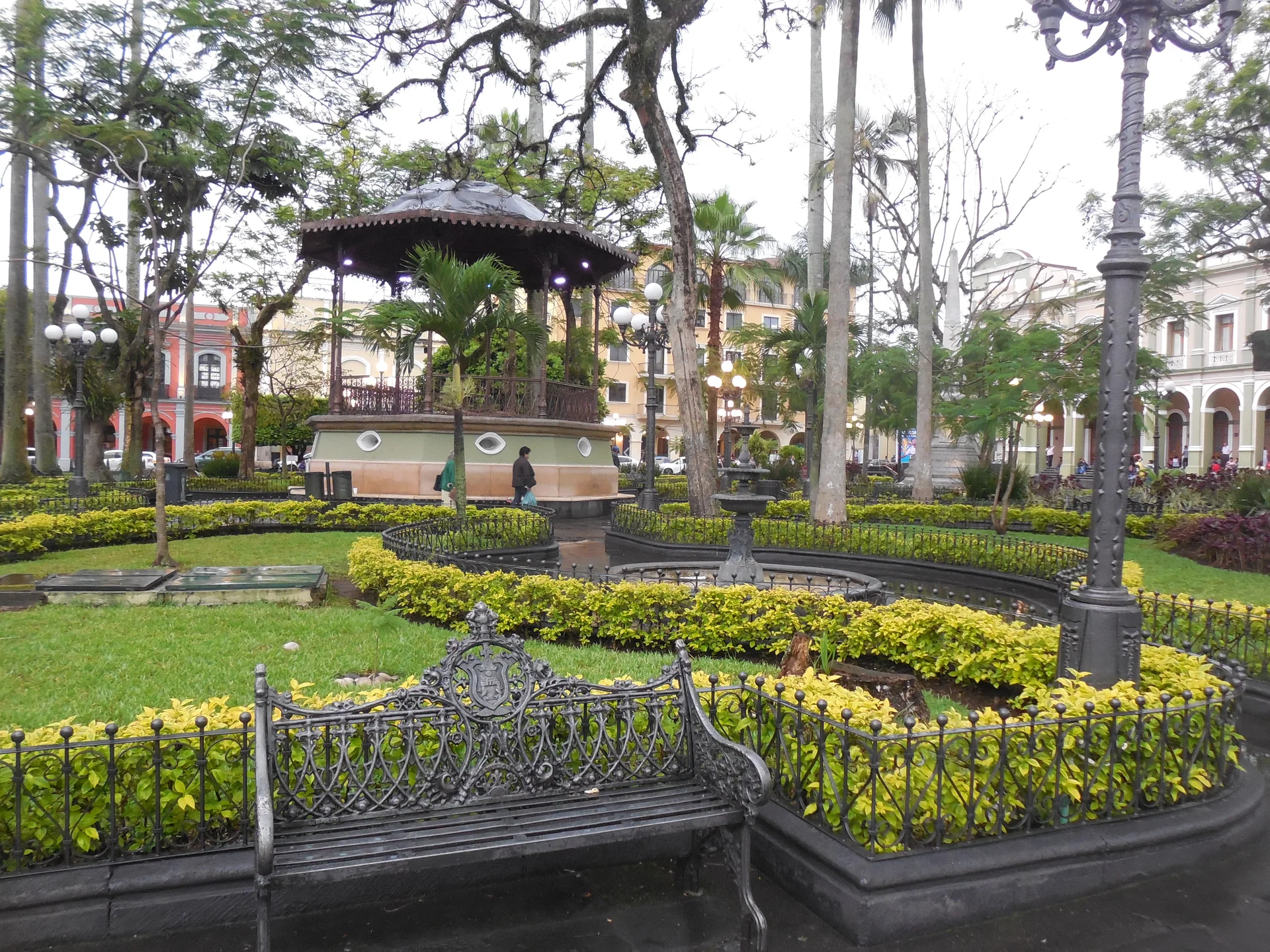
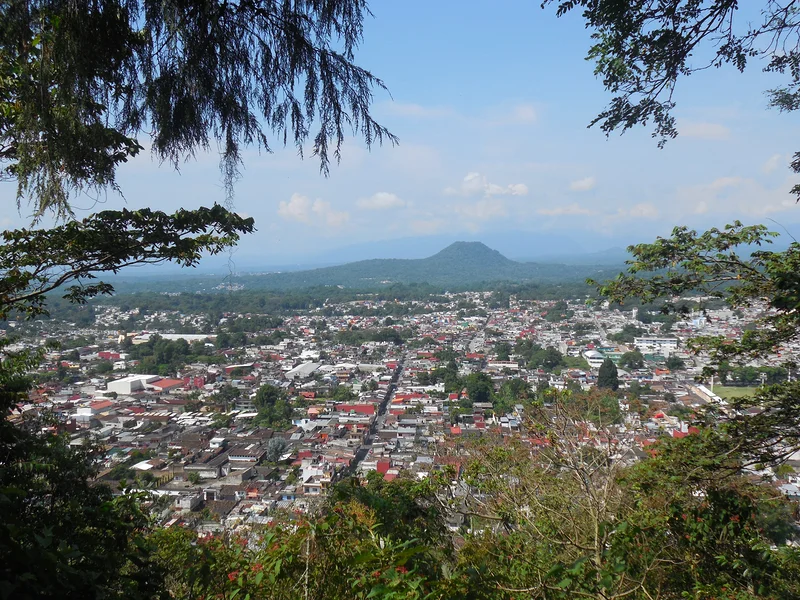
On the way from Veracruz to climb Pico de Orizaba, the highest peak in Mexico, you can stop in Córdoba to visit its coffee museum and relax in the square in front of the cathedral, while watching people dance the danzón to the sound of marimbas.