Visiting Guatemala
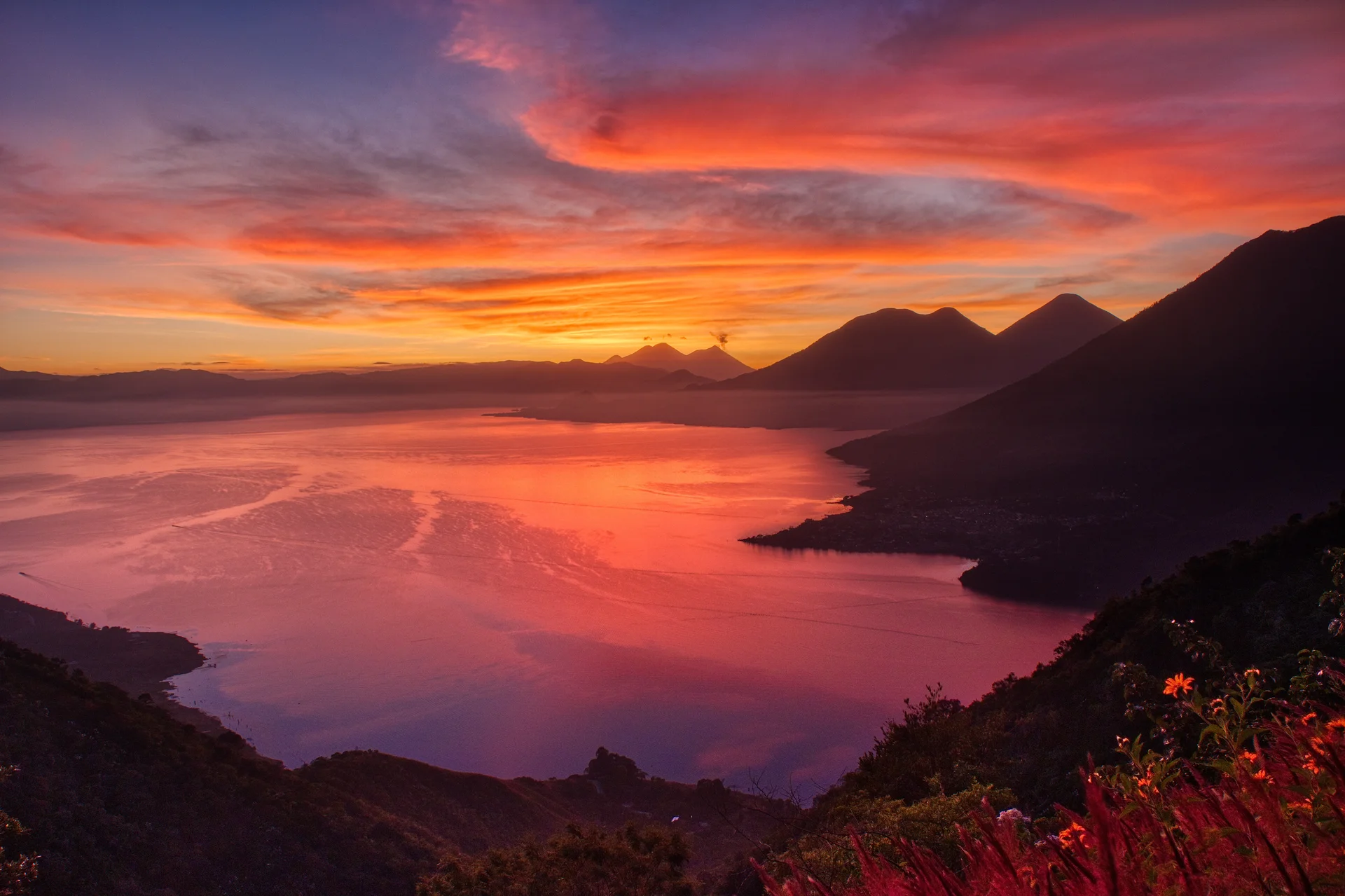
Guatemala has a way of hooking you fast. It is comfortably the most geographically diverse nation in Central America, with only 2% of the land urbanized, leaving the rest to dense, untamed wilderness.
Guatemala City, your starting point
Trips usually kick off in Guatemala Ciudad, the capital. It is worth hanging around for a couple of days to check out the museum collections. The Maya were master sculptors, and the city's galleries display countless stone carvings and statues.
Even so, most travelers move on pretty quickly, stopping only to sample the heavy-hitting nightlife before heading out.
Quetzaltenango and mountain hot springs
The country's second-largest city, Quetzaltenango, plays by a completely different set of rules. Sitting more than 2,300 meters up in the mountains between towering volcanoes, the city was built right over an ancient K'iche' settlement. People come here to soak in natural thermal hot springs and explore the surrounding indigenous mountain villages.
Other cities worth a stop
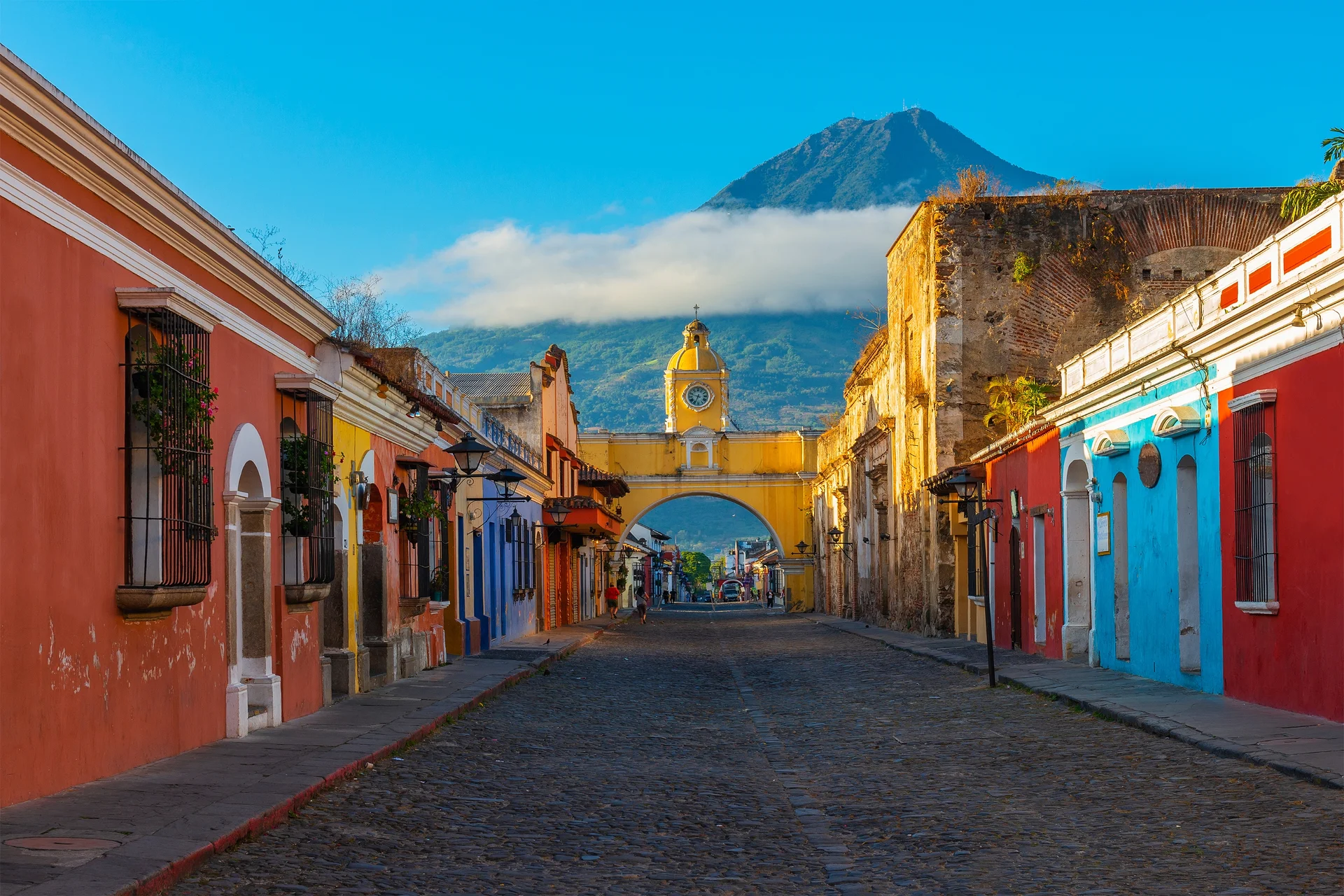
Spanish colonial rule left deep architectural footprints across Guatemala. Antigua stands out as a prime example, where centuries-old former monasteries rise up right among working coffee farms and towering volcanic peaks.
Taking a boat ride down the Rio Dulce, with a stop in the multicultural coastal town of Livingston, is well worth adding to the itinerary.
Tikal, the crown jewel
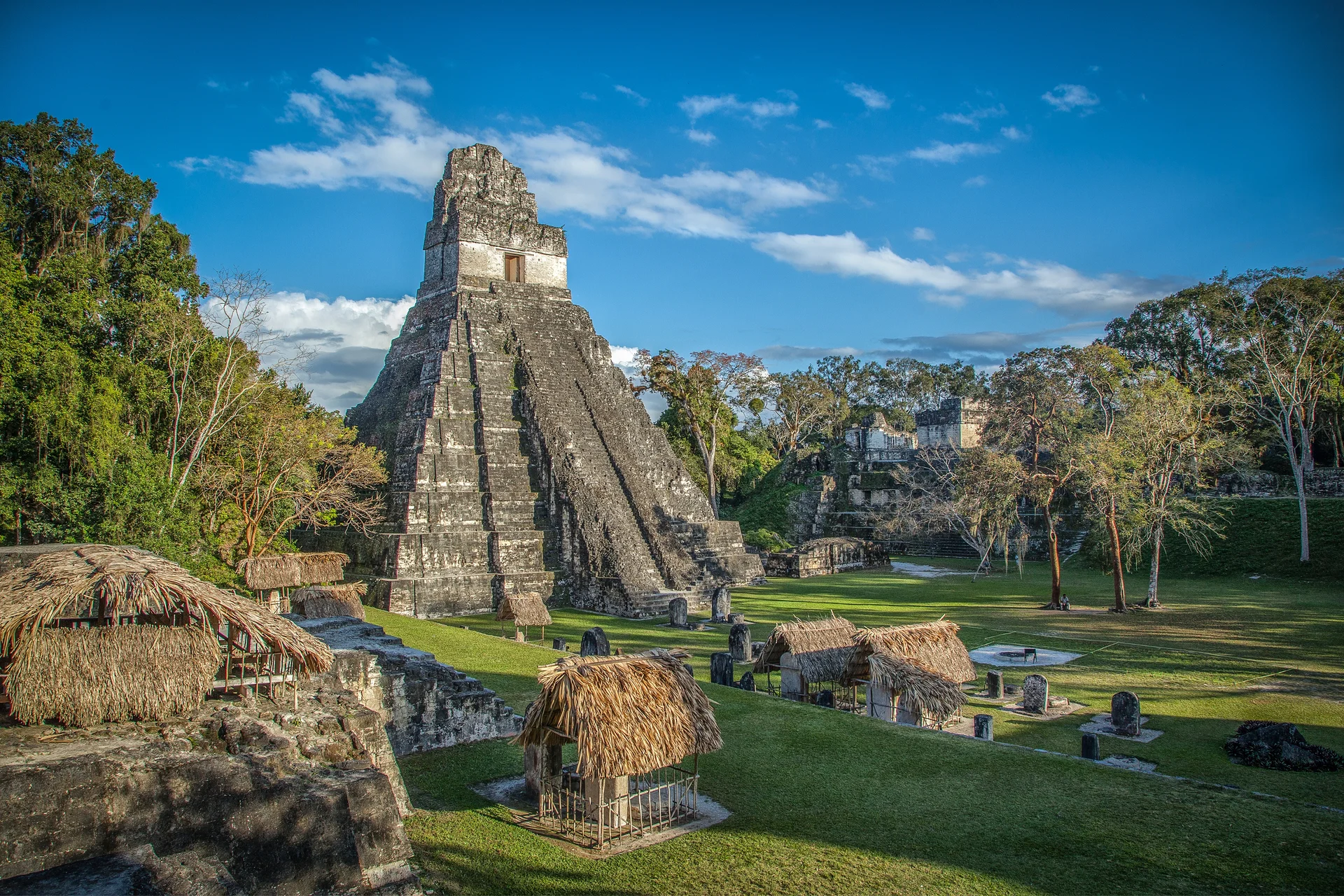
The undisputed heavyweight of Guatemalan archaeology is Tikal. The towering step pyramids rising straight out of the dense jungle leave a lasting impression, especially at dawn before the crowds filter in. This former Maya capital is the country's ultimate historical site.
Volcanoes, oases, and Maya culture
Volcanoes dominate the terrain, and guided treks will take you up to the highest summits in the country. Ready to decompress after the climb? Take a swim in the turquoise stair-step limestone pools at the Semuc Champey oasis, widely considered one of the finest natural swimming spots in the country.
No trip here is complete without engaging with Maya culture. Out in the Ixil region, you will see locals wearing traditional daily attire. A morning at Chichicastenango Market, the largest indigenous market in the country, hits you with a wall of sound, color, and smoke from copal incense, making it the right place to pick up hand-woven textiles or carved ceremonial masks.
Guatemalan food and drink
Local cooking blends ancient Maya traditions with colonial influences, resulting in dishes packing deep, authentic flavors. Do not skip pepián, a thick, spiced seed-and-chili meat stew, or tamales wrapped in banana leaves with savory fillings.
To drink, atole, a warm and comforting corn-based beverage, along with the intensely aromatic local coffee, rounds out the culinary experience.
When to go
The dry season runs from December to mid-April. The rainy off-season from April through September brings far fewer tourists, but downpours are heavy. Keep a close eye on the weather in October, when tropical storms and hurricanes hit the region frequently.
How to get there
The country has two international airports, La Aurora in Guatemala City and another in Flores. Nonstop flights reach Guatemala City from Miami, Houston, Dallas, Atlanta, and Los Angeles in roughly three to five hours, so most US travelers get there in a single hop.