
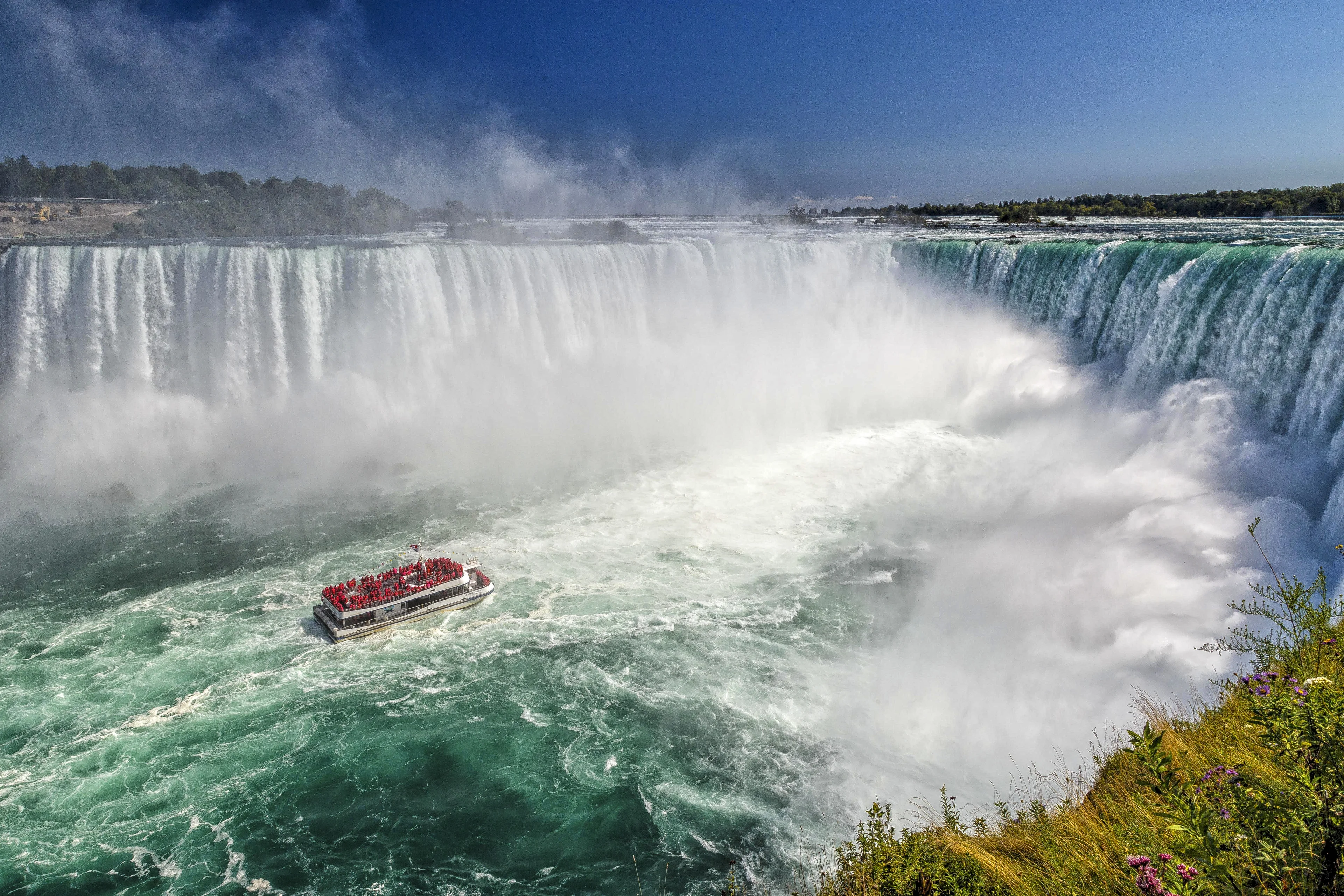

Niagara Falls at a glance
You have seen Niagara Falls on screens your whole life. The real thing hits different, scaling past expectations and staying with anyone fortunate enough to stand at the edge.
Massive proportions
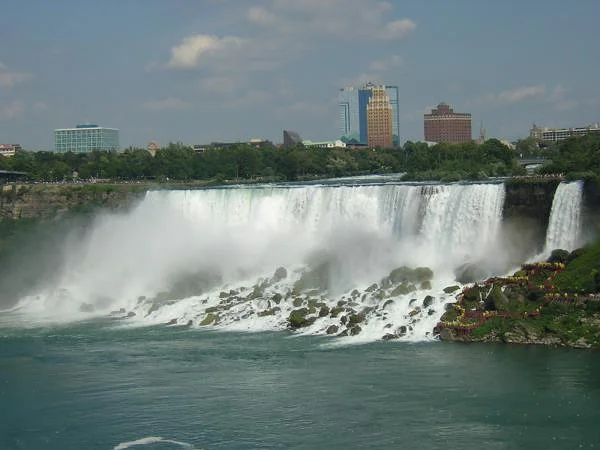
Straddling the border between the United States and Canada, Niagara Falls is famous for sheer scale: 675 meters (2,215 feet) long, 54 meters (177 feet) high, and pouring more than 168 million liters of water over the ledge every single minute. The volume reaches 2,800 cubic meters per second, making it the most powerful flow in North America. The system breaks down into three distinct sections: the American Falls, the Horseshoe Falls on the Canadian side, and the Bridal Veil Falls. They sit on the Niagara River connecting Lake Erie and Lake Ontario, flanked by the twin border cities of Niagara Falls.
On foot, by boat, or from the air
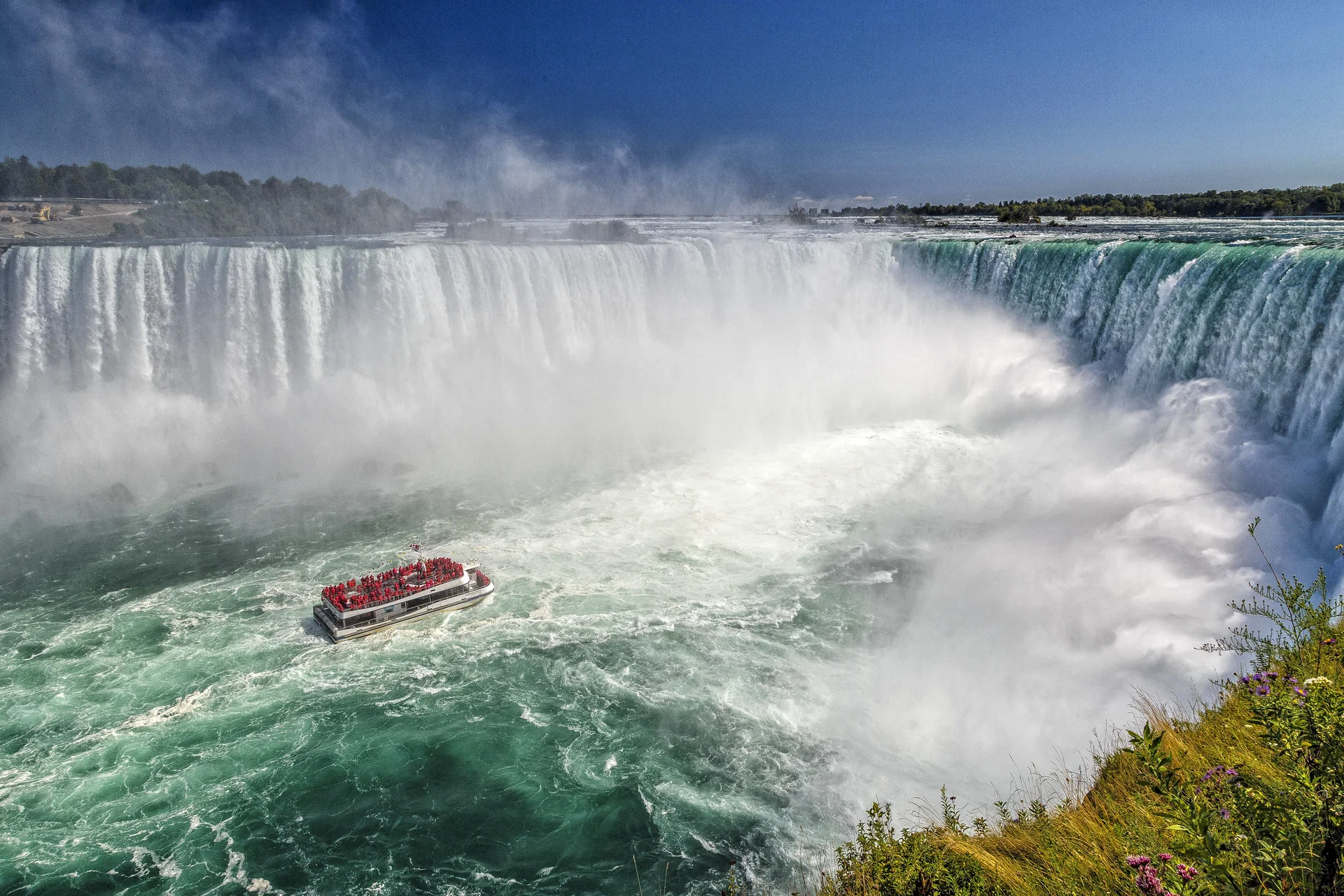
They might not hold the record for the highest waterfalls on the planet, but the raw power and width command attention. You can take in the scenery from walking paths along the gorge or board a tour boat to get right up against the roaring mist. If your travel budget allows, a helicopter tour gives you an aerial perspective from above. Some of the best pedestrian viewpoints require a ticket, but the panoramic views justify the cost. Most travelers agree that the Canadian side offers the more dramatic vantage point.
Pack a waterproof jacket
During the summer months, Niagara Falls features nightly illuminations running until midnight, casting colored lights across the cascading water. Even when the weather is warm, pack a fleece and a rain jacket. The sheer force of the water drops the local temperature, and the heavy spray will soak you through in seconds. Once you finish at the falls, do not linger in the tourist-heavy city of Niagara Falls itself, which offers limited appeal. Head out to explore the rest of Ontario for nature reserves, local vineyards, and hiking trails.
When to go
Plan your visit for the warmer months, roughly from May through September or October. The water volume peaks during this window, and sunlight hits the mist to create rainbows. Skip the stretch from December through March when freezing temperatures and ice take over.
How to get there
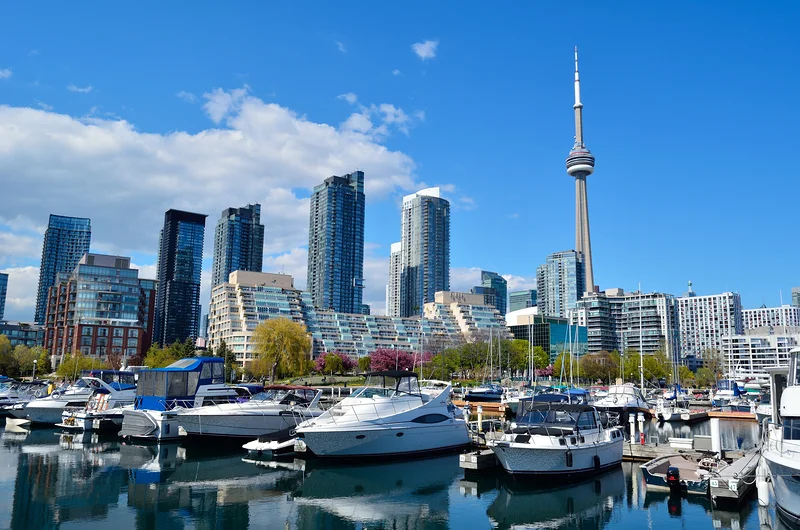
Most travelers make the trip from Toronto, located 120 kilometers (75 miles) away. From there, you can rent a car or book a seat on a bus. The drive takes about an hour and forty minutes, and round-trip bus tickets through operators like FlixBus or regional GO Transit run around thirty dollars. Group day tours are also widely available from the city.
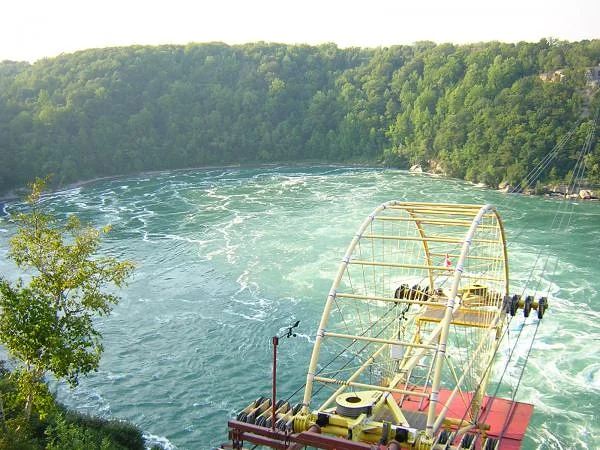

This city was designed just to live off the money of tourists coming to visit Niagara Falls. Not much of interest here on its own, compared to other places. Don't spend more than one night, maybe even less, since there are tours to see the falls that go back and forth in a single day from nearby big cities, especially Toronto.