
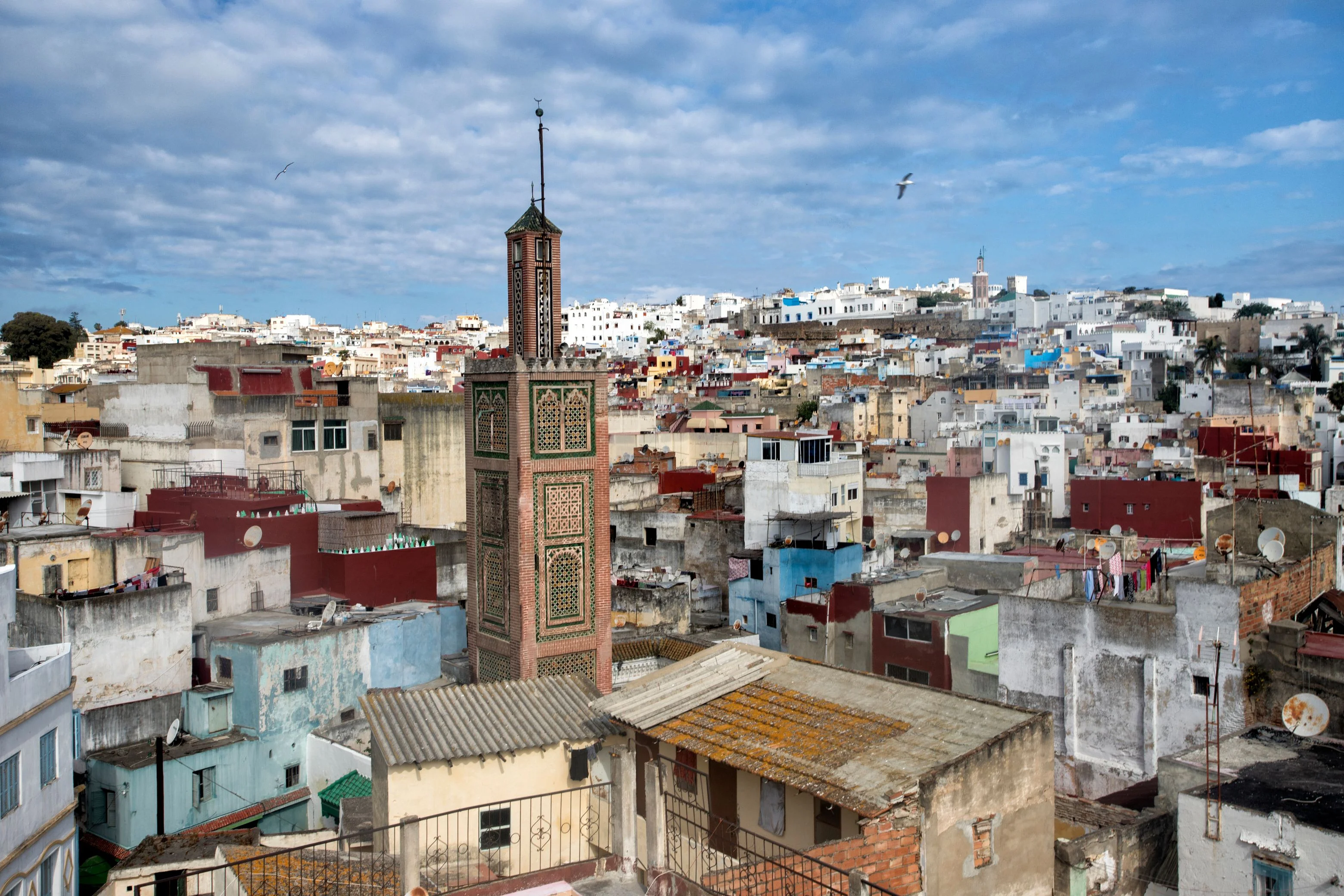
Fez at a glance
Fez holds its own against Marrakech, its more famous Moroccan sibling. This imperial city boasts a history stretching back over 1,200 years, and lately, it has cemented its reputation as a premier destination in the Maghreb.
The medina, a world apart
The heart of Fez is its sprawling medina, a UNESCO World Heritage site since 1981. It is the largest in North Africa, a labyrinth of more than 9,000 narrow alleys. While it sounds counterintuitive, getting lost in the medina, known as Fes-el-Bali, is the best way to see it. You enter through one of the fourteen sacred gates built in the 12th century that still encircle the old city. Bab-Boujloud is the most impressive, decorated with intricate blue and green tiles. The main commercial arteries, Talaa-Kbira to the north and Tala-Seghira to the south, are packed with food stalls and merchants, creating a sensory overload of noise, scents, and colors. Local cooperatives offer a look at the craft of argan oil production, traditional Moroccan pastries, and weaving. The Bou-Inania madrasa is the medina's architectural crown jewel. It is a masterpiece of carved bronze, painted cedar wood, onyx, marble, and tile. The Merinid Tombs are also worth the trek, if only for the sweeping view of the medina at sunset.
Mosques, festivals, and tanneries
The new city, Fes-el-Jedid, holds its own collection of significant landmarks. Karaouine is both the world's oldest university and a vital mosque. It is massive, capable of holding 20,000 worshippers. Since entry is restricted to Muslims, non-practitioners can only admire it from the outside. The Batha Museum, housed in a 19th-century summer palace, displays a fine collection of Moroccan art and crafts, including sculptures, Berber textiles, and musical instruments. Its Andalusian-style garden hosts the Festival of World Sacred Music every year. It is one of the largest festivals of its kind, drawing musicians from across the globe, alongside literary debates, film screenings, and exhibits. The Nejjarine Museum of Wooden Arts and Crafts is another essential stop.
The tanneries offer a truly unique experience. Near Place as-Seffarine, the Chouara Tanneries produce leather known for its durability. If you arrive in the morning, you can watch artisans working in the massive vats filled with natural dyes.
When to go
Fez enjoys mild weather year round, but spring and autumn are the most comfortable times to visit. Summer heat can be intense, often reaching temperatures that feel stifling. June is an excellent time to visit if you want to catch the Festival of World Sacred Music.
Getting there
Flights from Europe are frequent and quick. If you are flying from major hubs, you can often find competitive airfare during the off-season, with tickets sometimes starting as low as 40 EUR (about $44).
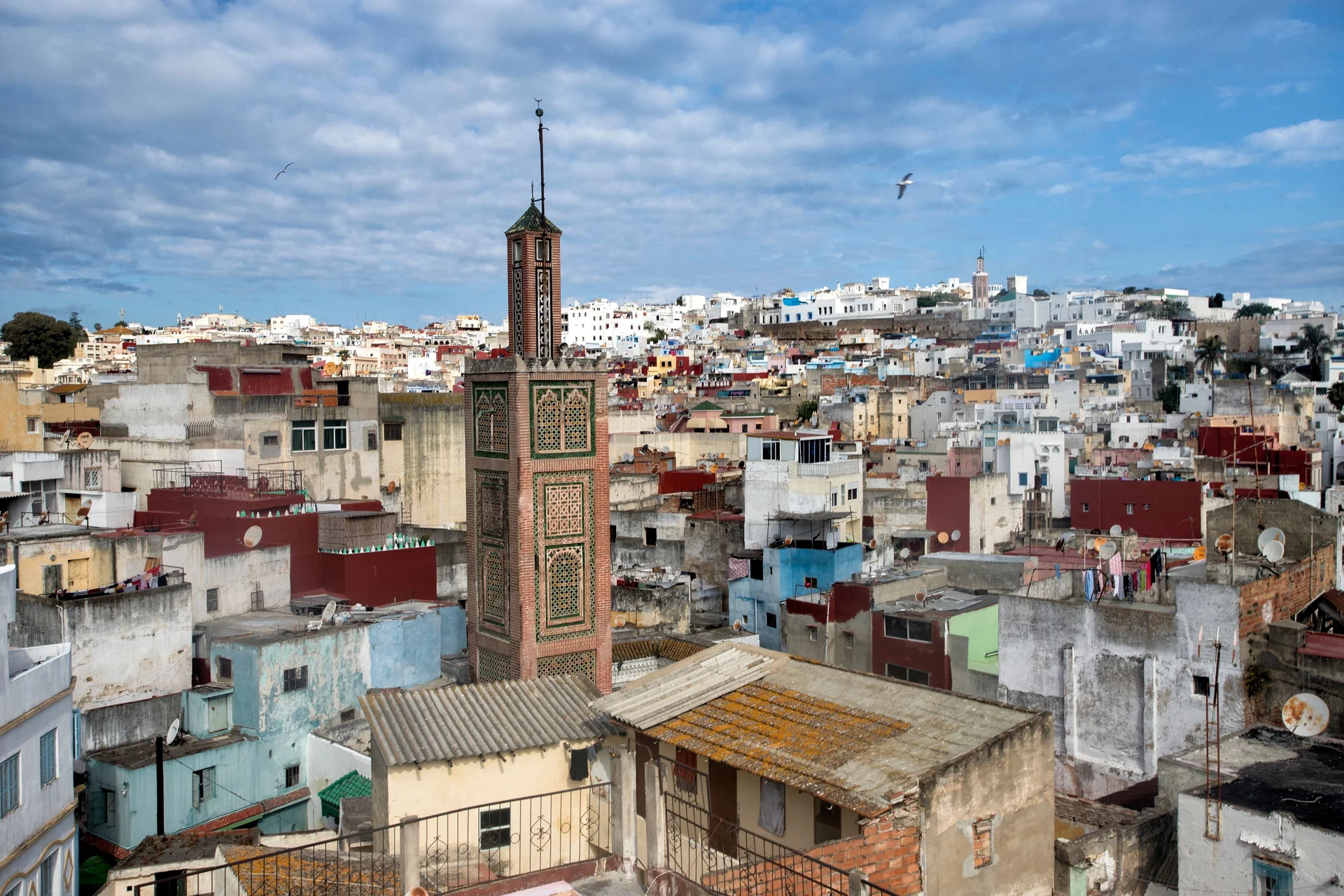
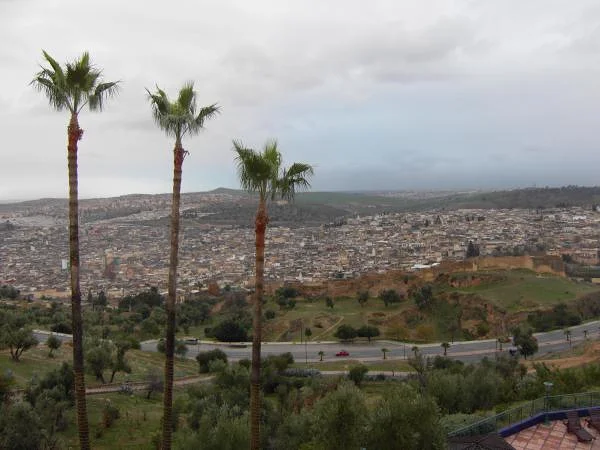
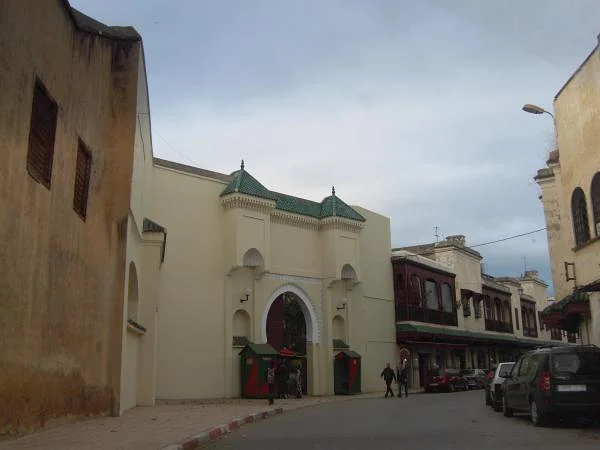
Fez is an incredible city, an absolute must-visit during a trip to Morocco. You get woken up by the sound of prayer, because there are mosques on every street corner. The streets are very narrow, a real maze. Every step is a discovery.
You have to go up to the carpet merchants' rooftops to see the large vats for dyeing leathers and skins. Fez is well known for its craftsmanship. It is the perfect place to buy bags and carpets.