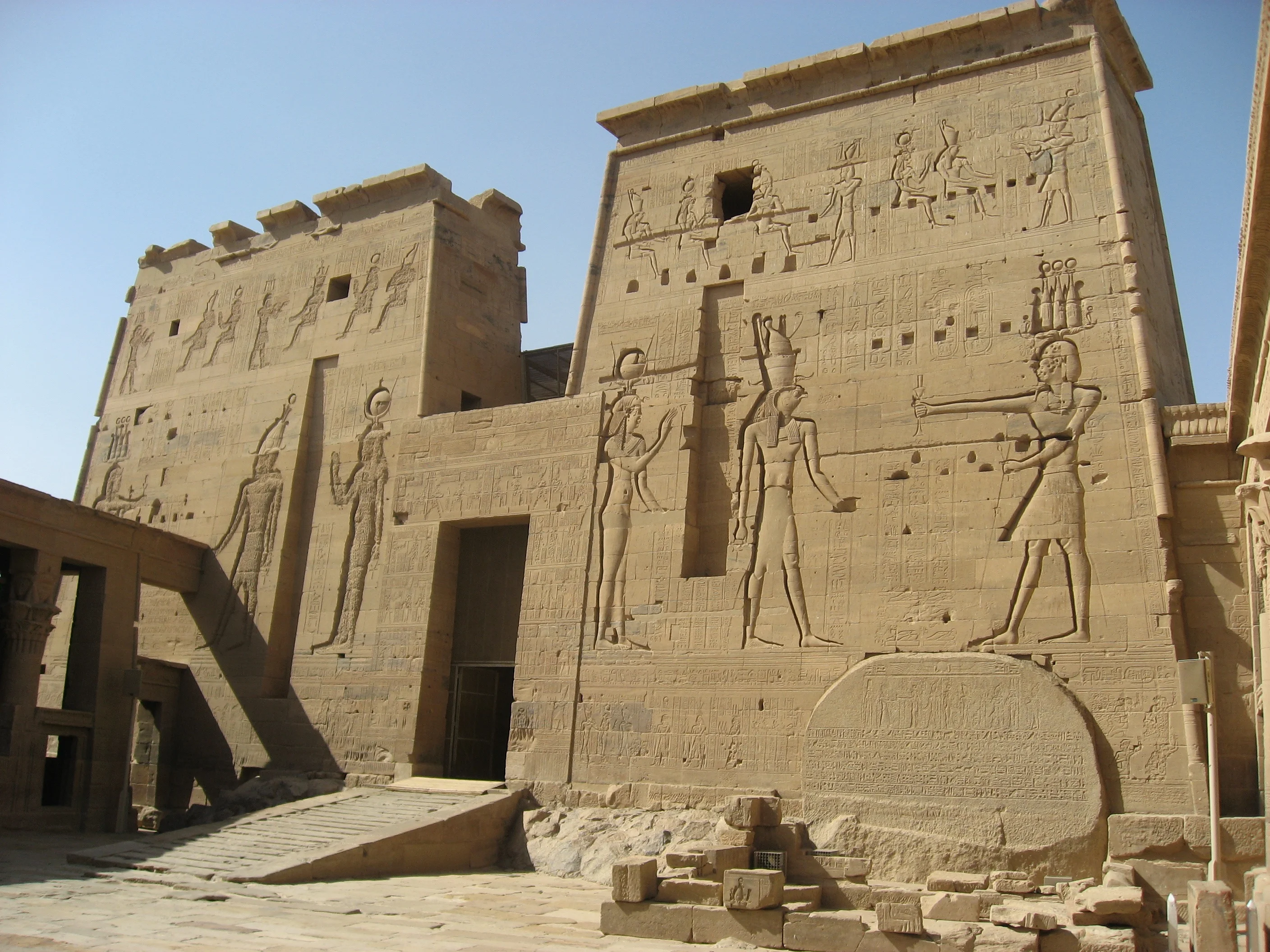
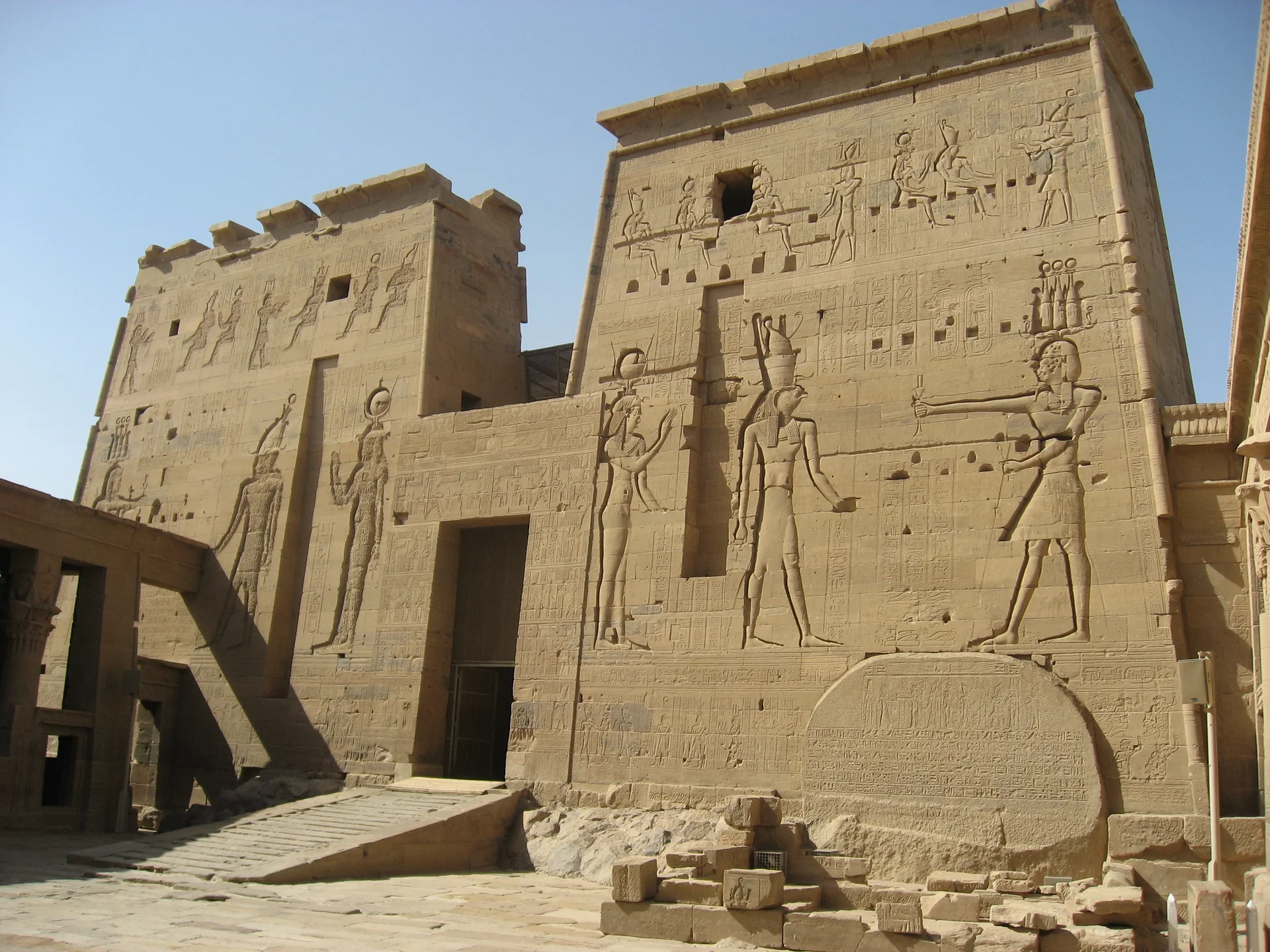
Temple de Philae à Assouan

Things to do in Aswan: top 4 must-see attractions

Looking for inspiration to visit Aswan? Browse the attractions our traveler community loves most — historic sites, cultural visits, scenic walks and laid-back spots...

Top 4 attractions our members recommend

Philae Temple

#1 Philae Temple +9 4.5

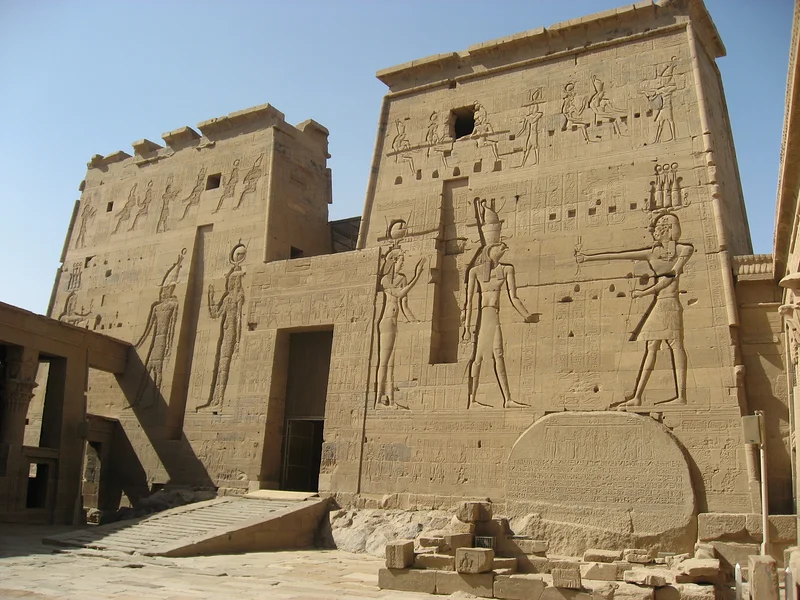
Bâti en partie sous l'égide de Nectabéno 1er, le Temple de Philae est un sanctuaire religieux dédié à la déesse Isis. Ce véritable joyaux qui date du IVe avant notre ère a bien failli être englouti par les eaux du Haut Barrage d'Assouan, il a dû être démantelé et reconstruit à l'identique sur une île voisine, celle d'Aguilkia. Il comprend de nombreux vestiges et des monuments remarquables comme le Kiosque de Trajan.

Unfinished Obelisk

#2 Unfinished Obelisk +6 4

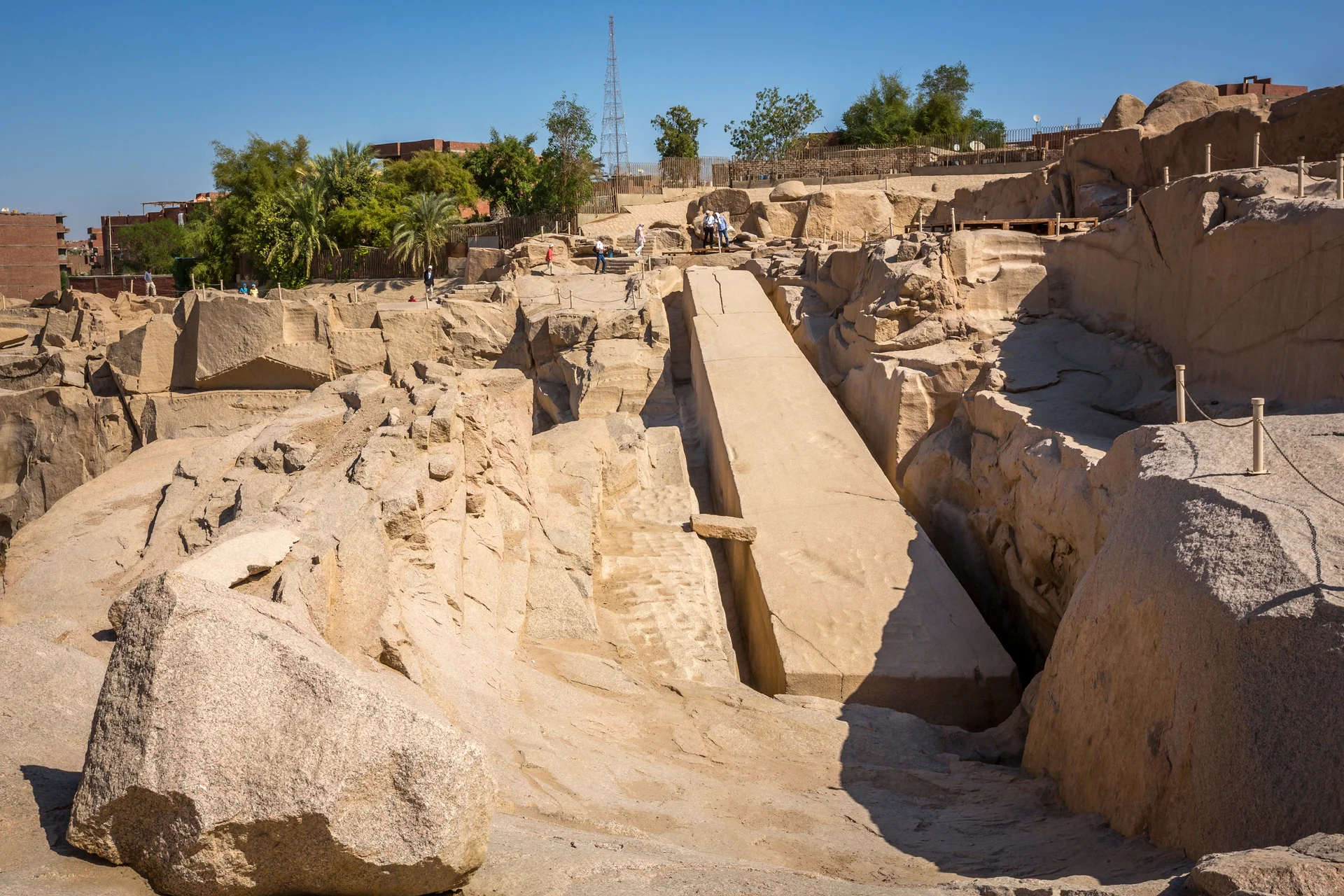
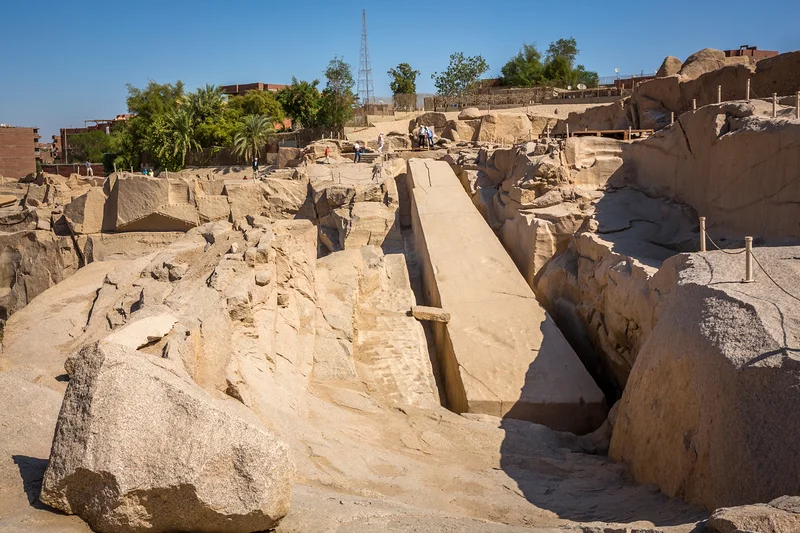
Reposant dans une carrière de granit à Assouan, l'obélisque inachevé mesure 42 mètres et aurait été le plus grand obélisque jamais érigé. Abandonné en raison de fissures, il révèle les techniques ingénieuses des anciens Égyptiens pour extraire et sculpter le granit. Ce site offre un aperçu unique de l'importance religieuse et symbolique des obélisques, dédiés au dieu soleil Râ, tout en mettant en lumière l’activité industrielle historique de la région d’Assouan.

Voir le guide View offers
Temple of Kom Ombo

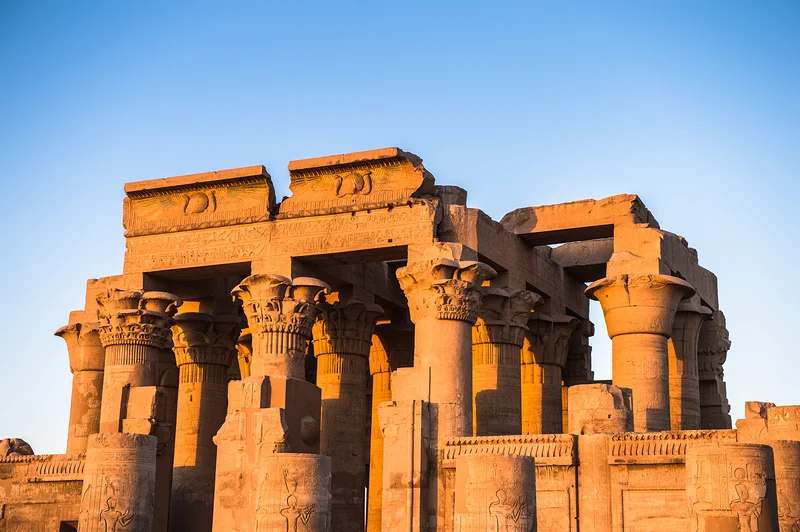
#3 Temple of Kom Ombo +6 4

Se dressant sur les bords du Nil à 50 km au nord d’Assouan, le temple de Kom Ombo est unique en Égypte grâce à sa double consécration à Sobek, le dieu crocodile, et Horus l’Ancien, le dieu faucon. Ses deux sanctuaires symétriques et ses reliefs bien conservés fascinent les visiteurs. Un musée adjacent expose des crocodiles momifiés, témoins des pratiques religieuses antiques. Facilement accessible, ce site offre une expérience mêlant architecture, mythologie et paysages remarquables.

Voir le guide View offers
Elephantine Island

#4 Elephantine Island +6 5

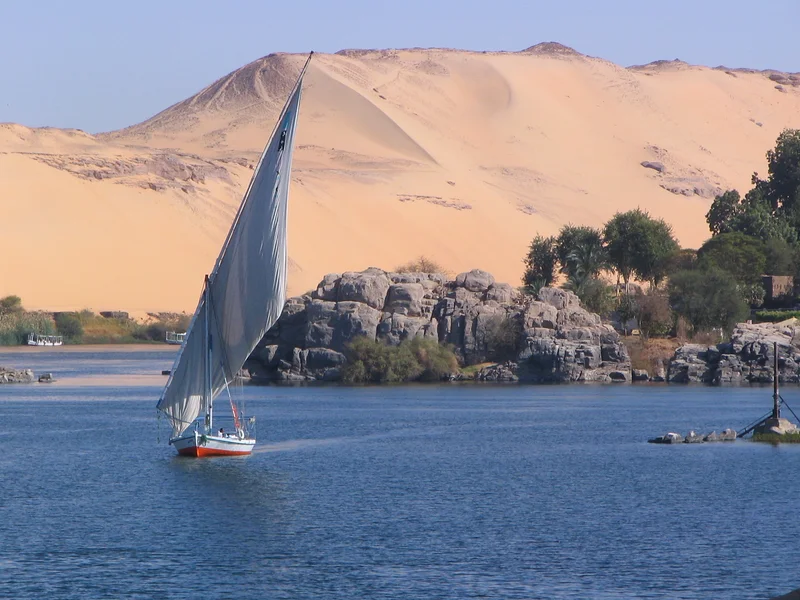
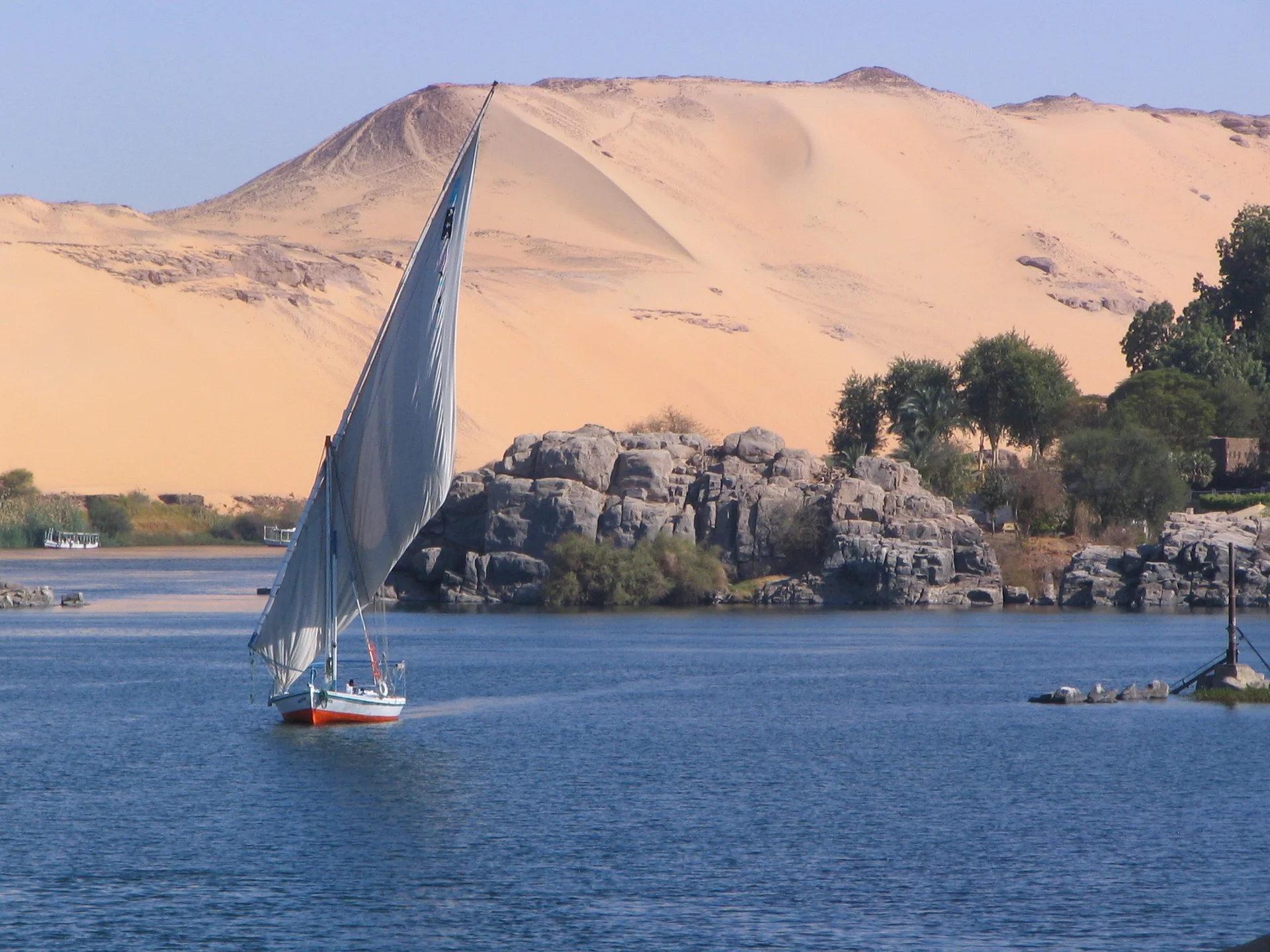
Faisant face à Assouan, l’île Éléphantine offre un mélange de vestiges historiques et de paysages sereins. On y découvre le temple de Khnoum, les ruines de Satis et des nilomètres, témoins de l’importance religieuse et économique de l’île. Le musée archéologique expose des artefacts locaux, tandis que les villages nubiens apportent une touche culturelle vivante. Accessible en felouque, ce site combine histoire et authenticité dans un cadre paisible au cœur du Nil.

Voir le guide View offers

Map of must-see attractions in Aswan

Visiting Aswan

Perched on the east bank of the Nile, Aswan serves as Egypt's southernmost major city, acting as a cool oasis amidst the desert. As the gateway to the ancient Kingdom of Nubia, it has a history deeply rooted in trade routes and caravans. While many travelers treat it as a fleeting pit stop before heading to the temples of Abu Simbel, the city itself possesses a distinct character defined by its lush, green landscapes, scenic islands, and significant historical sites.

A market you cannot miss

Navigating Aswan is straightforward, as the corniche runs along the Nile for several miles, concentrating most of the city's cafes and restaurants. It makes for a pleasant stroll, with the city unfolding into the streets perpendicular to the water. The souk is one of the city's most vibrant landmarks. Day or night, this large covered market is packed with vendors, and the stalls overflow with Egyptian and African goods including perfumes, spices, textiles, handicrafts, incense, fruits, and flowers. It is the place to hunt for deals, and on the outskirts, Nubian culture is on display through traditional items like talismans, jewelry, and basketry. The market is a sensory experience of color and scent. A local specialty is stuffed pigeon, often prepared with rice, served on skewers, or simply grilled. You will also find molokhia (a traditional vegetable soup), eggplant dishes, mezzes, tahini, and fresh fish. Pair your meal with local flatbread, fresh fruit juices, and a Nubian coffee spiced with cardamom.

Island hopping

Directly across from the city center, Elephantine Island is a must-see. You can reach it by hiring a felucca, one of the traditional sailboats that remain the most common way to get around on the water here. Siou and Koti, two Nubian villages, sit nestled between farm fields and palm groves on the island, where the colorful homes create a quiet, timeless atmosphere. You can explore the ruins of the Temple of Khnum, dedicated to the ram-headed deity. Within this archaeological site, you will find the nilometer, which is arguably the most famous staircase used to measure the Nile's annual flood levels. Colonnades decorated with hieroglyphs round out the site, and from here, you can see the elegant pink granite Aga Khan Mausoleum, built in 1959, overlooking the water. A small museum dedicated to Nubian culture provides context on the region's history, which is closely linked to the construction of the Aswan High Dam. You can visit the dam itself, and the recent Nile Museum offers a complete overview of the project.

The neighboring island is a small slice of paradise. Kitchener Island is home to the fabulous Botanical Garden, established in 1896. The relief provided by its greenery in the middle of the desert is striking. Plants, flowers, and trees from equatorial Africa, India, and tropical Asia create a lush canopy. The contrast with the arid sand on the opposite bank is sharp, and the garden serves as a peaceful refuge for birds.

On the west bank of the Nile, the Tombs of the Nobles feature long ramps used for transporting sarcophagi. It is a mysterious site that offers panoramic views. Further west, the Monastery of Saint Simeon sits atop a plateau. It was once home to 300 monks until 1321, and this complex of four buildings remains one of the most important monuments from the Christian era. With its 26-foot walls, it resembles a fortress and is remarkably well-preserved. About 1.2 miles from Aswan, the granite quarry houses the Unfinished Obelisk. Commissioned by Queen Hatshepsut nearly 1,500 years before the common era, the project was abandoned after the stone cracked, leaving us with a massive relic still lying in its excavation trench. Six miles away, on Philae Island, the Temple of Isis from the 4th century BCE is yet another architectural marvel. Aswan is a legitimate destination in its own right, offering a genuine and compelling experience.

When to go

The climate is arid and dry. It is most pleasant from December through February when temperatures are mild. From June through September, the heat can become extreme.

How to get there

You can find numerous flights into Aswan International Airport, located 12 miles from the city center. Public transportation and taxis are available for the transfer. If you are coming from Cairo, 520 miles away, you can take a sleeper train, which is a popular choice for the distance, or a direct 80-minute domestic flight.
Find the best deals to travel to Aswan

Activities and guided tours Hotels and stays Flights Custom trips

When to visit Aswan?

The most favorable period to discover Aswan covers:

January February March October November

Favorable months also include:

April September

Check the details below to fine-tune your choice based on your preferences!

Climate and atmosphere in Aswan month by month

January Very Favorable

Temperatures
9°C to 23°C
Sunshine
9h / day
Rainy days
0 days
Rainfall
0 mm

Aswan offers a calm atmosphere, perfect for exploring the colorful <strong>Sharia as-Souq</strong> market and <strong>Elephantine Island</strong> at your own pace. Morning excursions by felucca on the <strong>Nile</strong> provide a peaceful and authentic experience that is ideal during this time of year.

February Very Favorable

Temperatures
10°C to 26°C
Sunshine
9.5h / day
Rainy days
0 days
Rainfall
0 mm

February weather makes exploring ancient ruins like the <strong>Philae Temple</strong> comfortable and easy. In the evenings, local cafes are the perfect spot to sip mint tea while watching the flow of daily life along the <strong>Corniche</strong>.

March Very Favorable

Temperatures
14°C to 30°C
Sunshine
10h / day
Rainy days
0 days
Rainfall
0 mm

March brings ideal temperatures, making it a great time to visit the Aswan High Dam or the spectacular Abu Simbel temple for the Sun Festival. The atmosphere is welcoming, and the historic sites shine with a unique beauty.

April Very Favorable

Temperatures
19°C to 35°C
Sunshine
10.5h / day
Rainy days
0 days
Rainfall
0 mm

Nile cruises are at their best this month, with conditions perfect for taking in the lush green valley. It is an ideal time to visit Nubian villages and experience their legendary hospitality in peace, well before the peak summer crowds arrive.

May Favorable

Temperatures
23°C to 38°C
Sunshine
11h / day
Rainy days
0 days
Rainfall
0 mm

The heat is intensifying, so plan on using your mornings to visit the <strong>Saint-Siméon Monastery</strong> or to cool off in the <strong>Kitchener Island</strong> botanical gardens. The evenings remain comfortable for strolling along the busy banks of the <strong>Nile</strong>.

June Less Favorable

Temperatures
26°C to 41°C
Sunshine
12h / day
Rainy days
0 days
Rainfall
0 mm

Expect extreme heat that makes midday sightseeing nearly impossible. Plan your excursions for the early morning or late afternoon to avoid the peak sun. Spend your downtime at hotels with pools overlooking the Nile, then head to outdoor cafes once the temperature drops for a comfortable evening.

July Unfavorable

Temperatures
27°C to 42°C
Sunshine
11.5h / day
Rainy days
0 days
Rainfall
0 mm

Extreme heat keeps most people indoors during the day, but it is the perfect excuse to enjoy the quiet, air-conditioned galleries at the <strong>Nubian Museum</strong>. Once the sun goes down, the evenings are ideal for relaxing on shaded terraces overlooking the river while you enjoy local dishes.

August Unfavorable

Temperatures
27°C to 41°C
Sunshine
11h / day
Rainy days
0 days
Rainfall
0 mm

Despite the extreme heat, the city offers nighttime activities like moonlight boat rides. It is also a prime opportunity to experience the hospitality of Nubian families over a traditional meal shared in their homes.

September Less Favorable

Temperatures
25°C to 39°C
Sunshine
10h / day
Rainy days
0 days
Rainfall
0 mm

Temperatures drop slightly, making morning walks around <strong>Elephantine Island</strong> and its ancient ruins quite pleasant. Once evening hits, the atmosphere picks up with traditional performances along the banks of the <strong>Nile</strong> that draw both visitors and locals.

October Favorable

Temperatures
21°C to 36°C
Sunshine
9.5h / day
Rainy days
0 days
Rainfall
0 mm

October is a great time to browse the spice and craft markets without the intense heat of the summer months. The milder weather also makes excursions to Abu Simbel much more enjoyable, allowing you to explore the site comfortably.

November Very Favorable

Temperatures
15°C to 29°C
Sunshine
9h / day
Rainy days
0 days
Rainfall
0 mm

With perfect weather, this is the ideal time to explore historical sites like the <strong>Aga Khan Mausoleum</strong>. The streets come alive in the evening, as locals and travelers gather around stalls serving popular regional specialties.

December Very Favorable

Temperatures
10°C to 24°C
Sunshine
9h / day
Rainy days
0 days
Rainfall
0 mm

Late afternoons take on a festive energy as you watch the sun go down from the Corniche. Taking a ride on a felucca is a highlight this time of year, offering a clear view of the calm, sunlit Nile.

Weather charts for Aswan

Top photos posted by members

Temple de Philae à Assouan
Ile Eléphantine à Assouan
Obélisque inachevé

Traveler reviews on Aswan

Write a review

Reviews summary

On the city

No reviews on the city itself yet — be the first to write one!

On the attractions

10 reviews
+27
recos
  • Archaeological sites +9
  • Monuments +6
  • Islands +6
  • Temples +6