
Where to stay in Cape Town: the best neighbourhoods (2026)
In Cape Town, picking a neighbourhood is not about travel time. It comes down to what you will do at 9pm: walk to the restaurant, or call an Uber. That is what really separates the City Bowl, the V&A Waterfront and the Camps Bay coast road.
The five areas below are built around the places the Avygeo community recommends most, with the reviews to match. On budget, the city stays gentle on a European wallet: a dorm bed sits at about 15 EUR, a good double is negotiable between 60 and 130 EUR, and you have to aim for the seafront grand hotels to go past 300 EUR.
The plane arrived late in the day and we were afraid to venture outside the very secure downtown area.
Compare hotel prices in Cape Town
In a hurry? Find the best accommodation deals in 3 clicks.
Compare live deals from Booking, Expedia, Agoda and other partners.
At a glance: our picks by traveller type
Pick the profile that suits you to head straight to the recommended neighbourhood.
The neighbourhood map in Cape Town
Get your bearings on the neighbourhoods and must-see sights before choosing where to drop your bags. Click a name to jump to its description.
City Bowl, Company's Garden & Bo-Kaap City centre, below the Table
for history, museums and climbing streets
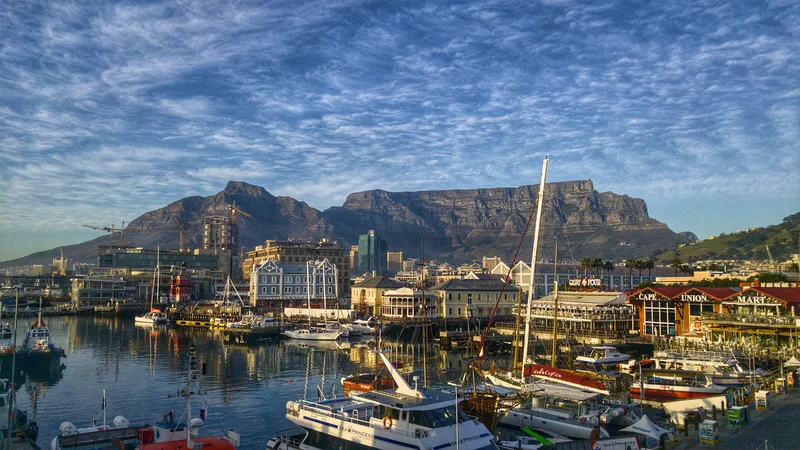
The historic core sits in a mountain amphitheatre: the Company's Garden, planted in 1652 to resupply passing ships, Parliament and the National Gallery around it, the District Six Museum telling the story of the apartheid evictions, then the bright facades of Bo-Kaap on the slopes of Signal Hill. Just above, Gardens and Kloof Street hold the best tables and the hostels. The downside: the business district empties out when the offices close, and you do not cross it on foot at night.
What to see & do in the area
Where to stay in this area
Mount Nelson, A Belmond Hotel Luxury
The pink grand hotel opened in 1899, its gardens and pools at the foot of the Table: its afternoon tea is a city institution.
Cape Heritage Hotel Mid-range
Seventeen rooms in a 1771 house on Heritage Square: rooftop jacuzzi and the Bree Street restaurants at the door.
never@home Kloof Street Budget
The Kloof Street hostel: dorms and en-suite private rooms, bars and restaurants on the same street.
Pros
- Museums, the Garden and Bo-Kaap on foot
- Cableway station ten minutes away
Cons
- Business district deserted at night
- Night journeys by car or Uber
V&A Waterfront & Green Point Northern seafront
for walking out at night without a second thought
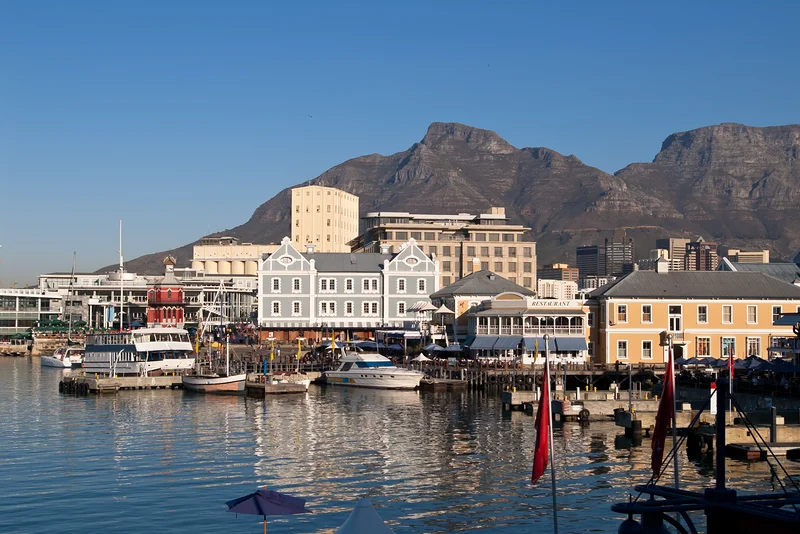
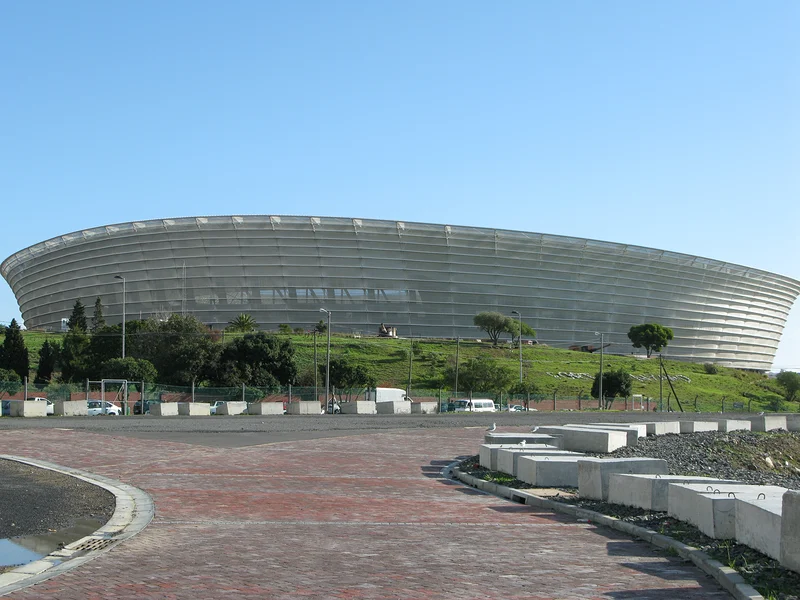
The harbour still works, but a small town has grown around it: seals between the tugboats, Two Oceans Aquarium, a big wheel, and the jetty where ferries leave for Robben Island, where Mandela spent eighteen years. Green Point extends it with the 2010 stadium and its park. This is the best lit and most closely watched enclave in Cape Town: you eat out without planning your way back, which elsewhere takes thought. The downside is the price and the polished stage set.
It is a convenient neighborhood, but pretty sanitized. The advantage is that you can switch between restaurants, museums, and the marina. Then again, this is not where you will find the soul of the city.
What to see & do in the area
Where to stay in this area
Cape Grace, A Fairmont Managed Hotel Luxury
Reopened in 2024 after an eight-month refurbishment, on its quay between marina and mountain: 112 rooms facing the water or the Table.
Protea Hotel Breakwater Lodge by Marriott Mid-range
A 19th-century prison turned hotel: plain, spotless rooms, mountain views, and the whole Waterfront on foot.
Atlantic Point Backpackers Budget
The big Green Point hostel: dorms and doubles, pool and bar in the yard, the stadium 600 metres away.
Pros
- Walkable, lit and lively in the evening
- Robben Island ferries at the door
Cons
- Very polished retail setting
- Marina prices
Sea Point, Camps Bay & the Atlantic seaboard Western slopes
for sunsets and the seafront promenade
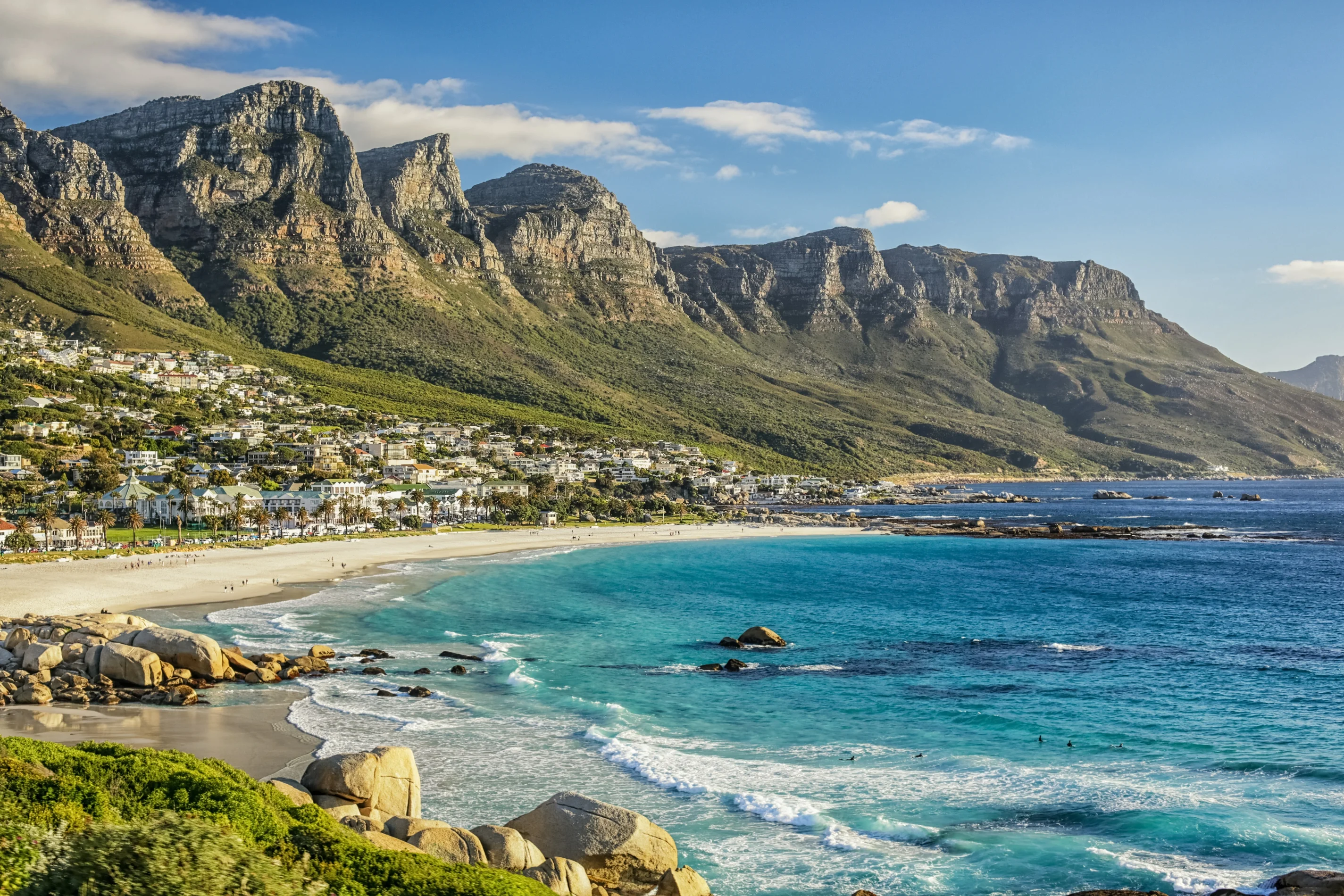
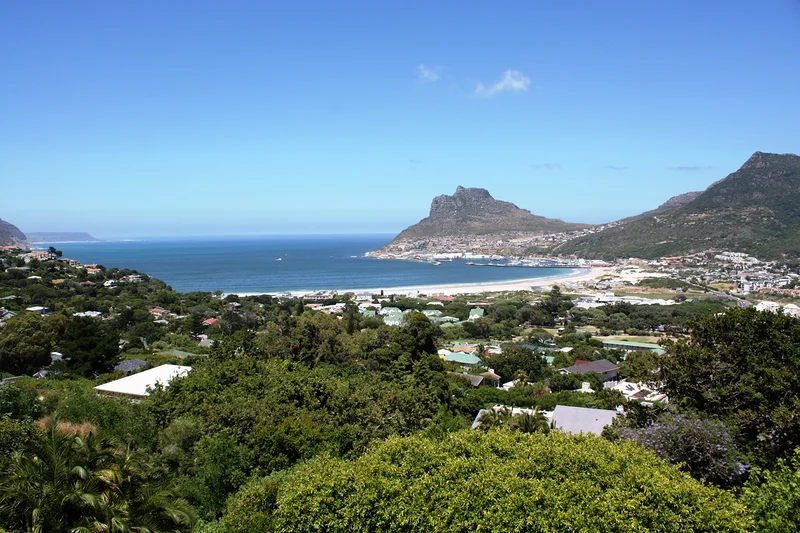
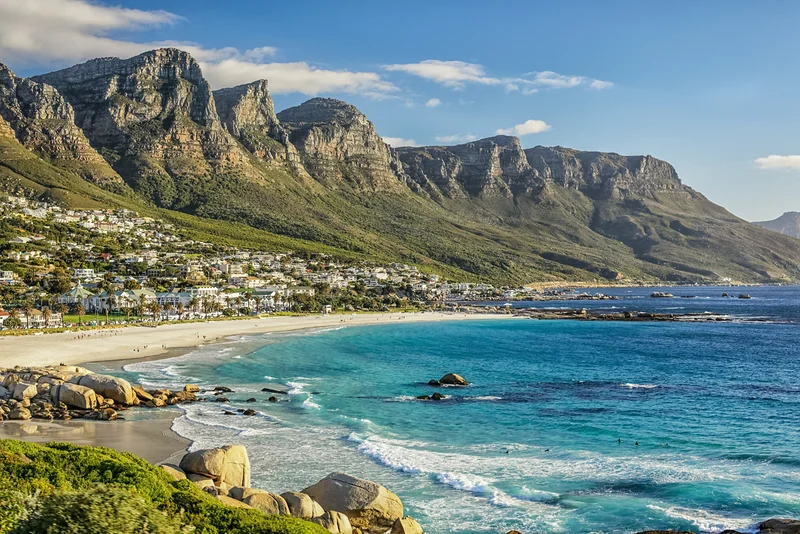
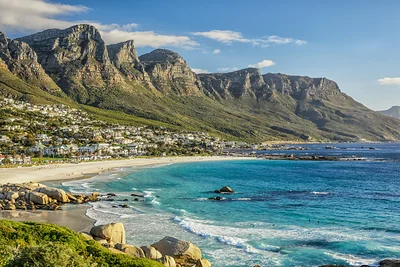
Sea Point has the best promenade in the city: several kilometres of seafront where all of Cape Town walks, runs and picnics facing the water. Further south, Camps Bay lines up white sand, the Twelve Apostles behind it and terraces that fill at sunset, before the coast road swings towards the fishing harbour of Hout Bay. The downside: the Atlantic stays around fifteen degrees all year, and without a car you rarely leave your stretch of coast.
The little seaside resort is also home to fancy, high-security villas and upscale restaurants with exorbitant prices. In the end, it is a place that feels out of sync with the rest of Cape Town, and you really do not feel like you are in Africa anymore.
What to see & do in the area
Where to stay in this area
The Twelve Apostles Hotel and Spa Luxury
Alone on the coast road between mountain and ocean: pools facing the open sea, a spa, and fynbos trails leaving from the hotel.
Blackheath Lodge by The Oyster Collection Mid-range
An 1880s Victorian house on a quiet Sea Point street: seventeen rooms, heated pool, the promenade a few minutes away.
Premier Hotel Cape Town Budget
On Marais Road, one street back from the promenade: plain rooms, some with sea or mountain views, at the gentlest rate on the coast.
Pros
- Promenade and sunsets every day
- Camps Bay and Clifton minutes away
Cons
- Water at 14-16 degrees all year
- Car or MyCiTi bus essential
Kirstenbosch, Constantia & Newlands Eastern slopes, below the mountain
for gardens, vines and quiet
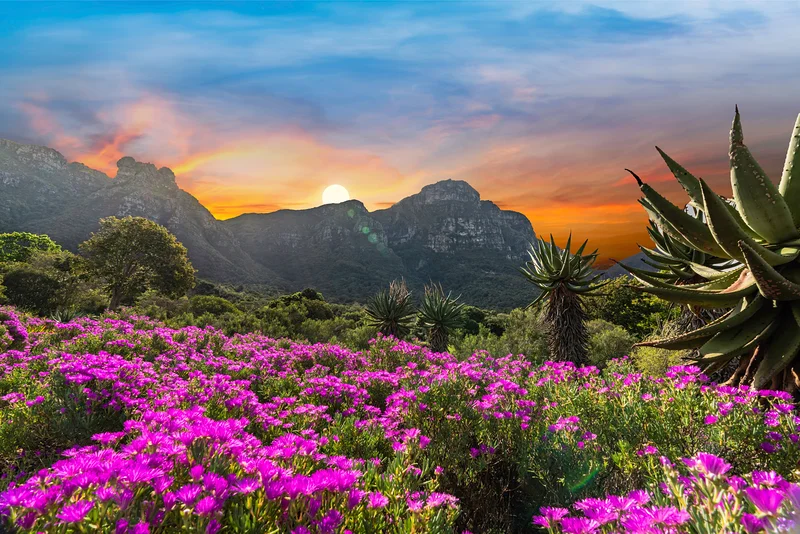
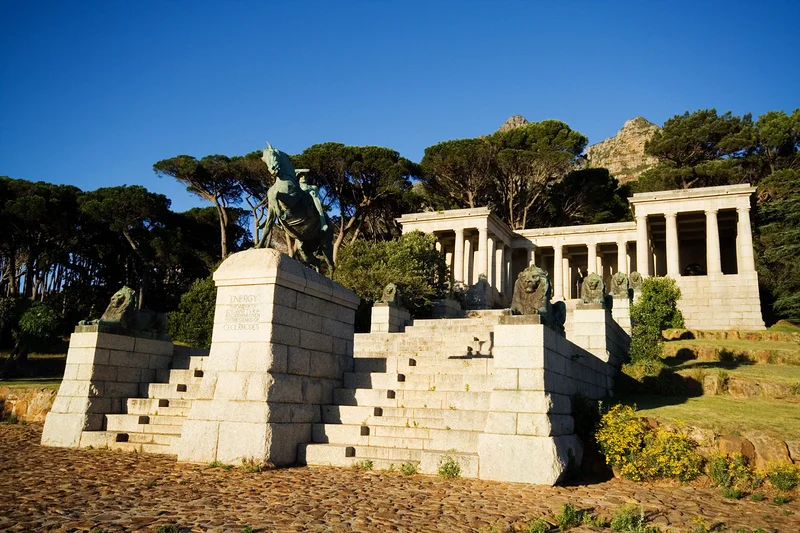
The green side of the mountain: Kirstenbosch and its walkway suspended in the canopy, the vines of Groot Constantia, producing since 1685, and the Newlands stadiums, rugby on one side, cricket on the other. The streets are wide, leafy and residential, and you sleep in peace. The downside: the centre is a twenty-minute drive away, there is no hostel, and evenings happen at the local restaurant or nowhere.
What to see & do in the area
Where to stay in this area
The Cellars-Hohenort Luxury
Five stars in the Constantia gardens, a Small Luxury Hotels member: 51 rooms, two pools and the wine valley below.
Vineyard Hotel Mid-range
Built in 1799 beside the Liesbeek, in grounds facing the mountain: one of the best value stays in the city.
Southern Sun Newlands Budget
Chain comfort at the foot of the stadiums: parking, on-site restaurant and Kirstenbosch a ten-minute drive away.
Pros
- Kirstenbosch and Constantia within reach
- Green, quiet residential streets
Cons
- Centre a 20-minute drive away
- No hostel, little nightlife
Simon's Town, Kalk Bay & the peninsula False Bay, south
for penguins and the road to the end of Africa
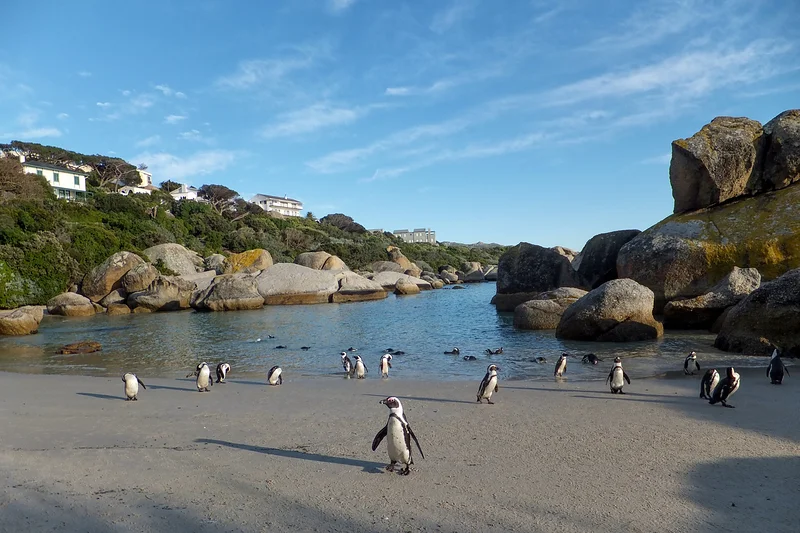
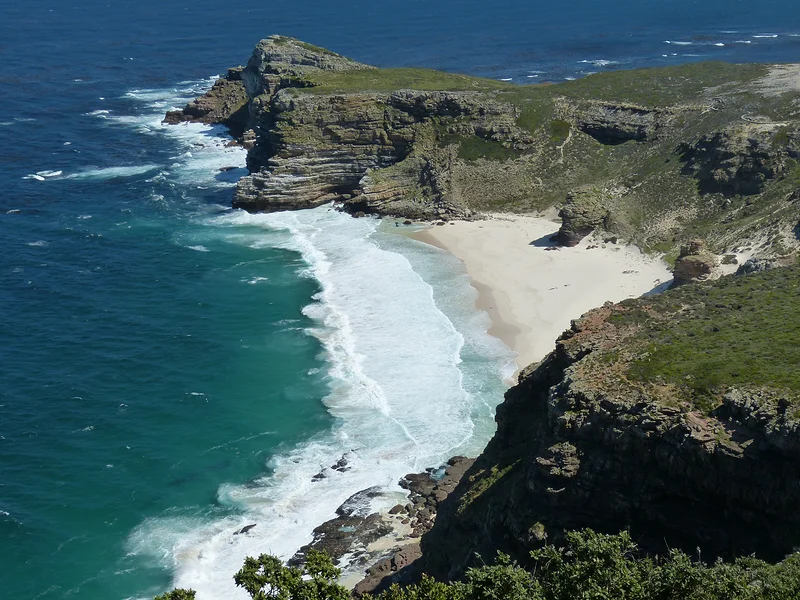
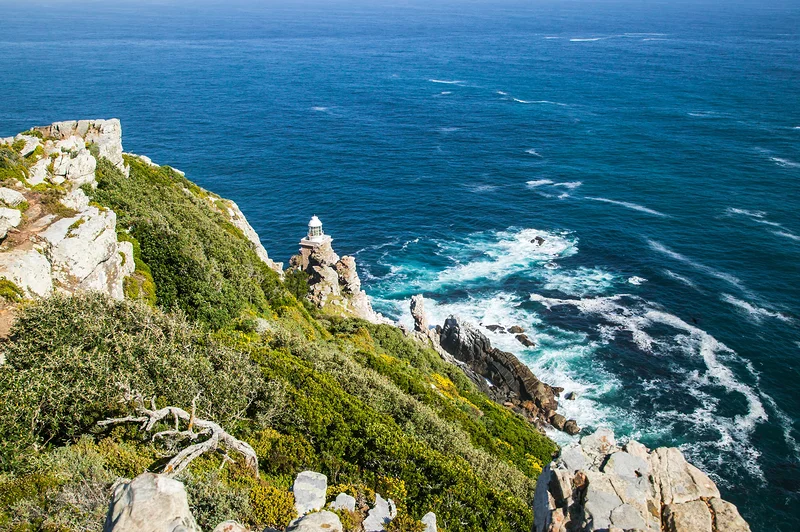
The False Bay coast runs south through a string of villages: Kalk Bay and its antique shops above the fishing harbour, Fish Hoek and its family beach, Simon's Town and its naval base, then the penguins of Boulders Beach and the Cape of Good Hope reserve at the end of the road. The water is several degrees warmer than on the Atlantic side, warm enough to swim. The downside: 45 to 60 minutes to the centre, no grand hotel, and evenings that end early.
What to see & do in the area
Where to stay in this area
Whale View Manor & Spa Luxury
Ten sea-facing rooms between Fisherman's Beach and the mountain, with a spa: the most upmarket option here, three minutes from Simon's Town.
Boulders Beach Hotel Mid-range
Within sight of the penguin colony: simple rooms, restaurant on site, and braying as a morning alarm.
Simon's Town Quayside Hotel Budget
On the quay, facing the yachts and the bay: the cheapest base for Boulders Beach and Cape Point.
Pros
- Penguins, Cape Point and villages nearby
- A sea you can actually swim in
Cons
- Centre 45-60 minutes away
- No high-end option, very quiet evenings
Our tips for booking the right place
- Rent a car, or accept the consequences: Public transport covers the city poorly: the MyCiTi bus runs along the Atlantic seaboard, the False Bay train is superb but slow, and everything else needs a steering wheel. Hire is cheap, you drive on the left, and you never leave anything visible in a parked car. In the evening, Uber replaces walking almost everywhere.
- The mountain is a morning job: The cableway closes as soon as the wind picks up, and the tablecloth of cloud that covers the summit usually arrives in the afternoon. Go up at opening time, book online, and keep a spare day in your trip. Robben Island tickets, meanwhile, need booking several days ahead.
- December is summer, and it costs: The hemisphere is flipped: December and January are the South African school holidays, rates climb by half and the beaches are full. February to April stays warm and far quieter, and the austral winter (June-August) is green, mild and cheap, with the first whales from July.
- The business district after the offices close: dine there, do not wander it on foot. Uber door to door is the local reflex and nobody takes it badly.
- A place booked from photos in an area you cannot place on a map: here, two streets can change everything. Stick to established neighbourhoods and ask before you confirm.
- Camps Bay on the assumption that it is central: beyond the beach and its row of restaurants, nothing is walkable, and the seafront bills are the steepest in town.
FAQ: where to stay in Cape Town
Which area for a first visit to Cape Town?
Where to stay cheaply in Cape Town?
Which area for families?
Which area for a night out?
Do you need a car in Cape Town?
How much is a hotel night in Cape Town?
About the author

 Keep exploring
Discover everything in Cape Town
Keep exploring
Discover everything in Cape Town
Comments (0)
No comments yet. Be the first!