Visiting the Seychelles: A Blue Dream in a Thousand Shades
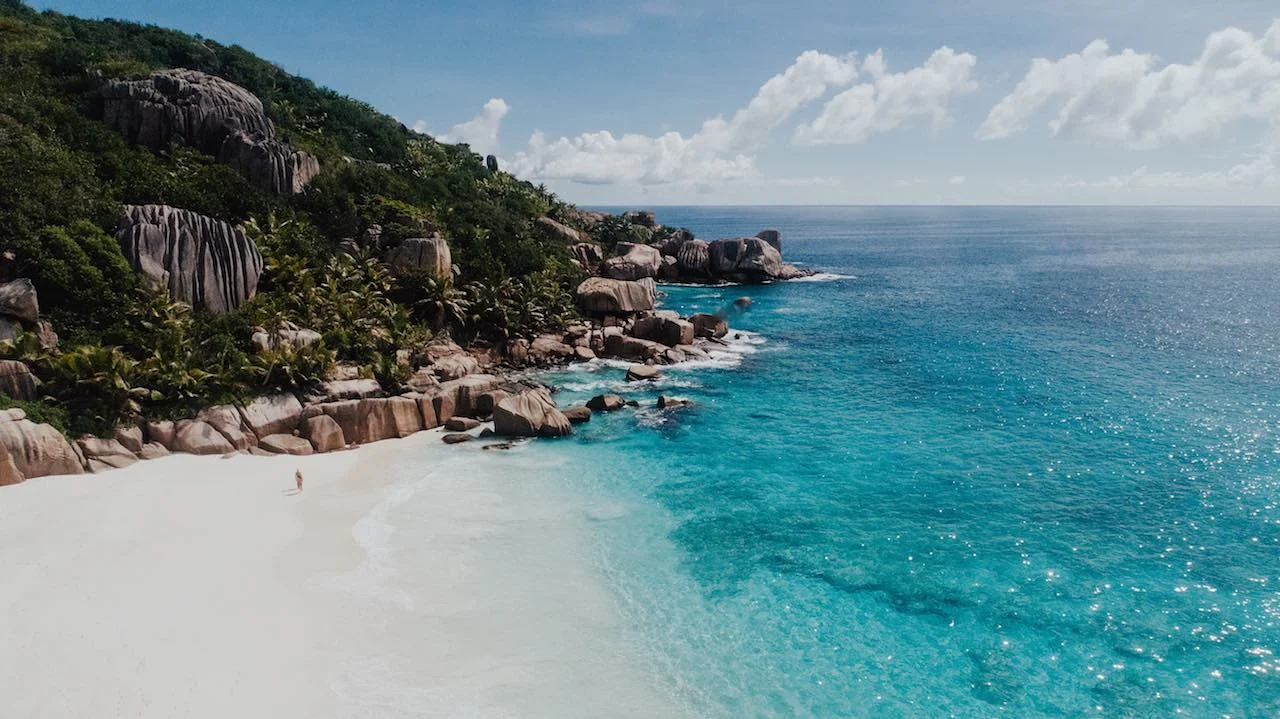
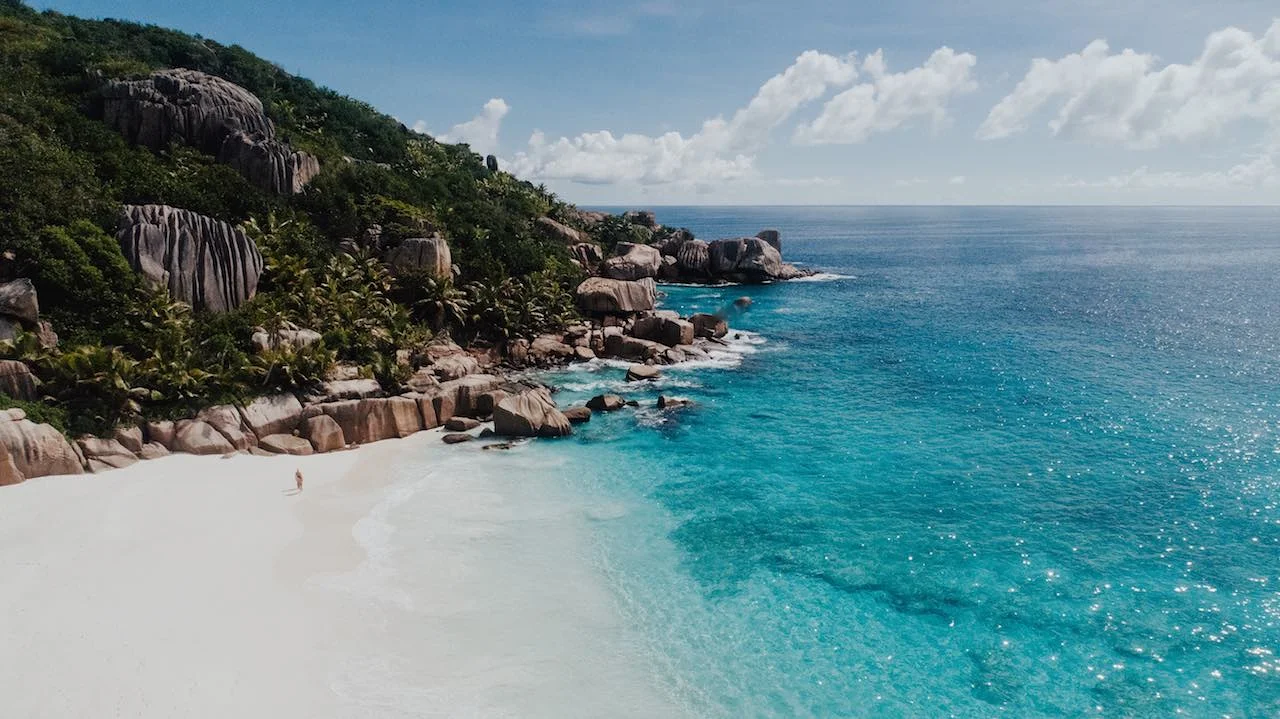
Picture powdery white-sand beaches framed by pink granite boulders, turquoise water so clear it looks edited, and lush tropical greenery where every turn brings a new discovery. Nature poured everything into this archipelago, using an infinite palette of blues and a lavish hand. Scattered across the Indian Ocean, this cluster of 115 islands is the ultimate tropical escape.
Yet beneath the postcard scenery lies a destination with genuine depth, where strict environmental conservation meets a laid-back Creole lifestyle.
The Seychelles: Is This Destination Right for You?
The Seychelles appeals most strongly to nature lovers and travelers seeking untouched surroundings. If you want empty beaches, pristine snorkeling spots, and hikes through ancient forests, you are in the right spot. It fits honeymooners looking for privacy, families wanting a quiet pace, and eco-conscious travelers.
Keep in mind that visiting the Seychelles requires a healthy travel budget. Lodging, dining, and excursions come with high price tags, reflecting the islands' geographical isolation and a national tourism strategy focused on upscale travelers. If you are looking for vibrant nightlife or massive shopping centers, you will want to look elsewhere. Here, luxury is defined by simplicity and pristine surroundings.
A Natural Sanctuary with Protected Treasures
The Seychelles is home to two UNESCO World Heritage sites: the Vallée de Mai on Praslin and the Aldabra Atoll. The former holds the mysterious coco de mer forest, home to giant palms bearing famously suggestive seeds that can tip the scales at 44 pounds. Walking through this green cathedral feels like stepping back into the age of dinosaurs.
The Aldabra Atoll, reachable only via specialized expedition cruises, protects the planet's largest population of giant tortoises. More than 100,000 of these century-old giants roam completely free in this untouched natural laboratory.
Local tip: Book your visit to the Vallée de Mai for early morning. You will beat the heat and increase your chances of spotting the Seychelles black parrot, a rare endemic species.
Legendary Beaches
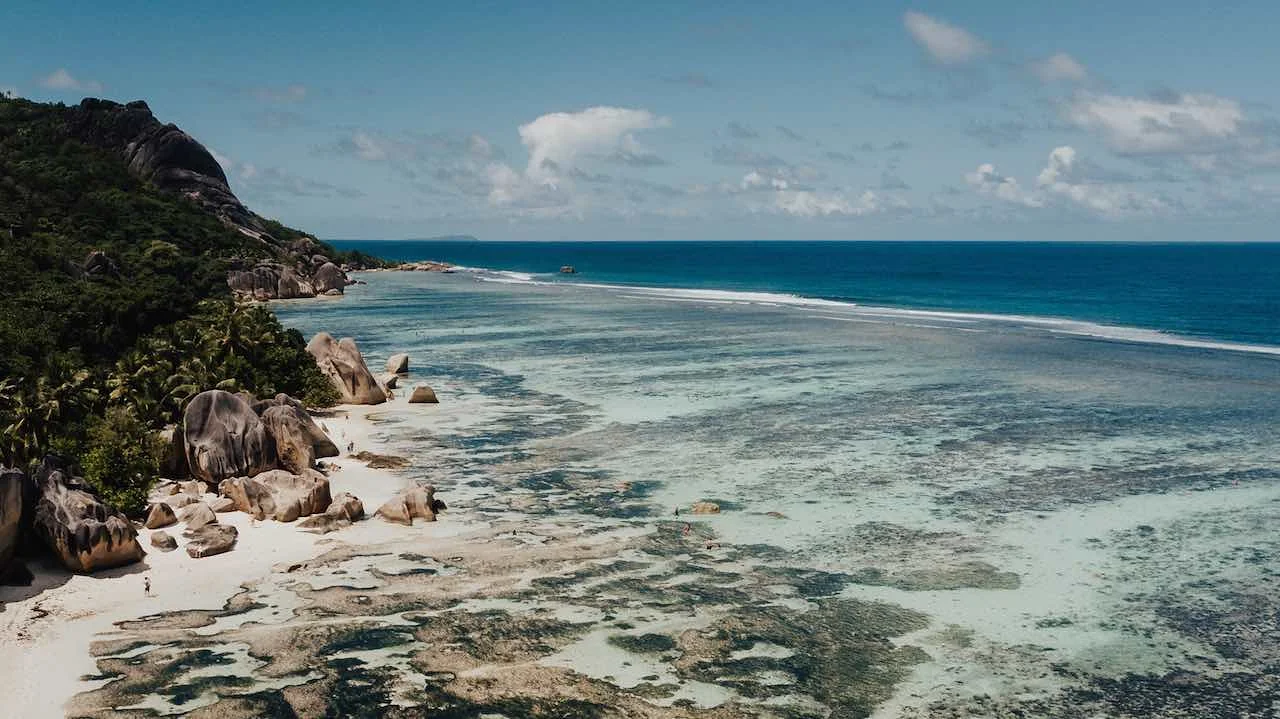
Anse Source d'Argent on La Digue ranks among the world's most beautiful beaches. Erosion-sculpted pink granite boulders set a surreal scene, while fine sand and shallow water create a natural swimming pool. Over on Mahé, Anse Intendance serves up wilder scenery with crashing waves and tropical jungle dropping straight into the ocean.
Between Marine Exploration and Land Adventures
The underwater world around the islands rivals top dive sites anywhere on the globe. The St. Anne Marine National Park gives you a protected look at sea turtles, rays, and tropical fish. The coral reefs, which have dodged widespread bleaching, burst with color and activity.
On land, hiking trails show off serious biodiversity. Morne Seychellois, the highest point in the island chain, delivers sweeping views across the Indian Ocean. Wild orchids, endemic birds, and hidden waterfalls punctuate these deep-nature hikes.
Local tip: Pack a mask and snorkel right in your day bag. Even wading right off the shore, you will spot incredible marine life without swimming out far.
The Creole Way of Life
Away from the big resorts, Seychellois villages show off a fascinating blended culture. In Victoria, the smallest capital city in the world, the colorful Sir Selwyn Selwyn-Clarke Market mixes spices, tropical fruits, and local crafts. Creole colonial homes with intricate wooden fretwork verandahs highlight a distinct architectural heritage.
A Mosaic of Islands with Distinct Personalities
Every island in the Seychelles keeps its own character. Mahé, the largest, holds most of the population and travel infrastructure while still keeping gorgeous wild beaches hidden away. Praslin feels quieter, leaning into a slower pace and vanilla plantations.
La Digue keeps things old-school with oxcarts, bicycles, and almost zero cars. Time feels slower here, wrapped in genuine Creole warmth. Far-flung islands like Bird Island or Denis Island promise total seclusion for travelers hunting absolute privacy.
Local tip: Plan for at least one night staying on La Digue. The island moves at bicycle speed and demands a little time to reveal all its quiet corners.
Unique Experiences
The Seychelles offers things you cannot do elsewhere: swimming with sea turtles in their home turf, watching giant tortoises lay eggs, or finding plant species that do not exist anywhere else on earth. Inter-island boat cruises let you check out multiple spots while soaking in the Indian Ocean views.
On the Plate: Tropical Flavors with Global Roots
Seychellois cooking mirrors the islands' multicultural history. African, Indian, Chinese, and French influences combine in hearty, spiced dishes. Fish or octopus curry, simmered in coconut milk with local spices, stands out as the ultimate national dish.
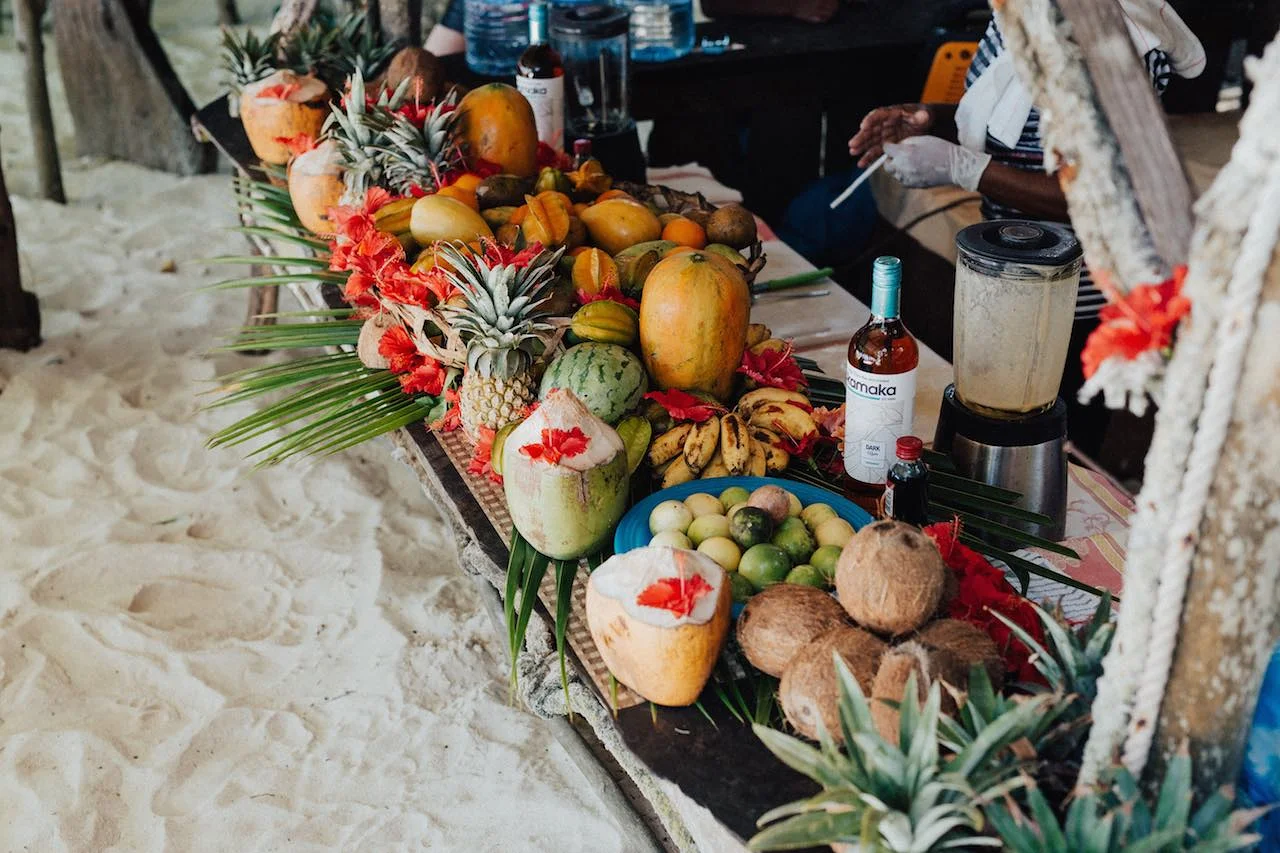
Tropical fruits taste exceptional here. Papayas, mangoes, and breadfruit show up at every meal, while coconut appears in endless forms. Do not skip ladob, a traditional dessert made from sweet potatoes and bananas cooked down in coconut milk.
Local spots known as takeaways serve up authentic food at reasonable prices, offering a welcome break from high resort dining tabs. Local rum, infused with spices or tropical fruits, rounds out the meal.
When to Visit the Seychelles?
The Seychelles enjoys a steady tropical climate year-round, with temperatures hovering between 75 and 90°F. The destination does not have a harsh off-season, making it one of the few places you can visit comfortably at any time.
The months from May to October bring the dry season, cooled by southeast trade winds. This window works best for hiking and exploring inland. The period from November to April brings higher humidity and warmer temperatures with glass-calm water that suits diving and snorkeling, though you should expect brief tropical downpours.
Prices stay relatively steady across seasons, unlike many tropical hotspots. Skip European school breaks in July, August, December, and January if you want maximum peace and quiet.
How to Get to the Seychelles?
Mahé International Airport serves as the main gateway to the islands. From the US, travelers usually connect through European hubs like Paris or Middle Eastern hubs. Air France operates flights connecting through Paris.
Gulf carriers like Emirates, Qatar Airways, and Etihad offer one-stop connections through their hubs with manageable layovers. Turkish Airlines via Istanbul is another solid option with competitive rates.
Regional carriers like Air Austral connect via Réunion for travelers open to a multi-stop itinerary. Expect airfares to fluctuate depending on the season and carrier.
Getting Around the Seychelles
Getting around the Seychelles means working with the island geography. For jumping between islands, you can fly via Air Seychelles for quick 15-minute hops between Mahé and Praslin, or take high-speed ferries connecting the three main islands multiple times daily.
On Mahé and Praslin, car rentals give you the most freedom to explore. Roads are well-paved though winding due to the mountainous terrain. Keep in mind that driving is on the left, a leftover from British administration. Colorful and inexpensive local buses connect major beaches and towns on a relaxed island schedule.
La Digue keeps things simple by banning cars almost entirely. Everything moves by bicycle or traditional oxcart for heavy luggage. This rule forms a huge part of the island's charm and protects its environment.