
Visiting Mahé, the granite island where the jungle meets the Indian Ocean
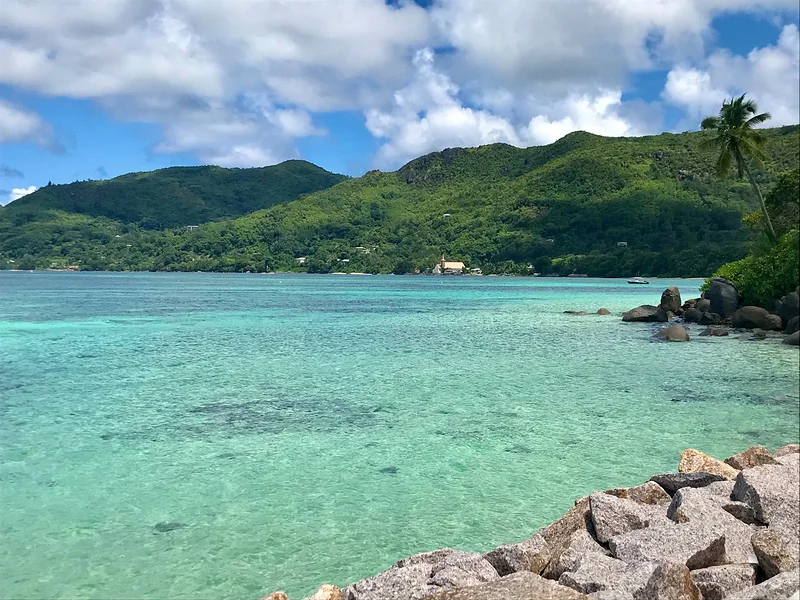
The scent of takamaka wood hangs heavy in the salty breeze. On Mahé, the largest island in the Seychelles, roads wind past granite boulders polished by millions of years of weather and a tropical forest so thick it seems ready to swallow the asphalt. Forget towering skyscrapers or frantic city streets here. Even Victoria, the miniature capital, can be crossed on foot in twenty minutes.
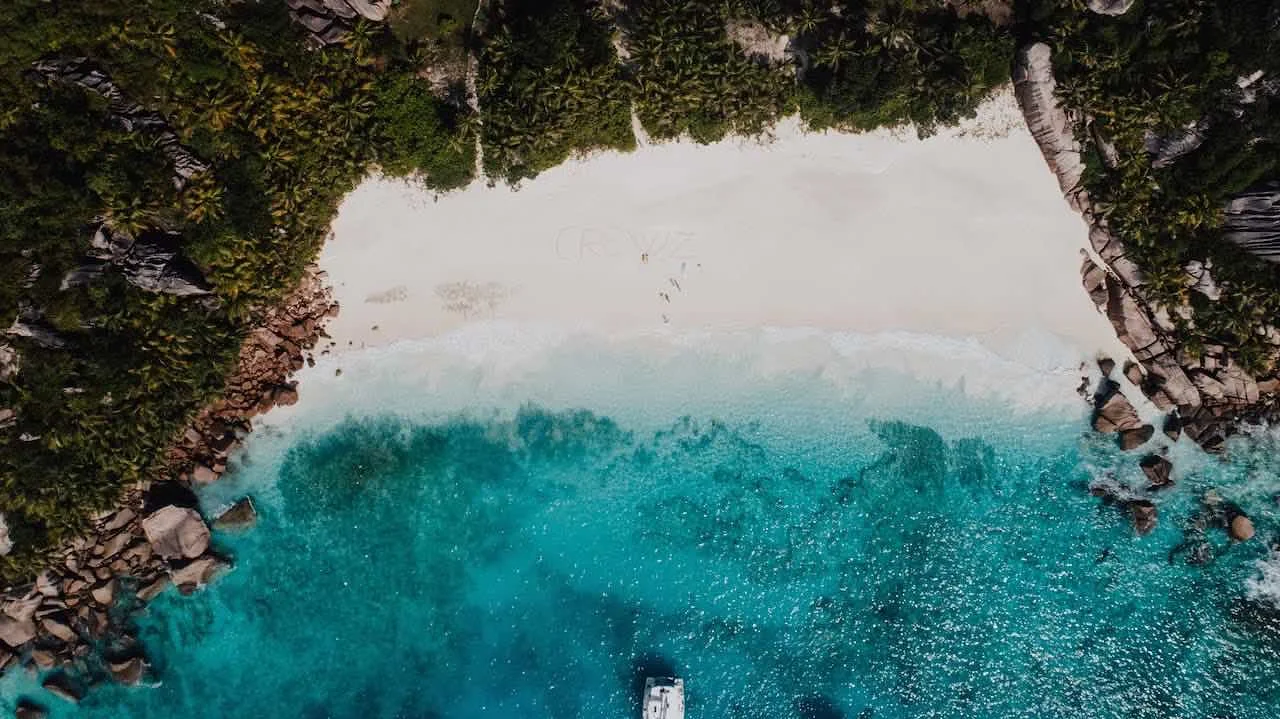
This is a destination for disconnecting in raw nature, where every beach vies for your attention and time seems to pause between turquoise waves.
A tropical paradise for lovers of untouched nature
Mahé caters to travelers dreaming of postcard beaches, hikes through lush jungle, and a slower pace of life. If you are looking for nightlife, shopping malls, or high-octane thrills, look elsewhere.
The island suits couples seeking romance, families wanting to introduce kids to snorkeling, and hikers who appreciate sweeping viewpoints. Be prepared for steep costs, though. The Seychelles remain a high-end destination where even casual eateries command hefty price tags.
Renting a car is practically essential for exploring the island at your own pace, though local buses do connect the main stretches of sand. Keep in mind that distances are short but roads are winding. Planning for a 30-minute drive across the island can easily turn into an hour. The upside? Mahé is easy to explore in four to five days, allowing you to balance lazy beach days with active sightseeing.
Dream beaches: From Beau Vallon to Anse Intendance
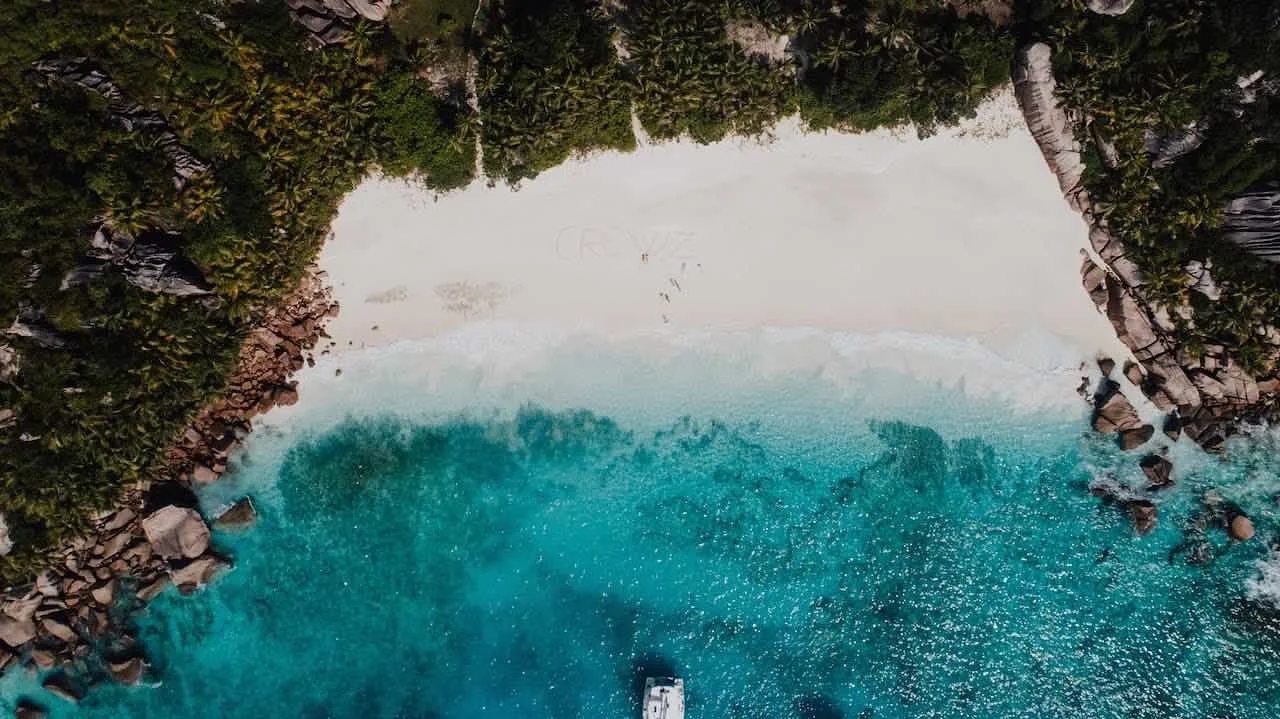
Let us start with the essentials, the beaches. Beau Vallon, on the northwest coast, is the liveliest and most family-friendly option. Its calm, shallow water keeps children happy while parents enjoy nearby restaurants and dive shops. On Wednesday evenings, check out the small night market featuring grilled fish stalls and handmade crafts. The vibe is easygoing, perfect for biting into a skewer of freshly caught captain fish.
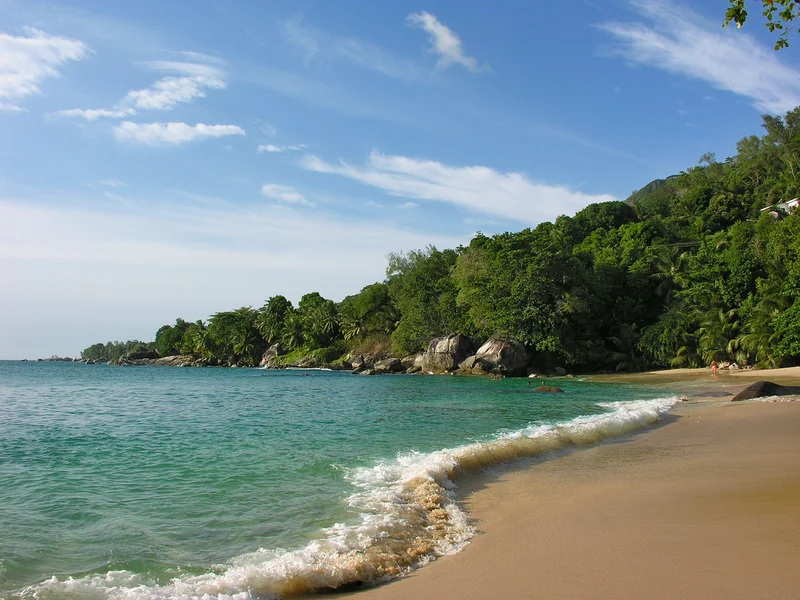
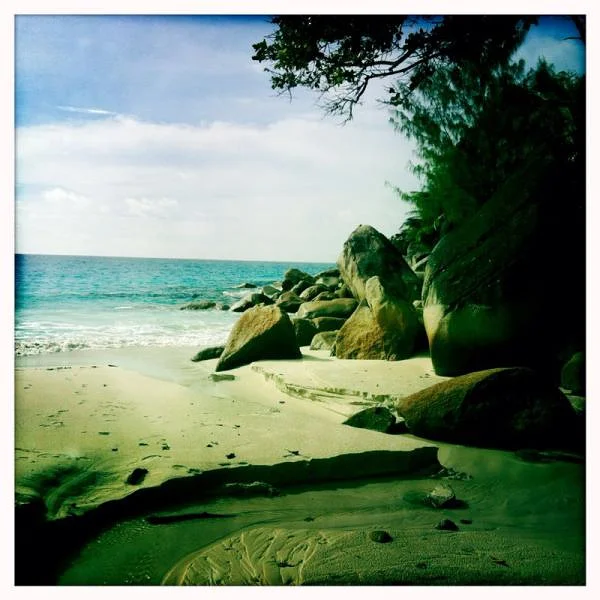
Head southwest to discover Anse Intendance, arguably the most dramatic beach on the island. You will find no lounge chairs or ice cream vendors here, just a wild shoreline lined with giant takamaka trees and powerful surf that draws surfers while making swimming risky, especially between May and October. Fine sand squeaks beneath your feet, granite boulders frame the landscape, and outside of weekends you will often feel like you have the place to yourself.
Anse Takamaka and Anse Soleil
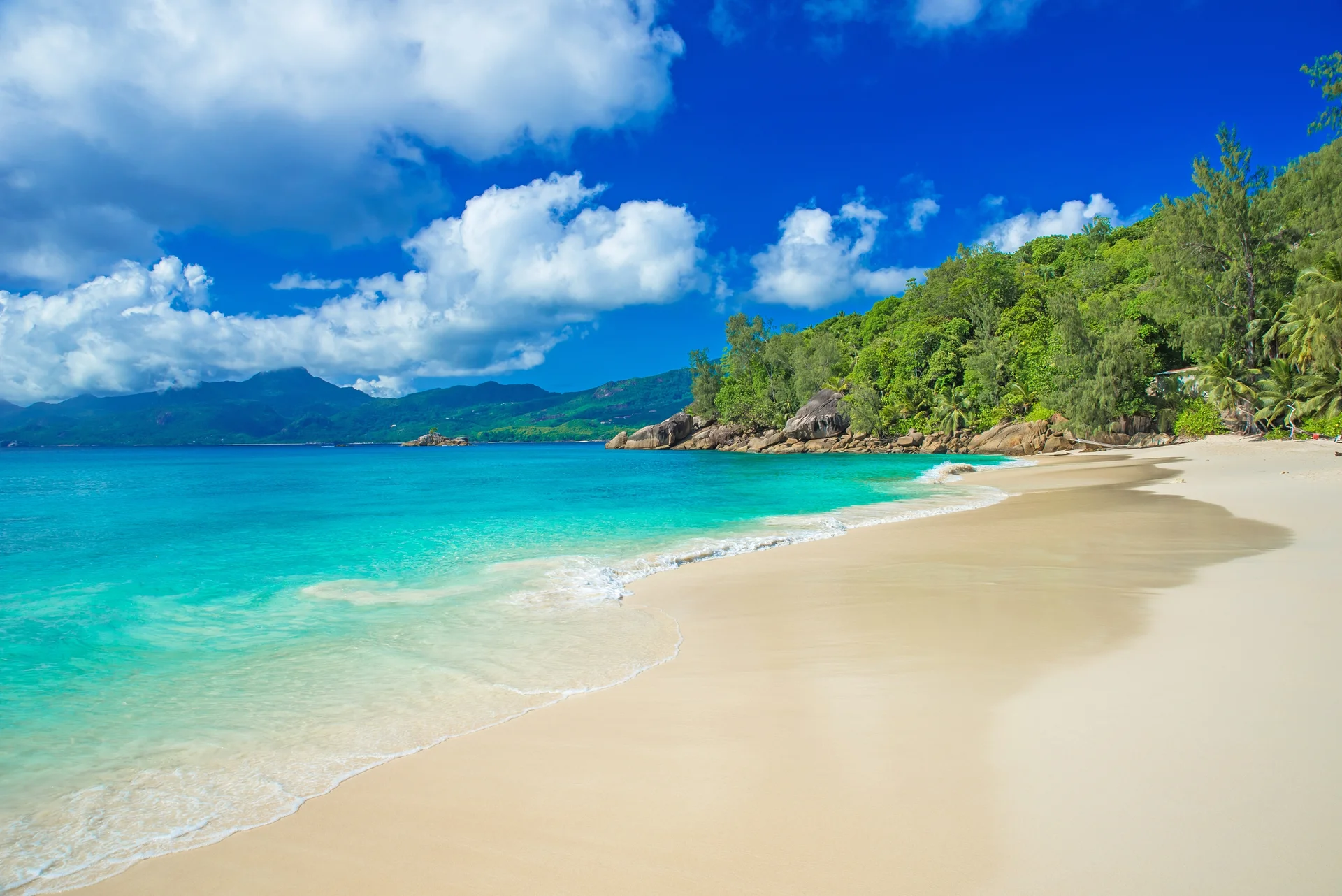
More intimate, Anse Takamaka and Anse Soleil offer a great balance of beauty and accessibility. The former features a small barefoot restaurant where you can dig into a fish curry, while the latter, tucked at the end of a steep path, rewards the effort with crystal-clear water primed for snorkeling. Bring your mask as parrotfish and sea turtles are regular visitors here.
Friendly tip: avoid the beaches between 10am and 3pm when the sun beats down hardest. Aim for mornings to catch softer light and fewer crowds, then retreat to the shade for a Creole lunch before heading back out in the late afternoon.
Hiking and nature: Morne Seychellois National Park
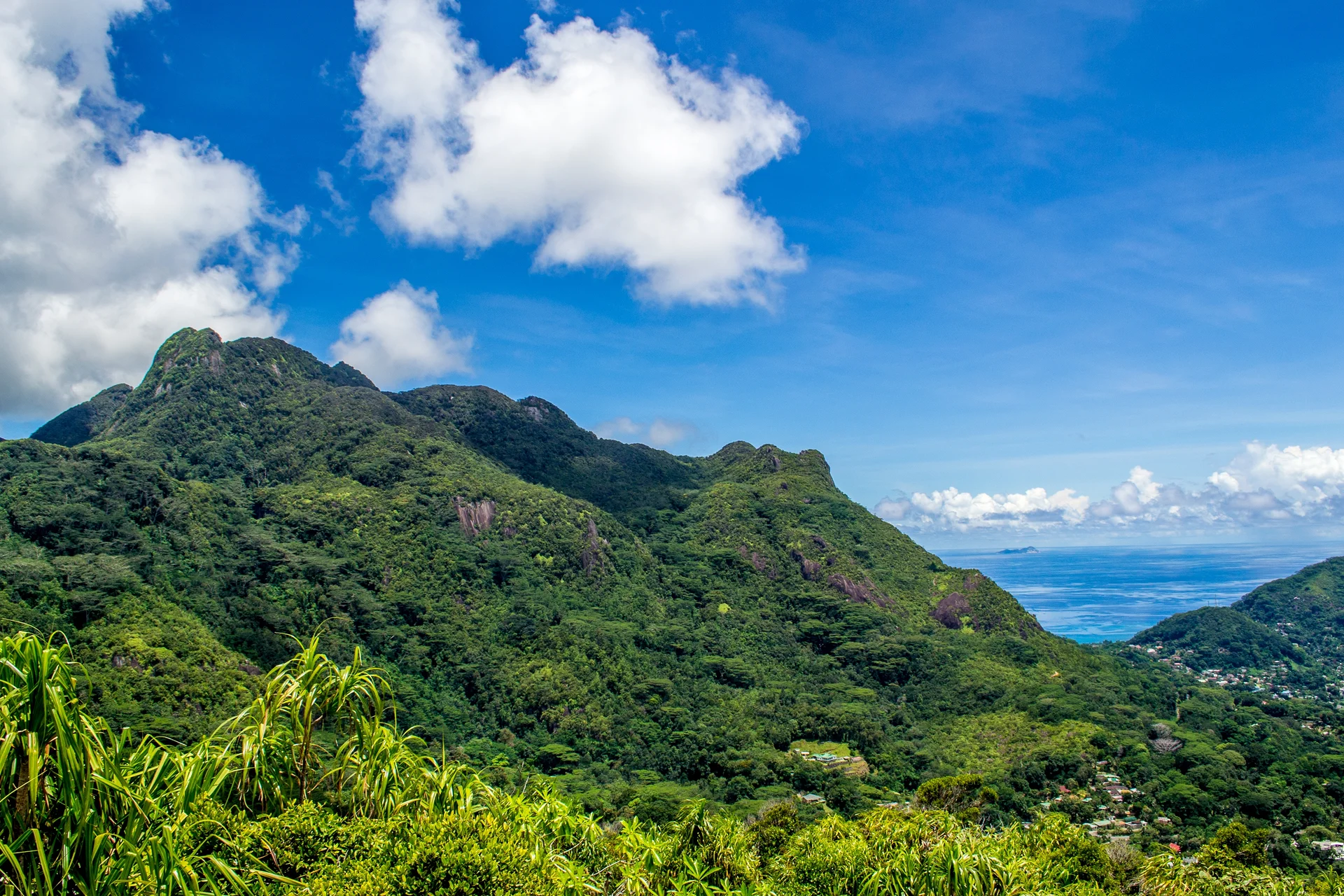
Mahé is far more than just its coastline. Morne Seychellois National Park covers over 20% of the island and shelters its highest peak, Morne Seychellois, standing at 905 metres of altitude. Several marked trails plunge you into a humid rainforest where endemic birds chatter in the canopy. The most accessible path leads to Anse Major, an isolated cove reachable only on foot or by boat. Allow an hour of walking from Danzil, featuring shaded stretches and dramatic ocean overlooks.
For the energetic, climbing Morne Blanc or Copolia guarantees jaw-dropping views. The Copolia trek takes about an hour each way, climbing steadily to a granite dome that overlooks the entire east coast, Victoria, and neighboring islands on clear days. Start early to beat the heat and catch the morning mist wrapping around the jungle.
Friendly tip: pack sturdy hiking boots, plenty of water, and a light windbreaker for the summit. Trails can get slick after rain. Check conditions before heading out, particularly during the rainy season.
Victoria and cultural exploration
The capital of Victoria ranks among the smallest in the world, yet it charms visitors with its old-fashioned character. Sir Selwyn Clarke Market wakes up early with stalls piled high with tropical fruit, fresh fish, and spices. It is the ideal spot to watch local life unfold, buy juicy mangoes, or grab smoked fish to go. Do not miss the miniature Big Ben replica, the Clock Tower-a relic of British colonial rule-or the brightly colored Arul Mihu Navasakthi Vinayagar Hindu temple, which highlights the cultural diversity of the Seychelles.
The National Botanical Garden, just minutes from downtown, preserves specimens of the coco de mer, the famously suggestive nut that grows natively nowhere else on earth. Enjoy a quiet stroll beneath giant palms with chances to spot giant tortoises and fruit bats hanging in the trees.
Creole villages and distilleries
Leave Victoria behind to check out coastal villages like Bel Ombre and Anse Royale. Along the route, stop at the Takamaka distillery for a guided tour and a tasting of local rum, learning the production secrets behind the spirit that fuels tropical evenings. Further south, the Jardin du Roi offers a fine introduction to spices and medicinal plants cultivated here since the 18th century, accompanied by sweeping bay views.
Friendly tip: visit Victoria on a Wednesday or Saturday morning when the market is in full swing. Arrive around 7am to dodge the crowds and pick up the freshest produce. Park near the port and explore the city on foot.
Where to eat and drink in Mahé?
Seychellois cooking blends Creole, Indian, and Chinese traditions. The national dish, cari coco, features fish or chicken simmered in coconut milk and spices, served alongside rice and lentils. Make sure to try the freshly caught grilled fish, usually paired with chatini, a zesty green mango or papaya relish. Samosas and gâteaux piments (chili bites) make fantastic roadside snacks.
For restaurants, Marie-Antoinette in Victoria remains a reliable choice for a generous Creole buffet served in a traditional home. In Beau Vallon, Baobab Pizzeria serves up solid pizzas at reasonable prices, a rarity across the islands. For a true barefoot dining experience, head to Chez Batista in Takamaka, where grilled fish competes with ocean views. Budget: expect $23 to $45* per person for a full meal. A cold Seybrew beer and Takamaka rum round out the evening nicely, alongside fresh fruit juices sold at roadside stands.
Where to stay in Mahé and nearby?
Lodging ranges from family-run guesthouses to luxury resorts. For better value, look into self-catering apartments where you can cook your own meals and keep restaurant spending in check. The west coast between Beau Vallon and Bel Ombre concentrates numerous options with easy beach access. The southern part of the island, around Anse Royale or Anse Forbans, delivers a quieter setting.
For extra character, book a Creole villa in the hills with panoramic ocean views. Resorts like the Four Seasons or Constance Ephelia offer all-inclusive luxury featuring spas, fine dining, and watersports, though nightly rates climb quickly past $570*. Book several months ahead, especially for high season. Neighboring Praslin and La Digue make great extended stops to mix things up.
How to get to and around Mahé?
The Seychelles International Airport sits on Mahé, about ten kilometres from Victoria. Plan for roughly 10 hours on a direct flight from major European hubs in peak season, or 13 to 16 hours the rest of the year with a layover in Dubai, Doha, or Istanbul. Tickets run between $900 and $1,690* depending on the season.
On the ground, renting a car is your best bet for exploring at your own pace. Rates run $45 to $79* per day. Driving is on the left, so watch out for narrow, winding roads. The SPTC bus network serves major beaches and villages for pocket change, though schedules can be unpredictable and buses get packed. Taxis are available but expensive.
To reach Praslin or La Digue, catch the ferry from Victoria. The crossing takes 45 minutes and runs around $57* round trip.
When to go?
The best windows fall from April to May and from October to November, safely outside heavy rains and strong winds. The climate stays tropical year-round with temperatures hovering between 24 and 32°C.
December through March brings the hot, humid season featuring intense but short downpours, along with ideal conditions for diving. From June to September, southeast trade winds blow harder, making certain beaches choppy but delivering drier weather and slightly softer prices.
Skip January and February if you want to avoid humidity and mosquitoes.
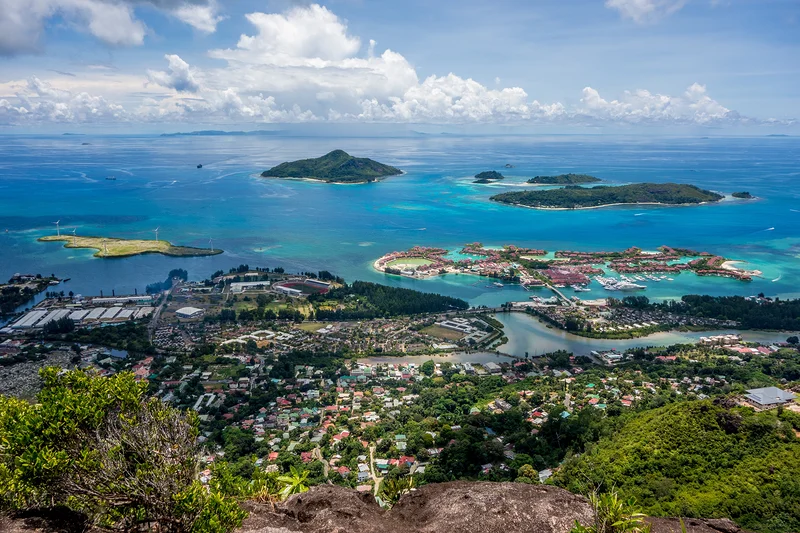
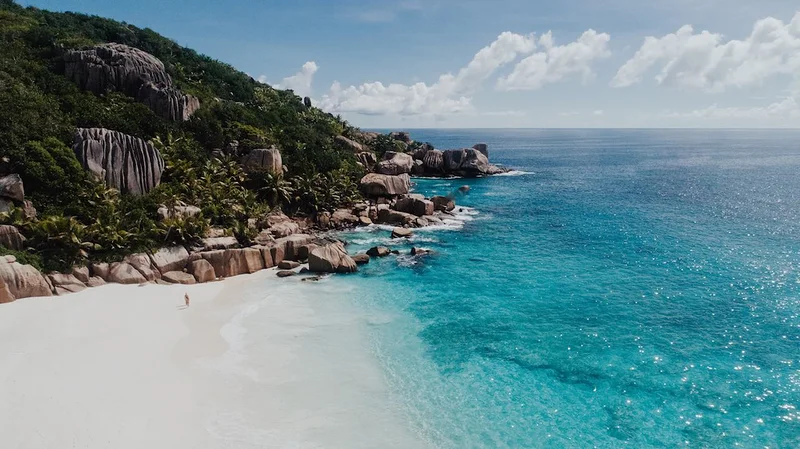
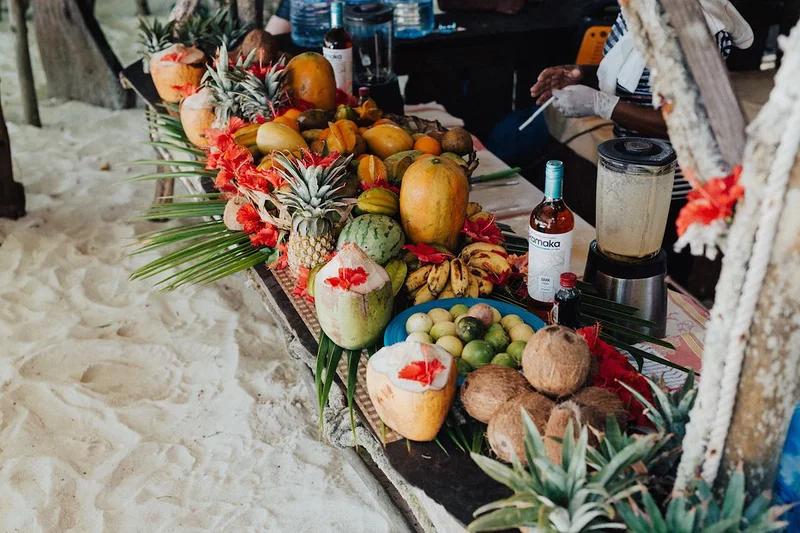
As the largest island in the Seychelles, you will find all kinds of activities here to keep you entertained, whether you want to eat out or grab a drink. There are so many water sports and other activities to choose from. You can head out on excursions to several other islands or just stay local and go hiking in the forest or along the coast.