
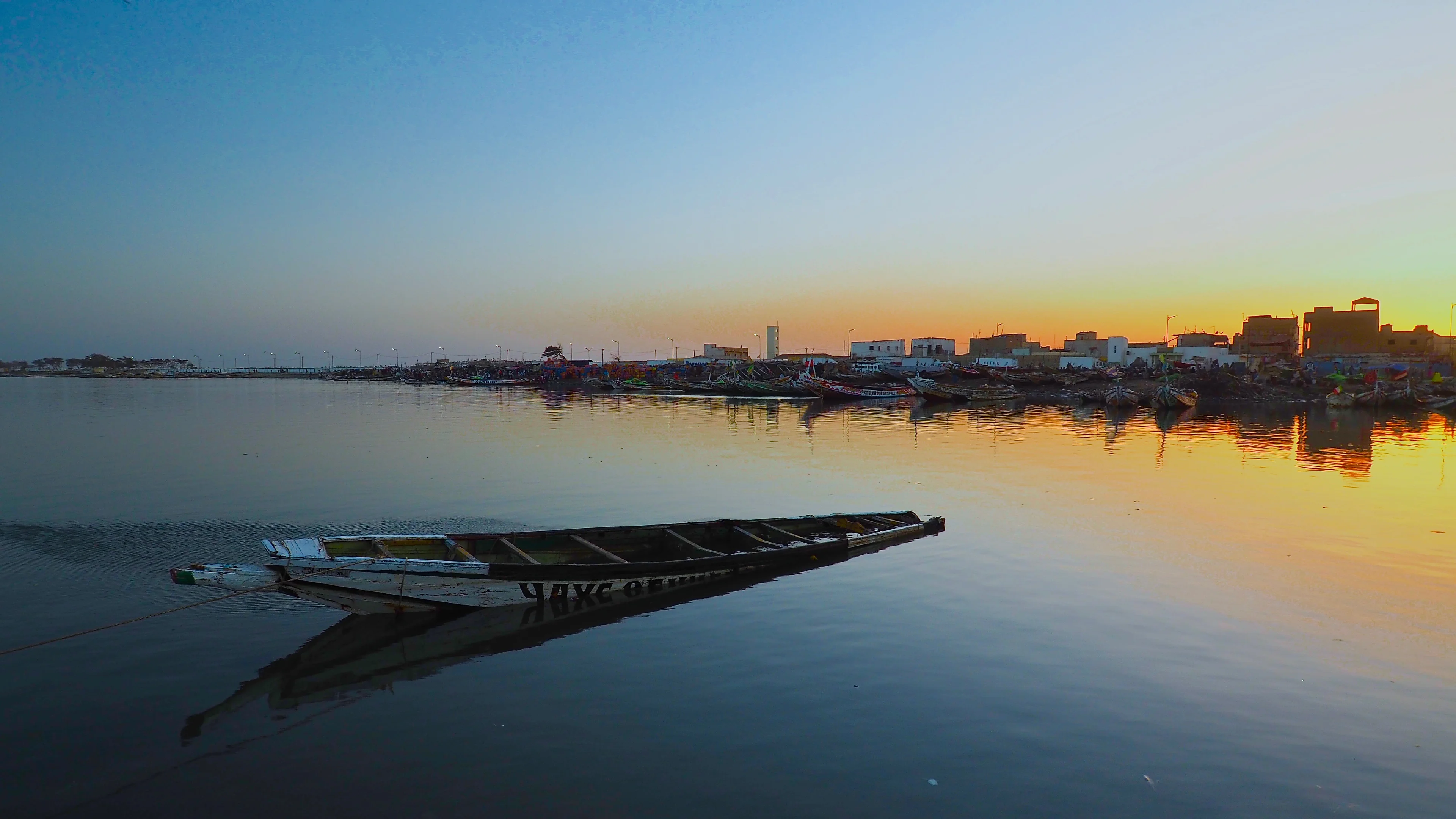
Saint-Louis, Senegal, the sleeping beauty with one eye open
It is noon in Guet Ndar, and the noise is deafening. Hundreds of pirogues painted in blue, red, and yellow crowd the beach. Fishermen shout, negotiate, and shove each other to sell monkfish and groupers to trucks heading toward Dakar. The smell of dried fish mixed with sea salt hits you hard in the throat. Fifty meters away, on the other side of a bridge, silence. Ochre and rust facades, wrought-iron balconies slowly rusting away, an almost surreal calm.
This stark contrast is Saint-Louis in a nutshell: an archipelago city set on sandbanks between the Atlantic and the Senegal River, where colonial grandeur and raw African life face off, separated by a narrow channel.
Saint-Louis, a destination for patient travelers
If you want a raw Senegal, steeped in history and free of tourist staging, head here. Saint-Louis appeals to photography buffs, bird-watching enthusiasts, and anyone who prefers destinations where the pace follows the locals. The city served as the capital of French West Africa until 1902, then of Senegal until 1957. That immense past shows in every single building. The historic island, listed as a UNESCO World Heritage site since 2000, can be walked across in a few hours, but it takes two or three days to truly appreciate it.
Anyone expecting polished infrastructure might feel unsettled. The city has experienced decades of economic decline, and its architectural heritage, while adding to its charm, suffers from a glaring lack of maintenance. The ubiquitous plastic in the streets and canals is a reality that Instagram photos leave out. Restaurants run on the schedule of Senegalese slow food: expect to wait an hour or more for a meal. That is not nonchalance, it is simply a way of life.
Safety and daily life
Saint-Louis is generally safe for travelers. No specific risks threaten the island or the tourist neighborhoods. Standard precautions apply: avoid flashing valuables and stay alert at night in poorly lit areas. The real annoyance tends to be commercial harassment: the moment you arrive, self-proclaimed guides and craft sellers will approach you persistently. A polite but firm refusal works best.
Can women travel solo in Senegal?
Senegal ranks among the most accessible West African countries for solo female travelers. Teranga, the Wolof concept of hospitality, is not an empty phrase here. That said, attention is more frequent for solo women, and a few practical precautions help: use ridesharing apps like Heetch rather than street taxis in Dakar, and get around by horse-drawn carriage or with a local guide in Saint-Louis when visiting quieter neighborhoods.
A very gentle budget for West Africa
Expect $23 to $40* per day for a backpacker style: a decent guesthouse room costs 7,500 to 15,000 FCFA a night, a local meal runs 1,500 to 3,000 FCFA, and pirogue excursions start around $7.90* per person. Boutique hotels in restored colonial buildings climb to $45-$90* a night, which remains very reasonable.
Ndar Island, an open-air museum fading with grace
The historic island measures barely 2 km long by 400 meters wide. You reach it across the Faidherbe Bridge, a 507-meter metal structure inaugurated in 1897, whose design is attributed to Gustave Eiffel's workshops. Crossing it at sunset, when the low light gilds the river and the pirogues below, ranks among those defining travel moments.
On the other side, grid-patterned streets reveal colonial buildings with cracked facades. Some have been beautifully restored into hotels or art galleries. Others are falling apart, with gutted balconies and hanging shutters. This coexistence gives the island its unique atmosphere. Do not miss the palm-shaded Faidherbe Square, the Palace of Governance, and the cathedral, the oldest standing church in Senegal.
Friendly tip: stop by the Syndicat d'Initiative, located in the Governance building facing the bridge. They offer a mapped walking tour to help you spot the most remarkable buildings without a guide.
Art and photography
Saint-Louis is a major artistic hub in Senegal. The MuPho, West Africa's first photography museum, opened in 2017 and pays tribute to pioneers like Mama Casset and Meissa Gaye. A few streets away, sculptor Meissa Fall transforms bicycle parts and scrap metal into striking artwork. The Tësss boutique preserves traditional weaving techniques from Casamance, and if you get lucky, you can watch the artisans at work.
Guet Ndar, the sensory shock
Nothing prepares you for the density of Guet Ndar. Roughly 30,000 people live on this narrow strip of sand wedged between the river and the ocean. It is the fishermen's quarter, and one of the most densely populated areas in Africa. The alleyways teem with goats, horse-drawn carts, playing children, and women drying fish on makeshift racks.
On the beach, the show never stops. Dozens of colorful pirogues are under construction or repair. Fishermen land their catch in an organized chaos that follows its own logic. To grasp this energy, go early in the morning when the pirogues return. Some visitors prefer hiring a local guide to navigate the maze of alleys without feeling intrusive.
At the southern end of the neighborhood, the Guet Ndar Muslim cemetery offers a striking contrast: the graves are covered with the fishing nets of those resting there. A gesture of austere beauty that says everything about this community's relationship with the ocean.
Nature and excursions: majestic birds
The Saint-Louis region is a birdwatcher's paradise. The Djoudj National Bird Sanctuary, located 60 km to the north, ranks as the third-largest ornithological reserve in the world. Between November and March, nearly three million migratory birds gather here: pelicans, flamingos, cormorants, and herons. A pirogue excursion through the wetlands with the motor idled down remains a memorable experience.
Closer by, the Langue de Barbarie National Park, 20 km to the south, occupies a thin ribbon of sand between the Atlantic and the river. Pirogue rides through the mangroves allow you to spot sea turtles and bird colonies in total quiet. Admission costs about $7.90* per person.
Friendly tip: for Djoudj, leave at dawn. The light is better, birds are more active, and you beat the intense heat. Agencies like Sahel Découverte and Saint Louis Jeunesse Voyages run day trips with trained guides who provide binoculars and spotting scopes.
The jazz festival and cultural life
Every year in May, the Saint-Louis Jazz Festival transforms the city. It stands as one of the continent's most prestigious musical events, launched over thirty years ago. For a week, concerts take over public squares and bars. The best moments, according to regulars, happen after the official shows, when local and international musicians jam in the island's small bars late into the night.
Outside the festival, the city pulses year-round. The French Institute on Avenue Jean Mermoz regularly programs exhibitions, concerts, and screenings. Saint-Louis was also a legendary stop for the Aéropostale mail service: Mermoz took off from here in 1930 for the first South Atlantic crossing. The small Aéropostale Museum chronicles that era.
Where to eat and drink in Saint-Louis?
The culinary scene in Saint-Louis is richer than it looks. The dish to try here is thieboudienne, Senegal's national rice and fish dish, added to UNESCO's intangible cultural heritage list in 2021. That is no coincidence: the recipe was invented in Saint-Louis in the 19th century, attributed to Penda Mbaye, a cook from Guet Ndar. The restaurant La Linguère, on Rue Blaise-Diagne, is the widely recommended spot to taste it done right.
For a lighter break, La Crêpe Saint-Louisienne serves savory and sweet crepes paired with fresh fruit juices. The Ndar Ndar Music Café is one of the rare spots serving quality coffee inside a music gallery setting, with jazz and afrobeat vinyl records for sale in the back. For unexpected dining, La Saigonnaise, run by An, a Vietnamese expat of twenty years, serves a pho that has won over ambassadors from around the world.
Try the fish yassa as well, marinated in lemon and onions, along with thiéré, a millet couscous served with meat or dried fish, which is a northern specialty. The ritual of ataya, Senegalese tea served in three increasingly sweet rounds, punctuates every single day.
Where to stay in Saint-Louis and surroundings?
The historic island concentrates most of the lodging options. For tight budgets, Ndar Ndar House acts as a backpacker hub with a community vibe and a cafe-gallery downstairs. Cap Saint-Louis offers solid value with river views. Auberge Le Pélican, out on the Langue de Barbarie, features beach huts starting at 7,500 FCFA a night, with the beach and sunsets included.
For a more refined touch, Au Fil du Fleuve occupies a tastefully restored colonial home, blending artistic decor and comfort. The historic Hôtel de la Poste hosted Aéropostale pilots back in the 1930s. Sunu Keur, set inside a colonial building, provides rooms with river-view terraces at a mid-range price.
How to get to and around Saint-Louis?
Saint-Louis lacks a commercial airport. The entry point is Blaise Diagne International Airport in Dakar, reached nonstop from New York in about 7 hours 30 minutes, or from Paris in 5 hours 30 minutes. From Dakar, the most reliable option is the air-conditioned Dem Dikk bus, which leaves in the morning and takes about 5 hours for roughly 5,000 FCFA. A private taxi costs around 50,000 FCFA. Shared sept-places taxis are the cheapest route, though timing and comfort can be unpredictable.
For travelers arriving from Mauritania, the border is close by, though immigration formalities mean planning for a full day. On the island itself, walking works best. The horse-drawn calèche remains the local transport classic: a 1.5 to 2-hour tour covers the island and the fishing district. Bicycles are also available to rent at select hotels.
When to go?
The best window runs from November to May, during the dry season. Temperatures stay hot but manageable, and this is peak season for watching migratory birds at Djoudj. May packs a double punch: the end of the dry season and the Jazz Festival. Avoid June through October, as the rainy season makes certain roads impassable and the humid heat is exhausting. Accommodation prices drop noticeably from September to November for budget travelers.
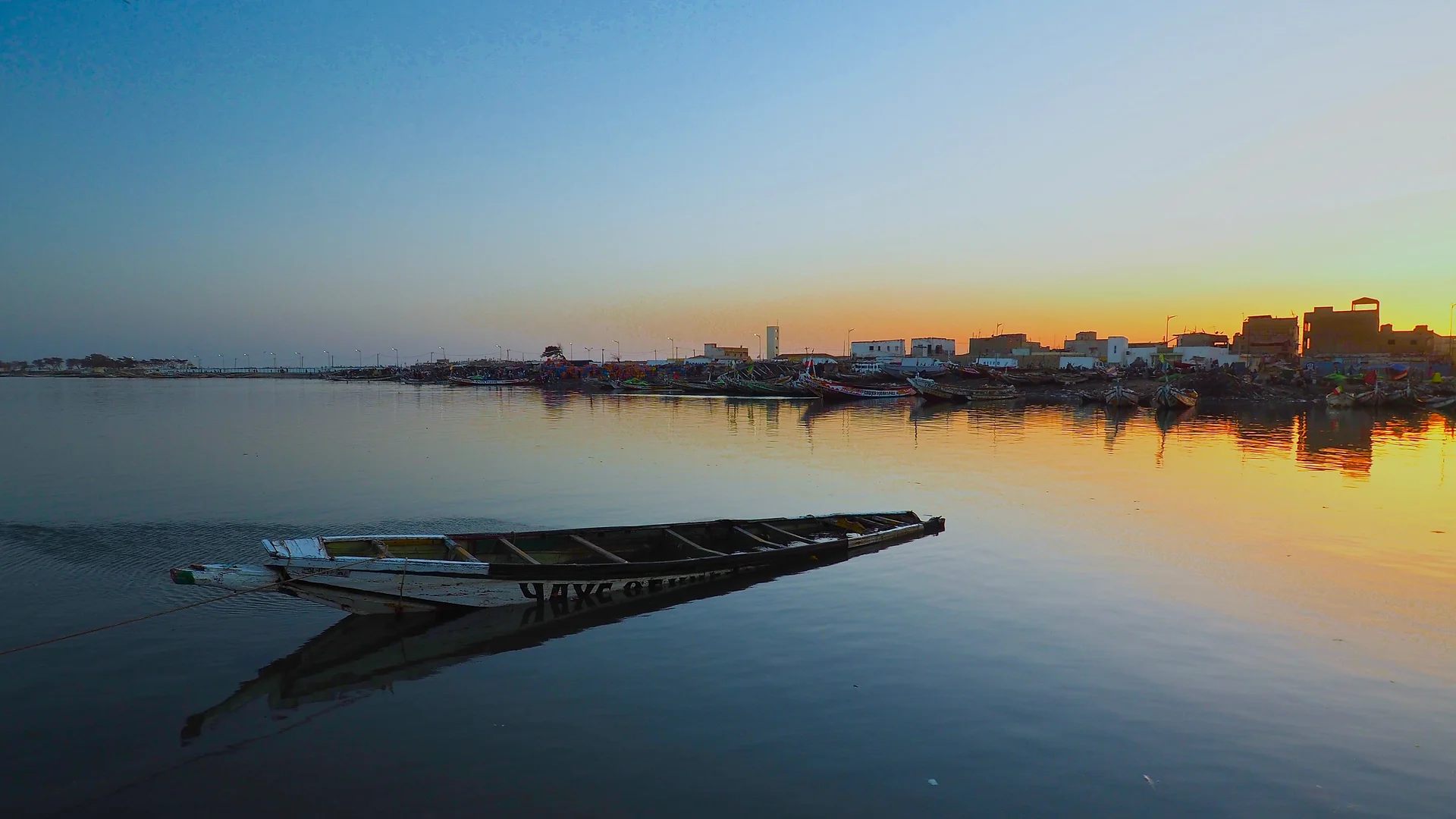
A few hundred years old, Saint Louis reminds me of those Latin American cities that knew how to preserve and enhance their architecture and former colonial presence to turn it into a tourist asset. This heritage is enriched by Senegalese culture and a real sense of hospitality.
Exploring the old town, on the central island, is very interesting. Around the city, I recommend the Djoudj National Bird Sanctuary.