
What to know about Costa Cruises
170 years of maritime heritage and Italian elegance at sea
Costa's story starts long before modern cruising. In 1854, Giacomo Costa founded a business in Genoa shipping olive oil and textiles.
The cruise chapter really began in 1948 with the Anna C, the company's first passenger liner, linking Italy to South America. Costa rode the wave of Italian emigration to the Americas, then gradually reinvented itself as a leisure cruise specialist from the 1960s onward.
A member of Carnival Corporation since 1997, Costa remains the only cruise line sailing under the Italian flag. Its headquarters is still in Genoa, a sign of how deeply it holds on to its roots.
A Mediterranean identity, fully embraced
Costa's positioning is clear: bringing the Italian art of living to the sea. That Italian-ness is not a marketing veneer. It is a genuine philosophy that shapes every part of the experience.
From the ships' interior design to the dining signed by chef Bruno Barbieri (7 Michelin stars combined), every detail feels like Italy. Italian coffee, wines from across the peninsula, regional recipes: the line doesn't try to hide its roots, it makes them its signature.
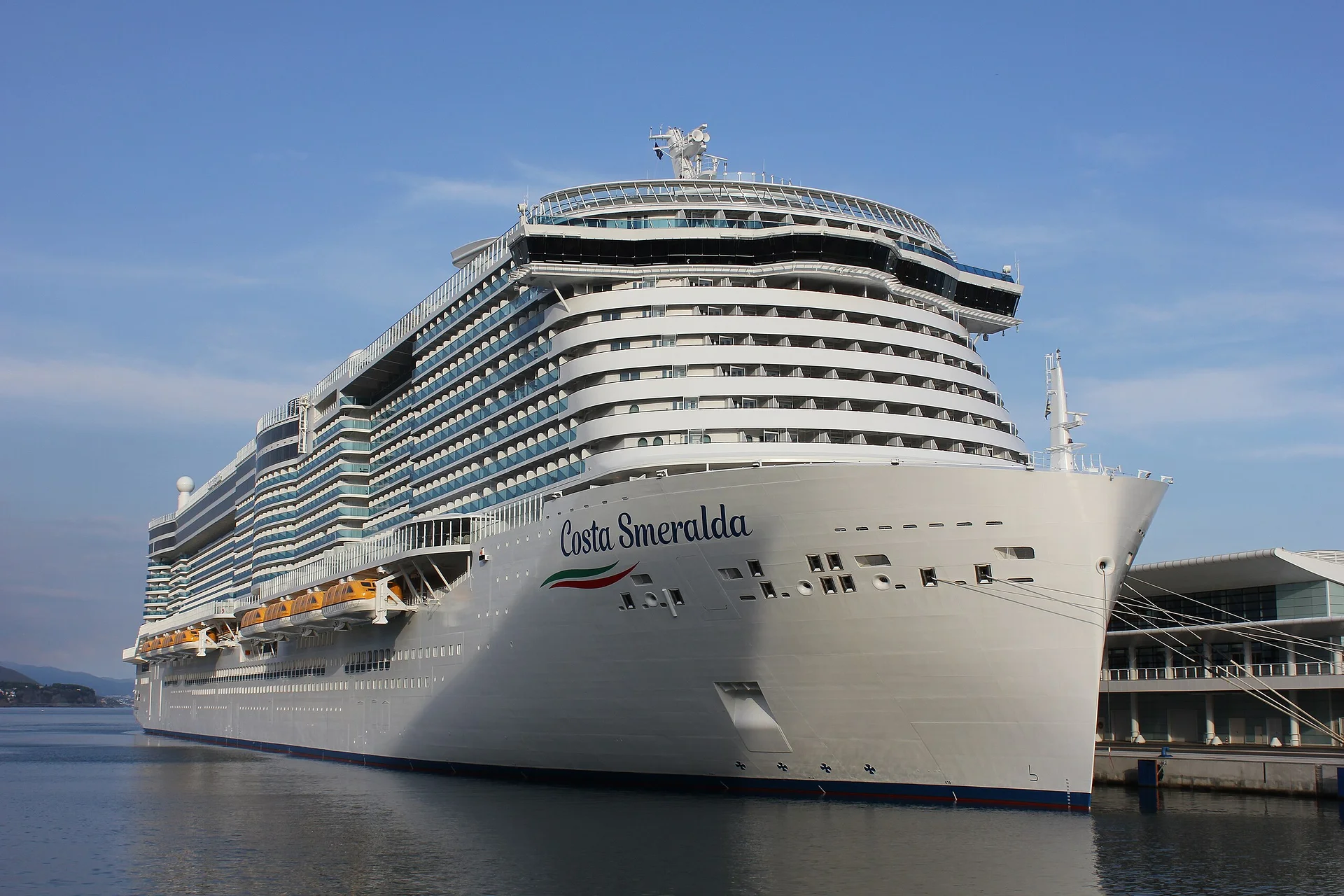
Even the ships' names tell the story: Smeralda (a nod to Sardinia's Costa Smeralda), Toscana, Diadema, Fortuna. Each liner evokes a different facet of Italy.
Accessible value for the money
Positioned at the entry level of the Carnival group, Costa aims at a broad clientele without major compromises on comfort.
Fares stay attractive, especially for families: children under 18 sail free in many fare packages. A 7-day Mediterranean cruise can start around $660* per person.
Tip: check the Costa Cruises section of Croisieres.fr for a selection of promotional offers and some real savings.
A modern fleet built for the future
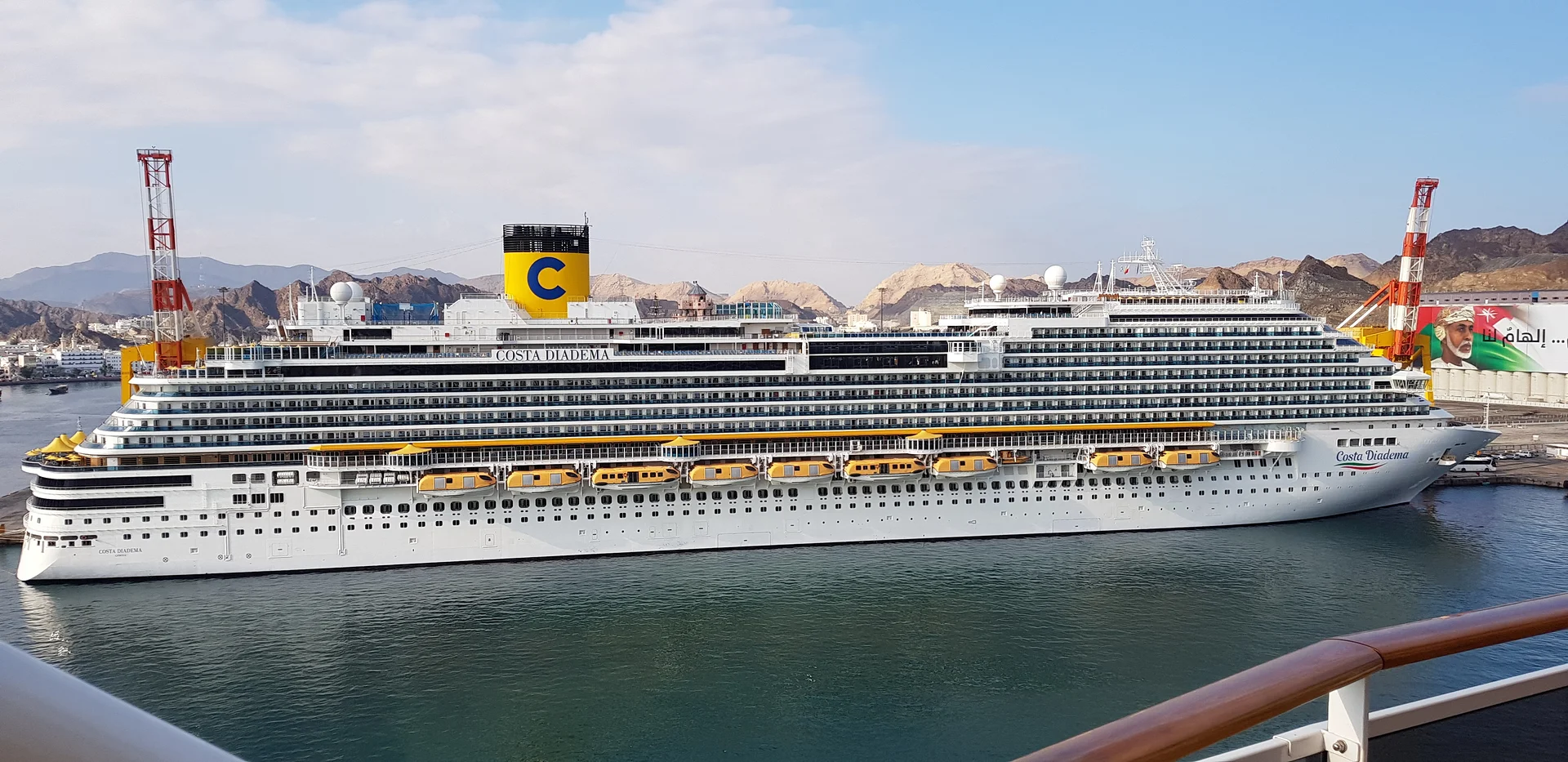
The line currently operates around ten ships after transferring several vessels to other brands in the group. Among them, the Costa Diadema (306 meters, 4,947 passengers) is the largest ship flying the Italian flag.
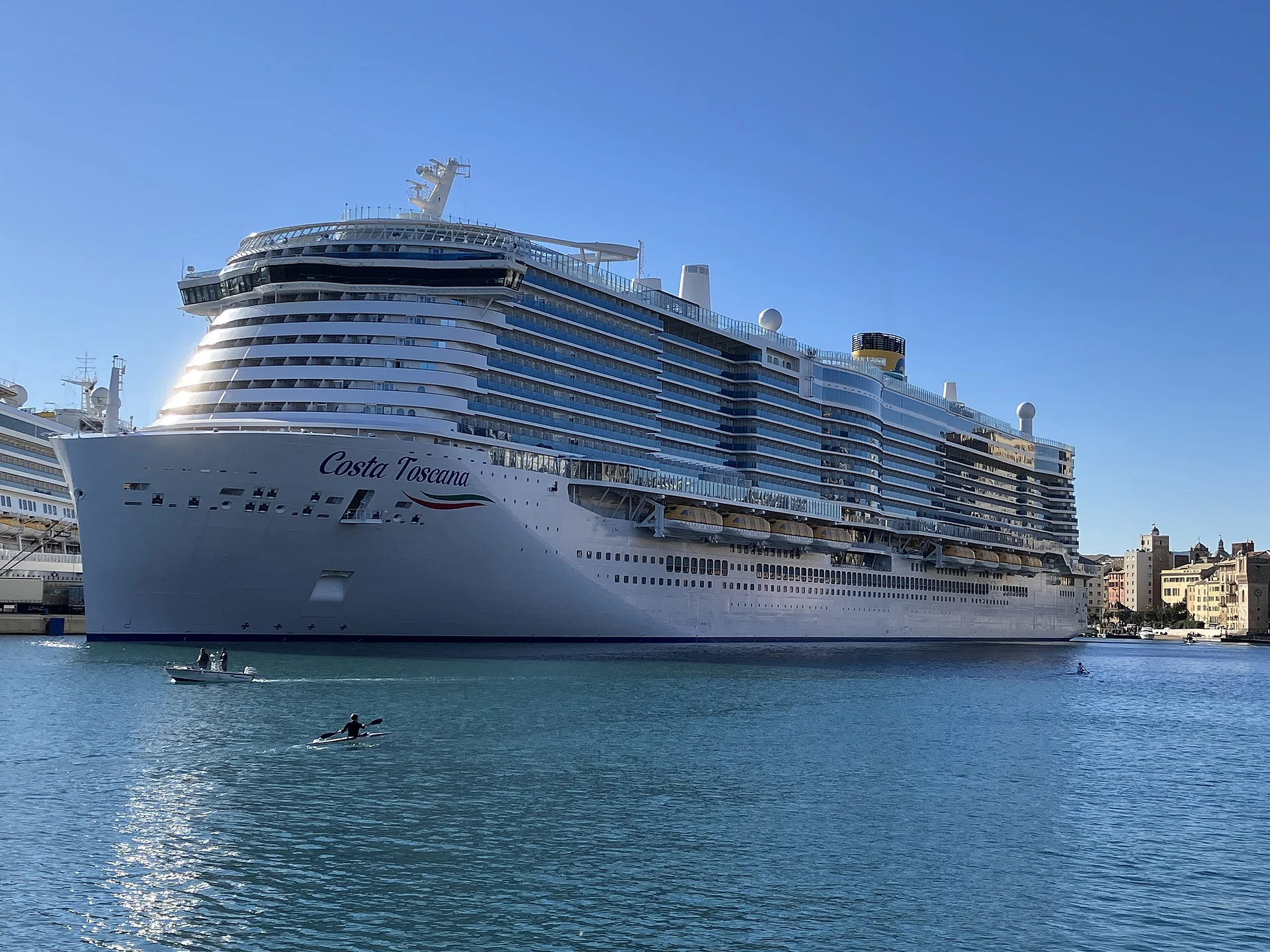
The real stars of the fleet are the Costa Smeralda (2019) and the Costa Toscana (2022), the line's first ships powered by LNG (liquefied natural gas). These floating cities have up to 16 restaurants, about twenty bars, water parks, and even an Italian design museum aboard the Smeralda.
Most Costa ships were built at the prestigious Italian shipyards of Fincantieri, tightening the link to the country's maritime heritage.
A pioneering environmental commitment
Costa was the first cruise line to earn the Green Star certification from the Italian maritime register (RINA) in 2005, well before sustainability became a must-have selling point.
Using LNG cuts CO2 emissions by 25%, nitrogen oxide emissions by 85%, and fine particulates by 95% compared with traditional marine fuels. The company is targeting carbon neutrality by 2050.
Beyond propulsion, Costa runs a full onboard waste recycling program and has worked with food banks since 2015 under the Milan protocol to reduce food waste. The ships are fitted with shore power systems to cut pollution in port.
Who is Costa for?
The line suits families looking for an affordable vacation without giving up comfort. Facilities for kids and teens are plentiful: age-group clubs, water parks, supervised activities.
Costa also appeals to travelers who like a relaxed Mediterranean atmosphere and authentic Italian food. If you dream of Neapolitan pizza and fresh pasta in the middle of the sea, you're in the right place.
A lively, international atmosphere
Costa's passengers are a mix: French, Italians, and Spaniards share a relaxed, festive atmosphere that can get loud, depending on your tolerance.
That mix can surprise anyone expecting a quieter, more hushed vibe or an all-English-speaking crowd, but it is part of the Mediterranean charm. Italian passengers are often the majority on certain sailings.
Varied destinations beyond the Mediterranean
The heart of Costa's itineraries is the Mediterranean, the line's home turf since the beginning. Marseille, Barcelona, Naples, the Greek islands: Costa knows these waters by heart.
But the offer goes well beyond: Northern Europe and the Norwegian fjords, the Caribbean, the United Arab Emirates, South America, and Asia are all on the program. In total, Costa offers 261 destinations and 131 different itineraries, including some world cruises.
What to know before you book
Costa openly embraces its accessible positioning. Ships carry between 2,000 and 5,000 passengers depending on the model, which makes for a lively atmosphere, especially in high season and on the biggest ships.
The main language onboard is Italian, though other languages are offered. Some non-Italian passengers report feeling like a minority, especially during entertainment and shows.
Many services cost extra (drinks, WiFi, cabin cleaning depending on the fare), which is common in the industry but worth budgeting for ahead of time. "All-inclusive" packages exist and make it easier to keep your spending under control.

I can only say good things about Costa, even though I only did a three-night mini cruise in the Mediterranean with them, which I booked in a rush. The prices were very attractive (half price for my daughter, free for my son), so I wasn't expecting anything extraordinary. A very pleasant surprise: we were upgraded to a cabin with a balcony that was very clean, spacious, and comfortable. Very good meals and high-end shows. As someone who isn't usually a fan of this kind of trip, I give it 100 percent approval.