




Sedan, SUV, or 4x4: Which Vehicle to Choose for Your Namibian Road Trip
Renting a car in Namibia is about much more than just sticking to a budget. Exploring this country relies almost entirely on self-drive itineraries across a network of 48,000 km of roads, where
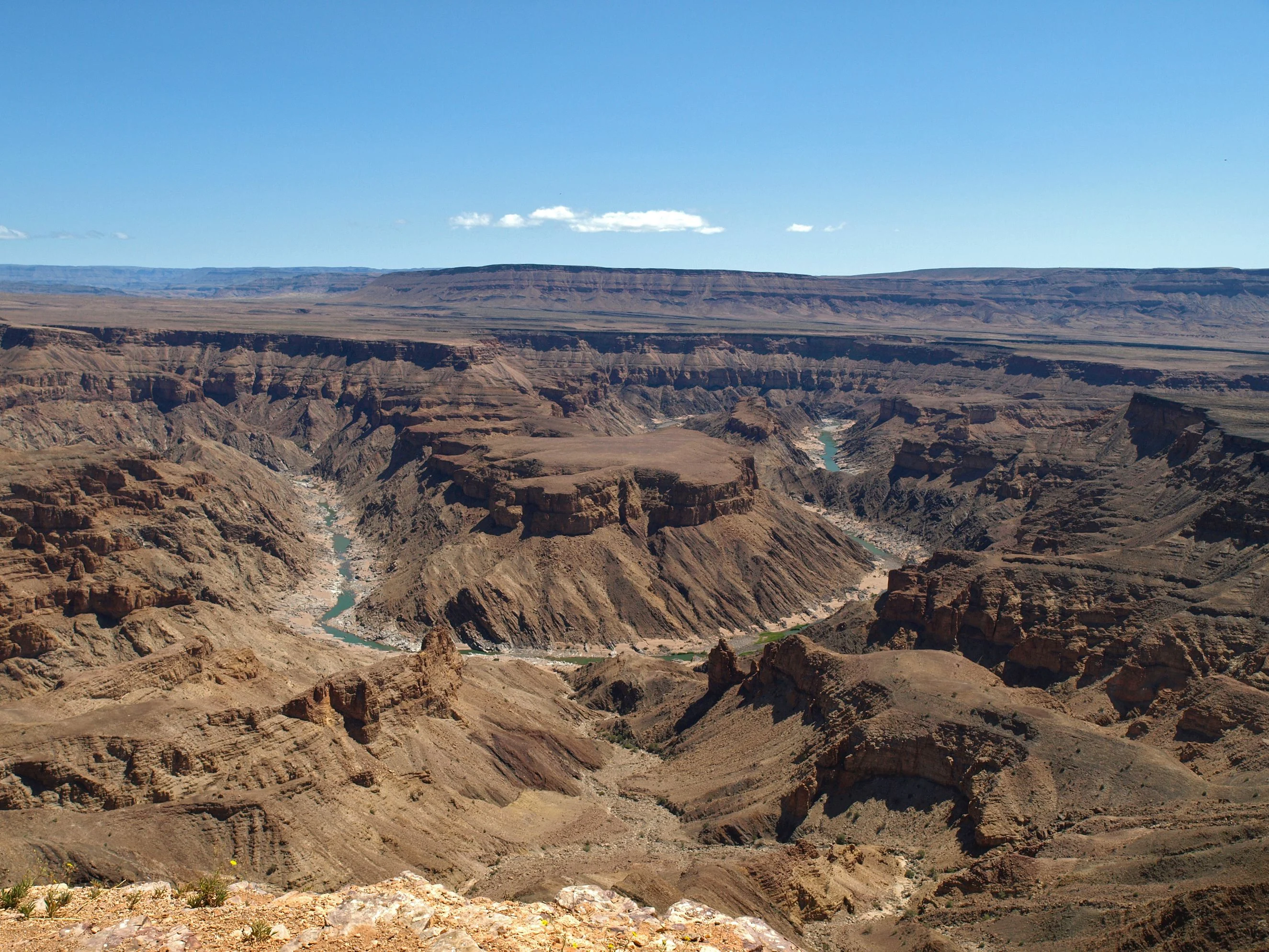
A standard sedan works well if you are strictly sticking to paved highways, such as the corridor connecting Windhoek, Swakopmund, and Etosha south. On the other hand, you will need a high-clearance SUV or 4x4 for Sossusvlei, Damaraland, Kaokoland, and the rugged gravel tracks.
- Paved main highways (Windhoek-Swakopmund, Windhoek-Etosha): a high-riding sedan or 2WD SUV is usually enough
- Sossusvlei, Damaraland, internal Etosha tracks: a 4x4 is strongly recommended, and sometimes mandatory depending on the rental company
- Kaokoland: the remote Himba region featuring lunar landscapes, where a 4x4 is required and confident off-road driving experience is necessary
Many travelers choose a 4x4 equipped with a rooftop tent, which serves as both your transportation and mobile accommodation when staying at campsites along the way.
How Much Does Car Rental Cost in Namibia?
Price ranges vary quite a bit depending on the provider and the vehicle category. Daily rates run anywhere from $35* to over $174* depending on the model and the time of year.
Keep a close eye on the insurance deductible, or security deposit. It frequently reaches $1,740 to $2,320* with local Namibian rental companies, which is significantly higher than what you will see in other destinations.
Good to know: Peak season (June through October) pushes prices up by 30% to 50% compared to the low season. Book early if you are traveling during these months, especially if you want an equipped 4x4 camper.
Landing at Hosea Kutako International Airport without a reservation is doable during the low season (October through March), but strongly discouraged during the peak months when fully equipped 4x4s are the first vehicles to sell out.
Insurance: The Most Misunderstood (and Priciest) Detail
Namibian gravel roads completely change the rules when it comes to car insurance. Deductibles are generally much higher than in other countries because most basic rental packages only include basic third-party liability and limited collision coverage, largely due to the rough nature of gravel tracks and the degraded condition of certain routes.
In practical terms, this means even a minor slip off a gravel road can hold your entire deductible hostage, even without another driver involved.
Windshield and body damage caused by flying stones on unpaved tracks happen constantly, making it vital to choose a policy that explicitly covers them.
| Situation | Typical Coverage |
|---|---|
| Collision with another vehicle | Usually covered by basic insurance |
| Single-vehicle run-off-road accident with no third party | Often excluded from reduced-excess waivers |
| Windshield or body damage from gravel | Frequently excluded from basic policies |
| Collision with an animal | Varies by provider, check your contract |
Some local agencies also state that single-vehicle accidents, including swerving to avoid wildlife, are not covered under standard zero-excess or reduced-excess policies. Read this section of the contract carefully before signing.
Driver's Licenses, Minimum Age, and Documents: Namibian Rules
Requirements vary slightly from one rental company to the next, but they all agree on the core rules.
- You must be at least 21 years old to rent a car in Namibia, though some agencies raise this minimum to 23 or 25 for premium 4x4s
- Rental companies often require you to have held your driver's license for 1 to 2 years
- Foreign visitors can drive using their domestic license, but if it is not printed in English, you should pick up an International Driving Permit before your trip
As for the rules of the road, traffic moves on the left. Speed limits top out at 120 km/h on paved highways outside built-up areas, 80 km/h on gravel roads, and 40 km/h inside national parks and reserves. Keeping your low-beam headlights on at all times is also a local legal requirement.
Good to know: A credit card (not a debit card) is almost always required as a security deposit at the rental counter, with a credit limit high enough to cover the full deductible.
Cross-Border Travel with Your Namibian Rental Car
Many itineraries combine Namibia, Botswana, and South Africa. It is entirely doable, but strictly regulated.
Some rental companies allow cross-border trips into Botswana or South Africa for an additional fee and with prior notification, while others explicitly ban it. Major international brands like Avis and Europcar generally permit cross-border driving, whereas smaller local independents might not.
Budget-wise, expect to pay around $70 to $105* for South Africa clearance, and $105 to $174* for Botswana or Zambia cross-border permits.
When to Book Based on the Season
The dry season, running from May to October, is the prime window for safaris. To secure your first choice of vehicle, book at least 3 months ahead of your arrival.
The rainy season, from November to April, can turn certain dirt tracks into impassable mud pits after heavy thunderstorms. Demand drops during these months, making vehicle availability much more flexible.
This weather factor directly impacts your trip: during the rainy season, northern 4x4 routes or tracks into Kaokoland can turn risky or even close temporarily depending on rainfall.