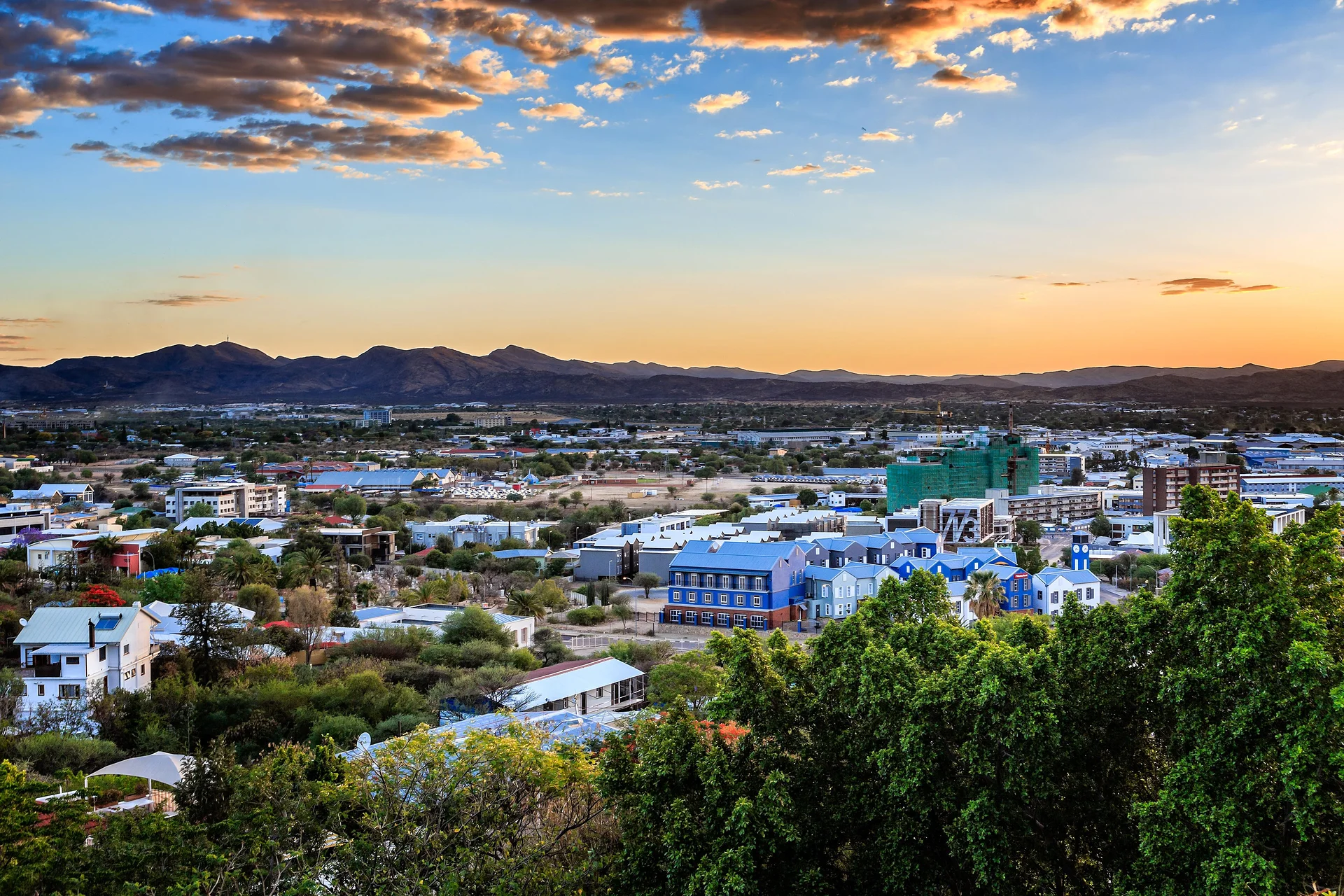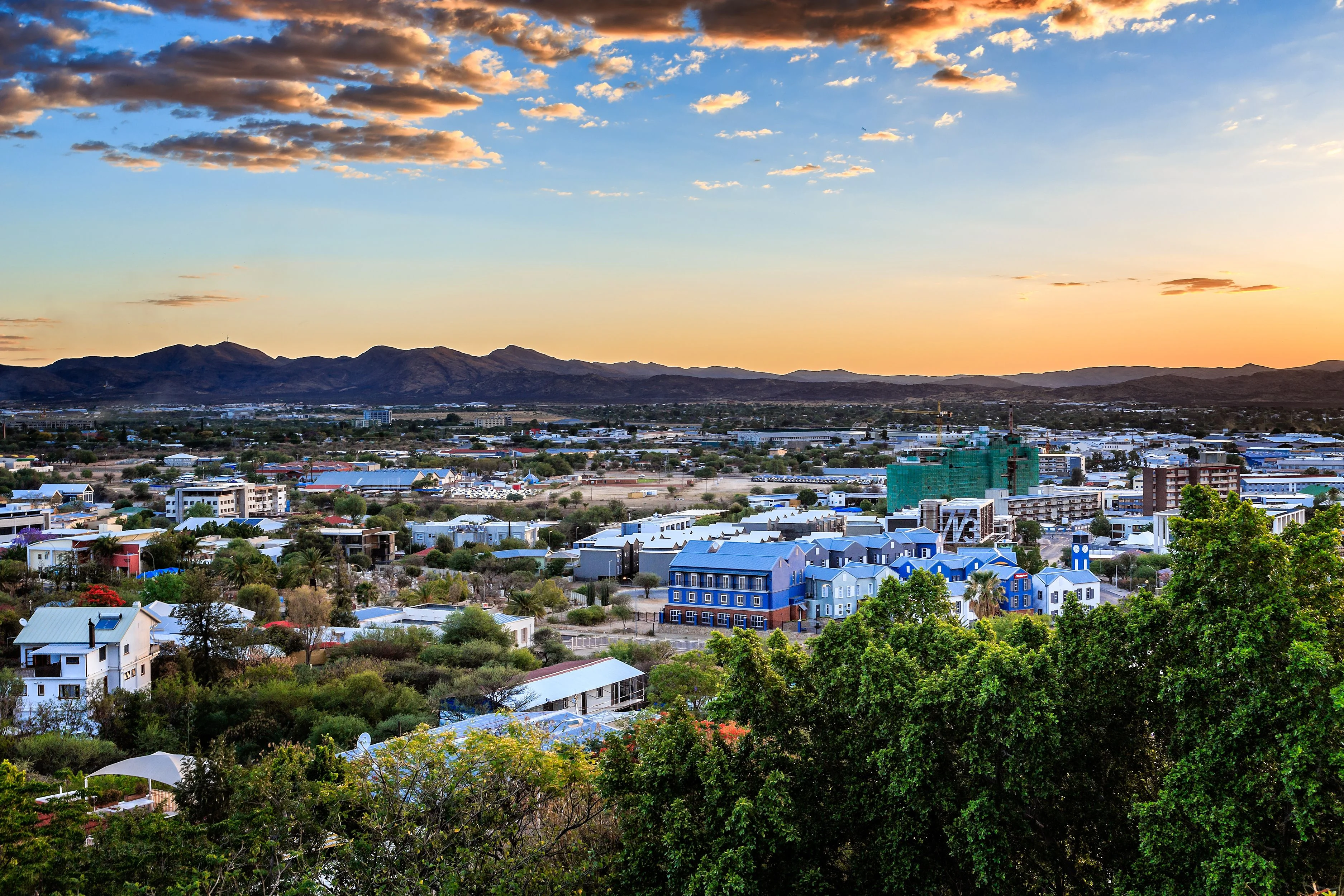
Visiting Windhoek: At the Crossroads of Africa and Europe
You land in Namibia with your mind already set on the red desert dunes. But wait, did you actually take a moment to look at Windhoek? This surprising capital whispers stories of colonization and freedom, where Bavarian architecture rubs shoulders with African markets. It is a city of contrasts and a starting point that deserves more than a quick transit. Let its relaxed vibe and unique cultural mix surprise you.
An Essential Stop for Explorers of the Namibian Soul
Windhoek is a great destination if you want to understand the pulse of Namibia before diving into its vast natural landscapes. It is the ideal spot for history buffs, fans of unusual architecture, and those looking for cultural encounters. The city offers a smooth transition between your everyday routine and the African adventure, complete with all modern amenities.
However, if you are dreaming of a vibrant, high-energy metropolis, or if your budget for upscale lodging is tight, Windhoek might feel a bit too quiet or pricier than expected.
It is not a standalone destination for a long vacation, but rather a rewarding one or two-day stopover.
A Journey Back in Time: Colonial Architecture
German heritage is visible on every corner, with buildings like the Christuskirche, a fairytale Lutheran church standing proudly in the middle of town. The Tintenpalast, Namibia's parliament, is another fascinating example of this style. A walk through downtown transports you straight to Europe, before bringing you back to African reality just a few blocks away. It is a jarring yet remarkably charming mix.
Friendly tip: do not hesitate to look up and check out the details on the facades. Every building tells a piece of Namibia's complex history. The best way to do this is on foot, especially in the mornings before the heat sets in.
Museums and Memory: Diving into Namibian History
To truly understand Namibia, a visit to the Independence Memorial Museum is a must. This striking modern building traces the struggle for independence through powerful exhibits. The view from the top-floor rooftop restaurant gives you a sweeping look over the city. The Alte Feste museum, set inside an old German fort, features collections of art, historical objects, and cultural artifacts.
Friendly tip: take your time reading the display panels and taking in the stories. It is a necessary immersion to fully appreciate how far the Namibian nation has come.
Vibrant Katutura: Beyond Downtown
For an authentic, off-the-beaten-path experience, head out to the neighborhood of Katutura. This former township is now a lively, dynamic community. Here you will find the Oshetu Market, a whirlwind of colors, smells, and sounds where vendors sell everything from fresh produce to traditional clothing. It is an intense slice of daily life, far removed from the polished image of the city center.
Friendly tip: for your first visit, consider booking a guided tour. Local guides will help you navigate the market and understand the neighborhood's history and culture in a more thorough, respectful way. You can try local specialties here, such as the famous kapana grilled meat.
A Peaceful Haven: The National Botanical Gardens
If you need a break from the urban hustle, the National Botanical Gardens of Namibia offer a quiet green escape. It is a chance to check out the country's unique flora, featuring plants adapted to an arid climate. A relaxing walk awaits you, far from honking horns and city traffic. It is a prime spot for birdwatching and recharging your batteries.
Friendly tip: pack a hat and sunscreen. Even in a garden, the Namibian sun is relentless. Keep your eyes open for little lizards basking in the sun.
Where to Eat and Drink in Windhoek
Windhoek's food scene is an interesting mix of African and European influences. You will find plenty of restaurants serving game meat (oryx, kudu, springbok) prepared in various ways, often grilled or slow-cooked in stews. Do not miss out on local beers like Windhoek Lager or Tafel Lager, brewed according to German purity laws. For a more local experience, the street markets, particularly in Katutura, feature food stalls where you can grab simple, flavorful bites.
Friendly tip: for a lively atmosphere and a solid menu, Joe's Beerhouse is an institution. It is touristy, sure, but the vibe is unique and the portions are huge.
Where to Stay in Windhoek and the Surrounding Area
Windhoek has lodging options across the board, from budget hostels to luxury hotels. To stay in the thick of the action and keep the main sights within walking distance, pick a spot in the city center. The residential neighborhoods farther out usually have quieter, charming guesthouses. For travelers looking for peace and high-end comfort, lodges sit on the outskirts of town, some with great views of the surrounding hills.
How to Get to and Around Windhoek
Hosea Kutako International Airport (WDH) is the main entry point to Namibia, sitting about 40 km east of the city. Shuttles and taxis are available to get you into town. Once you arrive, downtown Windhoek is relatively compact and easy to navigate on foot. For longer distances or safety reasons after dark, taxis are plentiful and reasonably priced. Renting a car is essential if you plan on exploring Namibia beyond the capital.
When to go
The best time to visit Windhoek runs from May to October during the dry season. Temperatures are pleasant and days are sunny, which makes walking around town ideal. Nights can get chilly, especially in July and August. The rainy season, from November to April, brings green landscapes along with higher temperatures and a chance of late-afternoon downpours. It is also the time to catch some dramatic thunderstorms.