Visiting Kyrgyzstan, on the Rhythm of the Steppes and the Sky-High Mountains
Horses running loose across open valleys. Snow-capped peaks reflected in lakes so blue they look unreal. Yurts dotting the hillsides as far as you can see. Kyrgyzstan is one of those places that genuinely delivers on what most destinations only promise: raw, unscripted, and deeply rooted in a nomadic way of life that hasn't been packaged for tourists yet.
Is Kyrgyzstan the right trip for you?
If you're drawn to serious trekking, wide-open landscapes, and hands-on cultural experiences, this place will exceed your expectations. Hikers, adventure travelers, and anyone curious about nomadic culture will find plenty to keep them going. But if your baseline is Western-standard hotels, major world-class museums, or beach resorts, you'll likely find Kyrgyzstan frustrating. Infrastructure is basic, roads are rough, and distances are long. That's also exactly what makes it worth the trip.
High-altitude lakes and ever-changing landscapes
The mountain lakes here are something else. The most famous, Issyk-Kul, is an inland sea with crystal-clear water ringed by snow-covered peaks, think Lake Tahoe but bigger, more remote, and sitting at 5,200 feet. Less visited but equally impressive, Song-Kul Lake sits at roughly 10,000 feet above sea level, with yurts scattered across the surrounding pastures and almost no development in sight.
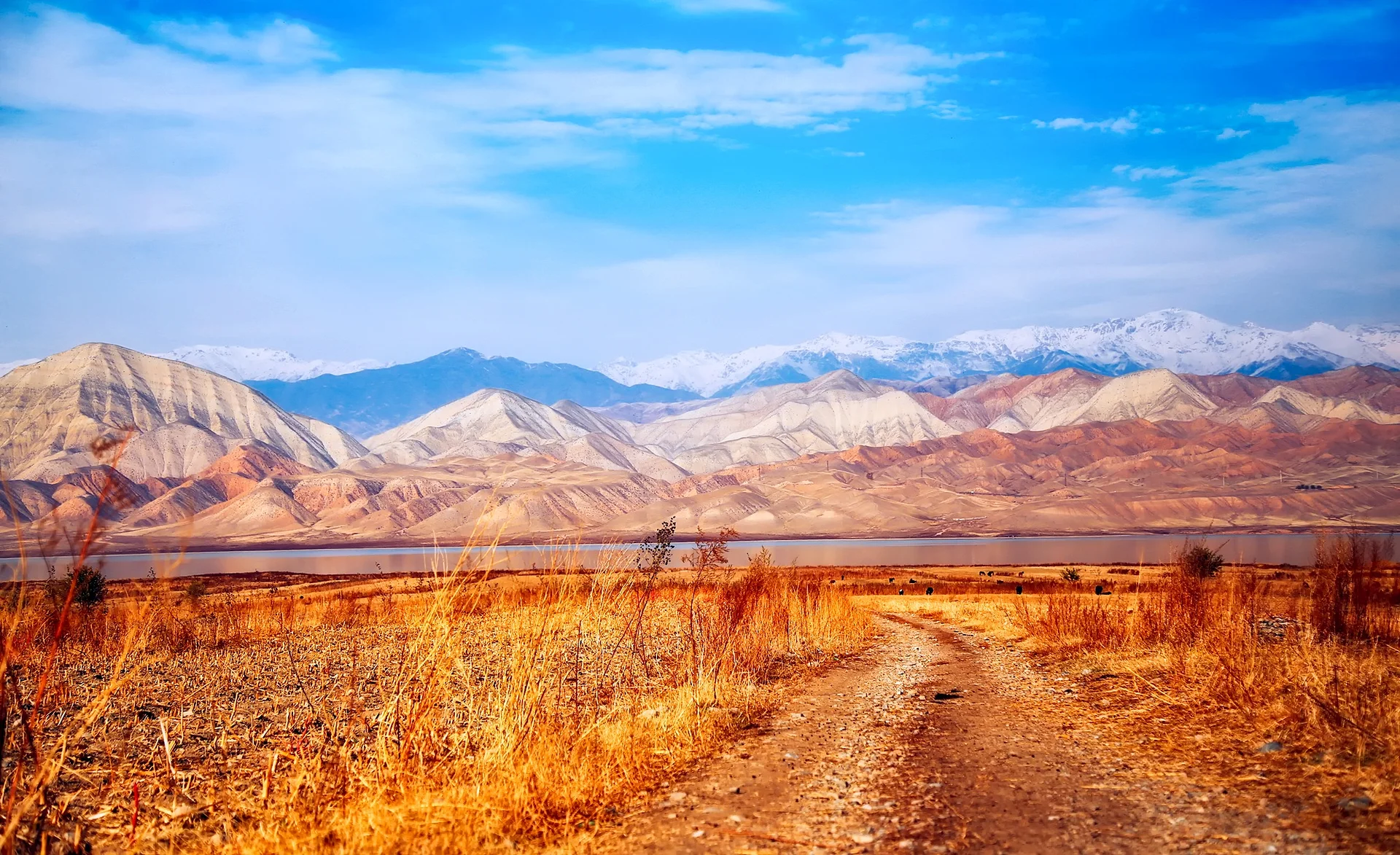
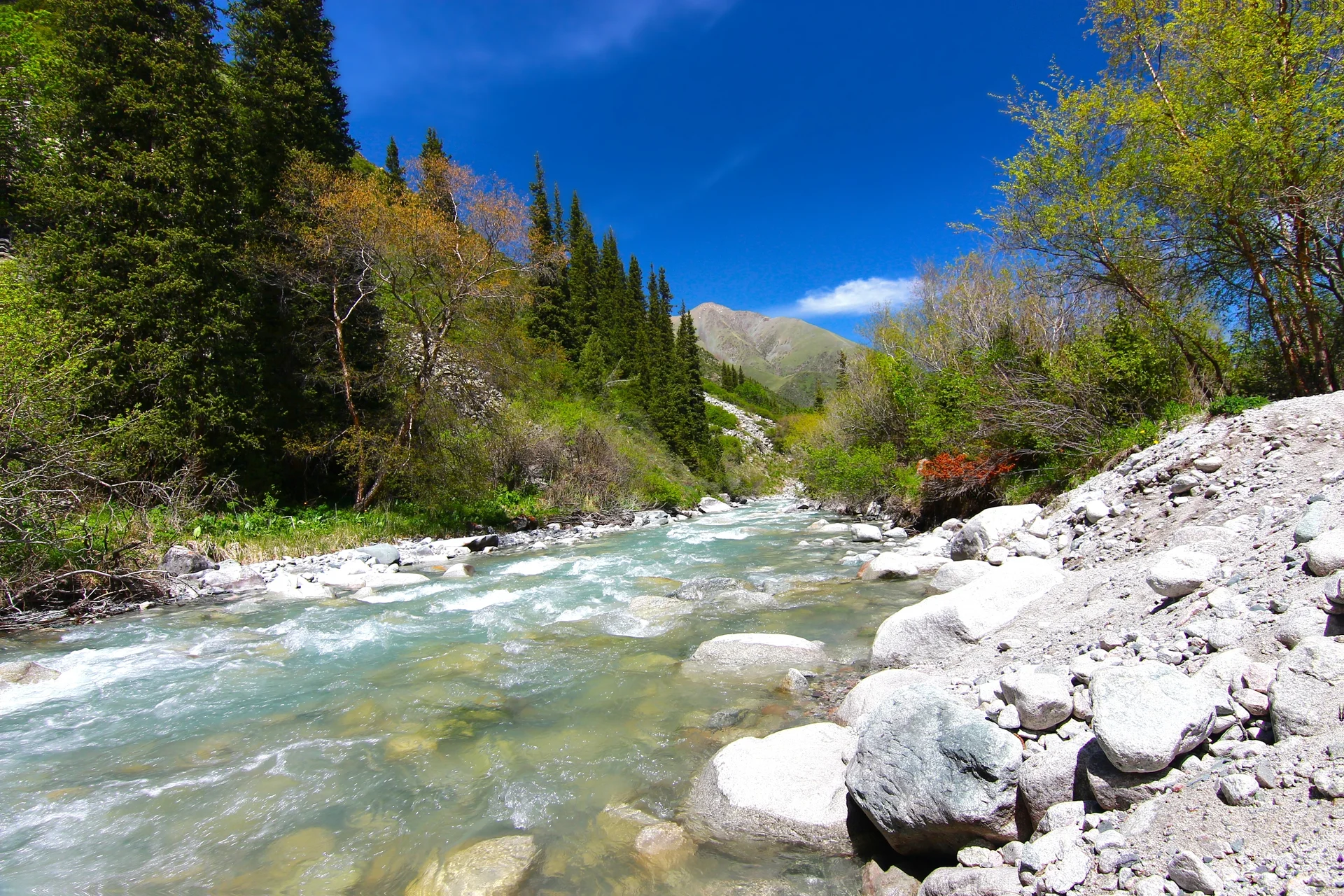
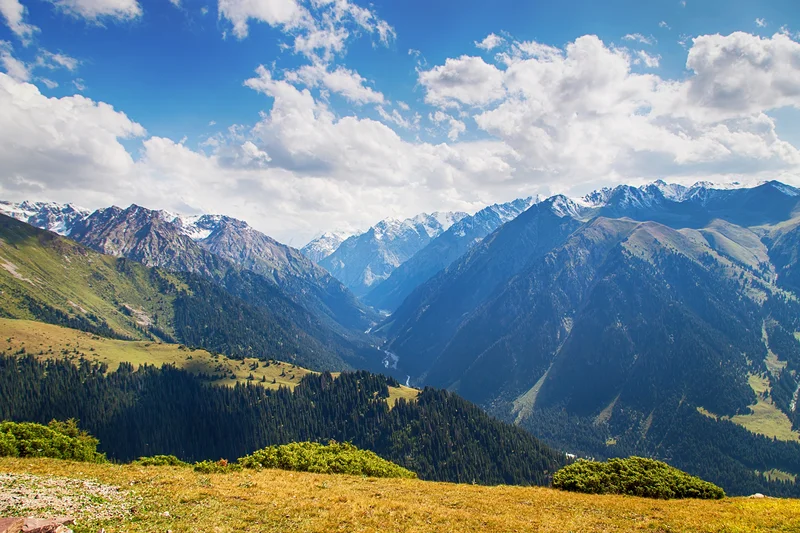
Every valley here offers a different scene: arid steppes, pine forests, rushing rivers. You can go from the red rock formations of Jety-Oguz to the glaciers of the Tian Shan range in a matter of hours.
Insider tip: Spend at least one night in a yurt on the shores of Song-Kul. The night sky out there is extraordinary, no light pollution, wall-to-wall stars.
Trekking and nomadic life
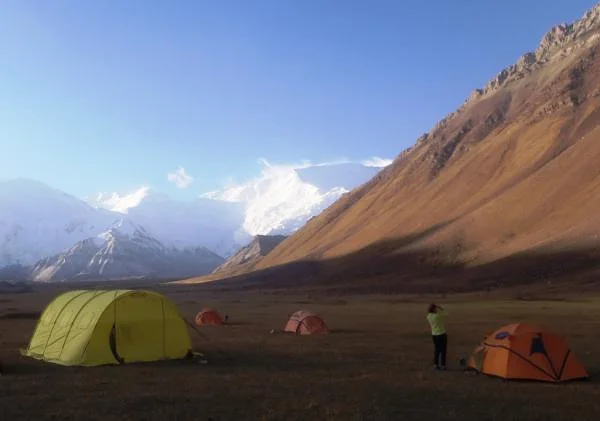
Trekking is the main event in Kyrgyzstan. Trails wind through mountain passes and quiet valleys, and it's common to pass herders on horseback going about their day. The routes around Karakol, a city in the eastern part of the country, are among the most popular, leading through wildflower-filled valleys and traditional campsites.
Nomadic life is not a museum exhibit here. Herders still move their families and yurts with the seasons. Spending time with a nomadic family, sharing meals and learning how things actually work, is the kind of experience you don't find on a standard itinerary.
Cities and cultural heritage
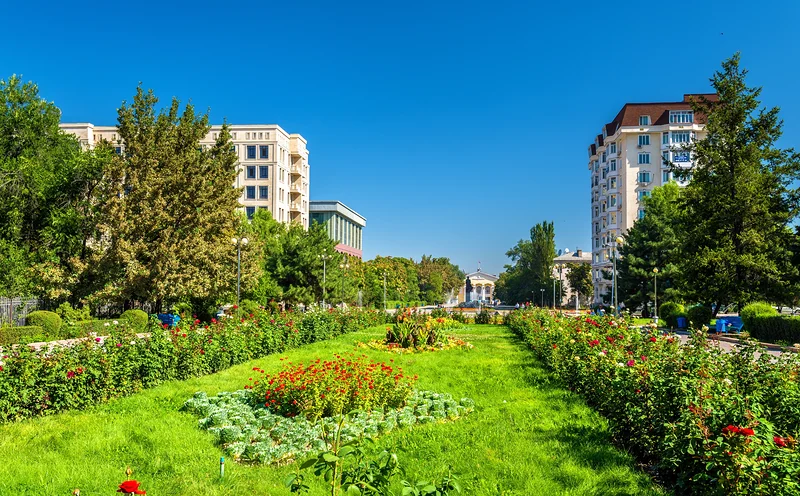
Kyrgyzstan isn't all mountains. Bishkek, the capital, has a distinctly Soviet feel, wide boulevards and blocky architecture alongside lively markets selling spices, textiles, and dried fruit. Head south and you'll reach Osh, one of the oldest cities in Central Asia and a historic stop on the Silk Road.
Mosques, bazaars, and small museums fill in the picture of a country that sat at the crossroads of major civilizations for centuries. Kyrgyzstan has always been a meeting point between East and West, and you can feel that in both the architecture and the food.
Hospitality and horseback adventures
The horse is central to Kyrgyz identity, not just as transportation but as a cultural touchstone. Horseback trips open up remote areas that are completely inaccessible by road. First-time riders are often surprised by how patiently and naturally locals get them comfortable in the saddle.
Drop by a camp and there's a good chance you'll be invited in for tea or a meal. Hospitality here is genuine and everyday, not a performance put on for visitors.
Insider tip: If someone offers you kymyz (fermented mare's milk), try it at least once. The flavor catches you off guard, but it's one of those things you'll talk about for years.
Kyrgyz food: simple, filling, and rooted in nomadic tradition
The cuisine reflects the country's pastoral history. Expect hearty, meat-forward dishes built around lamb, dairy, and bread. Plov, a rice dish cooked with vegetables and mutton, shows up everywhere from city restaurants to mountain camps. Steamed dumplings called mantys and clay-oven-baked samsas are standard snacks alongside black tea, which is basically always on the table.
Out in the steppes, meals are simple and filling. Fermented mare's milk, the local specialty, is a direct expression of the nomadic traditions that still define life here.
When to go to Kyrgyzstan
Summer, from June through September, is the prime window for trekking and accessing the high plateaus. Mountain temperatures are mild, though valleys can get genuinely hot. Spring and fall bring fewer crowds and great scenery. Winter closes off most mountain roads, though a handful of ski operations are developing around Karakol if that's your angle.
Getting to Kyrgyzstan
Most travelers fly into Manas International Airport near Bishkek. There are also flights into Osh from several Central Asian cities. For the overland crowd, border crossings from Kazakhstan, Uzbekistan, Tajikistan, and China are possible, though some of those crossings are remote and require some planning.
Getting around Kyrgyzstan
Main roads are manageable, but a lot of routes require patience and a vehicle that can take a beating. Marshrutkas, shared minibuses, are the most common and affordable way to get between towns and villages. For mountain exploration, hiring a driver or renting a 4x4 is the practical move. And for reaching high-altitude pastures, horses remain the most reliable option of all.