Visiting South Africa: A Country That Covers All the Bases
Landscapes That Actually Deliver
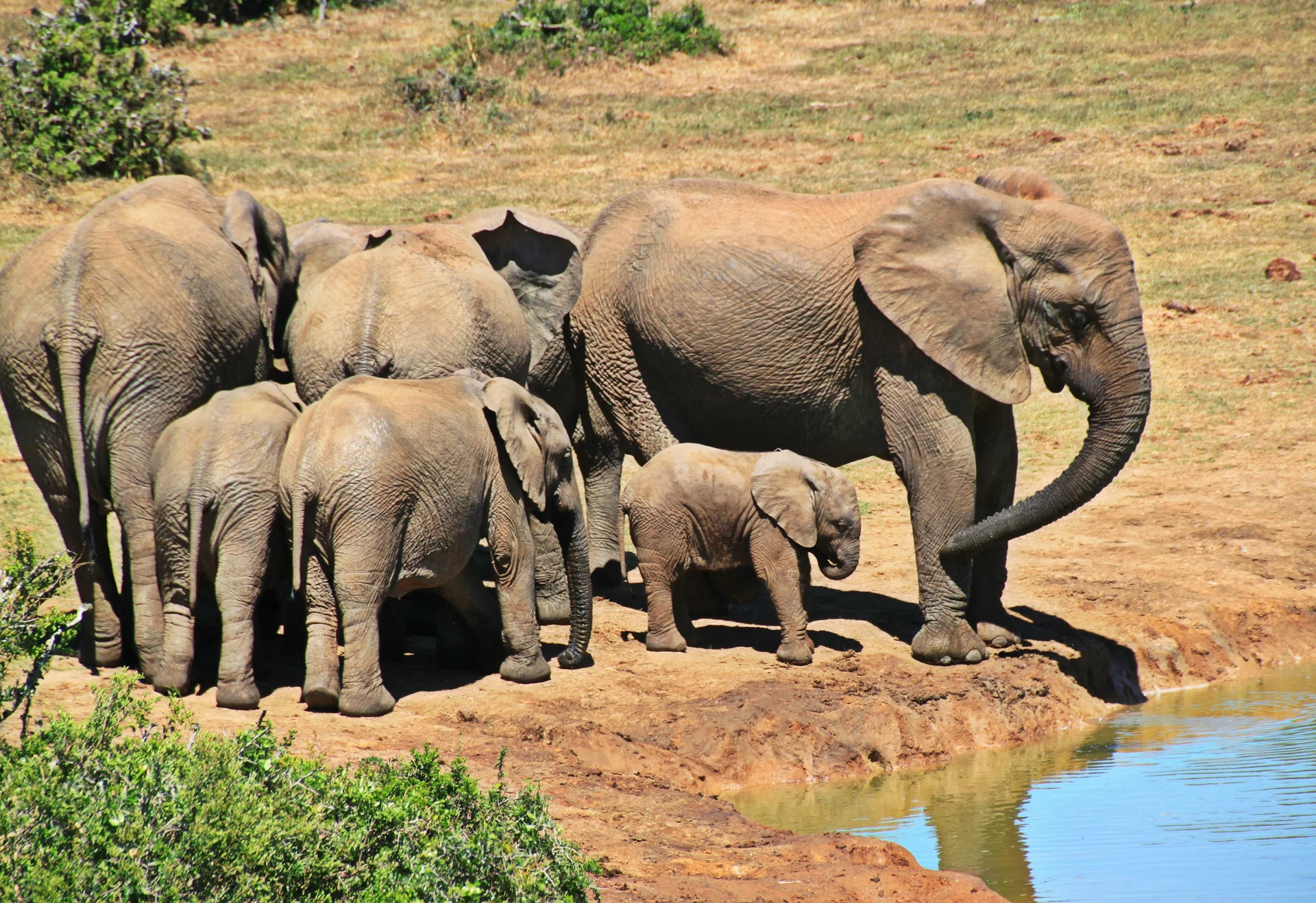
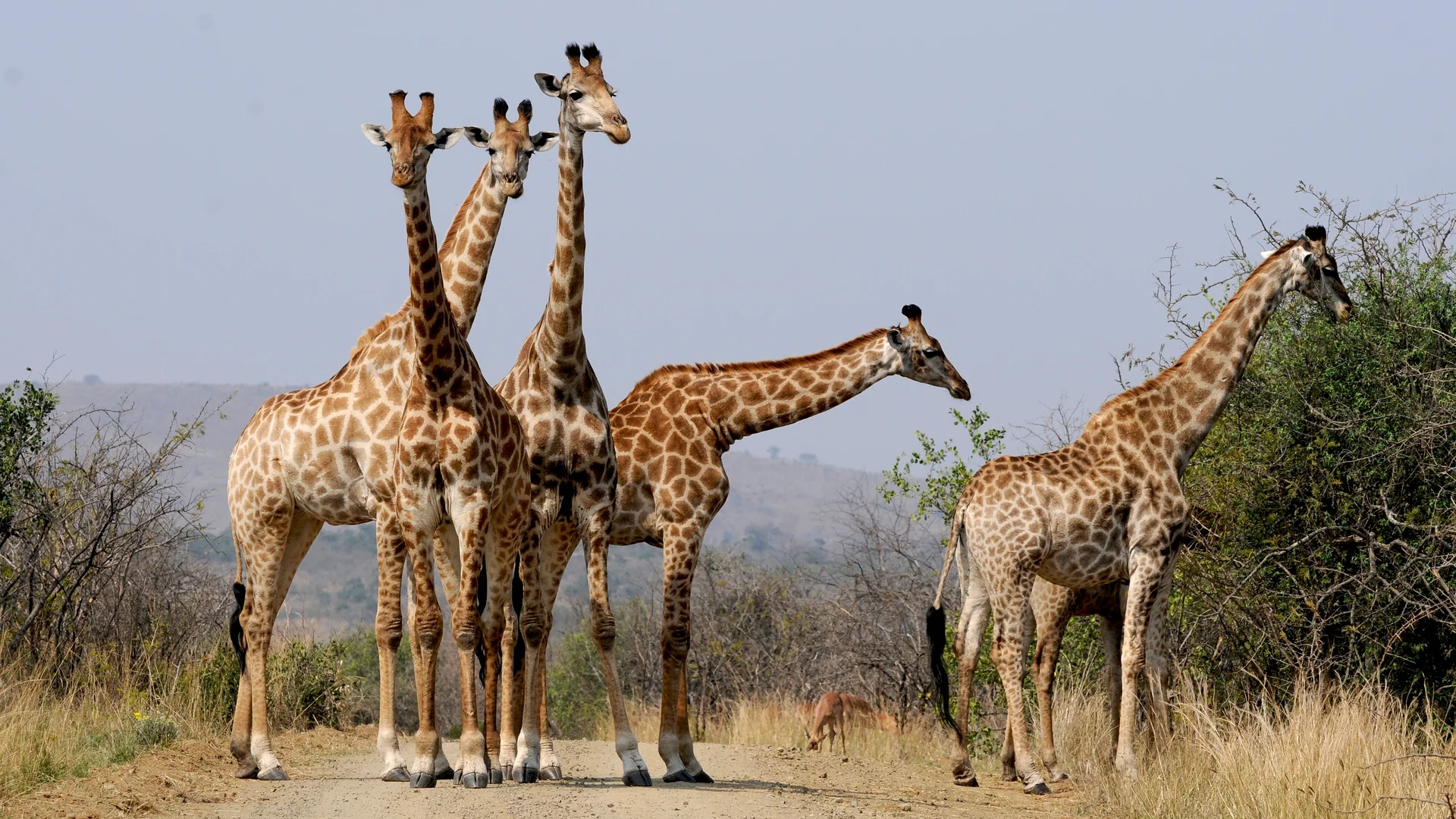
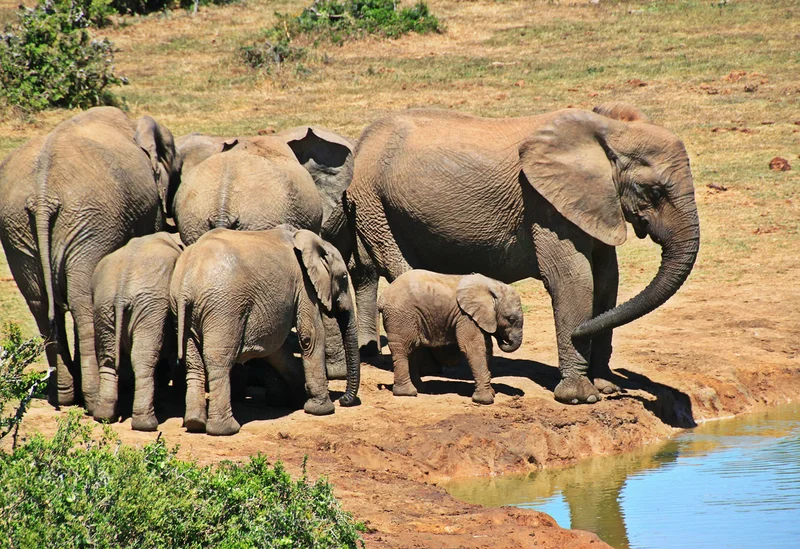
Few countries pack this much geographic variety into a single trip. Kruger National Park, one of Africa's top destinations for big-game viewing, sits in the northeast and draws wildlife photographers and first-time safari-goers alike. To the south, the Drakensberg mountains offer green, dramatic peaks that feel nothing like the savanna. And the Garden Route, a scenic coastal drive along the southern shore, strings together beaches, old-growth forests, and small towns worth stopping in.
Eleven Languages, One Country
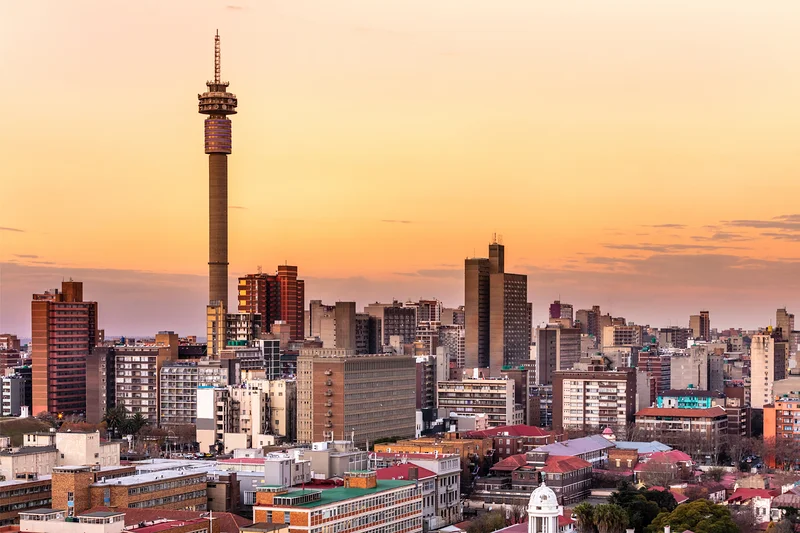
South Africa has 11 official languages, and locals often call it the "Rainbow Nation" for good reason. In Johannesburg, the Apartheid Museum gives an unflinching account of the country's history under racial segregation, one of the most powerful museum experiences on the continent. In Cape Town, the Bo-Kaap neighborhood, with its brightly painted houses, reflects the Cape Malay heritage that shaped the city's culture. Further east, traditional Zulu villages offer a window into ways of life that have remained largely intact for generations.
Places You Should Not Skip
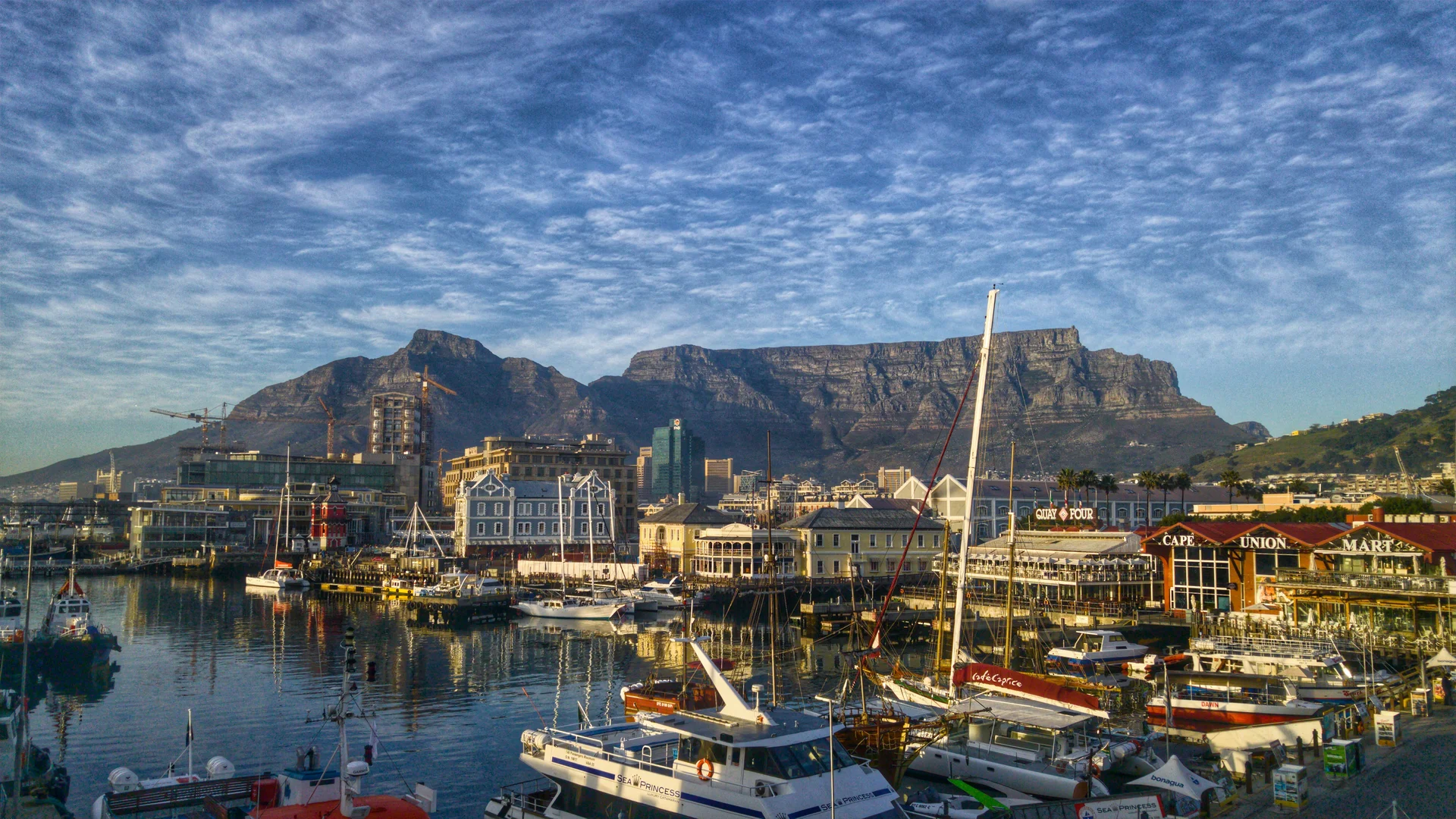
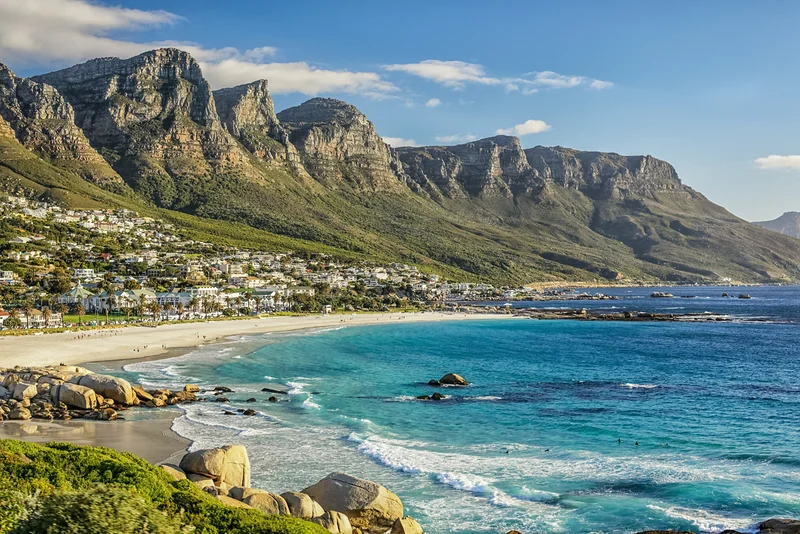
Cape Town anchors itself around Table Mountain, a flat-topped peak that looms over the city and the Atlantic coastline below. The city itself balances urban energy with serious natural access. Just offshore, Robben Island, where Nelson Mandela was imprisoned for 18 of his 27 years behind bars, is a sobering and important visit.
Wine lovers should make time for the Stellenbosch and Franschhoek wine regions, about an hour east of Cape Town. These valleys produce some of South Africa's best bottles, and the tasting rooms are far less crowded than Napa.
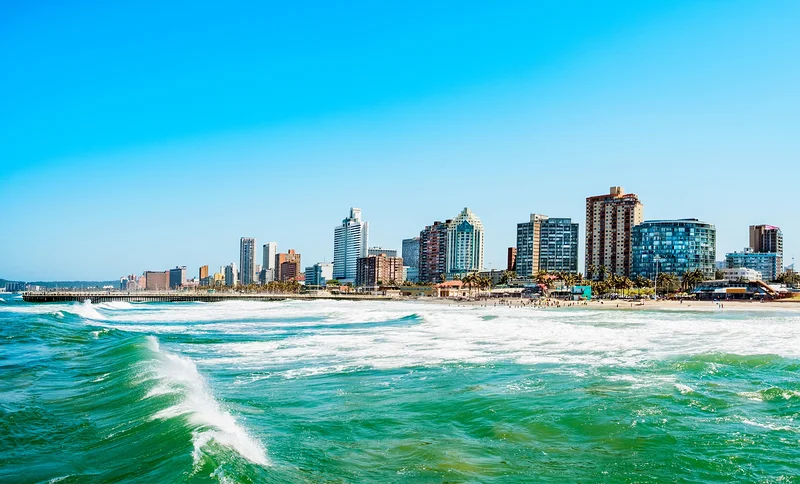
For beach time with a tropical feel, Durban on the Indian Ocean coast runs warmer water and more consistent surf than the Cape.
What to Eat
South African food is a direct product of its multicultural history. The braai, the local version of a barbecue, is less a cooking method and more a social institution. Try bobotie, a Cape Malay dish of spiced ground meat with a savory-sweet egg custard topping. Along the coasts, king prawns and crayfish (spiny lobster) are worth seeking out. And pick up some biltong, a spiced dried meat that's closer to jerky but with better seasoning. Pair any of it with a local Pinotage or Chenin Blanc.
When to Go
South Africa's climate shifts considerably by region. For safaris in the north, April through October is the dry season, when animals cluster around water sources and game viewing is at its best. For Cape Town, the Garden Route, and beach trips, aim for November through March, which is the Southern Hemisphere summer. If you're into the arts, the National Arts Festival in Grahamstown (now officially called Makhanda) typically runs in June or July and is one of the largest arts festivals on the continent.
Getting There
From the US, you're looking at connecting flights through European or Middle Eastern hubs into Johannesburg (O.R. Tambo International) or Cape Town. Total travel time typically runs 16 to 20 hours depending on your connection. Round-trip fares from major US cities generally range from around R11,000 to R18,000 (roughly $600 to $1,000), with better deals in the off-peak shoulder months. Airlines like United, Delta, Lufthansa, British Airways, and South African Airways all serve these routes. US citizens do not need a visa in advance and can enter South Africa visa-free for up to 90 days, but make sure your passport has at least 30 days of validity beyond your planned departure date and has at least two blank pages.
Getting Around
Renting a car is the most practical way to see South Africa on your own schedule. The road network is solid by regional standards, driving is on the left, and self-driving the Garden Route or wine country is genuinely straightforward. For longer hauls between cities, Intercape and similar long-distance bus companies offer an affordable alternative. Domestic flights connecting Johannesburg, Cape Town, and Durban are frequent and often surprisingly cheap when booked ahead, making it easy to cover ground without backtracking.