

Tulum National Park: Where Mayan civilization meets the Caribbean
Ancient ruins stand atop a white limestone cliff, overlooking the turquoise waters of the Caribbean Sea. Tulum National Park blends archaeological heritage with natural splendor. On one side, Mayan temples offer a glimpse into a complex historical society. On the other, tropical jungle gives way to white sand beaches where Caribbean waves crash against the shore.
Why is Tulum National Park unique?
Established in 1981, this relatively compact park covers 664 hectares (about 1,640 acres) and protects far more than just stone ruins. It is a complete ecosystem that encompasses tropical forests, mangroves, coastal dune vegetation, pristine beaches, and clear cenotes. The density of biodiversity is high for such a small area, featuring howler monkeys, ocelots, green iguanas, sea turtles, and a variety of native bird species.
Tulum stands out among other Mayan sites due to its coastal position. This ancient walled Mayan city, which reached its peak between the 13th and 16th centuries, served as both a strategic trading port and a religious hub. Spanish explorers who first sighted it in 1518 reportedly compared its scale and prosperity to Seville.
Exploring the ruins by the ocean
El Castillo and the sacred structures
El Castillo, the main building perched at the edge of the cliff, is the site's most prominent structure. This pyramid likely functioned as a lighthouse to guide Mayan navigators through the reefs. Its silhouette against the blue sky is one of the most recognizable images in Mexico.
The Temple of the Diving God, adorned with well-preserved frescoes, highlights the importance of the mysterious figure depicted upside down. The Temple of the Frescoes, featuring decorated niches and carved masks, showcases the artistic skill of the Mayan builders. Every stone here carries a centuries-old history.
The walls and defensive architecture
The name Tulum comes from the Mayan word for wall or barrier. The thick fortifications surrounding the city attest to its strategic importance. These stone walls, several meters high, provided protection from invaders while separating the sacred religious and political spaces from the outside world.
Local tip: Arrive at the 8 AM opening to enjoy the site in soft light and avoid the large crowds that arrive after 10 AM. Morning light brings out the textures of the limestone and allows for clear photos without other visitors in the frame. The heat is also more manageable early in the day, as the site offers very little shade.
The natural treasures of the park
Pristine beaches
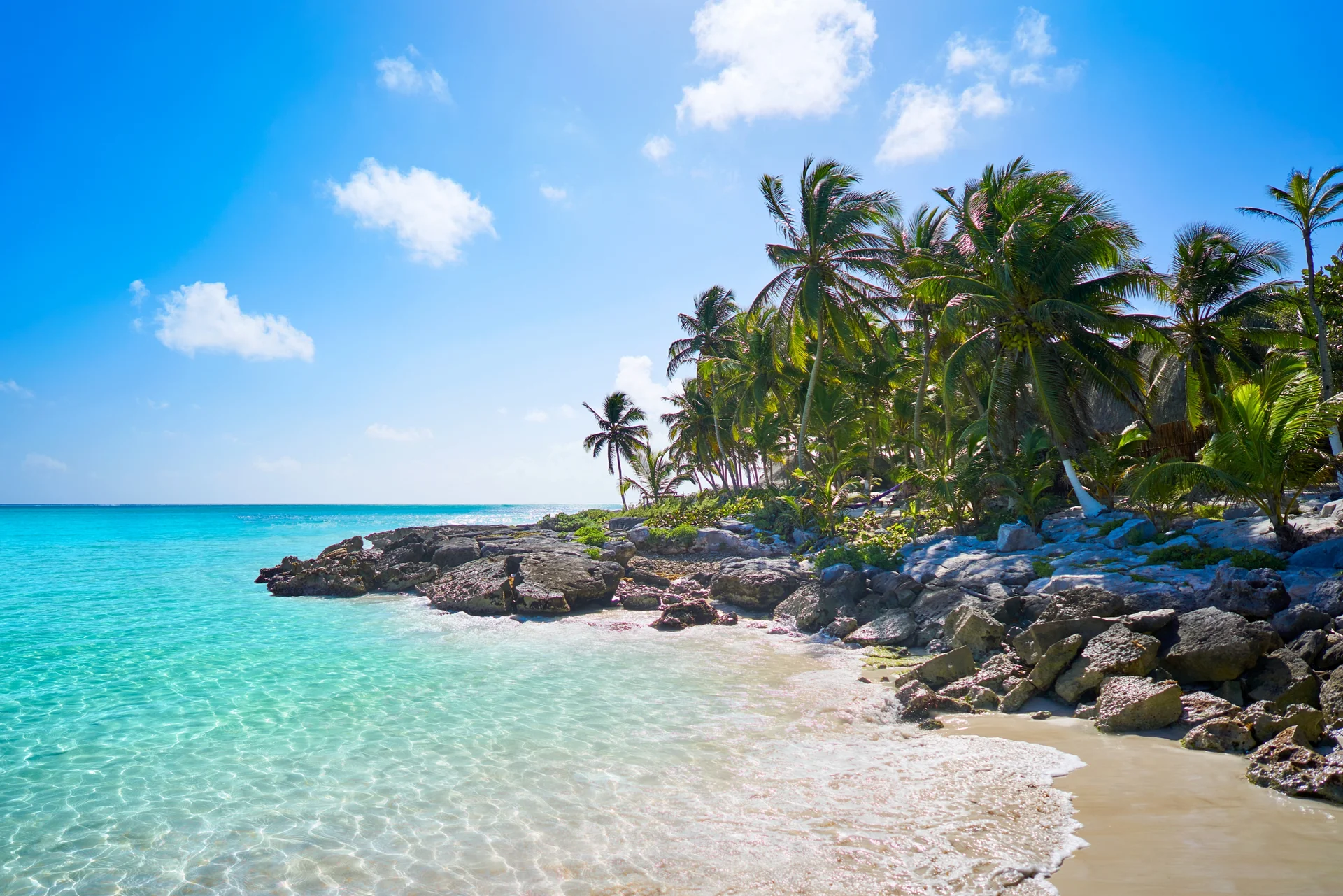
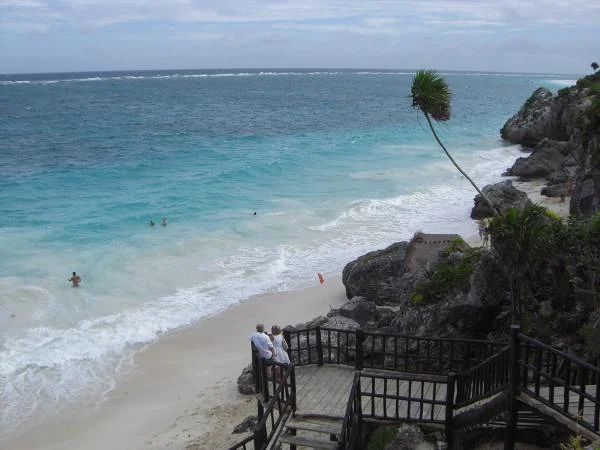
Below the ruins, several stretches of powdery white sand border the park. Access is via wooden stairs that wind down the cliffside. These protected coves provide clear water for swimming and snorkeling. The coral reef just a few yards from the shore is home to tropical fish, rays, and occasionally sea turtles.
The water shifts from turquoise to deep blue depending on the depth. The waves are generally moderate, providing a refreshing break from the tropical sun.
Cenotes and karst formations
The park contains several cenotes, which are natural sinkholes considered sacred by the Mayans as portals to the underworld. These unique geological formations are filled with clear freshwater and offer a spot to swim surrounded by dense vegetation.
Coastal mangroves play a critical role by acting as a nursery for many marine species. Marked trails allow visitors to observe this fragile ecosystem where freshwater meets saltwater.
Activities and nature immersion
The park offers several ways to experience the landscape:
- Jungle hiking trails: Several marked paths cross the tropical forest, ideal for birdwatching and spotting local wildlife.
- Snorkeling and diving: The coral reef offers marine biodiversity to explore with a mask and snorkel.
- Wildlife watching: You will see green iguanas everywhere, along with tropical birds and, if you are lucky, howler monkeys in the canopy.
- Cycling: Bike paths allow you to navigate the park sustainably, including routes toward the adjacent Jaguar Park.
- Landscape photography: Panoramic viewpoints offer opportunities to capture both archaeology and nature in a single frame.
Between May and November, the park beaches serve as nesting grounds for sea turtles. Watching these creatures lay their eggs in the sand is a reminder of the ecological importance of this protected site.
Opening hours
*Information subject to change