

Where to stay near Machu Picchu: the 4 areas to know in 2026
You do not reach Machu Picchu by road. The city sits more than 2,400 metres up above a narrow valley, and it takes a train to the village below it, then a bus up the hairpins, or an hour and a half of climbing on foot. A single hotel stands at the entrance to the site; everything else is down below, in the village, in the sacred valley or in Cusco.
And since entry was reorganised, one thing governs all the rest: the ticket carries an hourly slot, the route follows a fixed direction, and the first 6 a.m. entries are the first to sell out. Your room therefore decides what time you can be at the turnstiles. Our members do not even agree with each other: one recommends the very first hour, for the mist lifting off the ruins, the other the afternoon, once the groups have left. Both are right, and they do not sleep in the same place. This guide sorts the places to stay into 4 areas, from the threshold of the site to the city you fly into.
Compare hotel prices near Machu Picchu
In a hurry? Find the best accommodation deals in 3 clicks.
Compare live deals from Booking, Expedia, Agoda and other partners.
The two ways to stay near Machu Picchu
The ticket carries an hour, and that hour is won or lost the evening before. Here is what each base allows you to reach.
| What changes | At the site or in the village | In the valley or in Cusco |
|---|---|---|
| The 6 a.m. slot | Workable: bus queue around 4.30 a.m., or nothing at all at the sanctuary | Very hard from the valley, impossible from Cusco |
| The morning journey | 25 to 30 minutes of bus, or none | A train of 1 hour 40, then the bus, then the queue |
| The cost on top of the ticket | The bus, around $24* return | Train and bus, which is most of the spending |
| The evening | A village of restaurants, or the silence of the sanctuary | An Inca village still lived in, or a whole city |
| The price of the room | The peaks of the valley | From the plain village hotel to the grand hotel in Cusco |
| Seeing something else | Almost nothing: everything exists for the site | The valley's ruins, then the Inca capital |
| The altitude | Lower than Cusco, and therefore easier | Cusco calls for acclimatising before walking |
| Who it suits | The site is the point of the trip | The site is one stop on a tour of Peru |
How long to the entrance, area by area?
No road leads to the site: everything turns on a train, then on a bus climbing in hairpins from the village.
| From | Time | How |
|---|---|---|
| At the gate of the site | on site | on foot The entrance is in front of the hotel: no bus, no queue, no train timetable. |
| Aguas Calientes, the village at the foot of the mountain | 25 to 30 min | bus, or 1 hour 30 on foot First departures around 5.30 a.m., then a bus every 10 or 15 minutes in the morning. |
| Ollantaytambo and the sacred valley | 1 hour 40 by train | train, then bus Plan to reach the village 1.5 to 2 hours before your slot. |
| Cusco, the city you arrive in | the whole day | road, train, then bus Leaving before daylight and back late: the first slot stays out of reach. |
At a glance: our picks by traveller type
Pick the profile that fits you and go straight to the recommended area.
Map of the areas near Machu Picchu
See how the areas sit relative to one another before choosing your base. Click a name to jump to its description.
At the gate of the site The only hotel in front of the entrance, with no bus and no queue
Those who want the first entry without getting up at four
A single address stands in front of the entrance to the site, beyond the barrier where everyone else waits. What is bought there is nothing like a room: it is an hour. No bus to catch, no queue at 4.30 a.m., and the chance to be at the turnstiles as they open, or to return in the evening as the last slots run out. Its reviews say so plainly: location rated almost perfect, value for money at the bottom of our whole survey, and nobody is surprised. No other address on this page costs as much, nor erases the journey so completely.
In fact, this way it is possible to be among the first to arrive and watch the sunrise over the site.
Where to stay in this area
Sanctuary Lodge, A Belmond Hotel, Machu Picchu Luxury
The sanctuary's only house, set beside the arrival car park, with an orchid garden and full board explained by the absence of any other restaurant. The reviews talk about the quiet of the evening and the morning, which is to say the hours other visitors cannot reach.
Pros
- No bus, no queue: the turnstiles are outside the door
- The first and last hours of the site, with no night-time alarm
- The only address inside the sanctuary
Cons
- The steepest bill in the whole valley
- Nothing around: one table, and a site that closes
Aguas Calientes, the village at the foot of the mountain The end of the railway line, and the queue of buses going up
Those aiming at a morning slot without paying for the sanctuary
The village stretches between the river and the railway, and it exists only for the site: hotels everywhere, restaurants everywhere, and a queue of buses that starts climbing around 5.30 a.m. for 25 to 30 minutes of hairpins. Most visitors sleep here, and outside the sanctuary no other base makes a 6 a.m. slot genuinely workable: the guides advise being in the queue by about 4.30 a.m., which means having your bed a few streets away. The return bus costs around $24* for a foreign visitor, an expense almost nobody plans for. On foot, allow an hour and a half of climbing.
You can save the cost of the bus by hiking up the mountain on foot.
Where to stay in this area
Inkaterra Machu Picchu Pueblo Hotel Luxury
A set of cottages scattered through a cloud-forest garden, away from the noise of the village, with trails and hummingbirds. The village has no finer address, and the reviews mention its quiet first of all.
Sumaq Machu Picchu Hotel Luxury
Set on the bank where the village begins, with a well-known table and more classic rooms. Fewer reviews than its neighbours, but a handy position for the bus queue.
TAYWA HOTEL Budget
The village's entry-level bracket, heavily commented, with the reservations that go with it: a simple room and temperamental hot water according to the reviews. You sleep there four hours before catching the first bus.
Pros
- The only base outside the sanctuary where a 6 a.m. slot holds
- Every room bracket, and tables that stay open late
- The climb on foot is possible, for anyone avoiding the bus
Cons
- A village turned entirely towards the site, and its prices
- The bus queue before dawn, and its cost on top of the ticket
Ollantaytambo and the sacred valley Where the train leaves from, 23 kilometres away as the crow flies
Those touring the valley who will take an afternoon slot
Ollantaytambo is an Inca village still lived in, with its water channels, its stepped terraces and the station the site's trains leave from: about 1 hour 40 of single track along the river. Sleeping there sets a simple calculation, since you must be in the village 1.5 to 2 hours before your slot: a 6 a.m. ticket would call for a night train, a midday ticket takes no effort at all. It is therefore the base of those who follow the opposite advice, that of one of our members: go in during the afternoon, once the morning groups have left. It is also the only area on this page where you visit something other than the site.
Where to stay in this area
Tierra Viva Ollantaytambo Mid-range
The station some fifty metres away, which settles both questions at once, the luggage and the early train. Nothing else in the village scores as highly with us, and the reviews point out the breakfast served early.
Hotel Pakaritampu Mid-range
A garden at the foot of the ruins, the station two streets away, spacious rooms and service the reviews find attentive. A valley address rather than a staging post.
Pros
- An Inca village still lived in, with ruins to climb in the evening
- The station in the village: no taxi and no road before the train
- Valley prices, far gentler than those of the site
Cons
- A morning slot becomes very hard to hold
- The train both ways, with its limited seats
Cusco, the city you arrive in The airport and the altitude, 73 kilometres away
Those arriving in Peru who will make the site a day trip
Cusco is the gateway to the whole region: the airport, the agencies, hotels by the hundred and the altitude you have to get used to before walking. Many travellers sleep there and do the site in one day, which means leaving before daylight, a train, a bus, and getting back late at night. It is long, it is expensive, and it rules out the first slot. But for a trip that begins in Peru, it is the place to put your bags down and arrange the rest. The city's accommodation guide is far more detailed than a paragraph here would be.
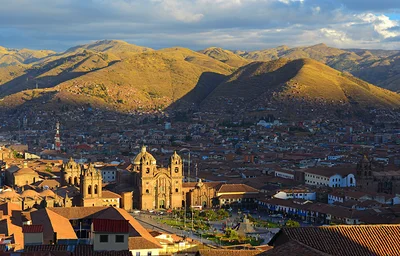 Stay in the city
Where to stay in Cuzco
Cuzco has its own guide: neighbourhoods, prices, our recommended hotels.
Pros
- The airport, the agencies and all the choice of a big city
- Time to acclimatise before walking at altitude
- The rest of the Inca region from the same base
Cons
- The site's first slot becomes unreachable
- A whole day of travelling, train and bus included
Our tips for booking the right place
- The hour on the ticket is chosen before the room: That is the order nobody follows, and it is the right one. The ticket carries an hourly entry slot, from 6 a.m. to 3 p.m., with half an hour of grace and a fixed direction of travel. The 6 a.m. slots are the first sold, and they assume being in the bus queue by about 4.30 a.m.: only the village, or the sanctuary itself, makes that possible. An afternoon slot, on the other hand, holds up perfectly well from the sacred valley. So book the ticket first and the room second.
- The bus is a cost nobody plans for: Between the village and the entrance to the site, the climb takes 25 to 30 minutes of hairpins, for around $24* return per foreign visitor, which comes on top of the entry ticket and the train. One of our members points out that you can do without it: an hour and a half of climbing on foot, hard work but free, with fine views and your own pace. For two people or a family the saving is real; for a 6 a.m. slot, however, you would be setting off around four in the morning.
- Morning or afternoon: two of our members disagree: One describes the mist lifting slowly off the ruins in the first hour and advises aiming for that slot, warning that it sells out quickly. Another recommends the opposite: coming in the afternoon, once the morning groups have gone. Both strategies work, they simply dodge the crowd at either end, and they do not call for the same room. The middle of the day suits nobody: the site's capacity is 4,500 visitors a day, raised to 5,600 in high season, and our two members describe the same thing from both ends, with the crowd holding the whole middle.
- Booking a room in Cusco while hoping for the 6 a.m. slot: the morning train arrives too late for that.
- Reaching the village less than an hour and a half before your slot: the bus queue is still ahead, and then the climb.
- Counting on a ticket bought on the spot in high season: daily capacity is capped, and the first hours go first.
FAQ: where to stay near Machu Picchu
Can you sleep at the site?
Village or sacred valley?
What does access cost, apart from the ticket?
Can you walk up?
When should you book?
How many nights should you plan?
Hotels available near Machu Picchu, on the map
Tonight's availability and prices, hotel by hotel, at the distance you choose.
Compare live deals from Booking, Expedia, Agoda and other partners.
 Keep exploring
Everything about Machu Picchu: reviews, photos, practical info
Comments (0)
No comments yet. Be the first!