
Visiting Matthias Church in Budapest
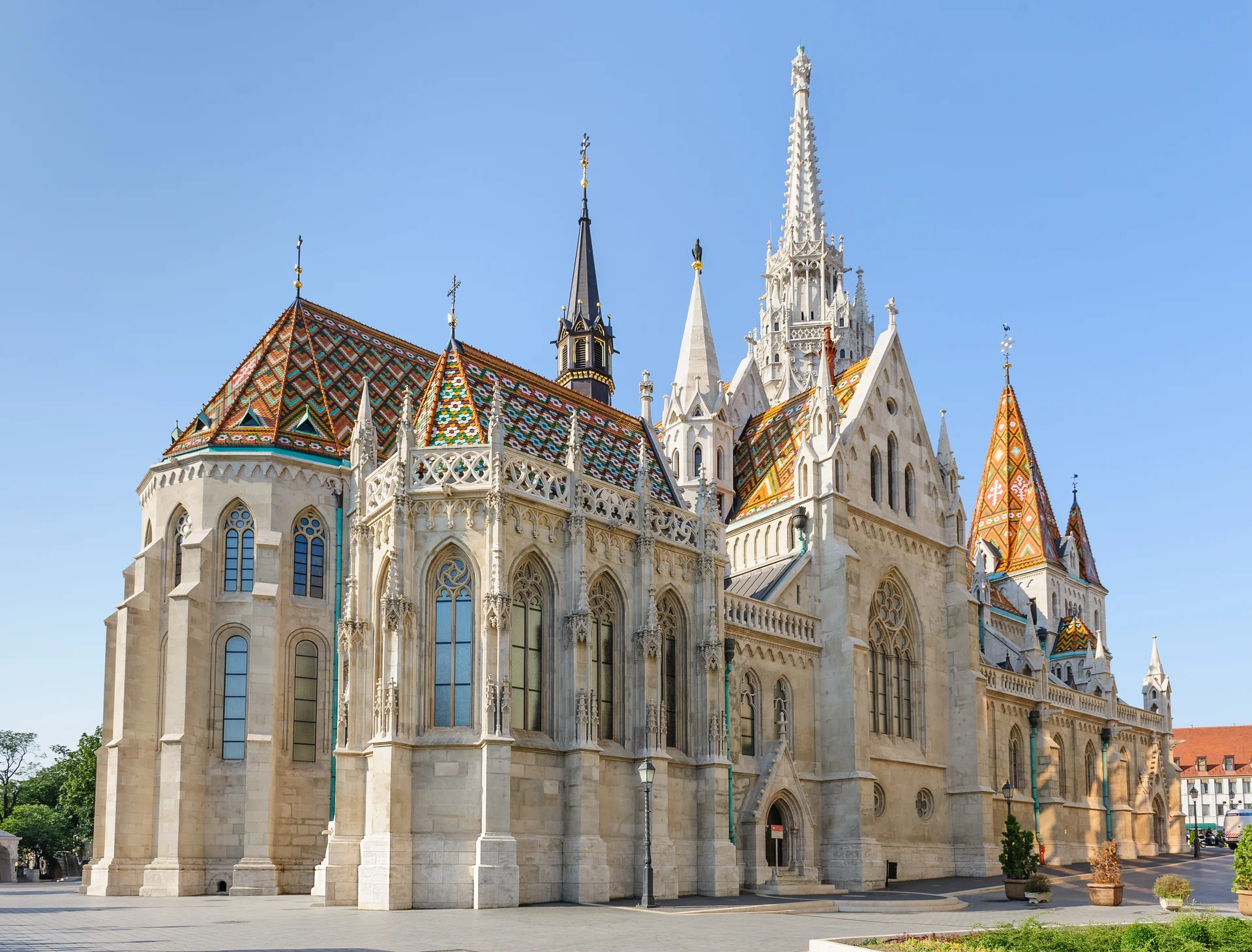
Perched on the Buda hills, Matthias Church stands as one of the most significant landmarks in Budapest, defined not just by its architecture, but by its turbulent history and central role within the castle district.
A structure shaped by centuries of change
Matthias Church, or the Church of the Assumption of Budavár, ranks among the oldest religious buildings in the Hungarian capital. Founded in the 13th century during the reign of Béla IV, it has undergone countless reconstructions, expansions, and restorations.
It takes its common name from King Matthias Corvinus, who celebrated his royal weddings within these walls. During the Ottoman occupation, the church functioned as a mosque before returning to Catholic use and undergoing a massive 19th-century renovation by architect Frigyes Schulek, who gave the building its distinctive, dramatic Neo-Gothic aesthetic.
Architecture in the details
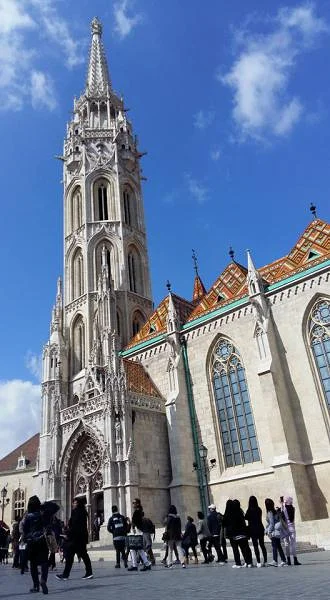
The first thing you notice when approaching is the roof covered in colorful glazed tiles, a hallmark of Hungarian design, along with a soaring spire visible from across the city. The intricately carved facade reveals endless detail, from elaborate portals to stone gargoyles. Inside, the nave glows with soft light filtered through stained glass, while the walls and columns feature intricate murals.
You can also view a replica of the Crown of Saint Stephen, a primary national symbol of Hungary, displayed in the chancel.
A vibrant setting in the heart of Buda
Beyond its architectural value, Matthias Church remains a functional, active space. The church hosts regular classical music concerts, taking advantage of the remarkable acoustics of the main nave.
The square fronting the church, located right next to the Fisherman's Bastion, serves as a popular gathering point with panoramic views of the Danube and the Parliament building in the distance. The area around the church is filled with cobblestone lanes, cafes, and small shops, making it a natural stop during your walk through the castle district.
Opening hours
*Information subject to change

This church overlooks the Buda hill, and you cannot miss it with its multicolored roof, which suits it perfectly.
The interior is open to visitors, and while there is an entrance fee, it is not too expensive. By the way, the ticket office is right next to the one for Fisherman's Bastion, and I still do not understand why there were 10 times as many people at the latter, especially since you can visit the free part of the Bastion for the same effect.
Anyway, if you have the time, go check out the interior too, as it has lovely Gothic architecture that feels very tall, along with some really pretty stained glass windows. You can even buy colorful tiles from the old roof there (ceramic tiles produced locally!).