
Visiting the Liberty Bridge, the green sentinel of the Danube
Editor's note, published 08/14/2025
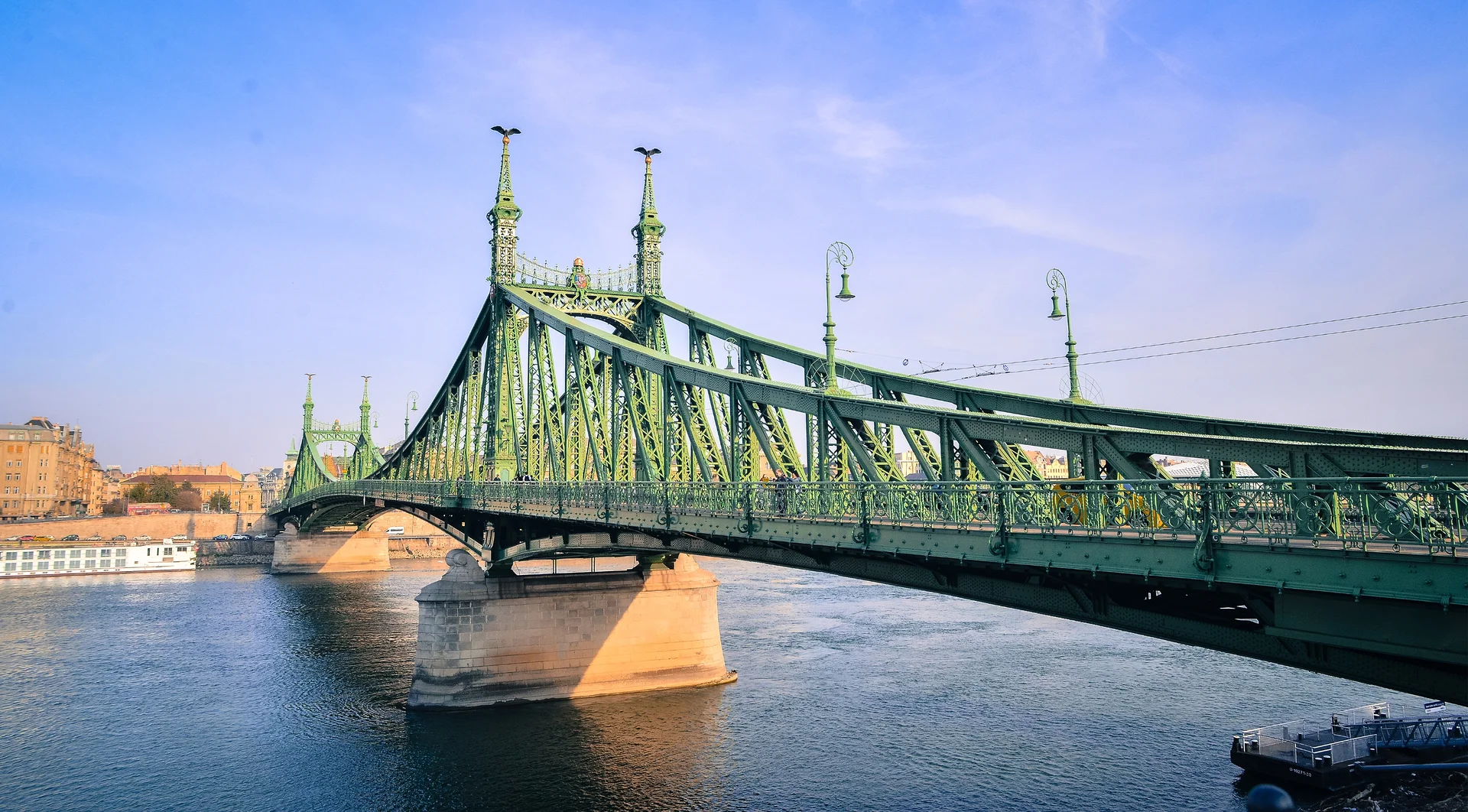
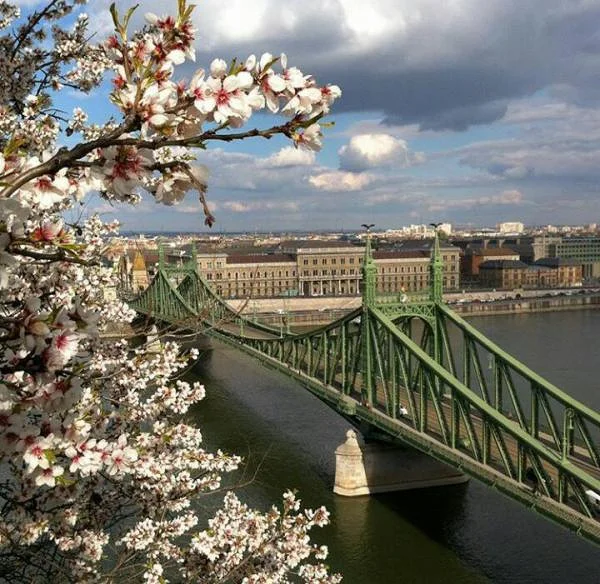
Shorter and less imposing than its neighbors, the Liberty Bridge possesses a unique personality that makes it a favorite among locals in Budapest. Its deep green, almost emerald metallic structure stands out against the waters of the Danube, guarded by mythical creatures at its peaks. It is more than just a crossing between Buda and Pest. It is a living space, an open-air lounge where the history of the city blends with its contemporary energy.
Why is this bridge so endearing?
Inaugurated in 1896 for the Hungarian Millennium celebrations, this bridge originally bore the name of Emperor Franz Joseph. It was the first to be rebuilt following the destruction of World War II and was renamed Szabadság híd, or Liberty Bridge, upon its reopening in 1946. This name symbolizes the resilience and rebirth of the city.
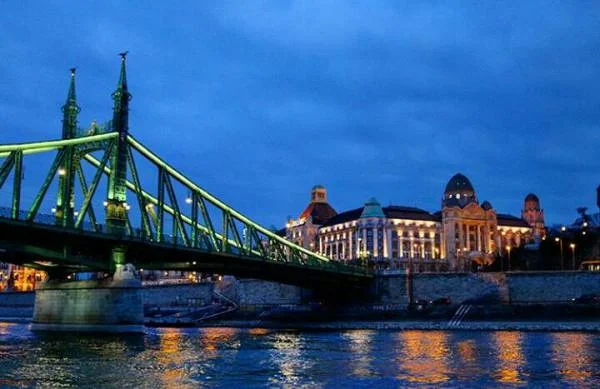
Today, it connects two vital points of the city: the Great Market Hall on the Pest side and the Gellért Hill on the Buda side. Its modest size makes it a pleasant walk, offering excellent views and a distinct atmosphere.
Art Nouveau architecture and winged guardians
The bridge is a superb example of late 19th-century architecture, blending iron engineering with the elegance of Art Nouveau. Unlike suspension bridges, its structure is a cantilever lattice, a technical feat for the time that gracefully mimics the lines of a chain bridge. Observe the details that make it charming:
- The richly decorated portals featuring the coat of arms of Hungary.
- The vintage-style streetlamps that create a magical ambiance at night.
- The four main pillars topped with bronze statues.
These statues represent the Turul, a mythological hawk-like bird that is a central figure in Hungarian foundation legends. Perched at the top, these winged guardians watch over the city and the river, adding a touch of mystery and poetry to the structure.
The summer lounge of Budapest
One of the most remarkable features of the Liberty Bridge is its transformation during certain summer weekends. Occasionally, car traffic is halted and the bridge becomes entirely pedestrian. It then morphs into a vibrant and informal public space.
Locals and visitors alike take over the metal structure to picnic, attend impromptu concerts, practice yoga at sunrise, or simply sit and watch the sunset behind the hills of Buda. This is when the bridge reveals its true soul: a place of gathering and celebration in the heart of the capital.
Insider tip: for an authentic experience, buy fresh products at the Great Market Hall, then cross the street to settle on the bridge. Climb onto the structure (with caution) to sit as the locals do and enjoy the view, with the tramway rattling just beneath you.

The Liberty Bridge (Szabadság híd) in Budapest spans the Danube to connect Buda and Pest. The view of the Danube from this bridge is unbeatable. It is a beautiful example of Art Nouveau architecture, which you can admire in a different way by taking a river cruise, for example. It is also the perfect spot to watch the unofficial, and technically forbidden, fireworks on December 31st.