
The Royal Gardens of Turin, a green sanctuary at the heart of Savoyard power
Behind the imposing Palais Royal, seven hectares of gardens have allowed nature to converse with architecture since the 16th century. These grounds are more than just a green walk, as they embody the history of a dynasty and the shifts in European aesthetic tastes.
Why explore the Royal Gardens of Turin?
Initially commissioned by Emanuele Filiberto in the late 16th century, these gardens once marked the extreme edge of Turin, the new capital of a militant duchy. By the late 17th century, André Le Nôtre, the landscape architect behind the gardens of Versailles, gave them their current layout. The gardens stand as evidence of French influence on the Savoy court and their ambition to rival the great European seats of power.
Bounded by the city's ancient walls, they represent the core of the House of Savoy, a symbol of the dynasty's power. Today they are open to the public free of charge, offering an unexpected break from the fast pace of the Turin historic center.
Strolling through the different sectors of the gardens
The Royal Gardens are divided into several zones, each with its own character. The first sector is the Giardino Ducale (Ducal Garden), a space with a formal layout defined by a modern fountain with water jets.
The Giardino di Levante and its spectacular fountain
The largest sector of the gardens is the Levante, featuring a system of paths that create scenic perspectives. The slight slope of the central avenue creates a dramatic vanishing point leading to the charming Fountain of the Nereids and Tritons, crafted in 1755 by sculptor Simone Martinez. The mythological figures play with water in a deluge of sprays commissioned by the king.
The statues of the Four Seasons, carved from Frabosa marble between 1740 and 1753 by Simone Martinez, were returned to their pedestals in the exedra in 2024 after a turbulent journey through history. These allegorical figures came from the Reggia di Venaria and were installed here in the early 19th century.
The Boschetto and contemporary art
The northeastern sector of the gardens, known as the "Boschetto" (Little Grove), follows a 19th-century design. A mix of trees and shrubs creates a play of shadows and wilder patterns in contrast to the Italian-style sections. This is where contemporary art finds a home, as the installation by Giulio Paolini called "Pietre Preziose" is made from marble remnants of the dome of the Chapel of the Holy Shroud, which was damaged by a fire in 1997.
The Bastion Verde, a witness to military history
The Bastion Verde (Green Bastion) is the last remaining trace of the city's old fortifications. This small pavilion with its characteristic sloped roof was built in the late 17th century for defensive purposes. With the arrival of Napoleon in Turin and the gradual dismantling of the walls in the early 19th century, the references to the old defensive fortifications were lost. This bastion survived and serves today as a reminder of Turin's military past.
A local tip: Volunteers from the Touring Club greet visitors every day from 10:00 AM to 5:00 PM, except Wednesdays. Do not hesitate to ask them questions, as they know every corner of the gardens and are happy to share anecdotes and historical details that are not immediately visible.
An ambitious revitalization project
With the completion of the Serre Reali (Royal Greenhouses) and the redesign of the Giardini Reali (Royal Gardens) scheduled for late 2025, Turin is preparing to offer an even more comprehensive experience. The agreement signed between the Musei Reali di Torino (Royal Museums of Turin) and the Compagnia di San Paolo Foundation aims to transform the site into a meeting point for art, nature, and archaeology.

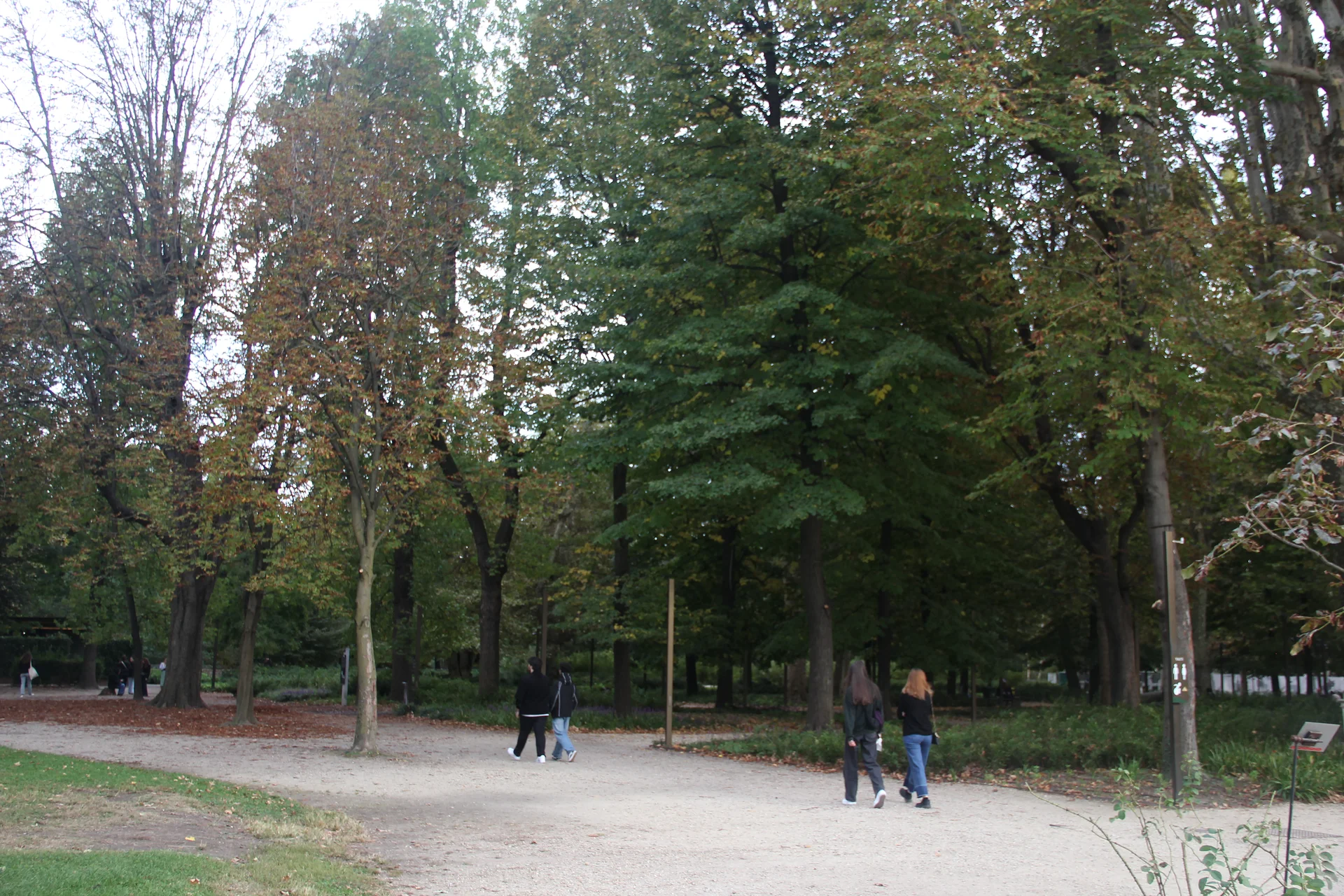
The royal gardens, right next to the palace, are very well maintained. It is the perfect place to take a green break. It is true that they are quite small, but I enjoyed walking through them. When you visit the palace, remember to take a walk in the gardens. There is a beautiful view of the palace itself and the surrounding area.