
The Reichstag Building: Where History Meets the Future Under a Glass Dome
In the heart of Berlin stands a structure that has weathered the storms of the 20th century. The Reichstag Building is no ordinary monument. Its walls bear the scars of history, from the fire of 1933 to the graffiti left by Soviet soldiers in 1945, all of which were carefully preserved during its rebirth.
A Resurrected Symbol of German Democracy
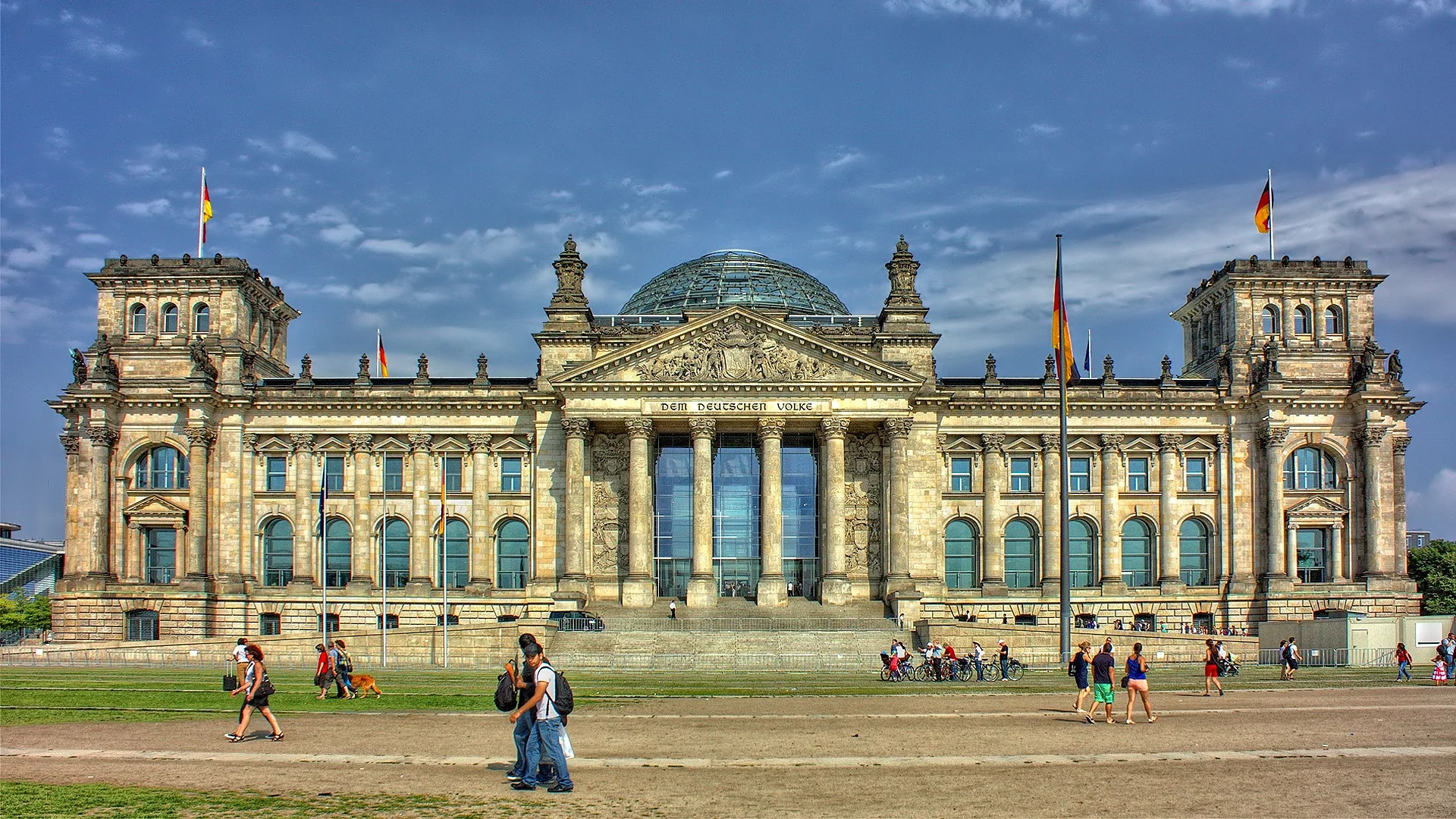
Built between 1884 and 1894 by architect Paul Wallot, the Reichstag was intended to embody the grandeur of the new German Empire. Nearly a century later, after being burned, bombed, and left to decay during the Cold War, the building rose from the ashes. In 1999, following a four-year metamorphosis directed by British architect Norman Foster, the building reclaimed its primary purpose: housing the Bundestag, the parliament of reunified Germany.
The golden inscription gracing its portico, "Dem Deutschen Volke" (To the German People), carries deep significance. The metal used for these letters came from French cannons captured in 1814. More importantly, the message resonates with power today: this building belongs to the people.
Foster's Dome: A Technical and Symbolic Feat
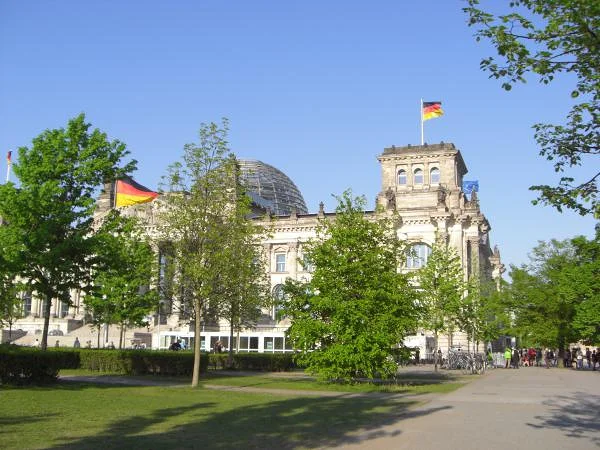
The centerpiece of this revival is the glass dome. Standing 23.5 meters high and 40 meters wide, this futuristic structure defies gravity with its 800 tons of steel and 3,000 square meters of glass. At its center, a cone lined with 360 mirrors creates a play of light. During the day, it captures natural light to illuminate the debating chamber below. At night, it reverses the process, turning the dome into a lantern that signals to residents that their representatives are in session.
The double-helical ramp winding along the dome provides a 230-meter spiraling path to the top. Once there, you get a 360-degree view of Berlin. During the climb, a complimentary audioguide explains the building's history and identifies the landmarks you see below.
This transparency is intentional. Foster designed the space so citizens could literally watch their representatives at work. Democracy is experienced here in a tangible way.
Silent Witnesses to History
Soviet Graffiti: Memory Etched in Stone
As you walk through the corridors of the Reichstag Building, look up. On the walls, Cyrillic inscriptions testify to the passage of the Red Army in May 1945. These markings, traced in charcoal among the still-smoldering rubble, bear the names of young soldiers, their hometowns, and occasional simple phrases like "Hitler kaputt," "From Moscow to Berlin," or "Kilroy was here." Norman Foster made the bold choice to keep them during the renovation, creating a striking dialogue between the past and the present.
Architecture as Historical Narrative
Foster did not just rebuild a structure, he orchestrated a conversation between eras. The 19th-century neo-Renaissance shell wraps around spaces that are resolutely contemporary. Traces of the bombings were intentionally kept. In an unexpected interior garden, you will find a unique living installation: plants grown from seeds and soil contributed by representatives from every German region, a living symbol of national unity.
Planning Your Visit: What to Know
- Reservation Required: It is impossible to visit without registering in advance on the official Bundestag website. Book at least 3 days ahead, or several weeks in advance during peak season.
- Security Check: Bring your original ID (a passport or government-issued photo ID). The process is similar to airport security.
- Best Views: Visit at the end of the day to see Berlin at dusk, when the city lights begin to glow. The building is open until midnight.
- Käfer Restaurant: Located on the roof terrace, it offers a clever alternative. By booking a table, you gain automatic access to the dome.
Pro-tip: Head to the Visitors Service desk on the Scheidemannstraße (near the Berlin-Pavillon) if you did not book in advance. Time slots are assigned based on availability up to two hours before the visit. Try a weekday early in the morning to maximize your chances.
An Experience Beyond a Typical Tour
The Reichstag Building is not just a historic site, it is an architectural manifesto on democratic transparency. When you look out over Berlin from the top, you are not just capturing a photo of a skyline. You are standing above the place where the future of Germany is decided, in a building that embodies the 20th-century European experience better than any other. Few monuments in the world tell such a dense story with this much architectural intelligence.
Opening hours
*Information subject to change

I really enjoyed visiting this building. Just a heads up, it is mandatory to book your ticket in advance. This tour really helps you better understand how the German political system works. The rooms are richly decorated. Plus, you can go all the way to the top, which offers a superb view of the city.