
Visiting the Rio de Janeiro Botanical Garden
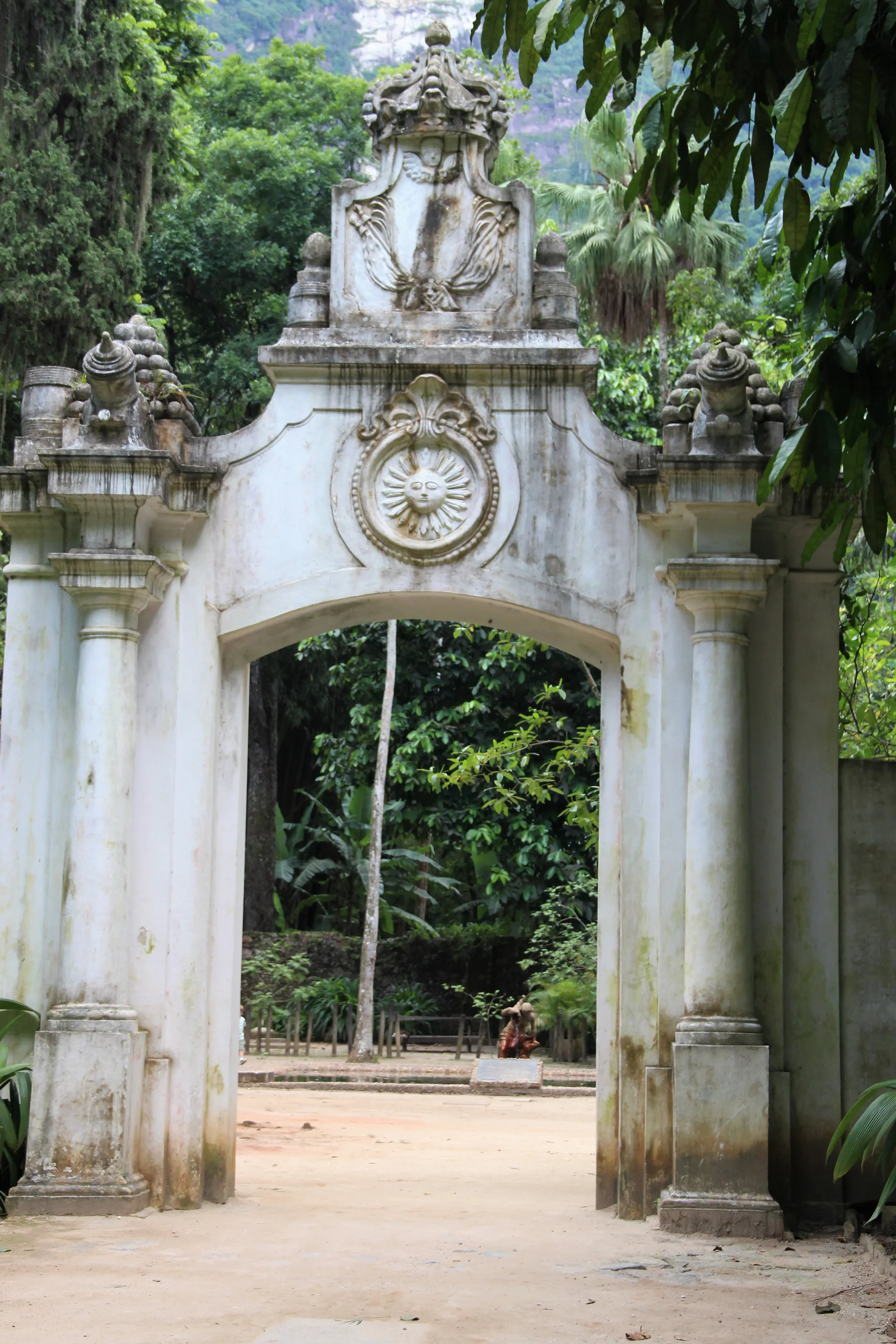
The Rio de Janeiro Botanical Garden was founded in 1808 by the Portuguese King Dom João VI. He aimed to integrate Brazil into international trade by introducing plant species from across the globe, specifically from the Indies, including nutmeg, pepper, and Ceylon cinnamon. At the time, the Portuguese royal family and their court had taken refuge in Brazil following the Napoleonic Wars and the invasion of Portugal by France. This period provided the royal family with the opportunity to develop large-scale projects for their colony.
A natural reserve rich in flora and fauna
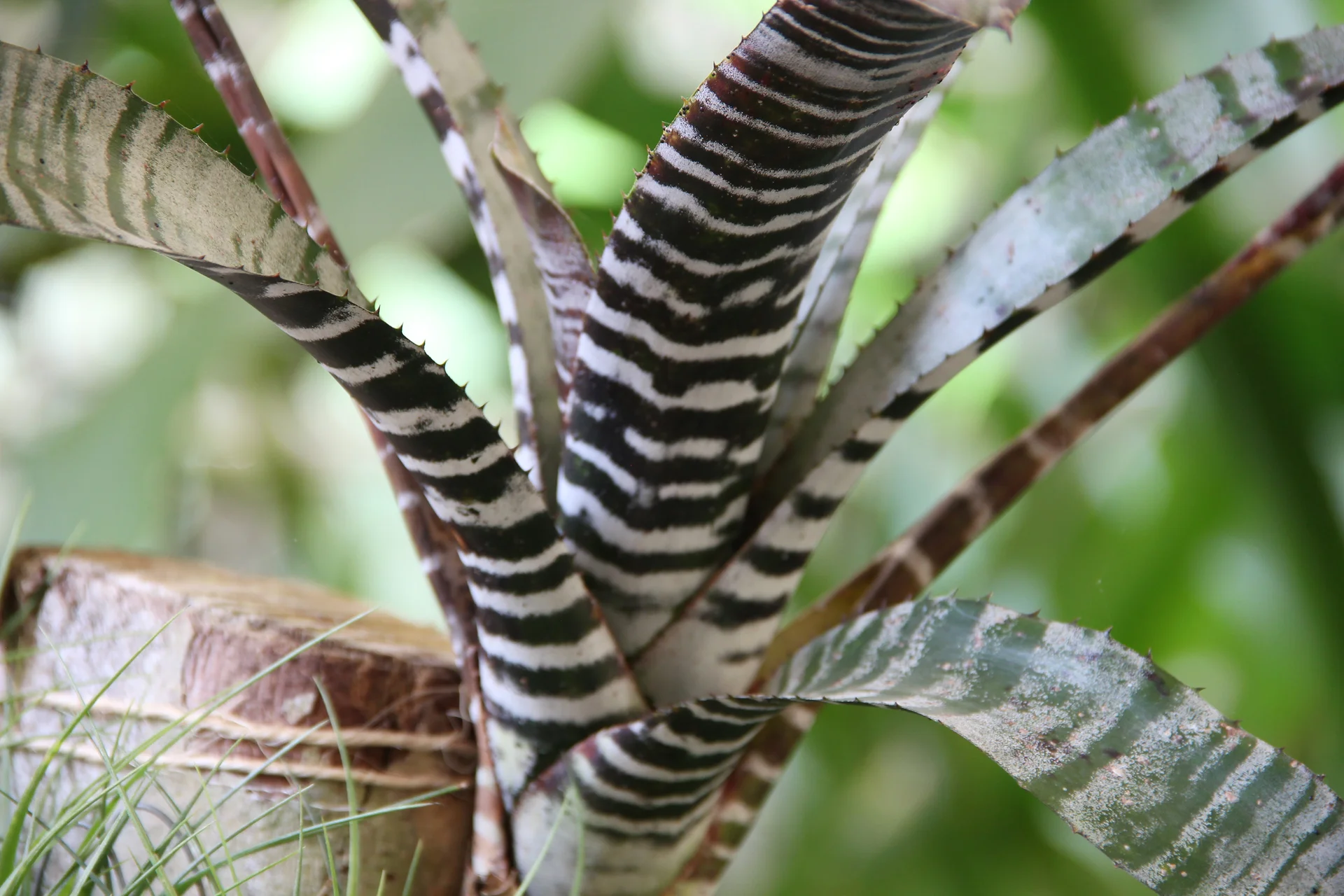
The Rio de Janeiro Botanical Garden has been open to visitors since 1822, marking two centuries of operation. Spanning 133 acres, it houses over 3,400 plant species and animals characteristic of the Brazilian landscape, such as monkeys, toucans, and various insects. The garden has also been designated an Atlantic Forest Biosphere Reserve by UNESCO.
There is plenty to see throughout the Rio de Janeiro Botanical Garden. The main alley is lined with towering imperial palms and decorated with the Fontaine des Muses (Fountain of the Muses) and various statues. You will also find a Japanese garden with cherry trees and water features, the Lago Frei Leandro (Frei Leandro Lake) with its massive Victoria water lilies, and an impressive orchid greenhouse. For a bit of history, there is an environmental museum and a visitor center housed in a former sugar mill dating back to 1576.
A major research hub open to the public
The site serves as a high-level scientific research center dedicated to species conservation. The library holds more than 32,000 volumes specializing in botany, and the facility houses the largest herbarium in Brazil, containing nearly 650,000 specimens.

I am not really into plants or botany, but still, along with the one in Cape Town, South Africa, the Rio de Janeiro Botanical Garden really impressed me. You can find absolutely magnificent giant water lilies there, which you normally only see in the Pantanal region of Brazil. You will also see plenty of exotic flowers and shrubs. The walk can keep you busy for half a day.