
Chanonry Point: The dolphin sanctuary of the Moray Firth
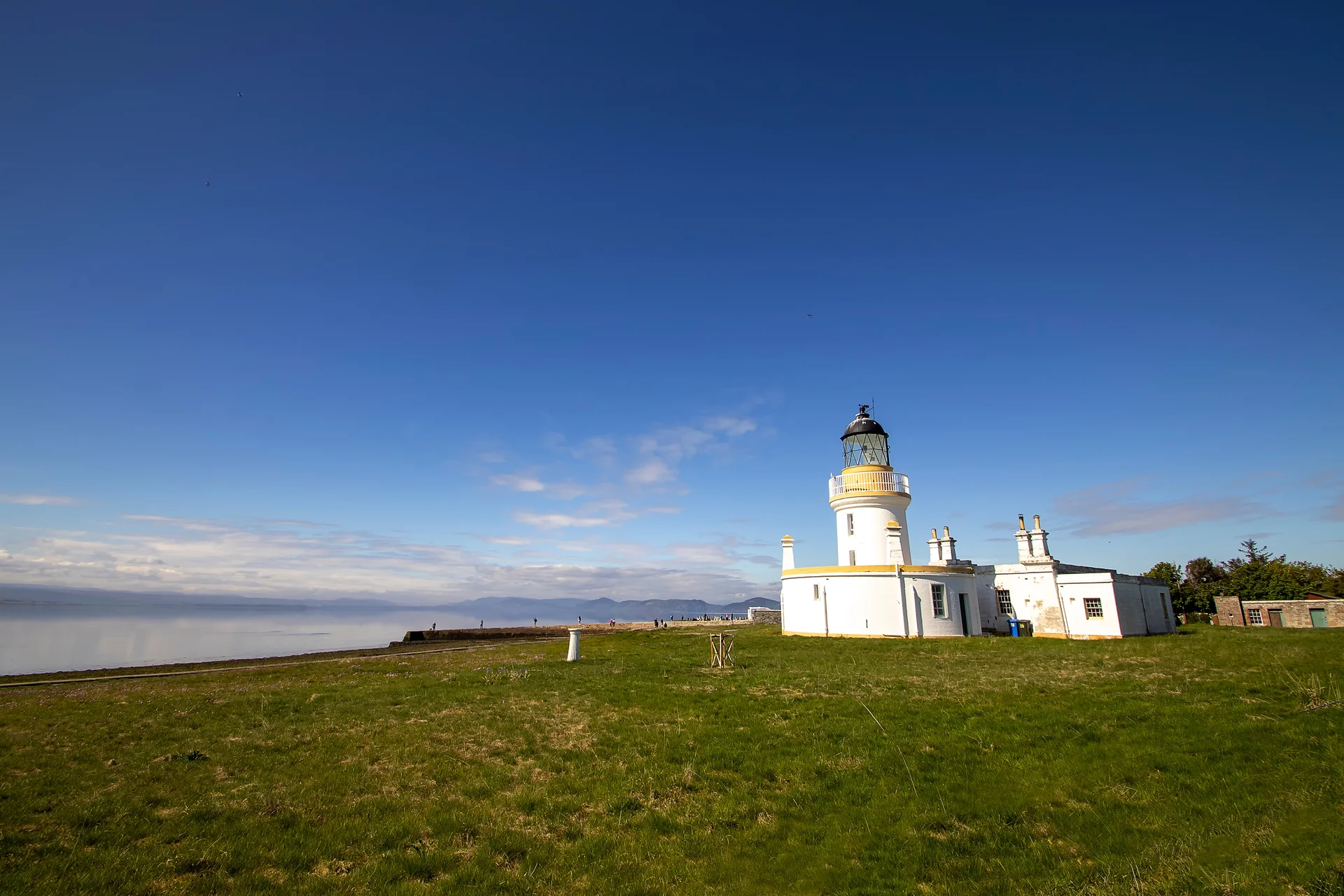
At the tip of a narrow sand and gravel spit jutting into the Moray Firth, a white lighthouse has stood guard since 1846. Yet, it is not this maritime sentinel that draws crowds to this wind-swept point. Instead, visitors come for the bottlenose dolphins that hunt just yards from the shore, creating one of the most remarkable natural spectacles in the United Kingdom.
Why does Chanonry Point fascinate so many?
The geography of this location is exceptional. The narrowness of the strait here creates powerful currents that concentrate schools of salmon. The bottlenose dolphins, also known as tursiops, are intimately familiar with this prime hunting ground. As permanent residents of the Moray Firth, they make up the northernmost colony of their species in the world.
Unlike boat tours that can often feel hit or miss, viewing them from the shore offers ideal conditions. The dolphins approach so closely that you can see their sleek silhouettes and dramatic leaps without binoculars, though optics do reveal fascinating details of their hunting behavior.
The magic of dolphin watching
The best time to see them
Your chances of spotting these cetaceans depend entirely on the tide. The optimal window is two to three hours after low tide, when the incoming flow pushes salmon toward the Ness and Beauly rivers. This is when the dolphins arrive in groups, using the turbulent water to trap their prey.
How to spot them
The show changes daily. Sometimes, a half-dozen glistening backs slice through the waves less than sixty feet from the shore. Other times, an acrobatic leap surprises the assembled observers. Patience is key. You might wait an hour for the first appearance, but the reward is worth the time.
Pro tip: Check the tide tables before you arrive and prioritize days with high spring tides. If low tide hits in the middle of the day, return two hours later to maximize your odds. Summer months offer the best opportunities, as dolphins gather closer to the coast to follow schools of fish.
A lighthouse witness to maritime history
Designed by engineer Alan Stevenson and lit for the first time in 1846, the Chanonry Point Lighthouse guided ships through the treacherous waters of the Moray Firth. Automated since 1984, it continues to sweep the horizon with its light. While you cannot visit the interior, its white silhouette perfectly anchors the wild landscape of this exposed point.
The Brahan Seer stone: Legend and sorcery
A few steps from the lighthouse, a plaque commemorates the tragic death of Coinneach Odhar, the famous seer of the Highlands. According to legend, this 17th-century visionary was executed on this very spot, burned alive in a barrel of boiling tar on the orders of Lady Seaforth. His crime was revealing the Earl's infidelities during a stay in Paris.
The stone, cast in 1969 by students from the Fortrose academy, marks the site of this brutal execution. The prophecies of the Brahan Seer remain staples of Scottish folklore. He is said to have predicted the Battle of Culloden, the construction of the Caledonian Canal, and even the reopening of the Scottish Parliament.
Planning your visit: Practical tips
The small parking lot holds about thirty vehicles and fills quickly in high season. Arrive at least an hour before the ideal viewing window, or better yet, park in Fortrose or Rosemarkie and walk about twenty minutes to the point via the coastal path that crosses the golf course.
Bring warm, waterproof clothing. The point remains exposed to wind even in mid-summer, and the wait can be long. There are no restrooms on-site. The nearest facilities are in Rosemarkie. An ice cream truck sometimes parks near the lot on sunny days.
Additional wildlife
Beyond the star-attraction dolphins, scan the surface for gray seals emerging in the distance, porpoises crossing the estuary, and with a bit of luck, a Eurasian otter hunting along the rocks. The sky is home to diverse birdlife, from gulls to Arctic terns.

Chanonry Point is a well-known spot because you can see dolphins in their natural habitat. I was afraid I wouldn't see any, but I wasn't disappointed. The dolphins showed up right on cue. To make sure you don't miss them, check the tide times. They generally appear one to two hours after low tide.