Visiting Mali, between ancient heritage and modern challenges
Mali, a vast Sahelian country in West Africa, draws travelers in with its deep cultural heritage and diverse landscapes. From ancient cities to cliffside dwellings, this territory offers a journey rich in both history and human connection. However, the current security situation demands heightened vigilance.
Architectural treasures and historic sites
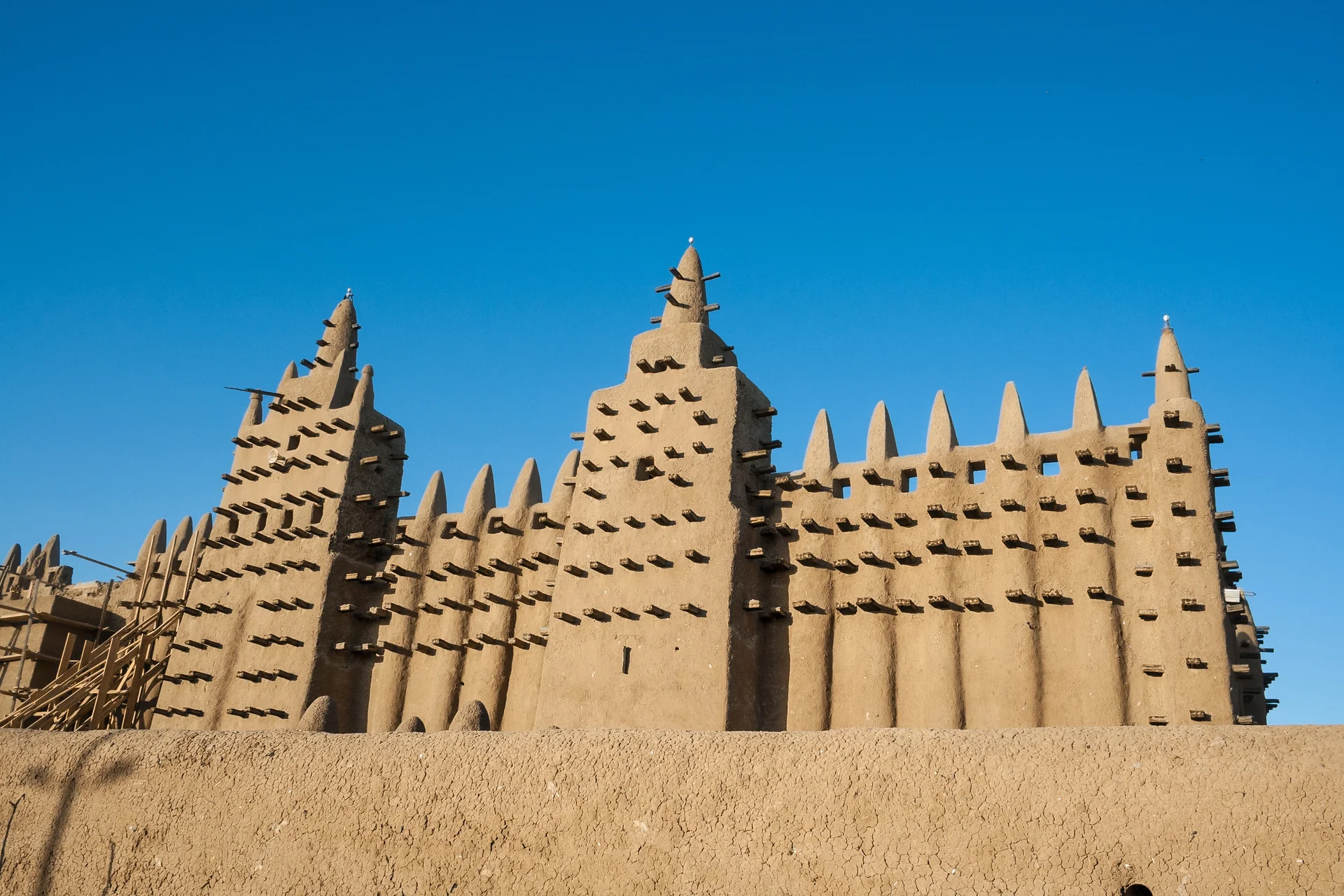
Mali is home to several UNESCO World Heritage sites. The Great Mosque of Djenné, built from mud brick, stands as a masterpiece of Sudano-Sahelian architecture. The Tomb of Askia in Gao testifies to the former scale of the Songhai Empire. Timbuktu, once a major intellectual hub for Islam, preserves priceless ancient manuscripts. These locations embody the deep historical roots of the country.
Natural landscapes and living cultures
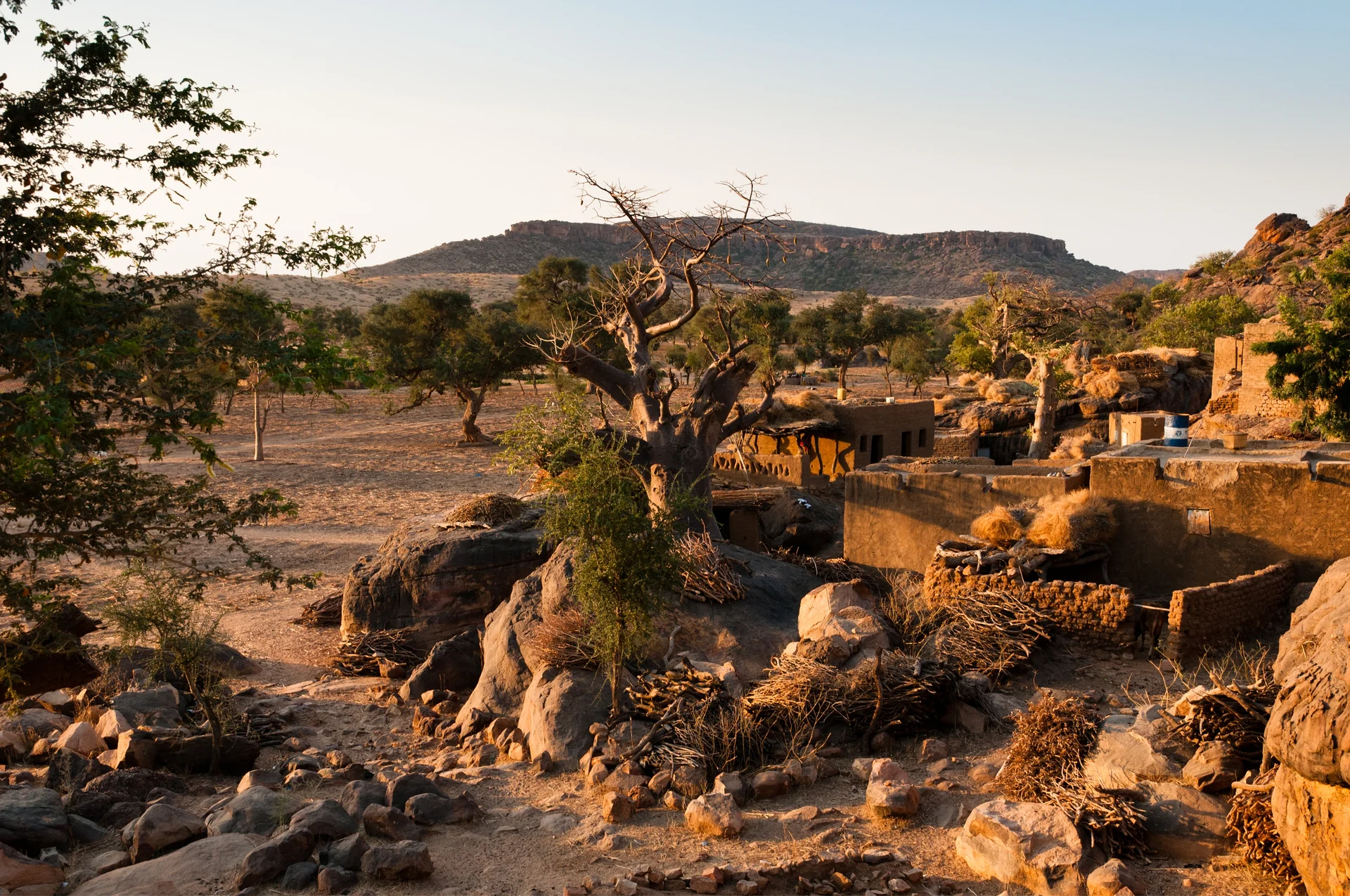
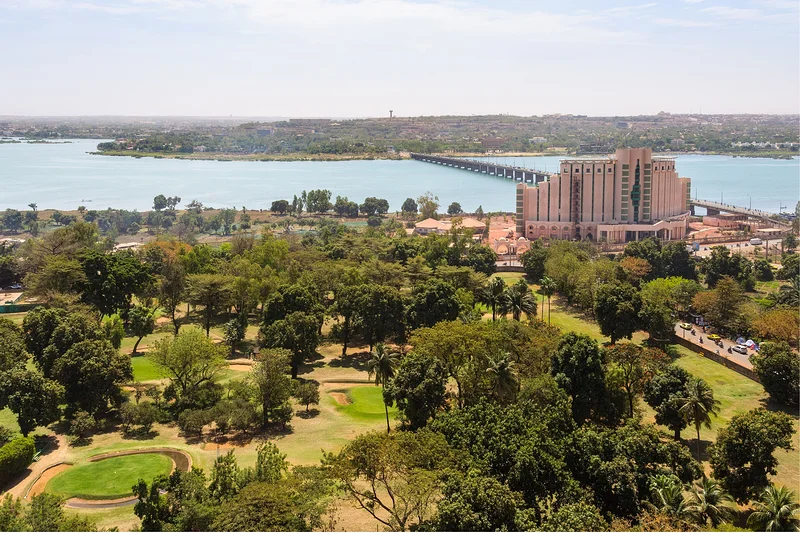
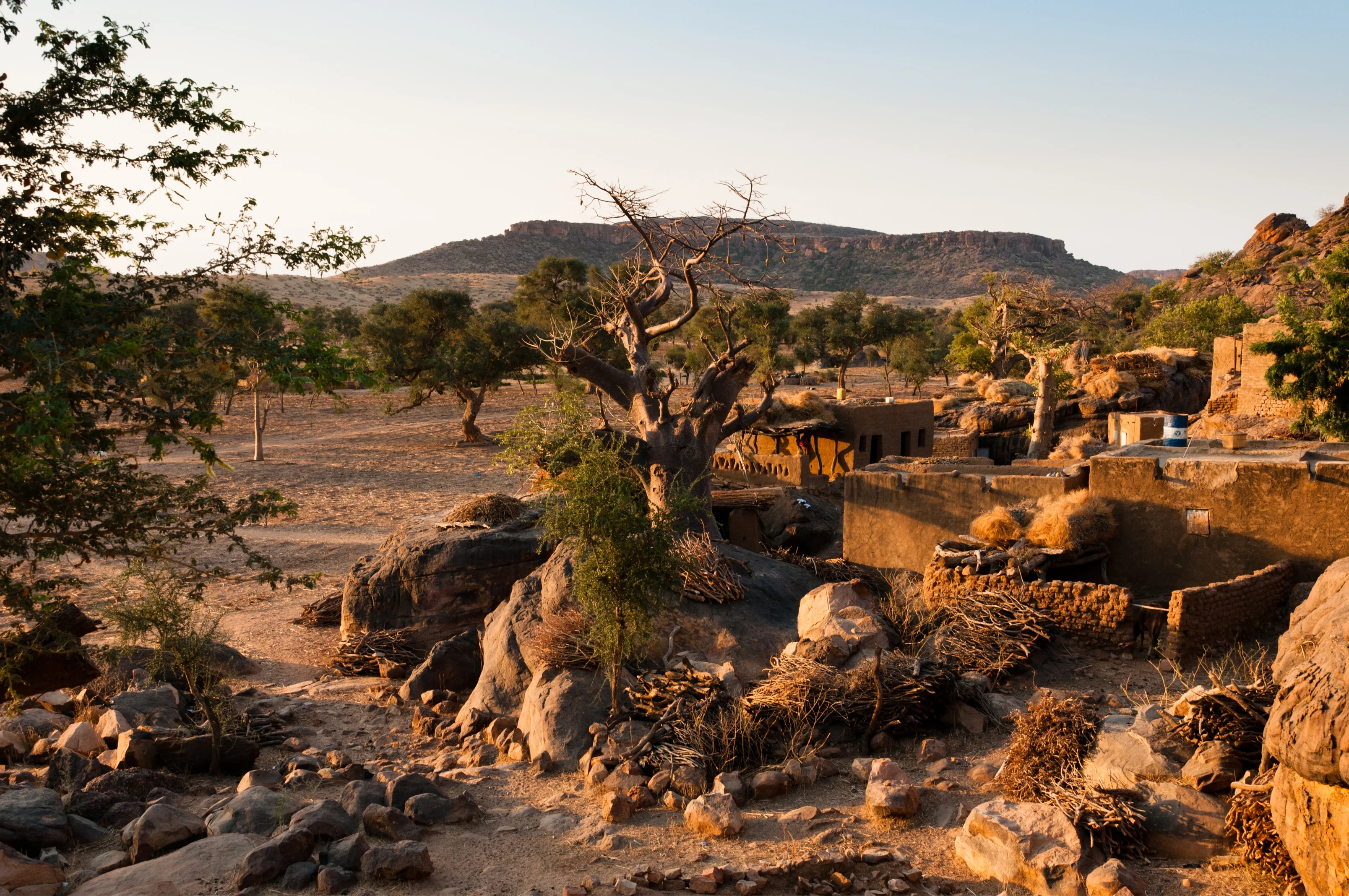
The Bandiagara Escarpment in Dogon Country presents dramatic vistas alongside historic cliff dwellings. This region is equally known for its distinct cultural traditions. The National Park of Mali in Bamako brings you right into the local biodiversity through botanical gardens and a zoo. These sites highlight the natural and cultural range of Mali.
Music, the soul of Mali
Mali serves as the birthplace for numerous renowned artists and possesses a rich musical tradition. Griots, who act as hereditary musicians and storytellers, play a core part in passing down local histories and values. Festivals like the Festival in the Desert celebrate this musical heritage, though certain gatherings have seen suspensions due to safety conditions.
Is it dangerous to travel to Mali: necessary vigilance
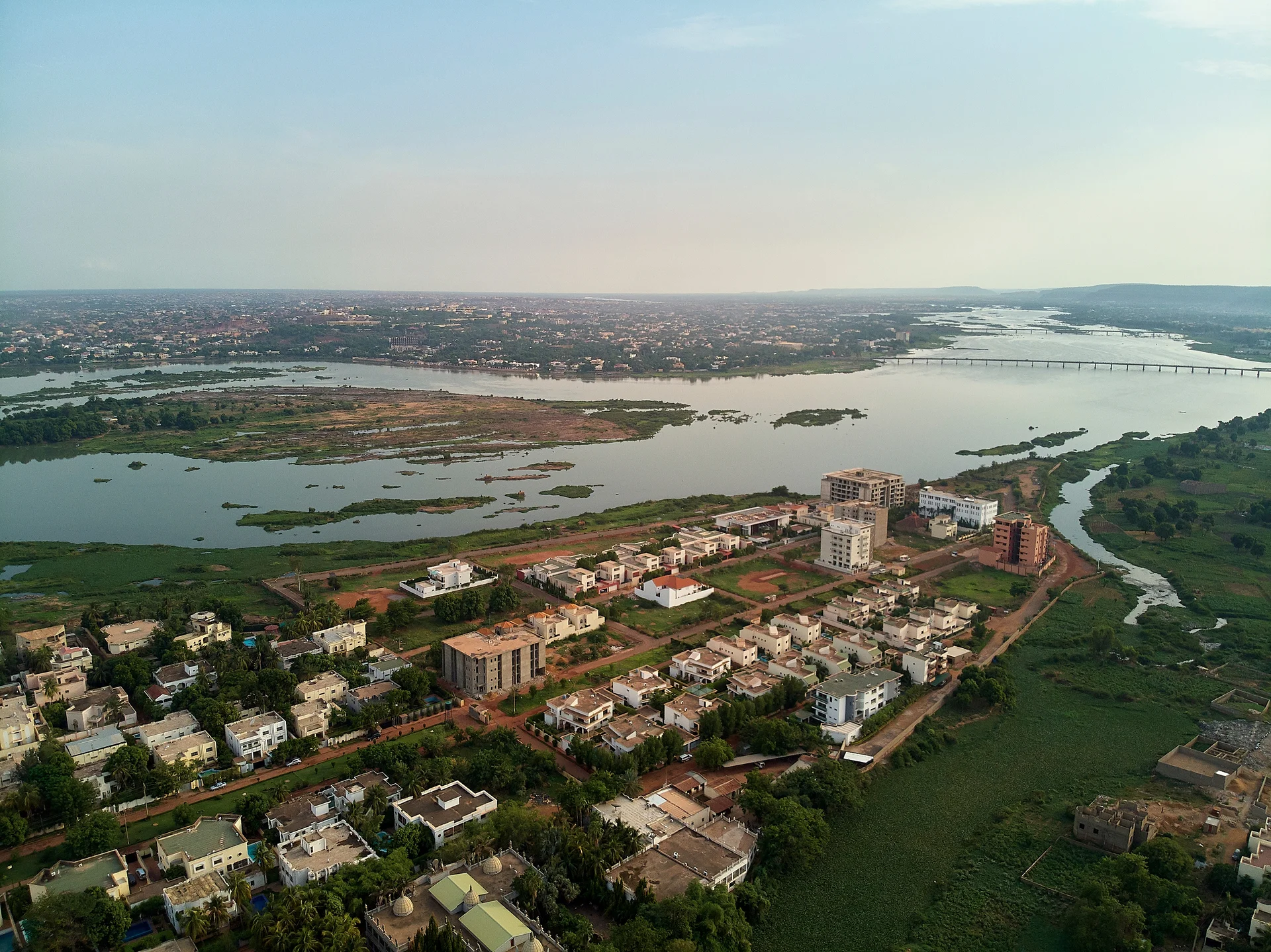
Right now, most Western governments strongly advise against all travel to Mali due to high threats of terrorism, kidnapping, and crime. Even Bamako, the capital, remains vulnerable, as demonstrated by a September 2024 attack claimed by an al-Qaeda affiliate.
Getting around involves frequent roadblocks and checkpoints. It is crucial to check official travel warnings, such as those from the Department of State, before making any plans and to maintain strict security measures.
Cuisine with authentic flavors
Malian cooking centers around grain-based dishes served alongside flavorful sauces. Mafe, a peanut-paste stew, is typically paired with rice. To, a thick millet or corn porridge, comes with various options like okra sauce. For drinks, dableni, made from hibiscus flowers, and gnamankoudji, a fresh ginger juice, provide a cooling contrast.
When to go
The ideal window for visiting Mali runs from November to February, when temperatures drop and rainfall is scarce. This dry season lines up with cultural events like the Mask Festival in Markala and the Festival on the Niger in Segou, giving you a firsthand look at local traditions.
How to get there
The main point of entry is the international airport in Bamako, served by select airlines connecting from Europe. Direct flights are infrequent, and round-trip tickets generally range between $690 and $1,040*, with total travel times lasting about 6 to 9 hours depending on layovers.
How to get around
Getting around Mali relies primarily on roads, but conditions are frequently rough with poorly maintained pavement and frequent security checks. Traveling in a convoy is advised, and you should avoid driving after dark. Public transit options are limited, making vehicle rentals with a driver a more secure choice for getting from place to place.