Visiting Bamako, between African modernity and living traditions
As the capital of Mali, Bamako is a fast-growing city where urban energy meets cultural heritage. If you are planning a trip to the country, this metropolis can serve as an interesting stopover to experience daily Malian life and its contrasts.
Museums and cultural heritage
The National Museum of Mali is a recommended stop to understand the country's history and cultures. It features collections of ethnographic objects, textiles, and African art. Set in a leafy park, the museum provides a pleasant setting for a stroll.
Green spaces and relaxation
The National Park of Mali, right next to the museum, is a popular spot for locals looking to unwind. It features gardens, playgrounds, and a small zoo, making it a solid choice for a quiet break.
Local life and markets
The Bamako market is a lively spot where you can observe daily life up close. Stalls overflow with fruits, vegetables, fabrics, and local crafts, giving you a real feel for the city's atmosphere.
Panoramas and viewpoints
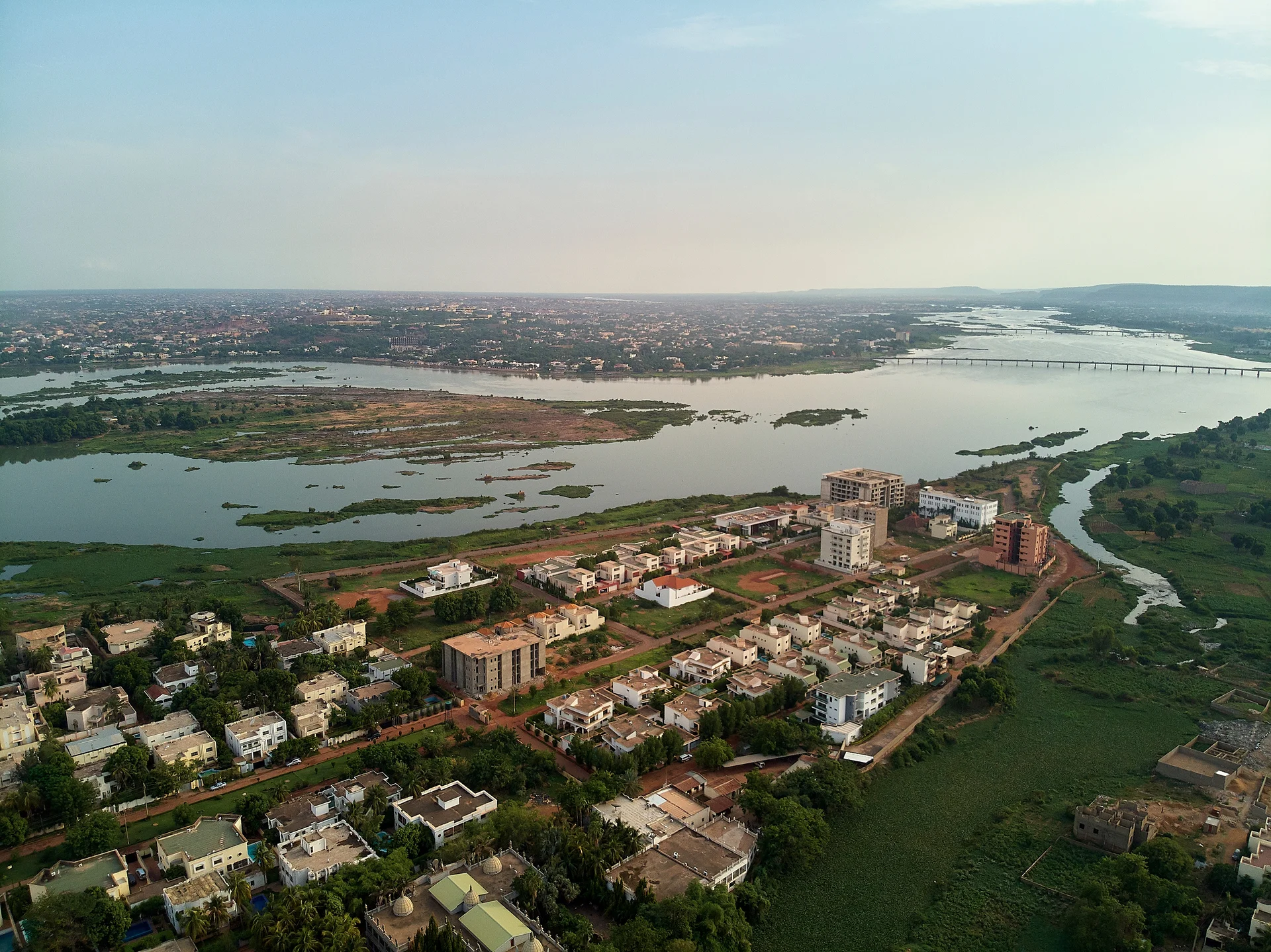
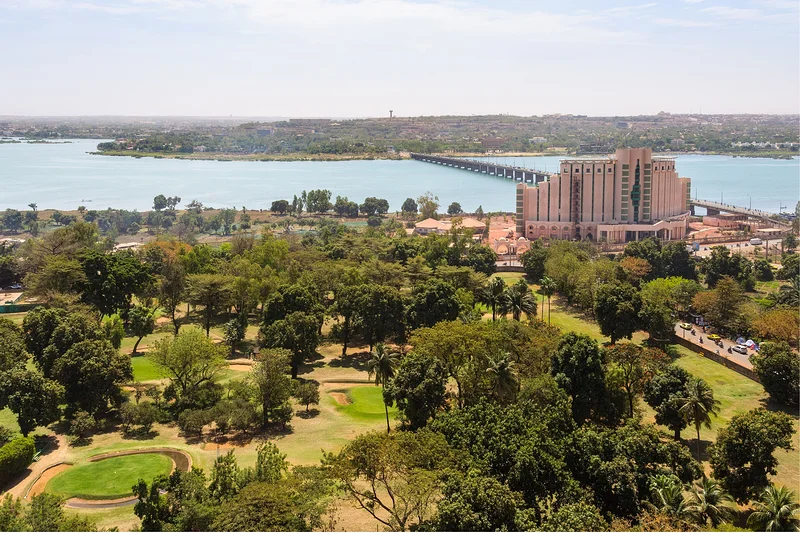
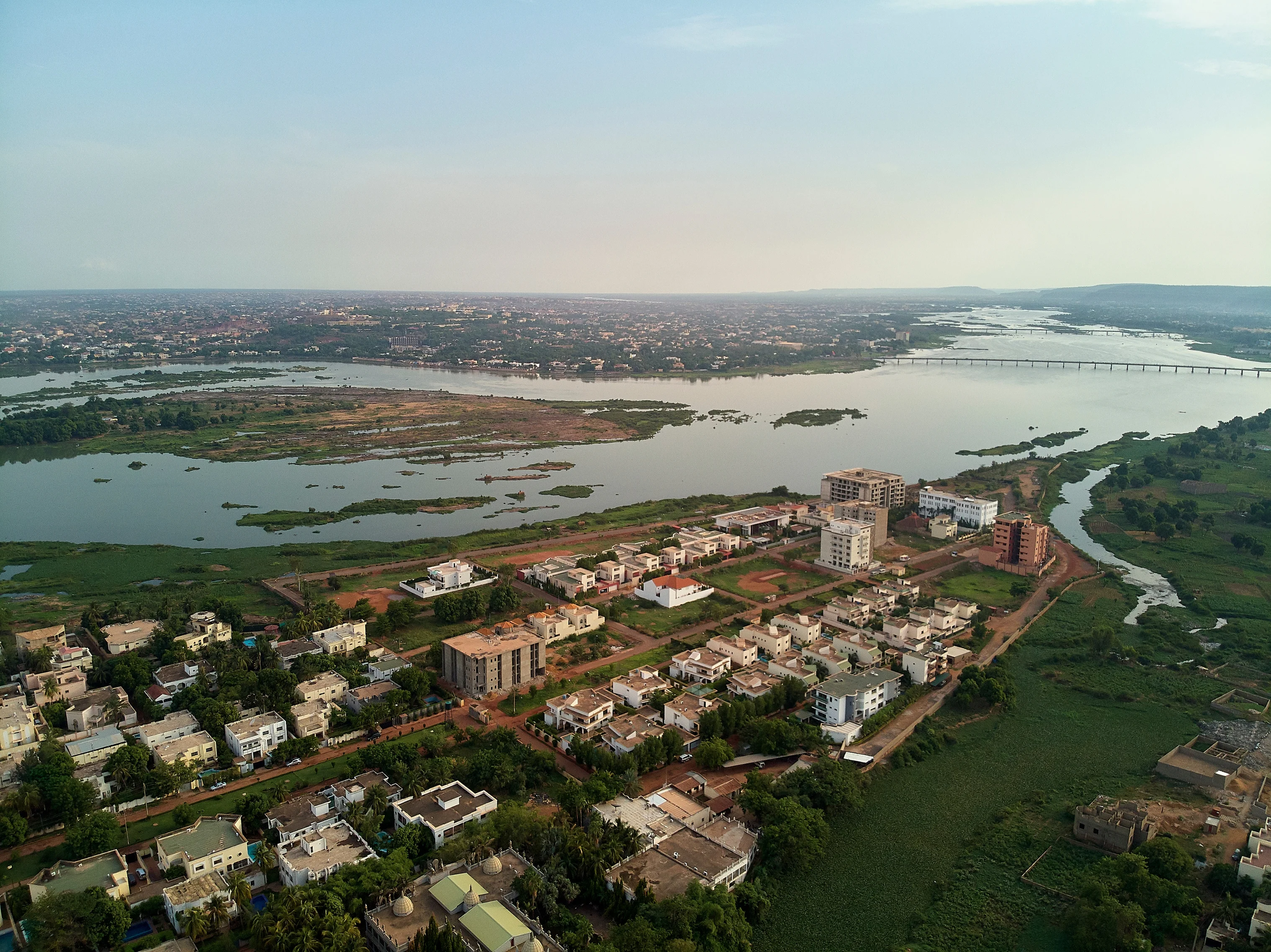
The Point G neighborhood sits on a hill overlooking the city. While access can be limited, the view lets you take in the sheer scale of Bamako alongside the Niger River.
What about tourist safety?
As with the rest of the country, the security situation in Bamako is unstable due to terrorism and political tensions. Check official government advisories before making travel plans.
Simple and flavorful cuisine
Bamako's food scene centers on traditional dishes like maffe (peanut paste stew) and riz au gras (rice cooked with vegetables and meat). Local drinks include bissap juice (made from hibiscus flowers) and ginger juice, both valued for how refreshing they are.
Where to eat?
- Chez Thierry (Hamdallaye): A restaurant serving French and African dishes in a pleasant setting.
- Le Loft (ACI 2000): An establishment with a varied menu featuring local and international specialties.
- Soukhothai by Siam (Hippodrome): A Thai restaurant known for flavorful dishes.
- Bistro Restaurant Bafing (Quartier du fleuve): Simple African fare that is popular with locals.
Where to stay?
- Radisson Collection Hotel Bamako (ACI 2000): A 5-star hotel offering comfortable rooms and quality service.
- Au bord de l'eau (Quartier du fleuve): Lodging appreciated for its peaceful setting and river views.
- Le Baobab (Badalabougou): A hotel offering good value and a welcoming vibe.
- GRANADA l'Amitie (Centre-ville): A central spot with modern facilities and solid comfort levels.
When to go?
The best time to visit Bamako runs from November to February, which marks the dry season with more moderate temperatures. It is the ideal window to explore the city without dealing with intense heat.
How to get there?
Bamako-Senou International Airport is served by several airlines flying out of Europe, usually with at least one stopover. Fares fluctuate depending on the season and carrier.
How to get around?
Getting around Bamako involves taking a taxi, a moto-taxi, or a SOTRAMA (green minibus). Make sure to agree on the fare before setting off and stay alert regarding safety, especially after dark.