
Plan Your Custom Tanzania Safari with a Certified Local Agency
Build your ideal Tanzania safari with a vetted agency that speaks your language. Whether you are aiming for the northern parks, the southern circuit, or timing your trip to witness the Great Migration, you can navigate the African bush with confidence and expert support.
Request a free quote for a custom Tanzania safari
We select the most reliable local agency best suited to your travel style.
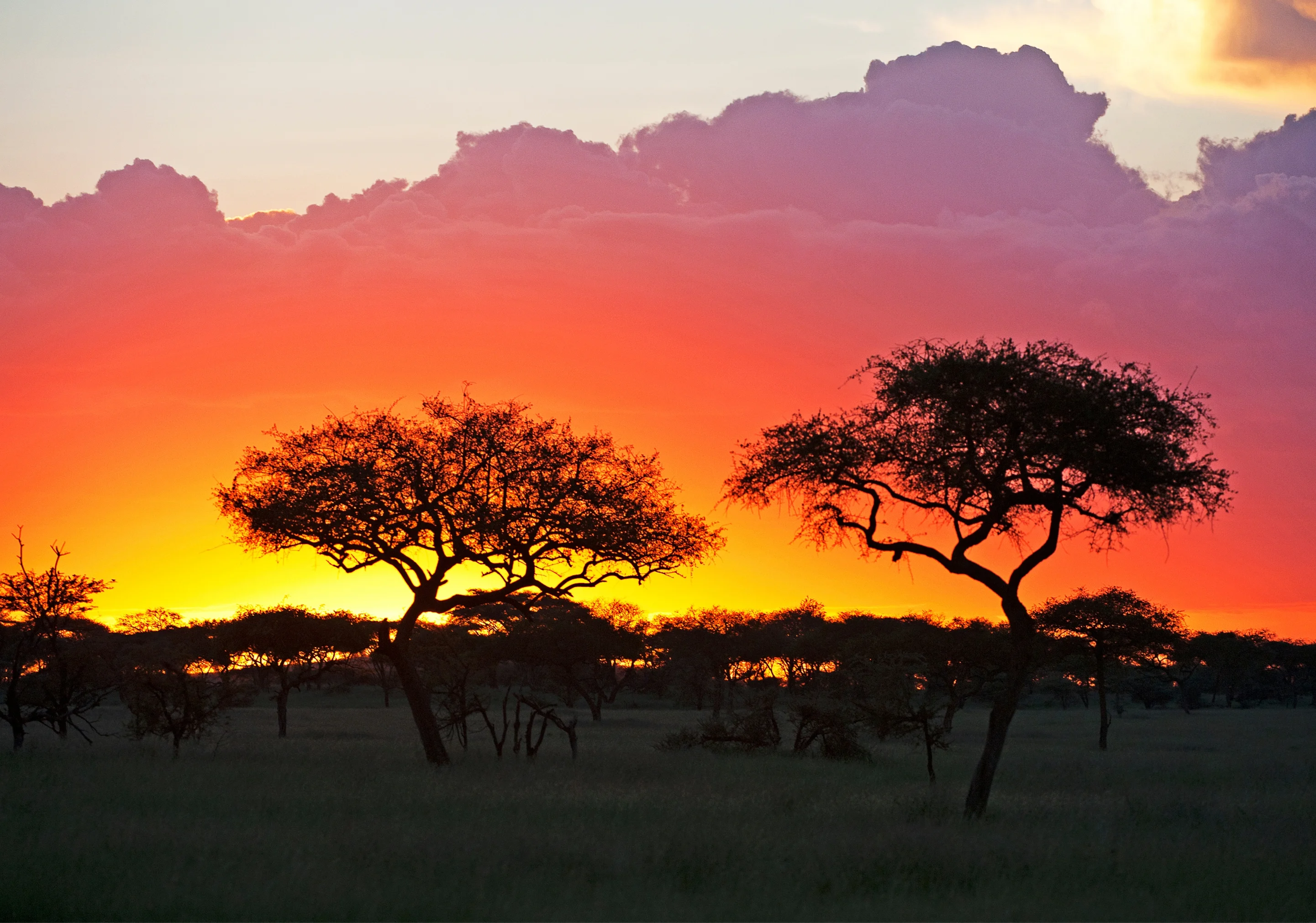
Do you dream of a Tanzania safari that hits exactly your marks, but aren't sure where to start? A custom Tanzanian safari, designed by a local agency we personally vet, lets you explore park treasures in the north like the Serengeti or wilder regions in the south, all at your own pace. Whether you want to witness the Great Migration of wildebeest, channel the legendary vibe of Out of Africa, or simply soak in the vast savanna landscapes, every detail can be tailored for your trip.
Table of Contents
Benefits of a custom Tanzania safari
A unique personalized experience
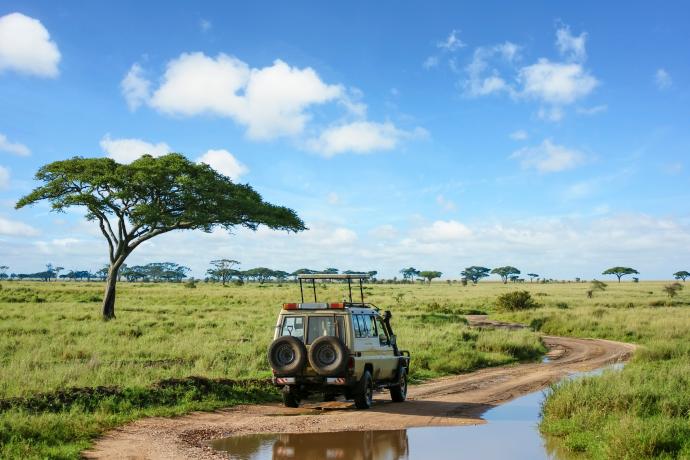
A custom safari in Tanzania turns your trip into a personal adventure. This approach prioritizes your specific interests and adapts every detail to your pace, whether you are chasing the wildebeest migration or exploring the Serengeti wildlands.
Since you are in the driver seat, you decide which parks to visit and how long to stay. Local agencies adjust the itinerary based on your preferences, whether you want to focus on wildlife photography, birdwatching, or cultural encounters with indigenous tribes. This flexibility skips the standard tour bus loop and provides access to less crowded areas where nature is the main event.
Local agency expertise
Local agencies are your biggest asset for a Tanzanian safari. Their in-depth knowledge of the terrain and animal behavior turns a standard excursion into an exceptional experience. These professionals know the best spots to be based on the season and can anticipate wildlife movements.
Local guides are the backbone of your adventure. They share expertise on the flora and fauna while passing on the soul of Tanzania through their stories and traditions. Their presence ensures an authentic cultural immersion while keeping you safe in deep wilderness.
That said, how do you vet a local agency from home? How do you choose a reliable partner for your dream trip? How do you safely transfer hundreds or thousands of euros?
We select a trusted, certified agency for you that matches your specific needs. Based in France since 2007, Avygeo acts as a dedicated traveler network. By recommending an operator, we put our own reputation on the line, and we take that responsibility seriously.
Request your free quote for a custom Tanzania safari
Essential Tanzania national parks
Northern parks: Serengeti and Ngorongoro
Tanzania shows off its natural crown jewels with the Serengeti and the Ngorongoro Crater. These northern parks offer a grand spectacle where plains stretch out of sight, housing a massive concentration of wildlife. The Serengeti, with its golden expanses, and the Ngorongoro, a natural Noah's Ark, form the beating heart of East African safaris.
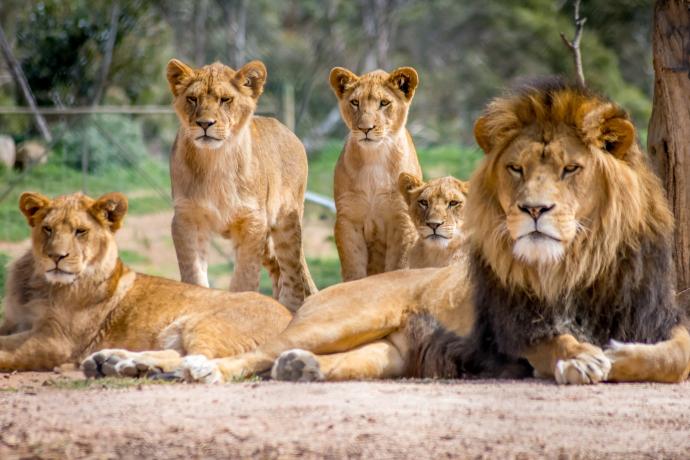
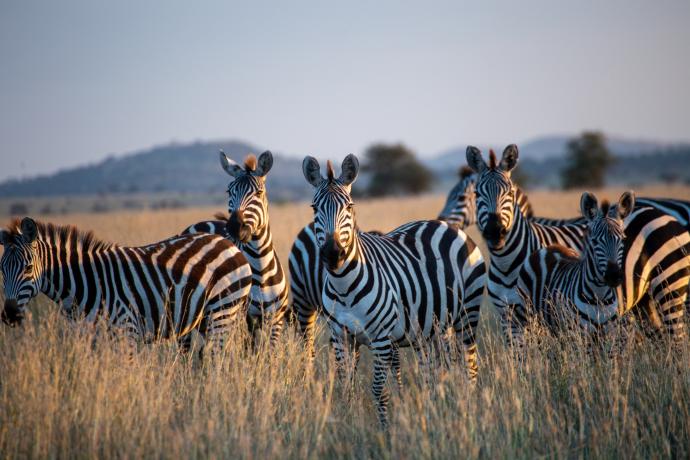
In these sanctuaries, nature is front and center. Lions lounge under umbrella acacias while zebra and antelope herds roam the plains. The Ngorongoro Crater, a 20 km wide caldera, shelters a remarkable density of large mammals in a virtually enclosed ecosystem. Its unique volcanic formation makes it a prime spot to see the Big Five in a single day.
Tarangire and Lake Manyara: hidden treasures
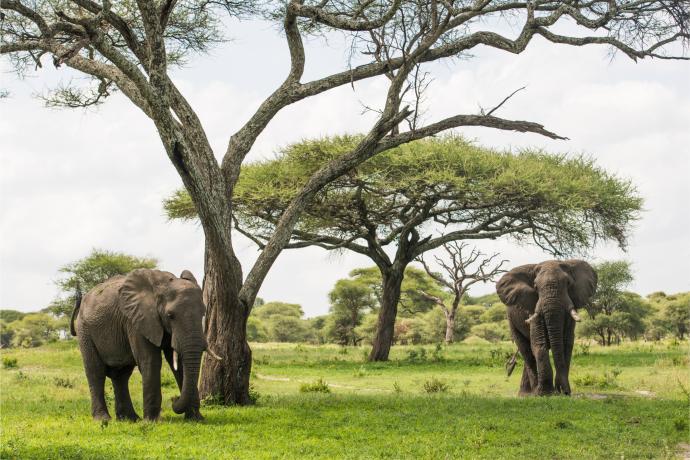
Beyond the famous Serengeti and Ngorongoro, Tarangire and Lake Manyara show off charms that are quieter but just as compelling. These less-visited gems offer authentic experiences away from the standard tourist path, with preserved nature and appreciated peace.
Tarangire is defined by its massive centenarian baobabs which punctuate the landscape. This national park also houses one of Tanzania's largest elephant concentrations, which gather along the Tarangire River during the dry season. Lake Manyara enchants with landscape diversity, shifting from dense forest to grassy plains, ending at the lake's alkaline shores where colonies of pink flamingos gather to create a surreal natural tableau.
Southern parks: off the beaten path
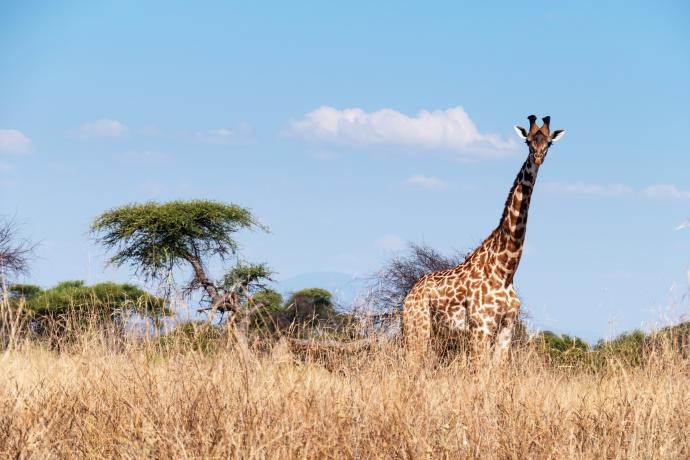
Far from the crowds of the northern circuit, Tanzania's southern parks offer a wilder, more preserved immersion into African nature. These vast spaces like Ruaha and Selous (recently renamed Nyerere National Park) appeal to travelers seeking exclusivity and off-the-grid experiences.
- Ruaha: Explore Tanzania's largest national park, known for varied landscapes and abundant wildlife, including large elephant herds and a high concentration of predators.
- Selous (Nyerere): Immerse yourself in Africa's largest game reserve, a wild sanctuary offering an authentic and isolated safari experience far from tourist crowds.
- Mikumi: Admire the vast open plains and diverse wildlife of this park, easily accessible from Dar es Salaam and ideal for a quick escape into the wild.
- Udzungwa Mountains: exceptional biodiversity and endemic species.
These parks attract adventurous travelers with their relative isolation and the sense of discovery they provide. Wildlife encounters here are often more intimate and less predictable. The safari experience in the south is characterized by a unique sense of exploration, where vehicles are rare and nature still reigns supreme. For lovers of wide open spaces and authenticity, these parks represent the quintessence of a Tanzanian safari.
The Great Migration: a unique natural spectacle
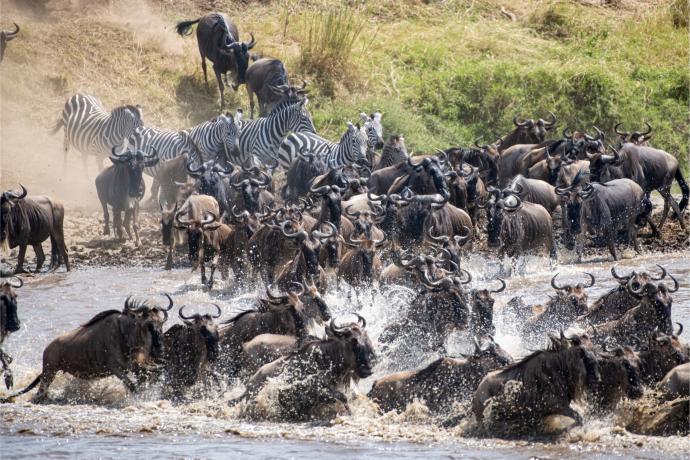
The Great Migration of wildebeest is one of the most spectacular natural phenomena on the planet. This perpetual movement across the Serengeti-Mara ecosystem drives over two million herbivores in a circular journey guided by the search for water and fresh pasture. This wild ballet represents the very soul of Tanzanian safaris.
Timing matters here because the herds move according to a relatively predictable seasonal cycle. From December to March, the wildebeest concentrate in the southern Serengeti plains to calve. From April to June, they begin their trek north.
The dramatic river crossings, where crocodiles wait for their feast, generally happen between July and September in the northern Serengeti. A custom safari lets you adapt your itinerary to maximize your chances of witnessing these grand scenes, which are among Africa's most memorable.
Great Migration Calendar
Key Moments to Observe
Types of personalized safaris
Private 4x4 vehicle safari
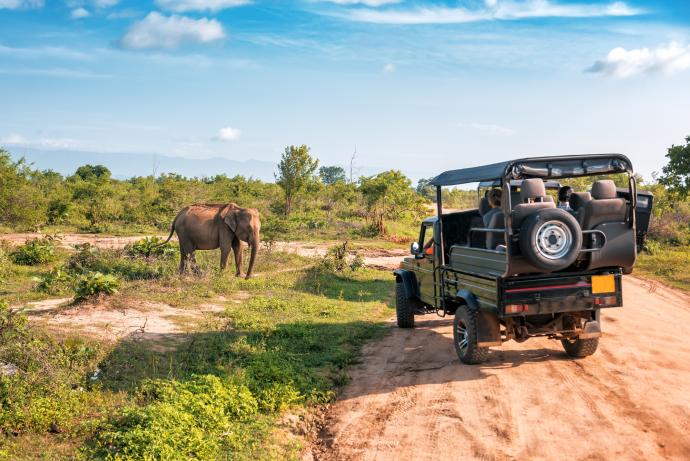
The private 4x4 safari is the most popular way to explore Tanzanian national parks. Accompanied by an expert guide, traverse vast wilderness areas in a specially modified vehicle that combines comfort and optimal visibility for animal spotting.
Aboard these vehicles, built for African tracks, you experience an incomparable closeness to nature. The 4x4s have pop-up roofs that allow you to watch lions, elephants, and other Serengeti wonders in ideal conditions. Your driver-guide knows the animals' habits perfectly and leads you to the best observation points based on the season, especially during the Great Migration.
Walking safari: total immersion in nature
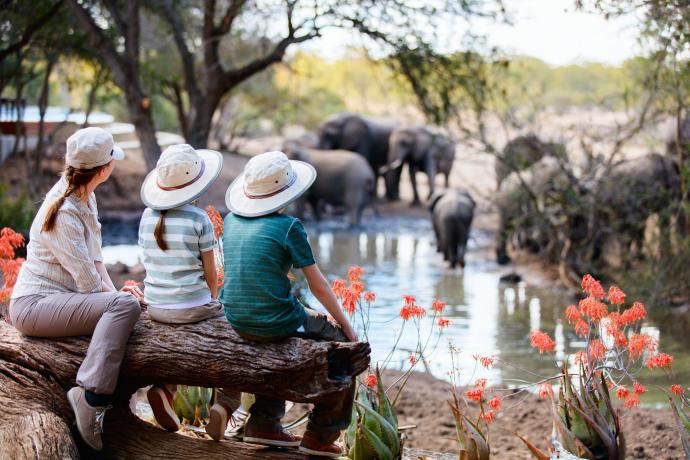
For a more intimate adventure in the Tanzanian savanna, walking safaris offer a unique sensory experience. Guided by experienced, armed rangers, you discover the wildlife and flora from an angle radically different from what a motorized vehicle offers.
During these treks, all your senses wake up in the wild. You learn to recognize animal tracks, understand their behavior, and identify medicinal plants used by local populations. Safety remains paramount: guides maintain respectful distances from large animals while providing invaluable knowledge about the ecosystem of the national park you are visiting.
Safari combined with Kilimanjaro climb
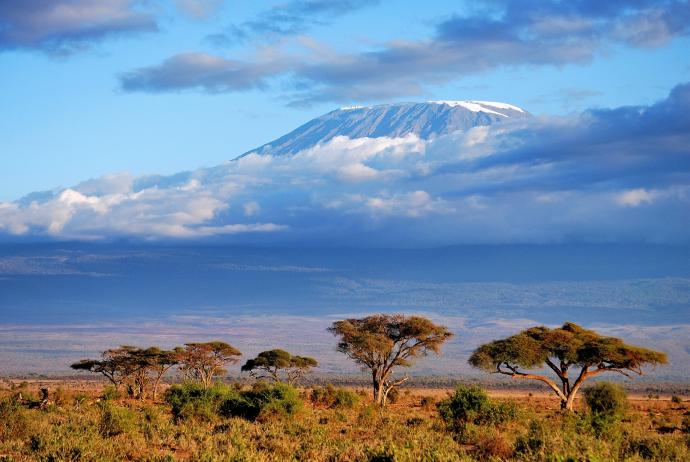
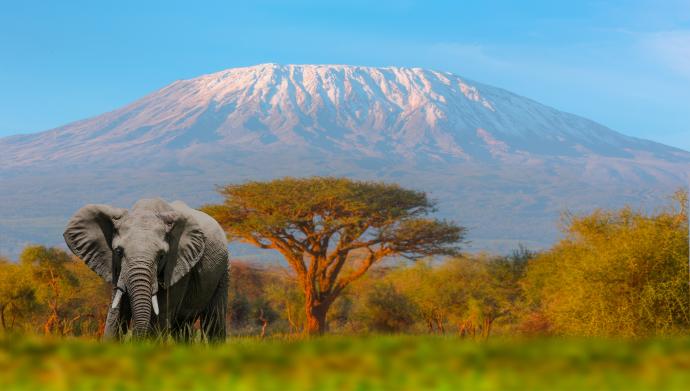
For adventurers seeking varied experiences, combining a safari with climbing Kilimanjaro is the perfect Tanzania trip. This unique formula lets you discover the striking contrast between the Serengeti plains and the eternal snows on the roof of Africa, peaking at 19,341 ft (5,895 m).
After the physical exertion of the climb, nothing beats a relaxing safari to recover. Several itineraries can be planned based on your physical condition and interests. Experienced local agencies coordinate these two iconic country activities perfectly, usually suggesting a safari in northern parks like Ngorongoro or Tarangire after your trek up the mythical mountain.
Birdwatching and specialized safaris
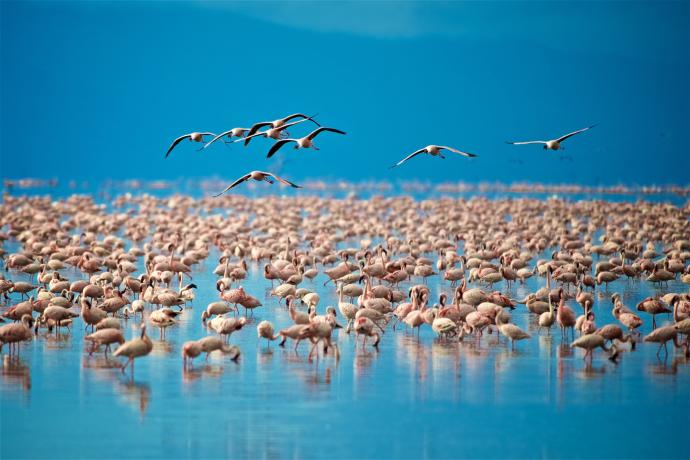
Tanzania is an ornithologist's paradise with varied landscapes housing over 1,000 bird species. The wetlands of Lake Manyara attract clouds of pink flamingos, while the forests of Ngorongoro host rare and endemic species.
Local agencies also offer photo safaris led by experts who will guide you to the best spots and techniques for wildlife photography.
For geology enthusiasts, specialized tours explore the East African Rift, with its unique volcanic formations like Ol Doinyo Lengai, the world's only active carbonatite volcano.
Request your dream safari from a certified local agency
Accommodation options from luxury to budget
Luxury lodges in the heart of the parks
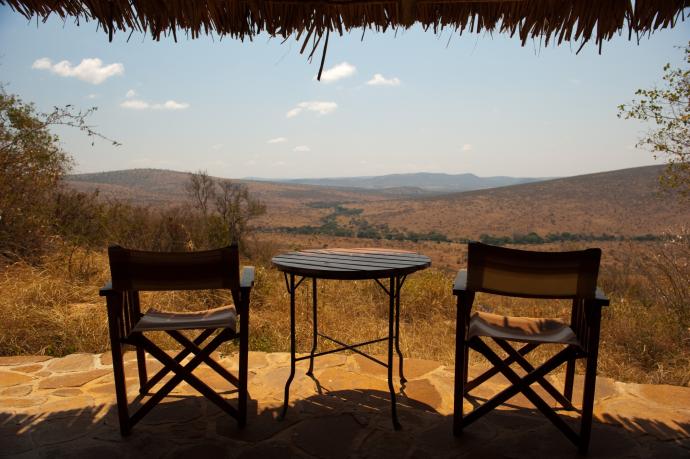
Luxury lodges in Tanzania offer a unique experience, blending exceptional comfort with total immersion in wild nature. Strategically placed in the heart of national parks like the Serengeti or Tarangire, these properties let you watch animals from your private terrace while enjoying attentive service.
In these havens, you will find spacious suites with panoramic savanna views, infinity pools facing plains where elephants drink, and restaurants serving refined cuisine with African flavors. Lodges like Sanctuary Swala Camp in Tarangire or Kubu Kubu in the Serengeti also offer private safaris and spa treatments to round out your stay.
Permanent tented camps: comfort and authenticity
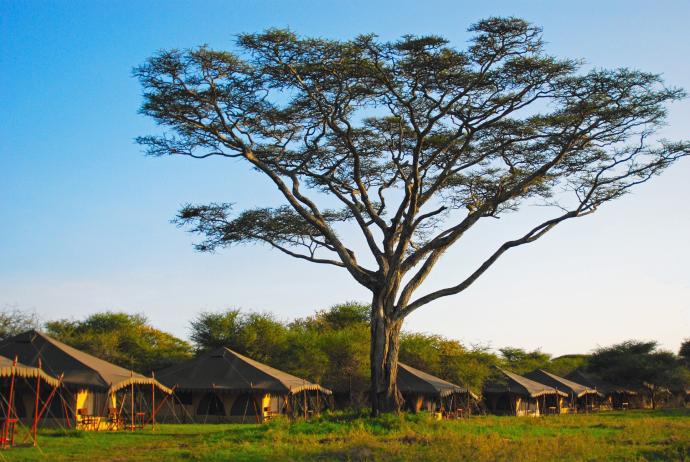
For a more authentic experience without sacrificing comfort, permanent tented camps are an excellent compromise. These accommodations immerse you in the vibe of safaris past while providing modern amenities necessary for a pleasant stay in the heart of Tanzania.
Imagine yourself in a spacious tent equipped with a real bed, private bathroom with hot water, and a veranda to watch the sunset over the savanna. Kati Kati Camp in the northern Serengeti offers this type of setup, complete with candlelit dinners and evenings around a campfire, lulled by the nocturnal sounds of the wild.
Wild camping: adventure closest to nature
Wild camping is the most budget-friendly option for your Tanzania safari, while offering total immersion in the African ecosystem. This adventurous formula allows for a raw and authentic experience, away from traditional tourist infrastructure.
When you choose this option, you sleep in a simple tent set up in designated areas of national parks like the Serengeti or Ngorongoro. The experience is unique: you fall asleep to the distant roar of lions and wake up to birdsong, surrounded by the wild beauty of Tanzanian landscapes, an adventure appreciated by travelers seeking pure authenticity.
Note that this is not about putting oneself in danger. Even for "wild" camping, it is highly recommended to be accompanied by a local guide.
Mixed accommodation: flexibility across stages
The mixed accommodation formula is a practical and adapted approach for a custom safari in Tanzania. It lets you alternate between lodging styles based on your travel stages, adapting comfort levels to your desires and budget.
You could, for instance, start your adventure in a luxury lodge at the Ngorongoro Crater, then opt for a tented camp in the Serengeti, before finishing with a few nights of wild camping in the less-frequented southern parks. This smart alternation enriches your Tanzanian experience by offering different perspectives on the landscapes and wildlife, all while keeping your total travel budget in check.
Find the local agency that fits your expectations
Planning a custom safari
Choosing the best time for your safari
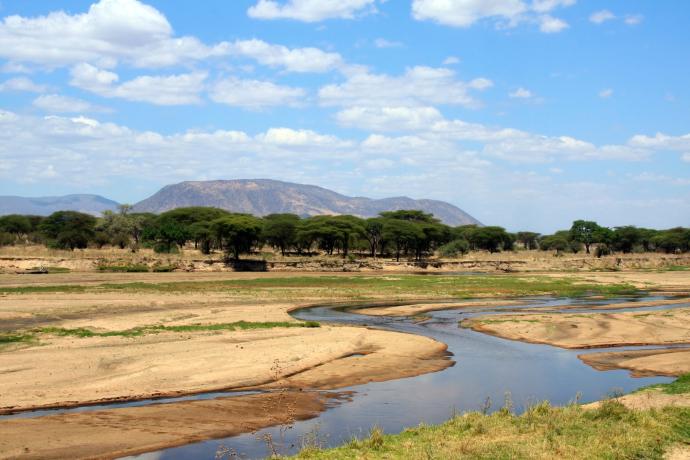
The dry season from June to October is the ideal time for a Tanzania safari. During this period, animals gather around water holes, making them easier to spot in national parks like the Serengeti and Tarangire. Clear skies and pleasant temperatures make the experience particularly enjoyable.
Every season in Tanzania offers specific benefits for wildlife spotting. The short dry season from January to February coincides with the birth of wildebeest calves in the southern Serengeti plains. July and August allow you to witness spectacular river crossings during the Great Migration. The rainy season turns the landscapes into a verdant paradise.
Ideal duration for a complete safari
A complete Tanzania safari ideally requires between 7 and 10 days to fully appreciate the variety of parks and reserves. This duration allows for unhurried exploration of the Ngorongoro Crater, immersion in the vastness of the Serengeti, and discovery of the riches of Lake Manyara or Tarangire National Park.
The classic northern park itinerary can be done in a week, while a circuit combining north and south needs at least two weeks. Also plan for a few rest days between long safari legs to fully savor the adventure. To organize an unforgettable custom safari, CTA.
Budgeting and customization options
The budget for a custom safari in Tanzania varies significantly based on your choices. Expect a minimum of 665 euros (about $735 USD, 620 CHF) per week per person for a standard experience with 3-star lodging, up to 280 euros (about $310 USD, 260 CHF) per day per person for a more luxurious stay including 4-star lodges and a private guide.
Customization directly influences the final cost of your trip. Premium options like hot air balloon flights over the Serengeti or nights in exclusive lodges inside the national park significantly increase the budget. Conversely, opting for mixed lodging and group safaris helps reduce costs while maintaining an authentic experience of the wild Tanzania.
Essential pre-departure preparations
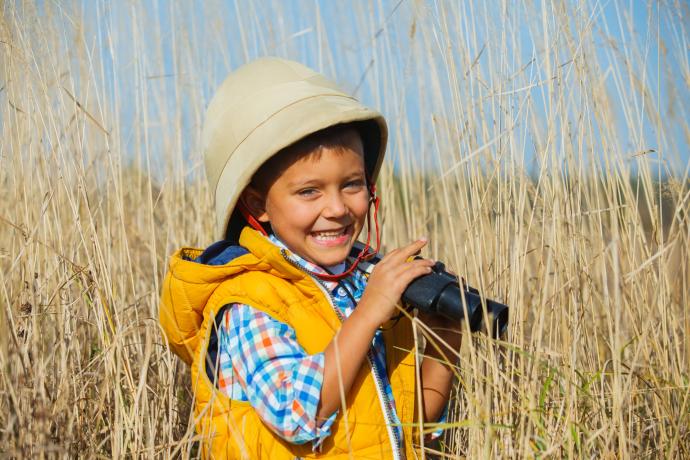
Before leaving for your Tanzanian safari, make sure you apply for a visa (50 USD) and check that your passport remains valid for six months after your return. Yellow fever vaccination and antimalarial prophylaxis are highly recommended, as is travel insurance covering medical evacuation and cancellation.
In your luggage, prioritize neutral-colored clothing, comfortable walking shoes, and a wide-brimmed hat. Don't forget the essentials for observing wildlife from afar: binoculars, a camera with a telephoto lens, a headlamp for evenings in camp, as well as mosquito repellent and high-protection sunscreen to face the African climate.
Extensions and add-ons for your safari
Beach relaxation in Zanzibar after the safari
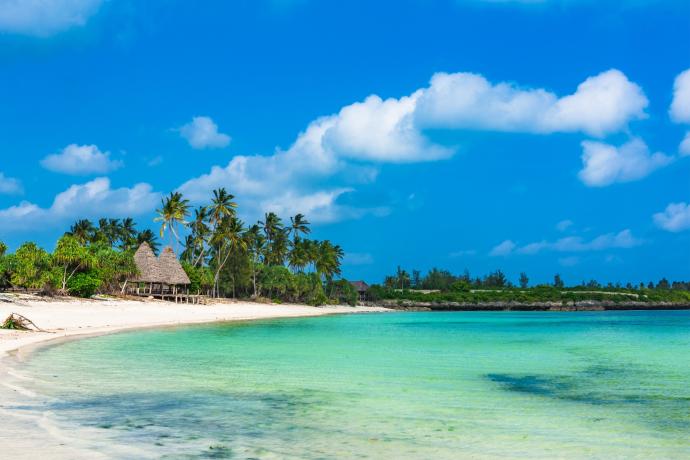
Extend your stay in Tanzania with a beach getaway to Zanzibar, the Spice Island. This ideal extension lets you recharge after the intensity of safaris in national parks. The contrast between the continental wild adventure and the calm of white sand beaches offers a complete and harmonious travel experience.
In Zanzibar, you will discover remarkable Swahili cultural heritage, notably in the old town of Stone Town, a UNESCO World Heritage site. Paradise beaches lined with coconut trees invite relaxation, while coral-rich seabeds filled with colorful fish thrill diving enthusiasts. Don't miss the spice plantations that made the island famous.
Cultural encounters with local tribes
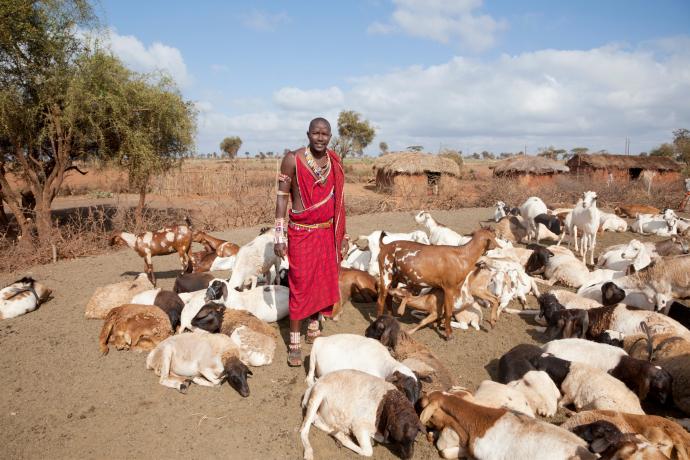
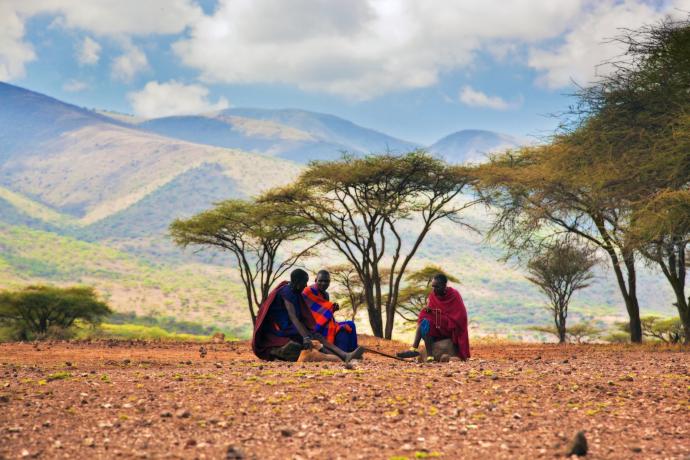
Enrich your safari experience with authentic immersions among Tanzanian communities. Encounters with the Maasai in the northern regions or the Hadzabe near Lake Eyasi reveal preserved ancestral lifestyles, far from conventional tourist circuits.
These cultural exchanges are organized with respect and ethics thanks to our partner agencies. You can participate in daily activities like crafting, learn traditional hunting techniques, or attend ceremonial dances. These privileged moments create lasting memories while contributing to the preservation of traditions and the local economy, as part of a responsible tourism approach that directly benefits communities.
Traveler tips and advice
Success stories from custom safaris
Travelers return delighted from their Tanzanian safari, highlighting in particular the quality of local guides and the authenticity of wildlife encounters. In their stories, they often recall magical moments where an elephant herd crosses the golden Serengeti savanna peacefully at sunset.
What stands out in most testimonials is the flexibility offered by experienced local agencies. Personalized circuits allow for adaptation to everyone's pace, whether it's families with children wanting to watch Ngorongoro big cats or passionate photographers patiently tracking the Great Migration in infinite plains. Travelers particularly appreciate this freedom to modify itineraries based on their preferences, creating a truly custom adventure.
Tips for wildlife photography
Prepare your gear before leaving: a telephoto lens (200-400mm minimum), an extra battery, and enough memory cards are essential to capture wild animals in their natural habitat. Tanzanian light, particularly generous at sunrise and sunset, turns the savanna into an enchanting backdrop.
During your safaris, prioritize patience and anticipation. Your guide knows animal behavior perfectly and will position you ideally. To show off national parks like Tarangire or the Ngorongoro Crater, alternate between wide shots showing the animal in its environment and close-ups capturing details and expressions.
Always respect a sufficient distance from wildlife, both for your safety and the animals' well-being. A successful safari leaves intact memories on your memory card, but doesn't disrupt the natural balance.
Tips for a comfortable and safe safari
To fully enjoy your Tanzanian adventure, pack light, neutral-colored clothing that can be layered. Serengeti mornings can be cool, while afternoons often become very hot. A wide-brimmed hat and high-SPF sunscreen are your best allies against the African sun.
Stay hydrated and strictly follow your guide's instructions during wildlife viewing. Animals remain unpredictable creatures. Never leave your vehicle without authorization and always keep a respectful distance.
For travelers sensitive to bumps during track travel, consider bringing medication for motion sickness. Given the distances sometimes involved between national park lodges, a small neck pillow can turn your transfers into comfortable moments.
Responsible tourism and positive impact
Contribution to wildlife conservation
A responsibly organized safari actively contributes to the protection of endangered species. Entrance fees to national parks like the Serengeti or Ngorongoro directly fund conservation initiatives and anti-poaching efforts, helping preserve these fragile ecosystems for future generations.
Several conservation programs benefit directly from responsible tourism in Tanzanian parks. Local agencies get involved in rhino and elephant protection projects, participating in initiatives like anti-poaching surveillance and natural habitat restoration. By choosing an ethical safari, you contribute to the preservation of the biodiversity that makes Tanzania and its iconic landscapes famous.
Support for local communities
Well-managed safari tourism generates a significant economic impact for Tanzanian communities. It creates varied jobs ranging from guides to cooks and hotel staff, thus giving residents the opportunity to utilize their exceptional knowledge of nature and local wildlife.
We prioritize partners who support essential community projects, like building schools or clinics. They also collaborate with local artisans to offer authentic cultural experiences to travelers. These initiatives foster sustainable and equitable development, allowing populations living near national parks to profit from the preservation of their natural environment.
Ecological practices during your safari
During your adventure in the Tanzanian wild, adopt simple but effective habits to limit your environmental footprint. Use a reusable water bottle, take all your trash with you, and strictly respect your guides' instructions regarding distances to maintain from wild animals.
Safari lodges and camps are increasingly committing to eco-friendly practices. Many now use solar power for electricity and hot water, implement waste recycling and wastewater treatment systems, or prioritize local sourcing to reduce their carbon footprint. Some even participate in carbon offset programs by supporting reforestation projects in the country, contributing to the fight against climate change while offering an unforgettable safari experience.
Travel with a responsible local agency, selected for you
Why choose Avygeo to find your agency
Our matching service is simple and free for you! Save a huge amount of time and be sure you are in good hands.
How it works
-
Describe your project
Via our secure form, you share the broad strokes of your expectations: safari type, duration, interests, budget.
-
We select the ideal agency
We analyze your project and choose the most qualified agency among our rigorously vetted partners.
-
The agency contacts you directly
You are put in touch with the agency that will propose a personalized trip, with no commitment.
Our partner selection criteria:
We place capital importance on the quality of our partners. Each agency is selected based on strict criteria: proven reliability and official licenses, excellent customer feedback, recognized specific expertise (itinerary choice, cultural immersion, authenticity, etc.), commitment to responsible tourism, and a genuine passion for Tanzania. We only collaborate with professionals whose seriousness we vouch for.
Advantages for you:
- Significant time savings: save yourself long hours of research and comparison.
- Safety and reliability: work with agencies verified and approved by Avygeo.
- Perfect connection: we put you in touch with the agency that speaks YOUR travel language and understands YOUR specific desires.
- Authenticity, for real: access unique experiences designed by those who live and breathe Tanzania every day.
- Free, no-obligation service: our matching service is entirely free for you.
Entrust us with your safari search
Final thoughts
A custom safari in Tanzania represents more than just a trip, it is an authentic immersion into wild Africa, where every detail is thought out based on your desires. Whether you dream of watching the Great Migration in the Serengeti, contemplating the wildlife diversity of the Ngorongoro Crater, or exploring less-frequented southern parks, a trusted agency will know how to turn your aspirations into lasting memories. Don't wait any longer to make this Tanzanian adventure a reality, promising privileged moments close to nature in all its splendor.
Frequently asked questions
What are the potential dangers of a walking safari?
Walking safaris carry risks linked to wildlife, which is potentially dangerous and unpredictable. It is therefore crucial to choose a reliable local tour operator.
Professional guides undergo deep safety training and are armed to handle any threat. Traveling with a trusted operator significantly reduces risks.
How to choose between a group or private safari?
The choice between a group or private safari depends on your preferences regarding personalization, budget, and flexibility. Private safari offers total flexibility on the itinerary, dates, and activities, with no luggage restrictions. Group safari is more budget-friendly, but with a fixed itinerary, strict schedules, and luggage restrictions.
What is the difficulty level of climbing Kilimanjaro?
Climbing Kilimanjaro is accessible to trained and motivated hikers, even without technical climbing experience. The main difficulty is the altitude, with a significant drop in oxygen levels at the summit.
A slow ascent, with a 6- to 7-day program, is recommended to allow the body to acclimatize. Good physical preparation, quality gear, and adequate hydration are essential for a successful climb.
What types of meals are included in a typical safari?
Meals included in a typical safari vary based on the accommodation and the chosen package. In lodges and hotels, you will find classic dishes based on rice and vegetables cooked in coconut milk, as well as Western dishes.
Tanzanian cuisine is a blend of Hindu, Indian, Arab, and British influences. Traditional dishes include ugali, chapati, kachumbari, and pilau rice, using local fruits, vegetables, and spices.
How to handle money and tipping in Tanzania?
In Tanzania, you can use the Tanzanian Shilling (TZS), the US Dollar (USD), and the Euro (EUR). It is often more advantageous to use the Tanzanian Shilling to avoid rounding issues. Credit cards are accepted in hotels and tourist restaurants, but a commission may be applied.
Tipping is common practice, especially in tourism. Small tips are intended for lodging staff, while safari guides and drivers generally receive a tip of around 10 USD per day per person.
What communication options (phone, internet) are available?
To communicate in Tanzania, several options are available. Buying a local SIM card is a budget-friendly option for calls and internet access.
Internet access and network coverage can vary based on location, generally being more reliable in urban areas and lodges.
How to dress respectfully during cultural visits?
During cultural visits in Tanzania, it is important to dress modestly, especially in Zanzibar. It is recommended to cover shoulders and knees, avoiding tight or low-cut clothing.
Prioritize light and loose clothing, like long dresses and tunics. Have a scarf on hand to cover your hair if necessary, and dress soberly, particularly when visiting places of worship.
What happens if the agency's proposal doesn't suit me?
Our goal is your complete satisfaction. If the first proposal does not fully meet your expectations, we can discuss further to better understand your needs and, if necessary, put you in touch with another qualified partner in our network.