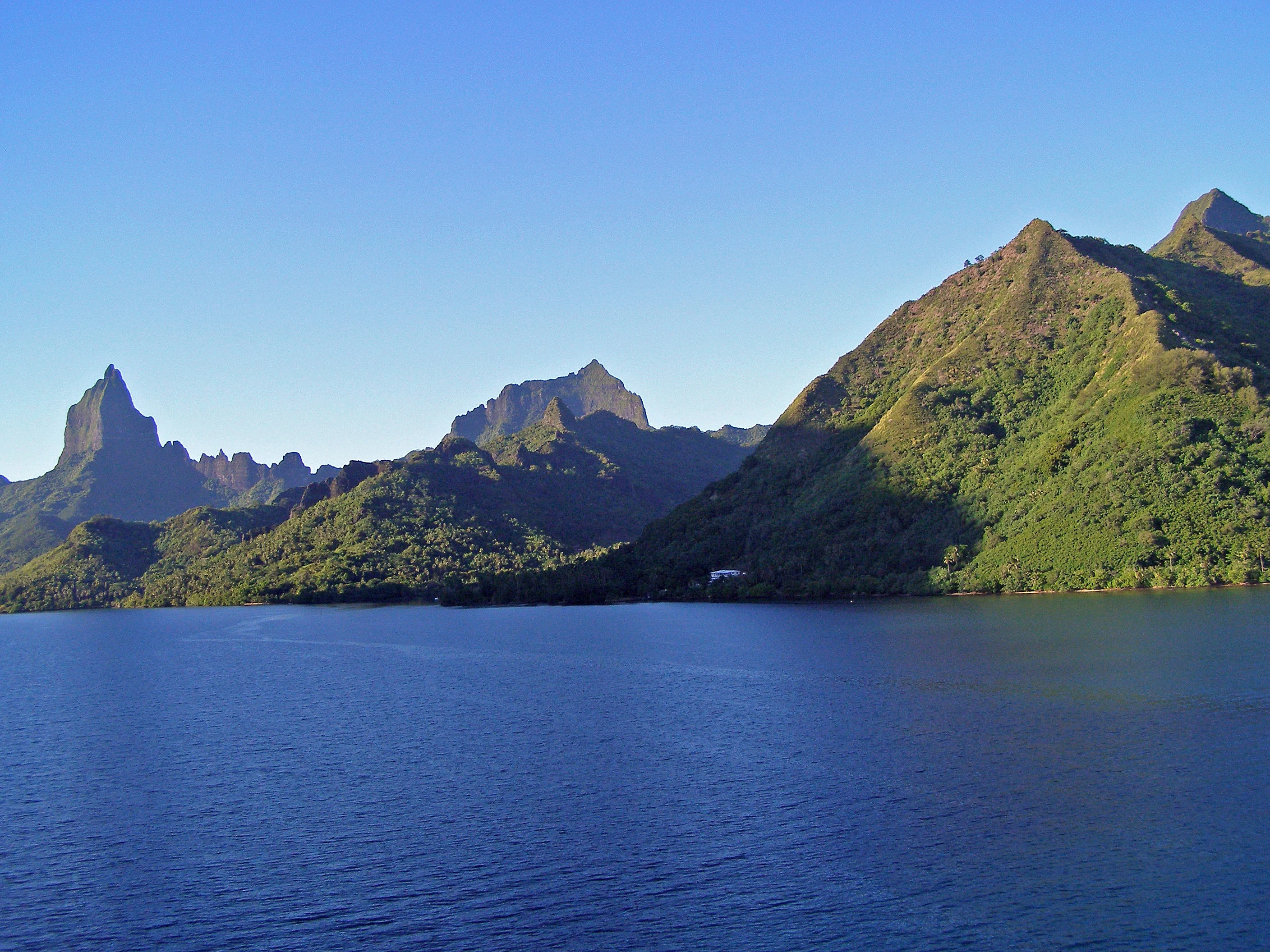
French Polynesia: A Canvas of Fifty Shades of Blue
The first impression hits you through the sense of smell rather than sight. Stepping off the plane in Papeete, the warm tropical air carries the scent of tiare flowers and frangipani. Local musicians strum the ukulele right inside the arrivals hall, and traditional flower leis are placed around your neck. Welcome to a territory where the Pacific Ocean spans 118 islands across an area the size of Europe, while all the dry land put together would fit inside Rhode Island.
Who is this remote corner of the world really for?
This overseas destination captivates travelers with its sheer aquatic scale. Five archipels make up this scattered territory: the Society Islands, the Tuamotus, the Marquesas, the Australs, and the Gambier Islands. Each comes with its own distinct personality, climate, and culture. Conflating them is like treating rural Maine and downtown Manhattan as the exact same place.
French Polynesia is a dream come true for serious scuba divers seeking big marine life encounters. Swimming with hundreds of gray reef sharks in Fakarava or watching humpback whales off the coast of Moorea between August and October ranks among the top wildlife experiences on earth. Hikers will find rugged trails in the lush valleys of the Marquesas or on the volcanic ridges of Tahiti. Honeymooners picture the iconic overwater bungalows of Bora Bora for good reason, as the lagoon displays unreal shades of turquoise.
On the flip side, anyone looking for high-energy nightlife will likely find it too quiet. Even in Papeete, evenings wind down early. Rushed travelers will miss the point here, as life moves to the slow rhythm of ocean swells. The vast distances between islands require careful planning and expensive regional flights. Finally, travelers who dislike high humidity will struggle, as the tropical air stays heavy even during the dry season.
A serious hit to your wallet
Let us be direct: French Polynesia ranks among the most expensive travel destinations anywhere. Consumer prices run significantly higher than in mainland Europe. Expect to budget $169 to $340* per day for a couple traveling on the conservative side, which covers local guesthouses called pensions, casual meals at food trucks, and limited excursions. Overwater bungalows at high-end resorts start around $790* per night and can easily climb much higher. Inter-island flights add up fast, with a round-trip ticket between Tahiti and Bora Bora costing around $340*.
Lagoons that redefine the color blue
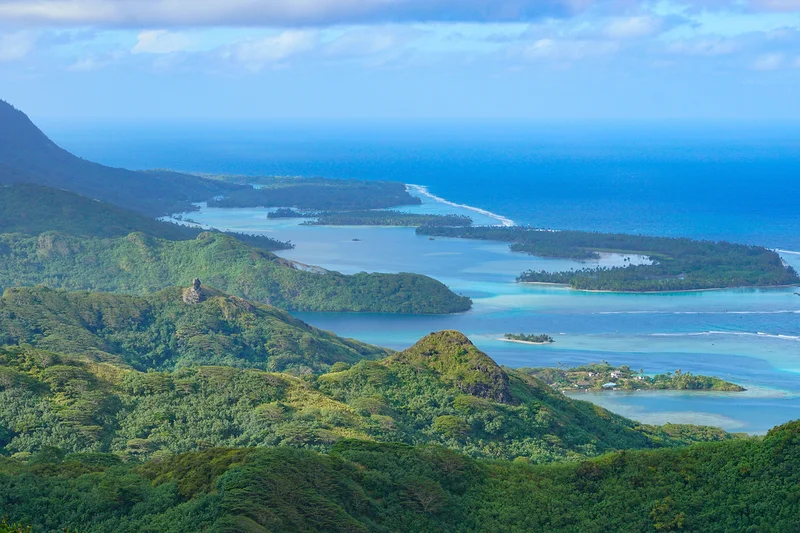
The classic postcard imagery of French Polynesia focuses entirely on its lagoons, and the reality matches the hype. The lagoon at Bora Bora, dominated by Mount Otemanu rising 727 meters high, creates a dramatic geological setting. The central volcanic island slowly sank over millions of years while the coral reef kept growing upward, forming a sheltered basin of bright water protected by a natural barrier reef.
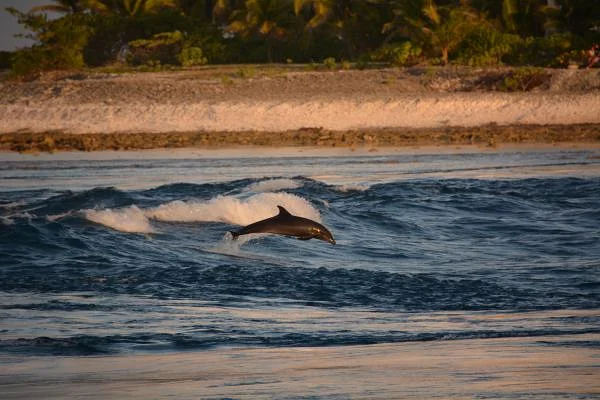
Rangiroa, located in the Tuamotu archipelago, stands as the second-largest atoll in the world. Its enormous lagoon could swallow the entire island of Tahiti. The Tiputa and Avatoru passes pull in nutrient-rich currents that draw pods of dolphins, manta rays, and reef sharks. Experienced divers rate this spot among the best on the planet.
Friendly tip: Skip Bora Bora during peak season if your travel funds are limited. Look into Maupiti instead, its quieter sister island, which is accessible by a short flight from Raiatea for a fraction of the cost.
The Tuamotus for dedicated divers
This string of 76 atolls is a diver's paradise. At Fakarava, a designated UNESCO Biosphere Reserve, the southern Tumakohua pass hosts a permanent population of hundreds of gray reef sharks. There is no artificial feeding here, keeping the encounters completely wild. Beginners can also enjoy world-class snorkeling simply by wading right off the beach.
The Marquesas: A ruggedly different side of Polynesia
Located 1 500 kilometers northeast of Tahiti, the Marquesas islands bear little resemblance to the classic tropical postcard. There are no shallow coral lagoons here. Instead, sheer cliffs plunge straight into the open ocean, deep green valleys shelter wild horses, and ancient archaeological sites hide in the brush.
Nuku Hiva, the largest island in the group, features Vaipo waterfall, the tallest drop in French Polynesia at 350 meters. The Hatiheu valley holds centuries-old ceremonial platforms where stone tikis and petroglyphs reveal a complex ancestral society. Hiva Oa preserves the largest stone tiki in the region at the Iipona site: the Tiki Takaii stands nearly 2.5 meters tall and dates back to the 14th century.
Marquesan artistry stands out for detailed wood carvings and traditional body art. The patutiki, the ancient art of Marquesan tattooing, has experienced a major revival after Christian missionaries banned it in the 19th century. Artists Paul Gauguin and musician Jacques Brel both chose to spend their final years here, and both are buried in the cemetery at Atuona on Hiva Oa.
Friendly tip: The mixed cargo ship Aranui 5 runs 12-day voyages stopping at six Marquesan islands. It is a unique way to reach the archipelago while experiencing the lifeline that supplies these isolated communities.
Moorea and the Society Islands: The ideal balance
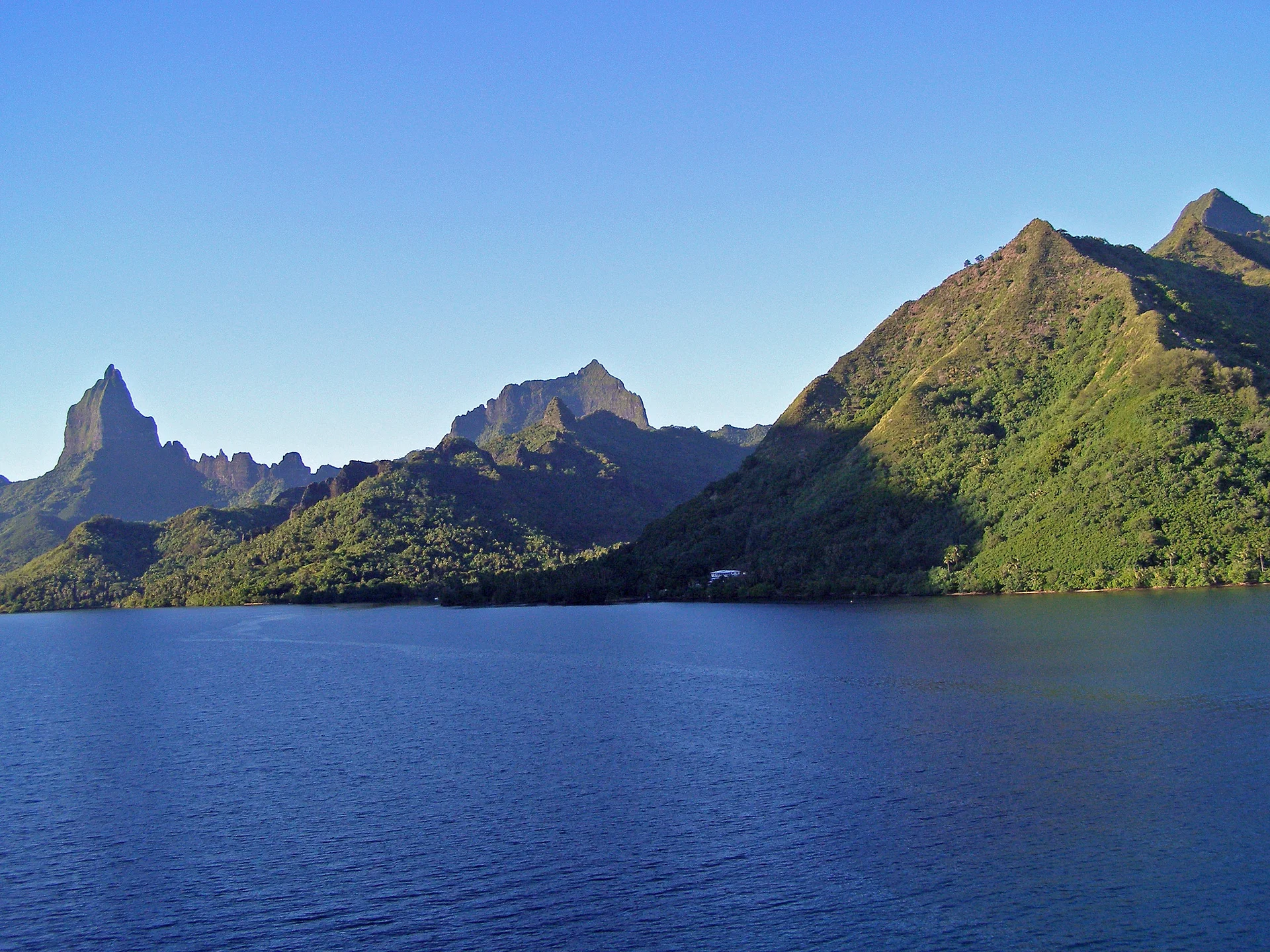
Just a 30-minute ferry ride from Tahiti, Moorea delivers the perfect mix of easy access and dramatic scenery. Its two signature inlets, Cook's Bay and Opunohu Bay, cut deep into jagged green peaks. The Belvédère viewpoint looks out over both bays and the interior pineapple plantations.
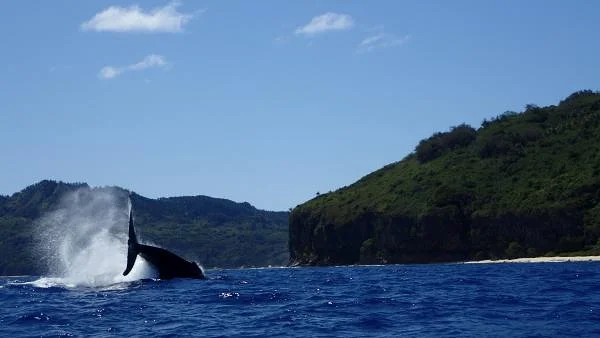
The island hosts active marine conservation projects like Coral Gardeners, where visitors can help out with coral reef restoration. Between July and November, humpback whales arrive to calve in the protected waters. Swimming near a mother and her calf is an unforgettable wildlife encounter.
Further northwest, Huahine keeps a low-key atmosphere far from mass tourism. Its archaeological ruins are among the best preserved in the territory, especially the ancient marae sites at Maeva. Surfers appreciate the steady breaks, though locals can be protective of their home waves.
Taha'a, the vanilla island
Taha'a produces a huge share of Polynesian vanilla, prized by top chefs worldwide for its intense aroma. Visiting a family-run farm shows how the meticulous hand-pollination and month-long drying process work. The island shares its sheltered lagoon with neighbor Raiatea, and travelers reach it by boat from the nearby airport.
Polynesian cuisine: From the reef to the table
Raw tuna, or poisson cru à la tahitienne, stands as the national dish. Fresh cubed tuna is marinated in lime juice, tossed with crisp vegetables, and finished with freshly pressed coconut milk. You will find it everywhere from casual roadside food trucks to upscale dining rooms, with every family passing down its own version through the generations.
The roulottes food trucks parked every evening at Vaiete Square in Papeete are a local institution. They set up tables right on the waterfront, serving hearty portions between $12 and $17* that include chow mein, grilled fish, and steak fries. Local families gather here for a relaxed dinner that offers a break from resort pricing.
Ma'a Tahiti refers to the traditional feast cooked in an underground earth oven known as an ahima'a. Pork, chicken, fish, breadfruit, and bananas slow-cook wrapped in banana leaves over hot volcanic stones. Many resorts put on these feasts complete with traditional dance performances, but community gatherings offer a more authentic feel. For dessert, po'e combines mashed bananas or papaya with cassava starch and rich coconut milk.
When is the best time to visit French Polynesia?
The dry season runs from May through October. Temperatures hover between 24 and 28 degrees Celsius, humidity stays manageable, and steady trade winds cool down the afternoons. This period also lines up with peak travel season, meaning you should book lodging and regional flights several months ahead. The Heiva festival in July celebrates indigenous culture with traditional dance and singing competitions.
The wet season lasts from November through April, bringing warmer temperatures, frequent downpours that usually pass quickly, and lower rates. The Tuamotus, being flat atolls that do not trap rain clouds, stay relatively pleasant even during these months. Cyclones are rare but possible. The shoulder months of April, May, September, and October offer a great middle ground with decent weather and smaller crowds.
A note on the Marquesas: their dry season is slightly shifted, with the most stable conditions occurring between August and December.
How to get to French Polynesia
From major US hubs like Los Angeles or San Francisco, direct flights to Tahiti take around 8 hours. Air Tahiti Nui and Air France fly nonstop from Los Angeles, while low-cost carrier French Bee operates flights from both San Francisco and Los Angeles to Papeete.
US and Canadian citizens do not need a visa for tourist stays under 90 days, and your passport must remain valid for at least six months beyond your return date. If you hold another passport and connect through the US mainland, budget for an approved ESTA submitted at least 72 hours before departure, which applies even to a simple plane change.
The time difference runs 2 to 6 hours behind the US mainland depending on your departure coast and daylight saving time. Give yourself a couple of days to adjust before jumping into strenuous activities.
Getting around French Polynesia
Regional flights are essential for moving between distant island groups. Air Tahiti serves dozens of islands, with ticket costs depending on the distance. Multi-island air passes save money if your itinerary includes multiple stops: budget around $510* for a pass covering four Society Islands.
Ferries provide a budget-friendly alternative within the Society Islands. The crossing from Tahiti to Moorea takes 30 minutes and runs about $17*. Passenger and car ferries also run to Huahine, Raiatea, Taha'a, and Bora Bora, though the open-ocean transit takes much longer.
On most islands, car rental is practically required. Expect to pay around $40* per day on Tahiti, with higher rates on the outer islands. A four-wheel-drive vehicle is helpful if you plan to explore rugged interior valleys or navigate unpaved tracks in the Marquesas. On smaller spots like Moorea or Bora Bora, renting a bicycle works well for short distances.
Friendly tip: On smaller islands like Maupiti, guesthouse owners almost always include airport transfers and bicycle use in the room rate. Check with your host before paying extra for a rental car you might not need.