
Essentials of Bora Bora
Villages and Local Life
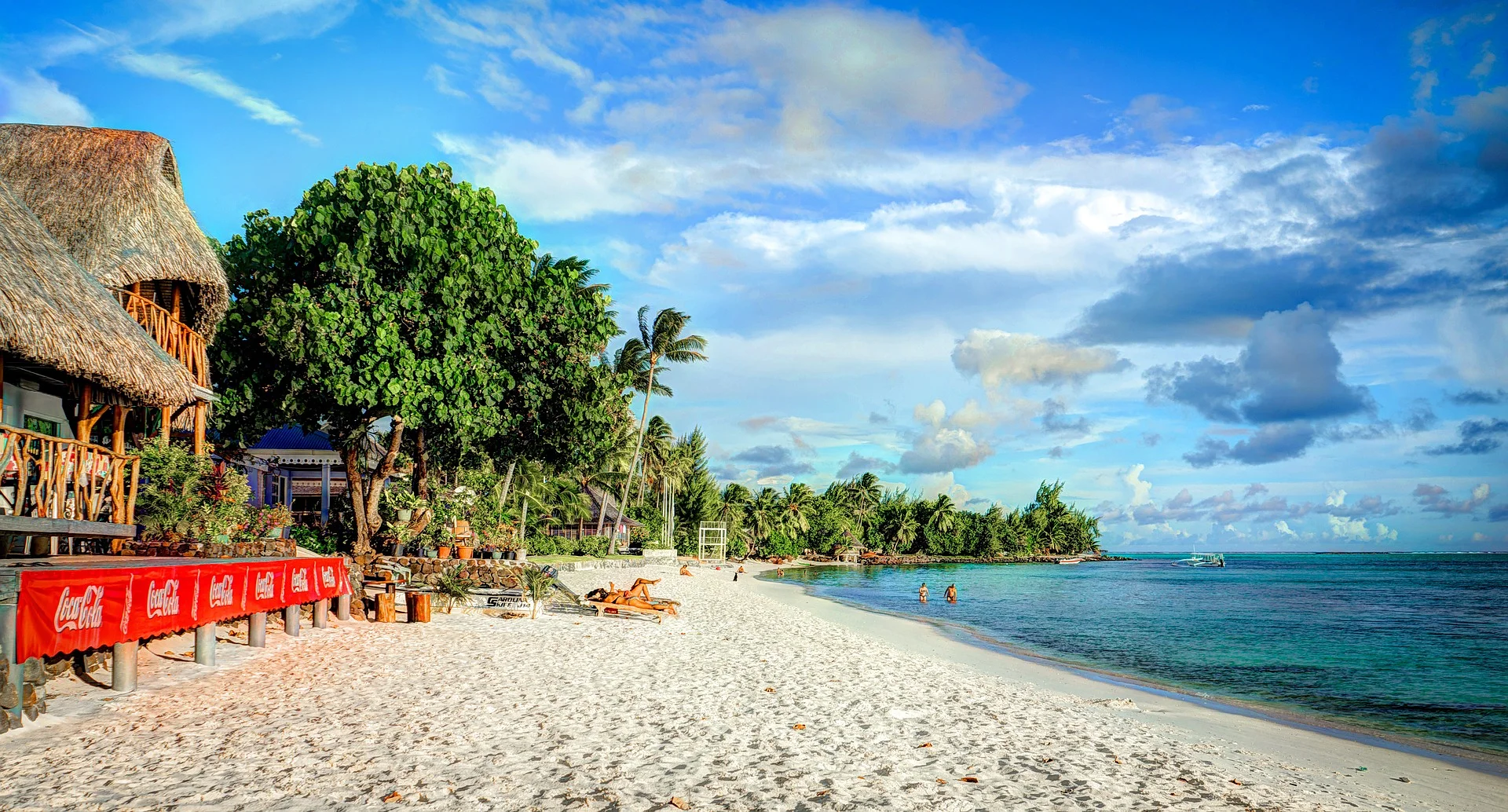
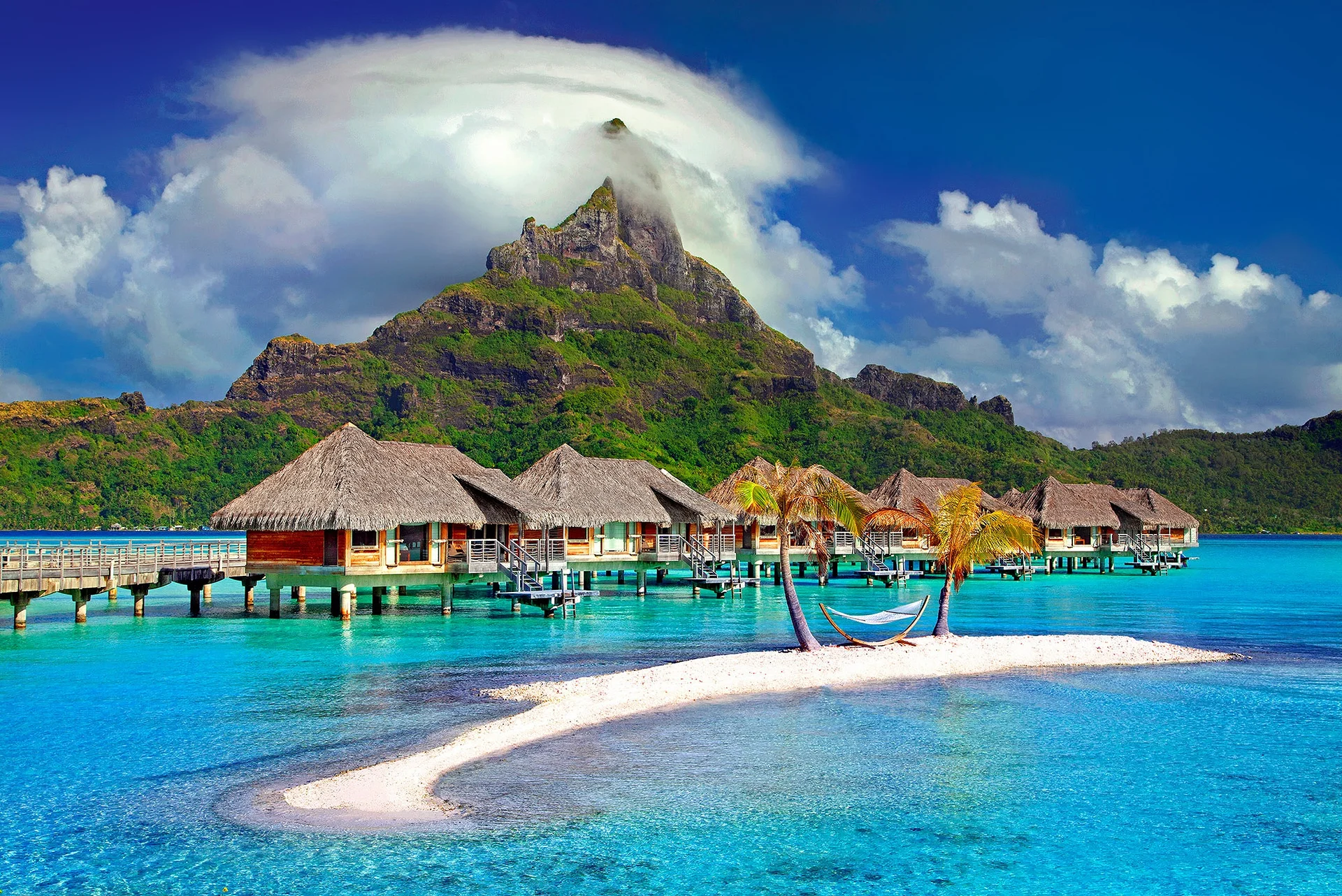
Located in the Society Islands of French Polynesia, the commune of Bora Bora consists of the main island and a ring of surrounding islets known as motus. While famous for its turquoise lagoon and high-end resorts, daily life centers around several villages that keep authentic Polynesian traditions alive.
Vaitape: The Administrative and Commercial Hub
Vaitape is the island capital and main economic center. Most of the local population lives here, alongside the town hall, the primary church, schools, and various shops. Vaitape also hosts a local market where residents and visitors gather to pick up tropical fruit, fresh fish, and handmade crafts. The Vaitape harbor is the main arrival point for ferry shuttles coming from the airport and incoming cruise ships.
Faanui: A Traditional Village
To the north, Faanui offers a quieter setting surrounded by lush greenery and historical sites. You will find ancient Polynesian stone temples called maraes here, which highlight the deep spiritual history of the island. Locals mainly work in farming, traditional crafts, and fishing far away from the heavy resort crowds.
Anau: Nature and Quiet Surroundings
On the eastern side, Anau is a small, family-oriented village with a slower pace. It is popular for its proximity to nature and cozy guesthouses. Life here moves to a traditional rhythm, framed by coconut groves and open views of the lagoon.
Beyond the Resort Scene
Even with its massive tourism industry, Bora Bora stays deeply connected to its roots, with each village holding its own distinct character. Exploring these areas gives you a much better feel for the island beyond the standard travel brochure images.
Step away from the luxury hotels to meet the residents of Bora Bora and try some local dishes. Seafood takes center stage here, with fresh catches served raw or cooked in traditional preparations.
When it comes to crafts, Polynesian art stands out through wood carvings, woven baskets, and local paintings. Many visitors miss the cultural side of Bora Bora, but the island actually houses a Maritime Museum with a private collection of model ships. History enthusiasts can also seek out historical remnants scattered across the island, including ancient stone foundations, storage pits, and old cannons left behind by the US military.
How to get there
Plan for a long trip to reach this remote destination, though from the West Coast it is closer than it looks: Los Angeles to Papeete is a single nonstop flight of about eight hours, and a 50-minute hop finishes the journey. A round-trip flight to Tahiti generally runs from $790 to $1,350* depending on the season. From there, short daily regional flights connect directly to the island of Bora Bora.
I loved everything about it.