
Visiting Vigo
With one foot in the ocean and the other in modernity, Vigo strikes a rare balance. This Galician port town beats to the rhythm of its sprawling bay while carving out a reputation as an avant-garde hub of underground culture and urban renewal. Sheltered by mountains and looking straight out at the Cíes Islands, the only maritime national park in the Iberian Peninsula, it stands out as one of the most surprising destinations in Spain.
A Destiny Tied to the Ocean
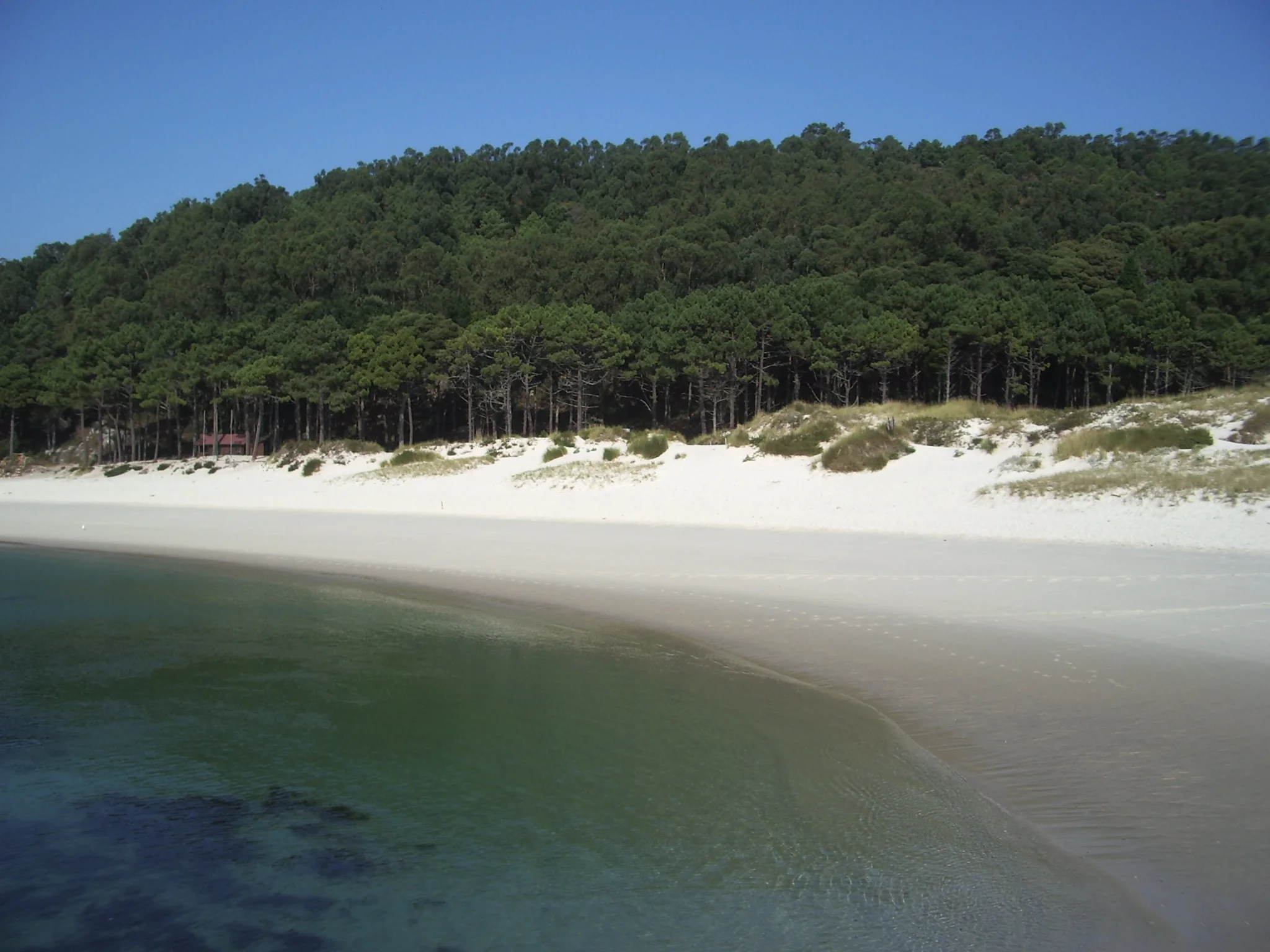
Surprises come at every turn here, starting with the striking coastal scenery. Fine sand and crystal-clear waters give the local beaches a run for their money against far more famous resort towns. The tourist bus can take you straight from downtown to the sand in just ten minutes. Part of Vigo's charm is its variety of beaches: keep it intimate at La Sirenita, head to Samil for a buzzing scene with playgrounds for kids, or hunt down a wild cove just by following the coastline.
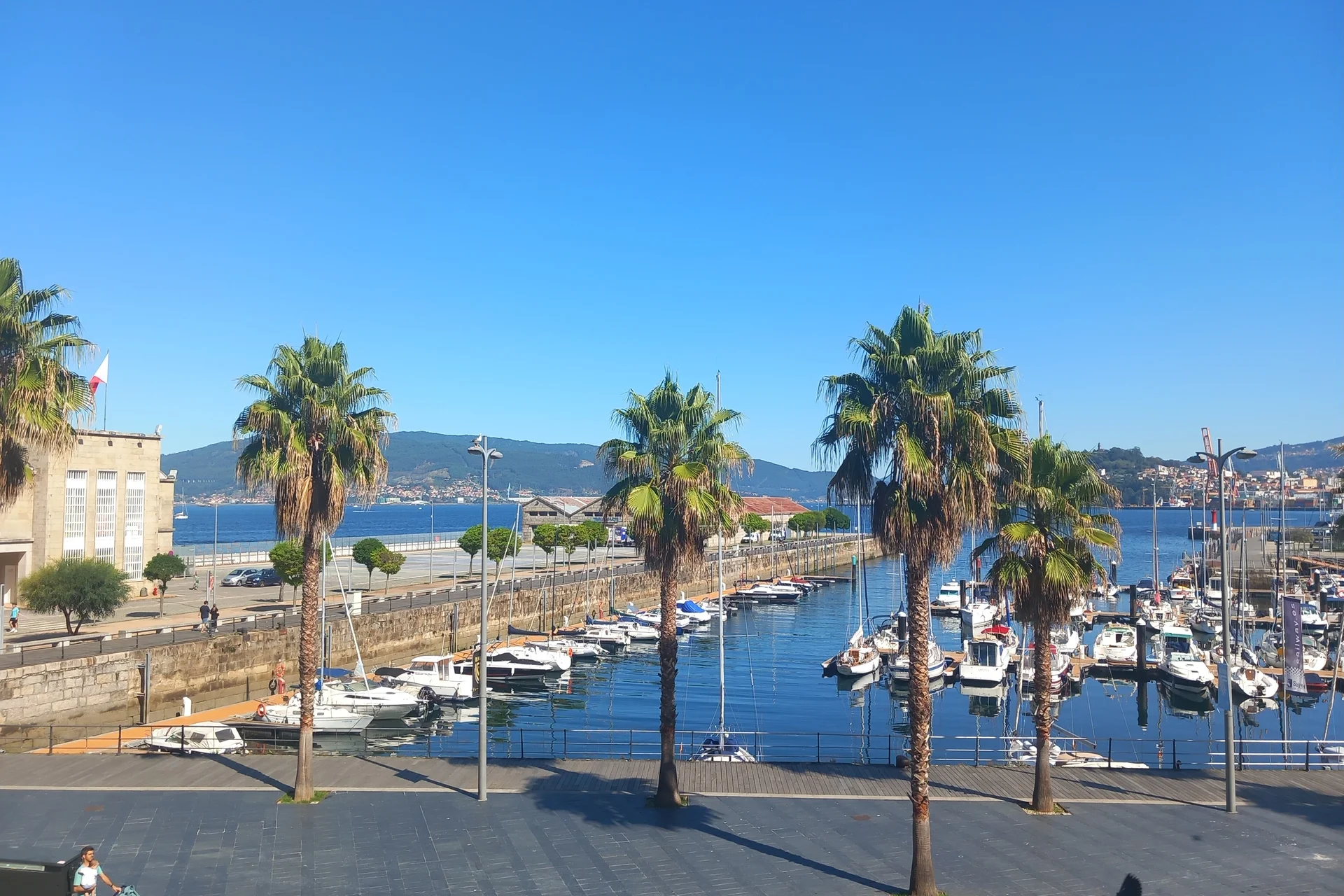
Water shapes everything in Vigo. Fishing has defined this Rías Baixas gem since Roman times, and the marinas pull you right into the maritime flow. Rent a boat with or without a skipper, learn the ropes of sailing, try water skiing, or go scuba diving. The O Berbés fishing quarter is famous for its fishmongers and lively markets. Down at the auction hall at dawn, the fish auction puts on a real show that you simply have to witness.
Food lovers head straight for calle Pescadería, where oysters take center stage, served fresh off the floating rafts with a chilled glass of local albariño white wine. Between langoustines, mussels, and spider crabs, seafood platters or mariscadas are standard on menus everywhere. Galicia takes food seriously, from beef prized for four millennia, best tried as churrasco, the regional style of barbecue-to exceptional local cheeses.
A City of Many Sides
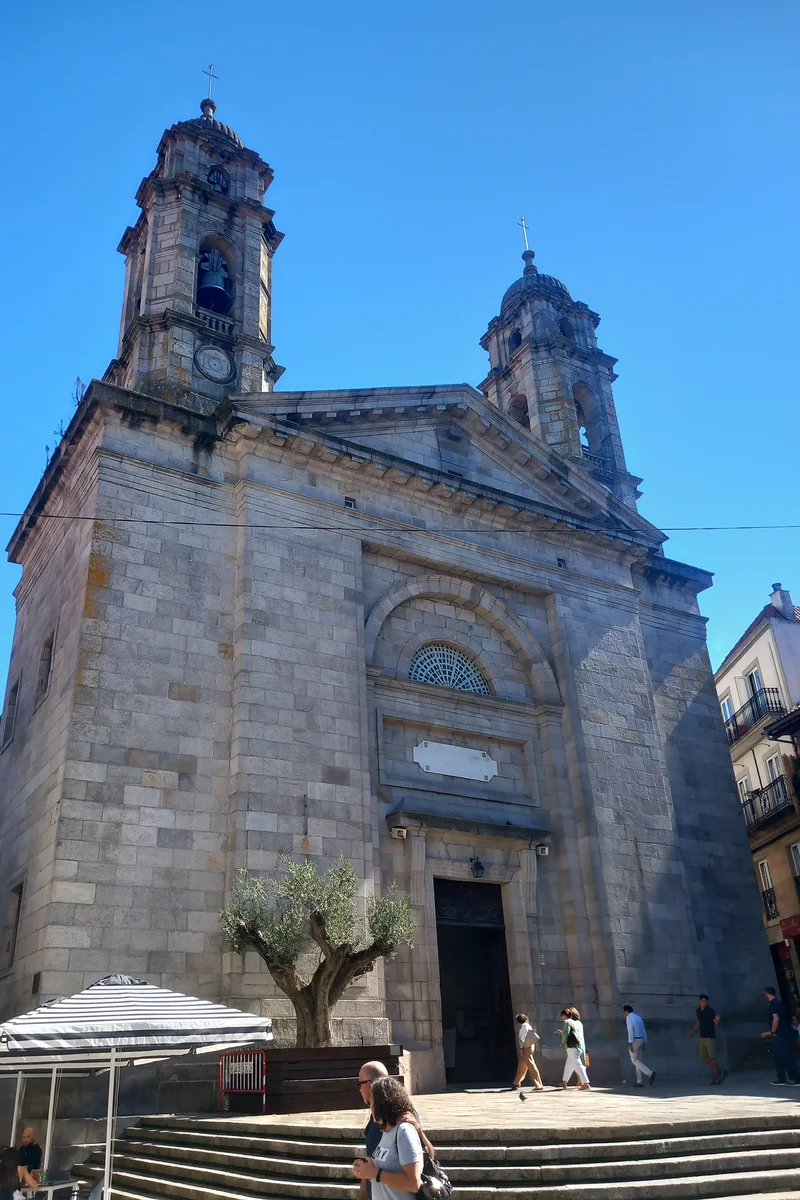
Walk a few blocks away from the salty air of the port and you are right in the middle of a dynamic city divided into traditional parishes, an administrative quirk that blends dense urban pockets with green spaces. The historic center buzzes with commerce and art galleries. Check out the stone arcades of place de la Constitución, the imposing church of Santa Maria and its Cristo de la Victoria, the Maritime Museum detailing the city's deep connection to the ocean, and the cutting-edge Marco contemporary art center. Everything blends together seamlessly here.
At la Porta do Sol, look for the public sculpture by Francisco Leiro, the city's official emblem. It leads right into modern Vigo, specifically the Ensanche quarter with its pedestrian streets, concert venues, restaurants, and avenues leading up to the Monte do Castro viewpoint. Urban parks add even more variety: Quiñones de León features French and English gardens alongside a rose garden, while la Guía offers pine trees, oaks, views of the ria, and a hermitage built like a baroque temple. Far from just a beach town, Vigo layers centuries of history, modern sculptures, seigneurial stone buildings, local liquor distilleries, dramatic cliffs, romantic belvederes, hiking trails, and even a zoo. And let us not forget its top-tier La Liga soccer club, Celta Vigo, which is a massive part of local life.
When to Go?
The climate is temperate and mild with generally dry summers. January and February bring the chill, and rain can show up without warning between October and May, which is simply the reality of Galicia. Aim for June through September for the best weather. If you want local culture at its peak, head here between late March and early April for the raucous Reconquista da vila de Vigo festival.
How to Get There?
Vigo is easy to reach. The local airport handles daily flights connecting through major Spanish hubs. With two train stations right in the center, rail is a strong option, with high-speed and intercity trains running straight from Madrid. International bus lines serve the city regularly, and driving is straightforward thanks to a well-maintained highway network. If you prefer cruising, four separate port terminals await incoming ships.
Getting Around
Driving around Vigo is manageable, and parking garages are easy to find. Since it is a sizable city with plenty of hills, if you prefer not to drive, you can rely on the urban bus network operated by Vitrasa. Walking is the best way to uncover the city's hidden corners, just be ready for some steep inclines along the way.
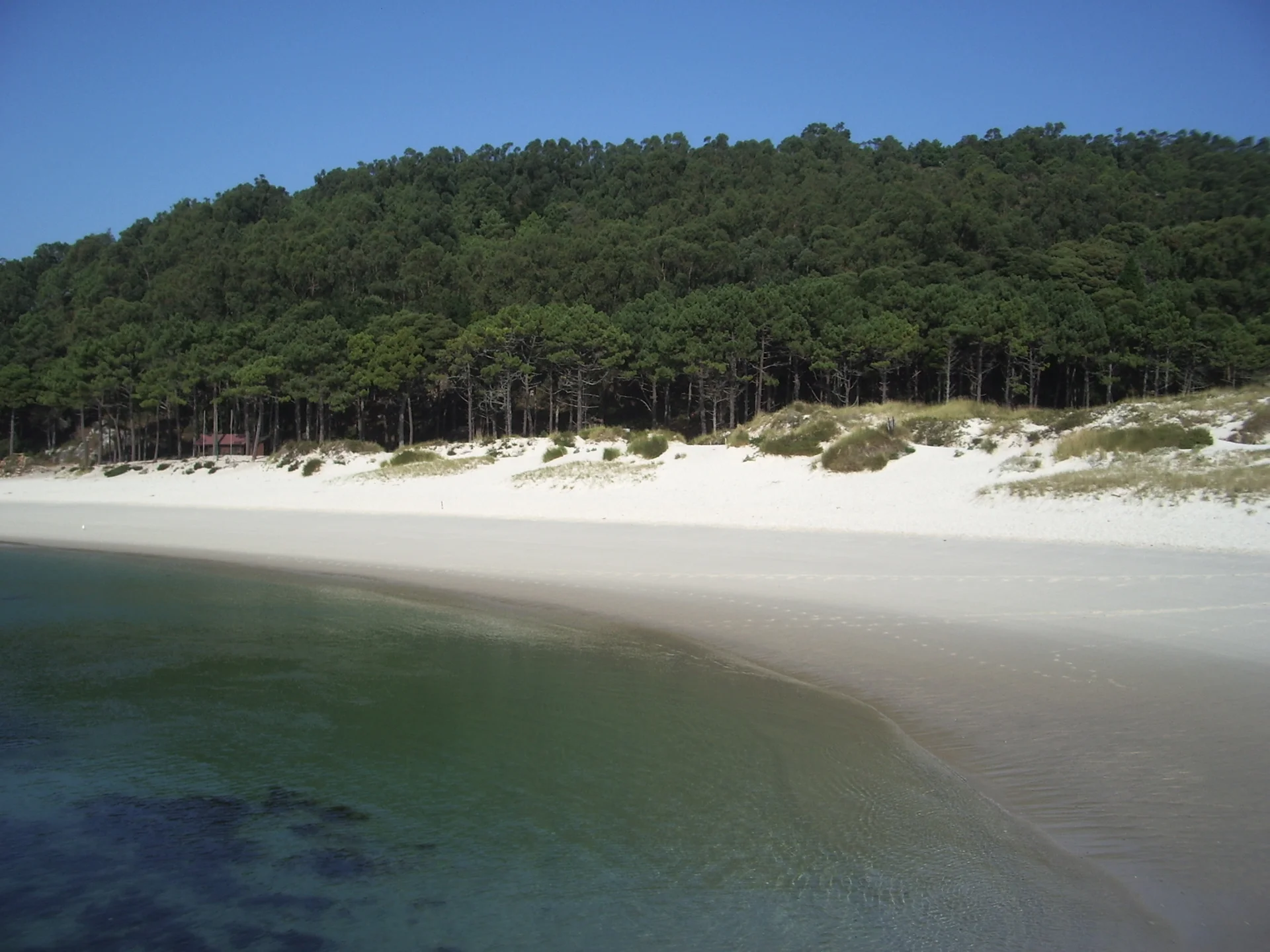
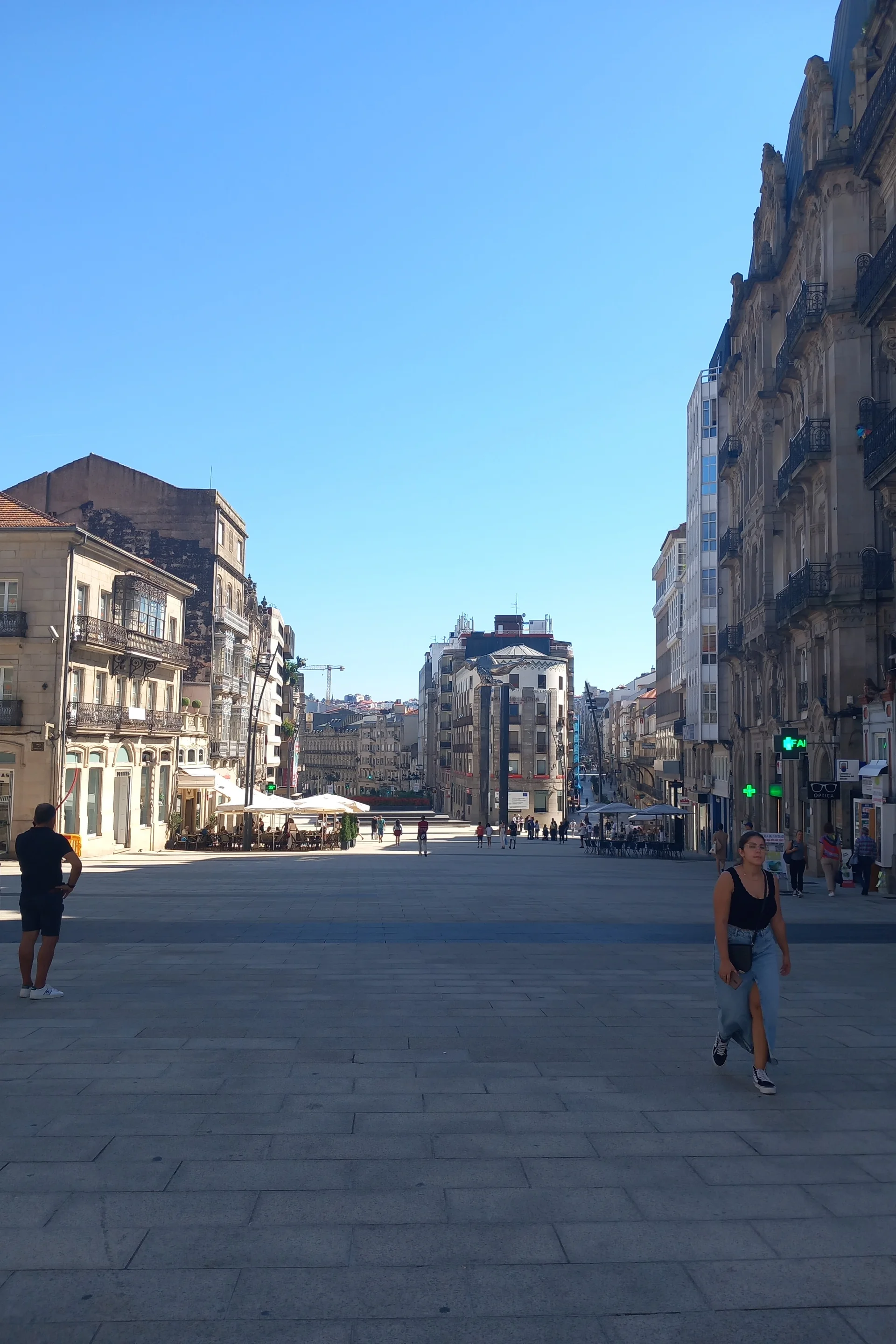
Galicia is mostly visited for Santiago de Compostela. Vigo might give the impression of being just an industrial and port city. Well, think again! The old town is picturesque, a hilltop castle offers you lovely panoramas of the bay and the coast, and there are a few religious monuments with beautiful architecture. Above all, if you love nature, there are many shuttles that serve the Cies Islands, which I absolutely loved visiting.