
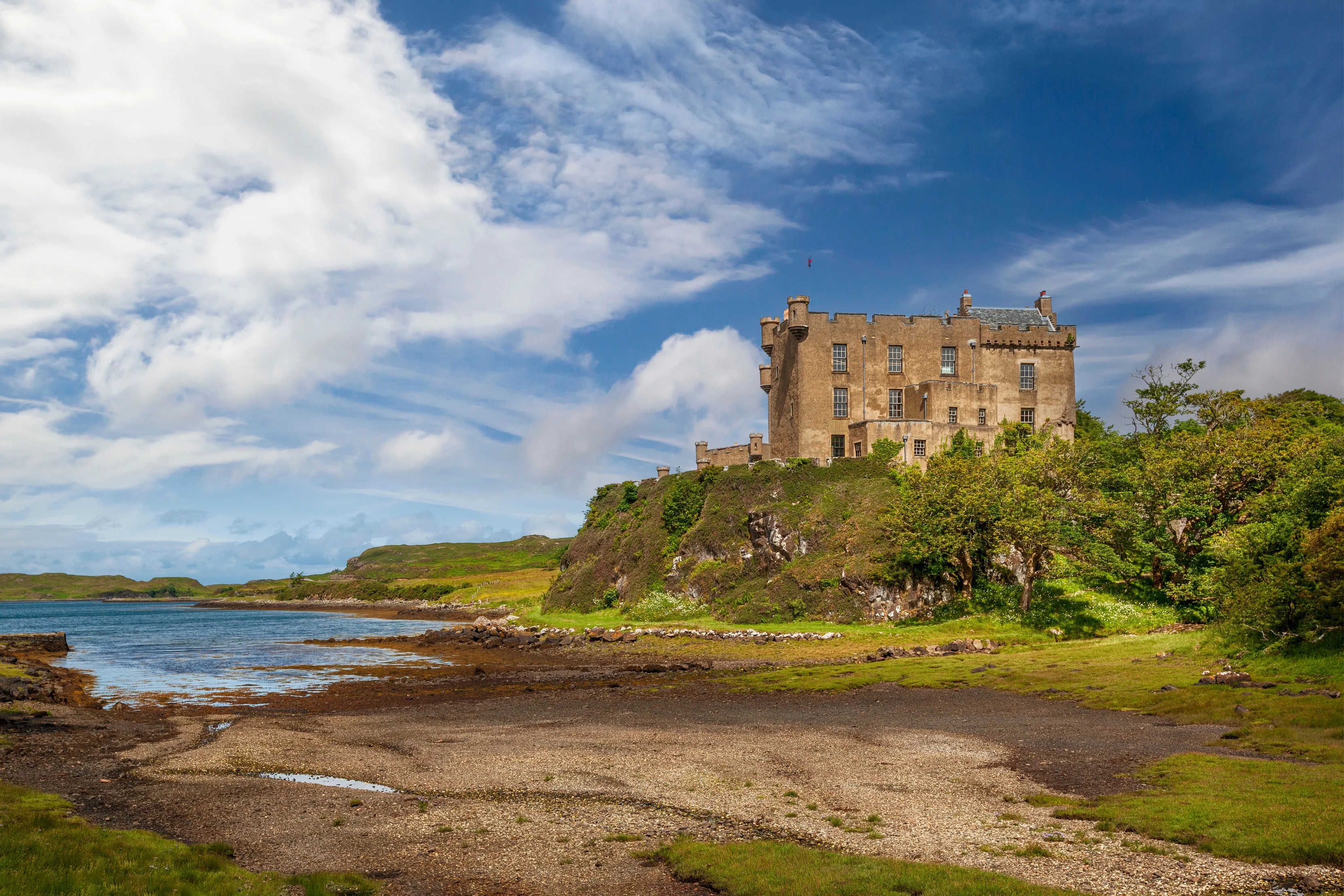
Isle of Skye, where the clouds meet the earth
The Gaelic name for Skye is Eilean a' Cheo, or the Isle of Mist. This is no marketing fluff. Clouds cling to the peaks of the Cuillin mountains, spill into the glens, and wrap around the winding roads. In just a few hours, you will cycle through bright blue skies, horizontal rain, and double rainbows over a loch. This fickle weather is part of the experience. Up until 1995, you could only reach Skye by ferry. Today, a free bridge connects it to the mainland, yet the island has lost none of its wild isolation.
An island for the rugged, not the faint of heart
Skye is for hikers, photographers, and dreamers who do not mind getting soaked. The island is 50 miles long and 25 miles wide, yet you are never more than 5 miles from the sea. Narrow, single-lane roads with passing places require patience. Cell service is essentially non-existent outside of the villages. Sheep cross the road whenever they please.
If you are looking for crowded beaches, shopping malls, or a nightlife scene, look elsewhere. Accommodations must be booked months in advance for the summer. Restaurants will be full if you do not have a reservation. Midges, the ferocious Scottish biting flies, will swarm you from June through August as soon as the wind dies down. But for those who accept these terms, Skye offers landscapes found nowhere else in Europe.
Budget: Rural Scotland comes at a price
Expect to pay £80 to £120 ($100 to $150) per night for a decent B&B, and more for a boutique hotel. A restaurant meal typically runs £15 to £30 ($20 to $40). Car rentals from Edinburgh or Glasgow start at about £30 ($40) per day. Admission to Dunvegan Castle is £16 ($20) per adult.
The Trotternish Peninsula: The wild north
The north of the island holds the most dramatic scenery. The Old Man of Storr, a 165-foot rock pillar visible from the road, draws heavy crowds. The hike to the base takes about an hour round-trip. The trail is steep but manageable for the average walker.
Further north, the Quiraing is the largest landslide in the UK. The 4-mile loop trail snakes between rock pinnacles, grassy plateaus, and dizzying cliffs. On a clear day, you can see all the way to the Outer Hebrides. The parking lot is often full by 9:00 AM during the summer.
Pro tip: Arrive at the Quiraing before 8:00 AM or after 5:00 PM to avoid the crowds and catch the best light. The sunset is memorable if the sky cooperates.
Kilt Rock and Mealt Falls
These basalt cliffs drop 200 feet into the sea. The name comes from the vertical columns that resemble the pleats of a Scottish kilt. A viewing platform allows you to see Mealt Falls as it spills directly into the ocean. Access to the site is free, though parking is paid.
The west side: Castles and distilleries
Dunvegan Castle has dominated the loch of the same name for 800 years. It is the oldest continuously inhabited castle in Scotland and still belongs to the Clan MacLeod. Inside, you can see the famous Fairy Flag, a silk banner that legend attributes to the fairies. The botanical gardens are worth an hour of your time. Boat trips to see seal colonies depart directly from the castle.
A few miles away, the Talisker distillery produces some of the peatier whiskies in Scotland. The guided tour lasts about an hour and includes a tasting. Book online, as slots fill up fast. A second distillery, Torabhaig, opened in 2017 in the south of the island.
The Fairy Pools and Glen Brittle
The Fairy Pools have become the most photographed spot on Skye thanks to social media. These natural basins of crystal-clear turquoise water flow down a stream at the foot of the Cuillin. The walk takes about 90 minutes round-trip. Some brave visitors swim here, though the water rarely exceeds 50°F.
The paid parking lot is constantly overflowing from May through September. The trail can turn muddy after rain. The magic is much easier to find early in the morning or during the off-season, before the tour buses arrive.
Pro tip: If the Fairy Pools are too crowded, head to Talisker Bay. It is a black sand beach that is much less busy, accessible via a 30-minute walk.
Neist Point and the end of the world
The Neist Point lighthouse marks the western tip of the island. The road to get there is so narrow that passing another vehicle is a genuine challenge. From the parking area, a path leads down to the lighthouse in 20 minutes. The cliffs offer a panoramic view of the Outer Hebrides. It is one of the best spots to watch for whales and dolphins between April and September.
Where to eat and drink on the Isle of Skye?
The culinary scene on Skye is built on seafood. The Oyster Shed, near the Talisker distillery, serves oysters, crab, and lobster in a rustic setting. The Chippy in Portree has won several awards for its fish and chips. For fine dining, the Loch Bay restaurant near Dunvegan holds a Michelin star.
The legendary Three Chimneys, regularly ranked among the best restaurants in Scotland, offers a tasting menu focused on local ingredients. Book several weeks in advance. For a simpler meal, village pubs serve cullen skink, a creamy smoked haddock soup typical of the Highlands.
Where to stay on the Isle of Skye and nearby?
Portree is the most practical base, with the widest selection of shops and restaurants. The colorful houses on the harbor make for the classic island postcard. For a quieter vibe, B&Bs around Broadford or on the Sleat peninsula offer spectacular views.
The Skeabost Hotel combines Scottish charm with access to a private salmon river. Kinloch Lodge, in the south, offers a manor house experience with a gourmet restaurant. For tighter budgets, there are several youth hostels in Portree and Broadford. Campgrounds allow you to sleep as close to nature as possible, provided you can handle the midges.
How to get to and around the Isle of Skye?
From the US, fly into Edinburgh or Glasgow, then expect a 4.5 to 5-hour drive. Flying into Inverness cuts the travel time to 2 hours. Citylink buses run from Edinburgh, Glasgow, and Inverness to Portree, but a car is essential to explore the island properly.
The CalMac ferry connects Mallaig to Armadale in 30 minutes. This crossing is a more romantic arrival than the bridge, but spots must be reserved in advance during the summer. A small private ferry operates between Glenelg and Kylerhea from Easter through October. Once on the island, the single-lane roads require patience and courtesy at passing places.
When to go?
May and June combine the longest days with manageable crowds. April stays cool, but the landscape turns green. Summer brings the crowds and the midges. Autumn brings vibrant colors and fewer tourists, at the expense of shorter days and harsher weather. Winter is great for photographers seeking dramatic light, but some roads can become impassable.
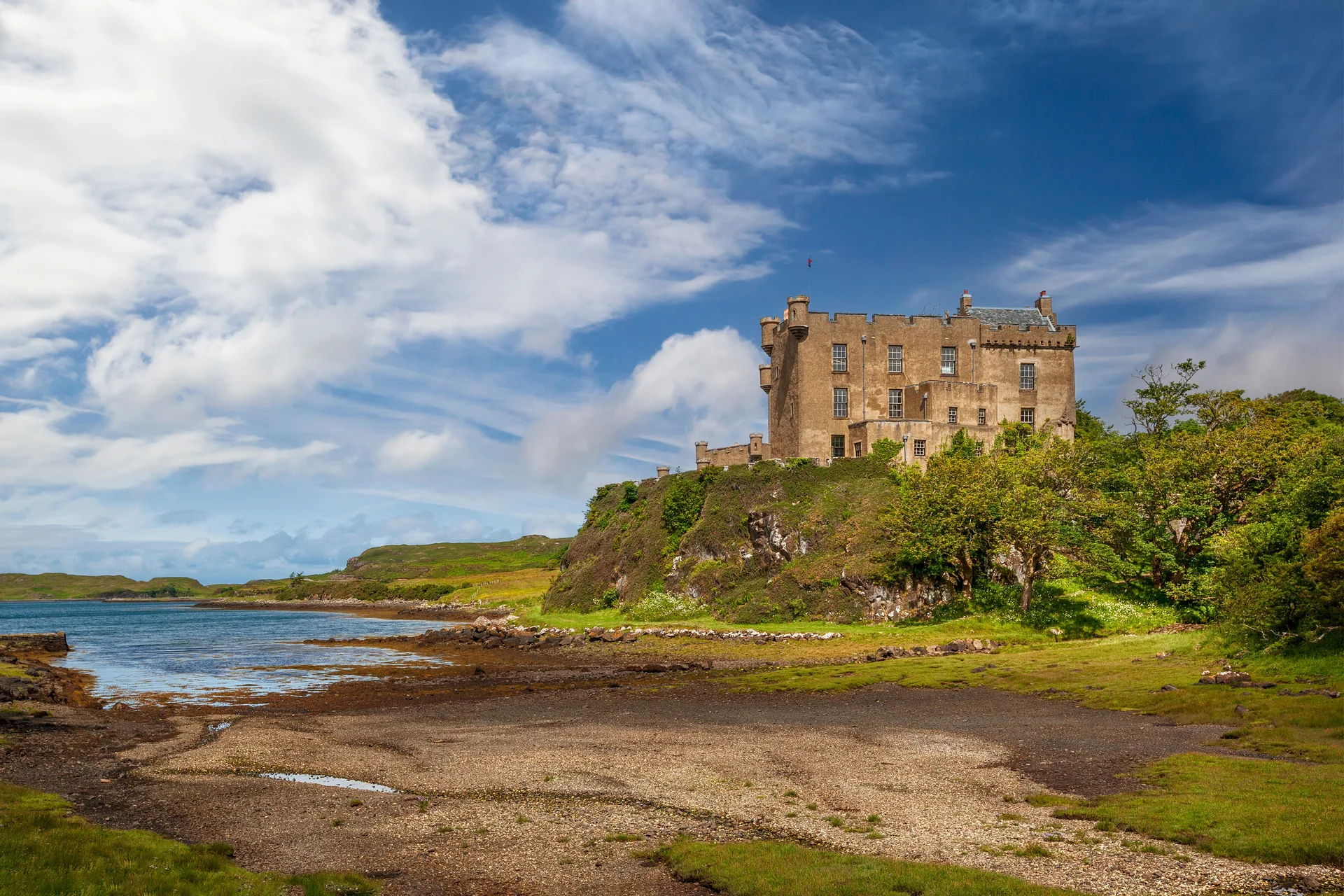
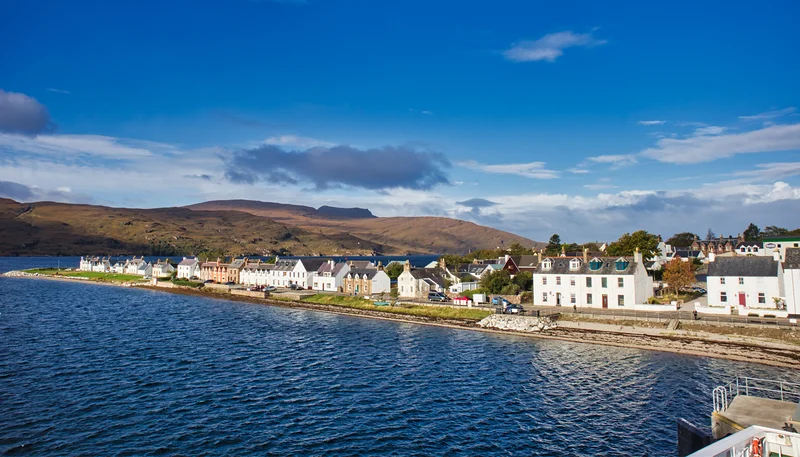
If you are short on time for your trip to Scotland, for example only one week, I recommend a stay on the Isle of Skye. It is a true little taste of Scotland in terms of landscapes, culture...
You can get there by the ferry that leaves from Mallaig or by road. A must-visit at least once in your life :)