
Birmingham at a glance
As England's second-largest city, located in the heart of the country, Birmingham stands out for its deep industrial roots, its role as a hub for international conferences, and its major universities. It is a cosmopolitan and active city. You might be surprised by the 571 parks that make it surprisingly green, or the bucolic canal network that connects the city to Worcester. You will likely find plenty of opportunities to hit the local pubs and explore the city's global food scene, which features around 30 different international cuisines.
The climate is temperate oceanic, meaning you can expect cold winters, cool summers, and frequent rain.
A deep dive into industrial history
Start your trip at the Black Country Living Museum to travel back in time to the heart of the coal mining era. The costumed interpreters and the Victorian-era living spaces recreated for the site provide a realistic look at the past. Follow this up with a visit to the Back to Backs. These small, red-brick row houses were built around a central courtyard and offer a clear look at how working-class families lived during the height of the industrial age.
The Museum of the Jewellery Quarter focuses on the history of the Smith & Pepper family jewelry business. You can see how the craft evolved and even participate in jewelry-making workshops. At the Pen Museum and Shop, you will learn everything about pen nib manufacturing and the rivalries between different makers. The team there is enthusiastic and might just make you want to pick up a pen and paper again.
If you have some extra time, stop by Sarehole Mill. This charming spot served as inspiration for Tolkien, the legendary author of The Lord of the Rings.
A welcoming, multicultural, and active city
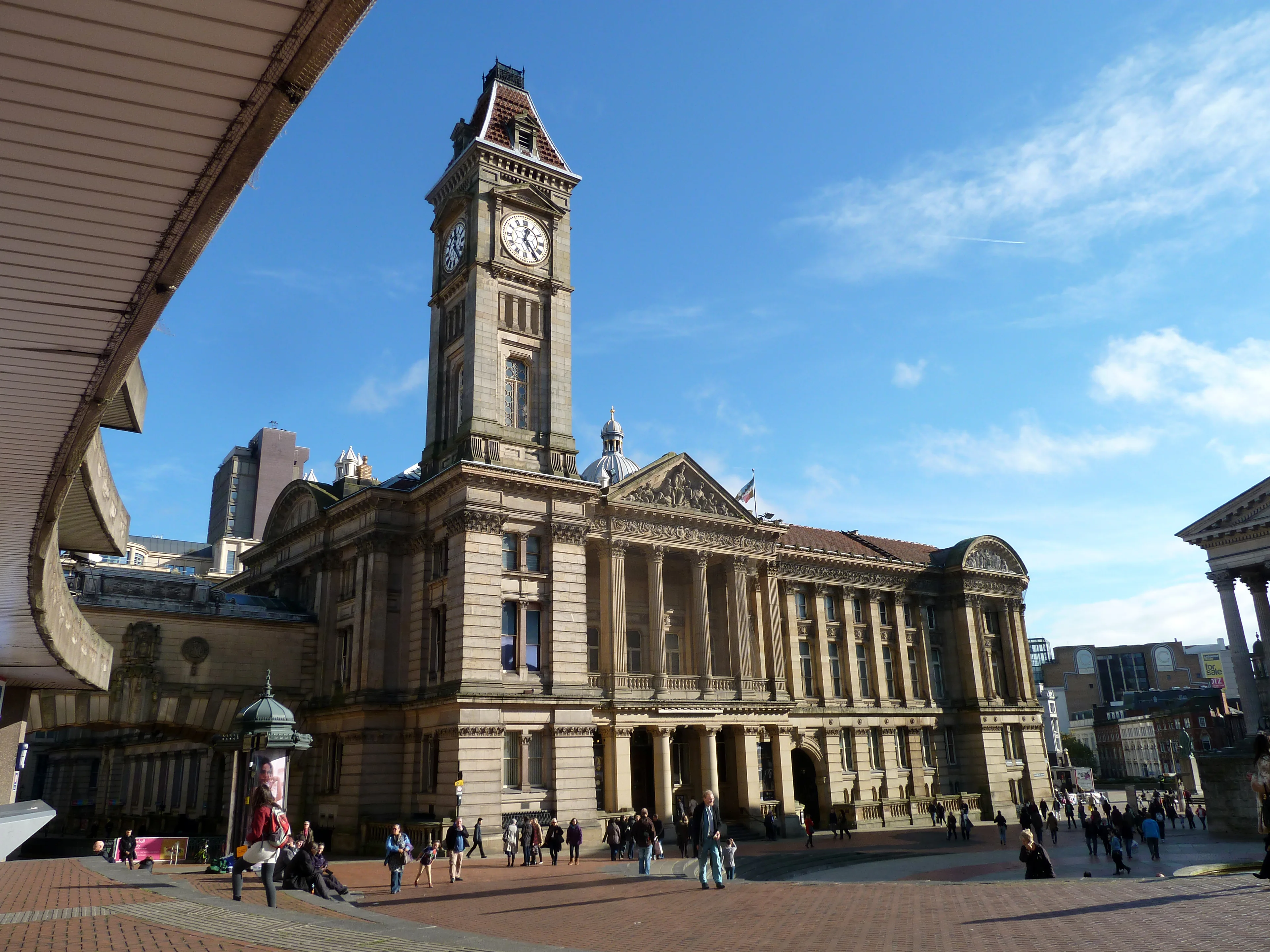
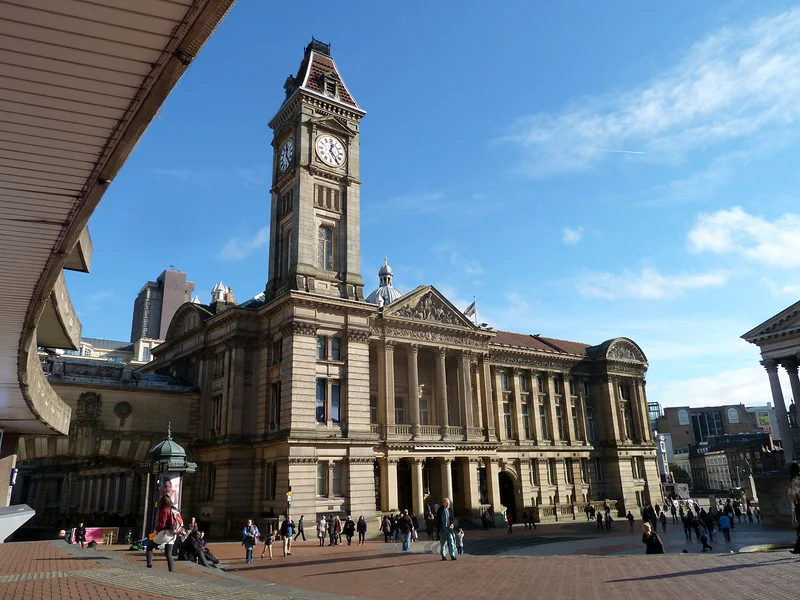
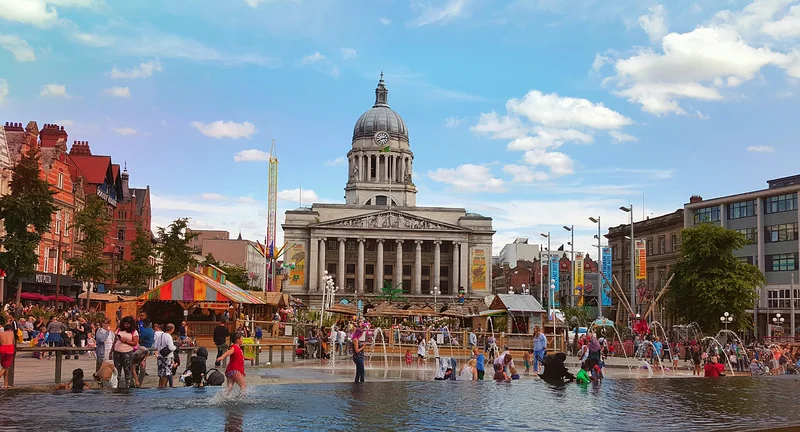
Head to St Philip's Cathedral, an Anglican gem located near the Town Hall, which is a striking neoclassical concert venue. The city's symphony orchestra is highly regarded, so try to catch a performance if you can. Spend some time in Victoria Square, a gathering spot for locals known as Brummies, before heading over to Aston Hall, a magnificent Jacobean mansion.
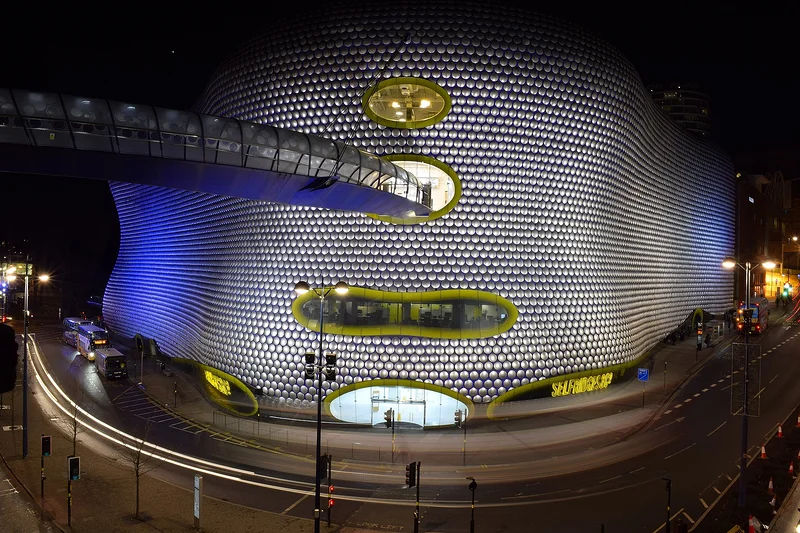
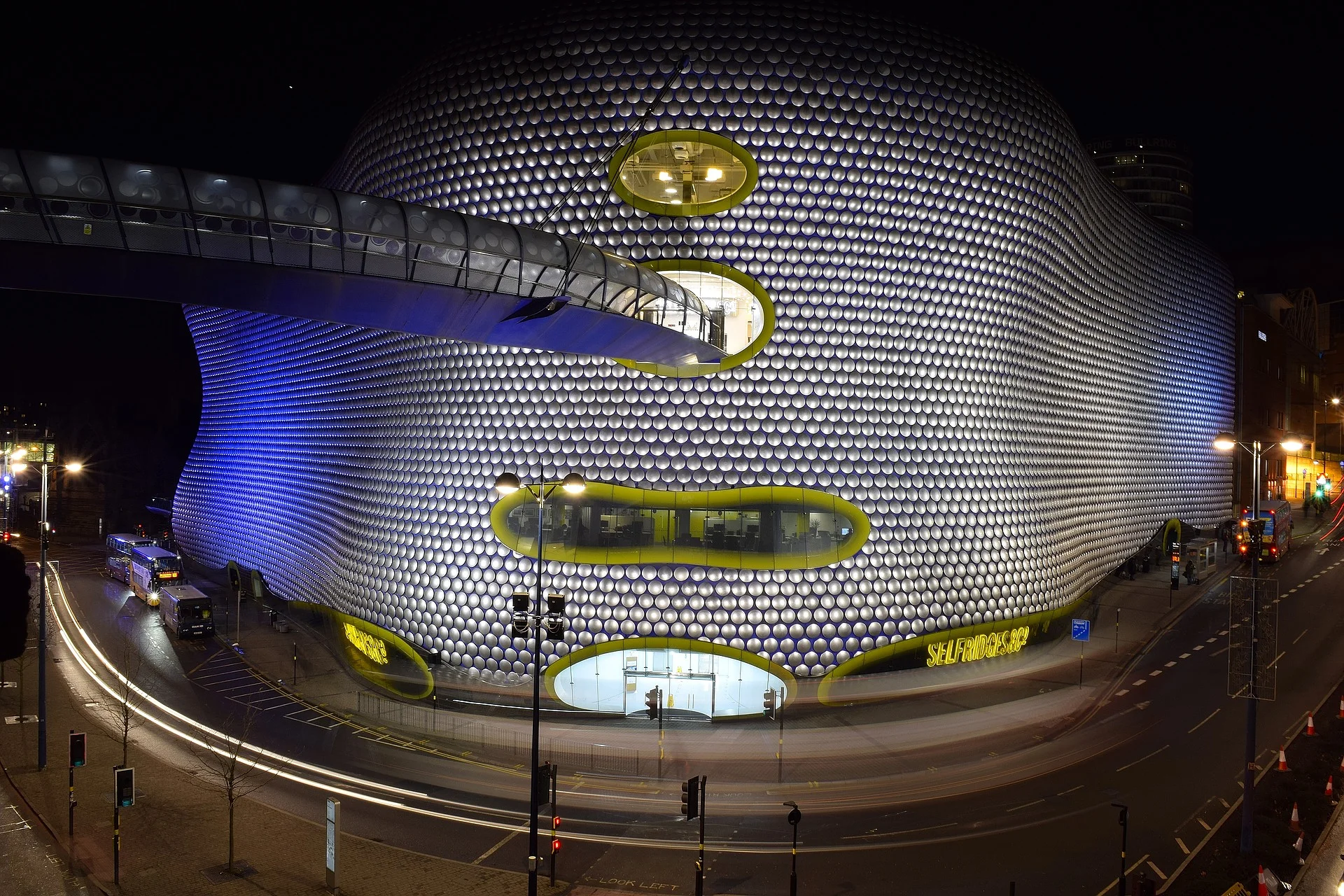
If you are looking to shop, head to the flashy Bull Ring, a massive complex that serves as an impressive extension of the train station. For something a bit more upscale, try The Mailbox.
Art lovers should visit the Birmingham Museum and Art gallery (BMAG). Admission is free, and the collection covers the city's history while housing a significant range of ceramics, jewelry, and wrought ironwork. For a more contemporary feel, visit the Ikon Gallery. At the Thinktank Birmingham Science Museum, which functions similarly to the science centers found in major US cities, there are plenty of interactive exhibits for all ages.
If you are traveling with children, take them to Cadbury World, named after the famous British chocolate maker. They can learn about the history of cocoa and the brothers behind the brand, and participate in interactive workshops. Other family-friendly options include the aquarium at the National Sea Life Center, Legoland, and Sandwell Valley Country Park.
When to go
Summer is the best time to visit Birmingham.
How to get there
Taking the train or flying into London and catching a connecting train to Birmingham (about an 80-minute ride) is the most efficient way to arrive.
Major airlines offer daily direct flights from Paris to London. Budget carriers also provide frequent connections from various regional French cities to the UK.
Getting around
Walking is the best way to see the city center. If you need a break, the bus network covers the area thoroughly.
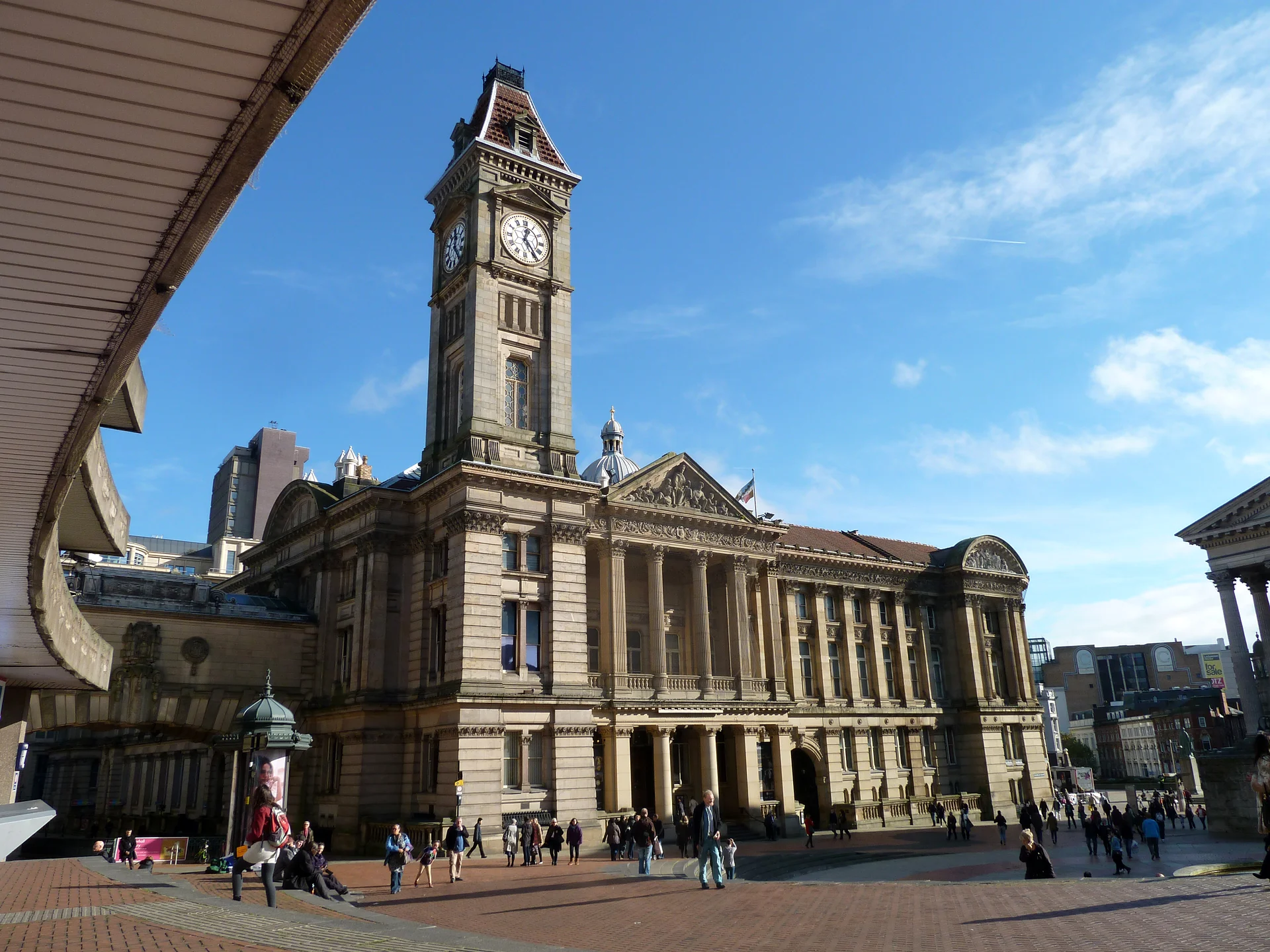
In Birmingham, it feels like a small town because there are no high-rises (unless you are really in the center) and there is a lot of greenery and parks. However, it still remains a big city with all the advantages that come with it.