Visiting Praia a Mare
Tucked between a wall of rock and the shoreline of the Gulf of Policastro, Praia a Mare is a Calabrian gem. While farming and fishing defined its past, the town now caters to travelers seeking an authentic Italian escape. Set against the Tyrrhenian Sea with six kilometers of beach, the village balances a relaxed pace of life with plenty of opportunities for outdoor activity.
An island of incredible caves
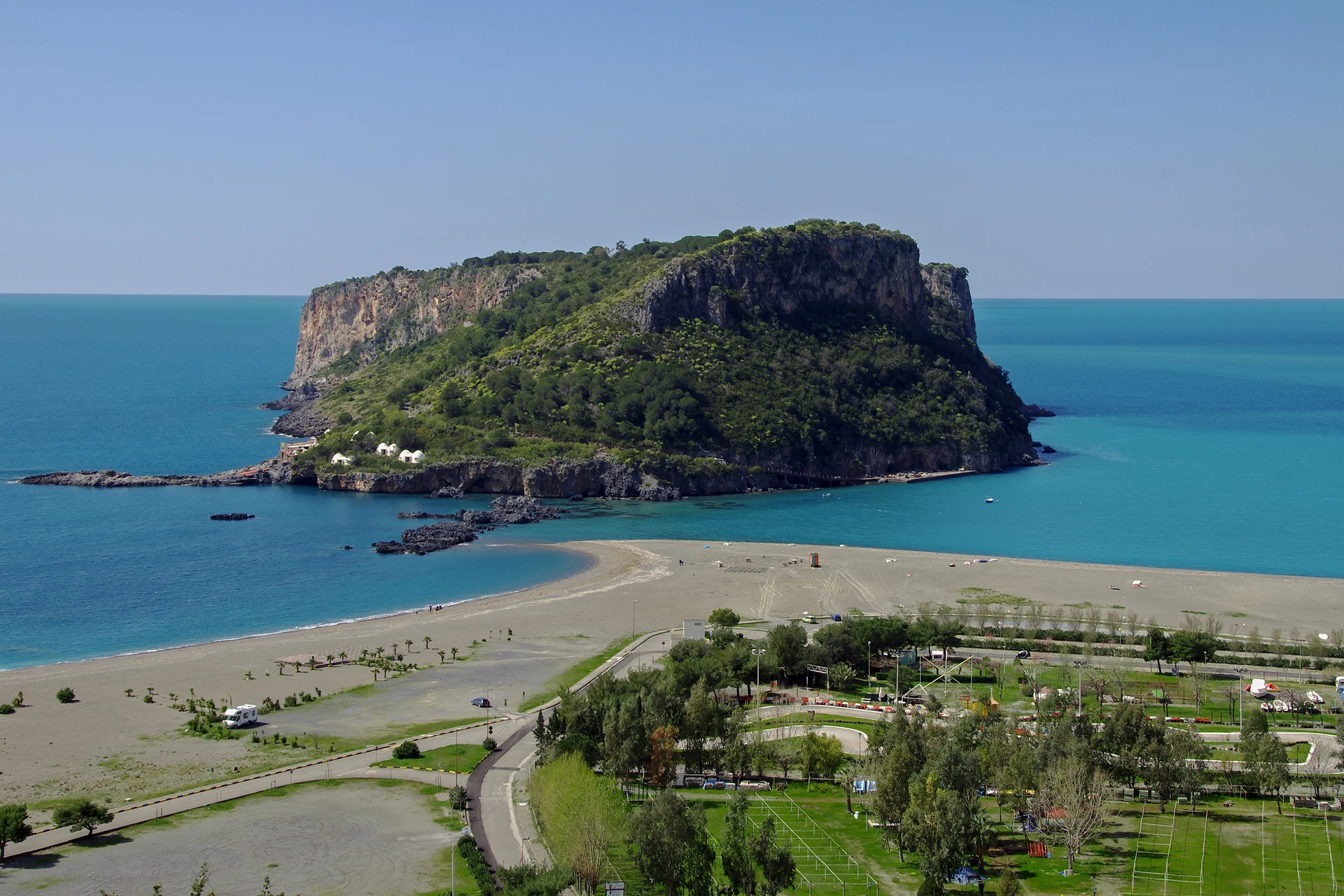
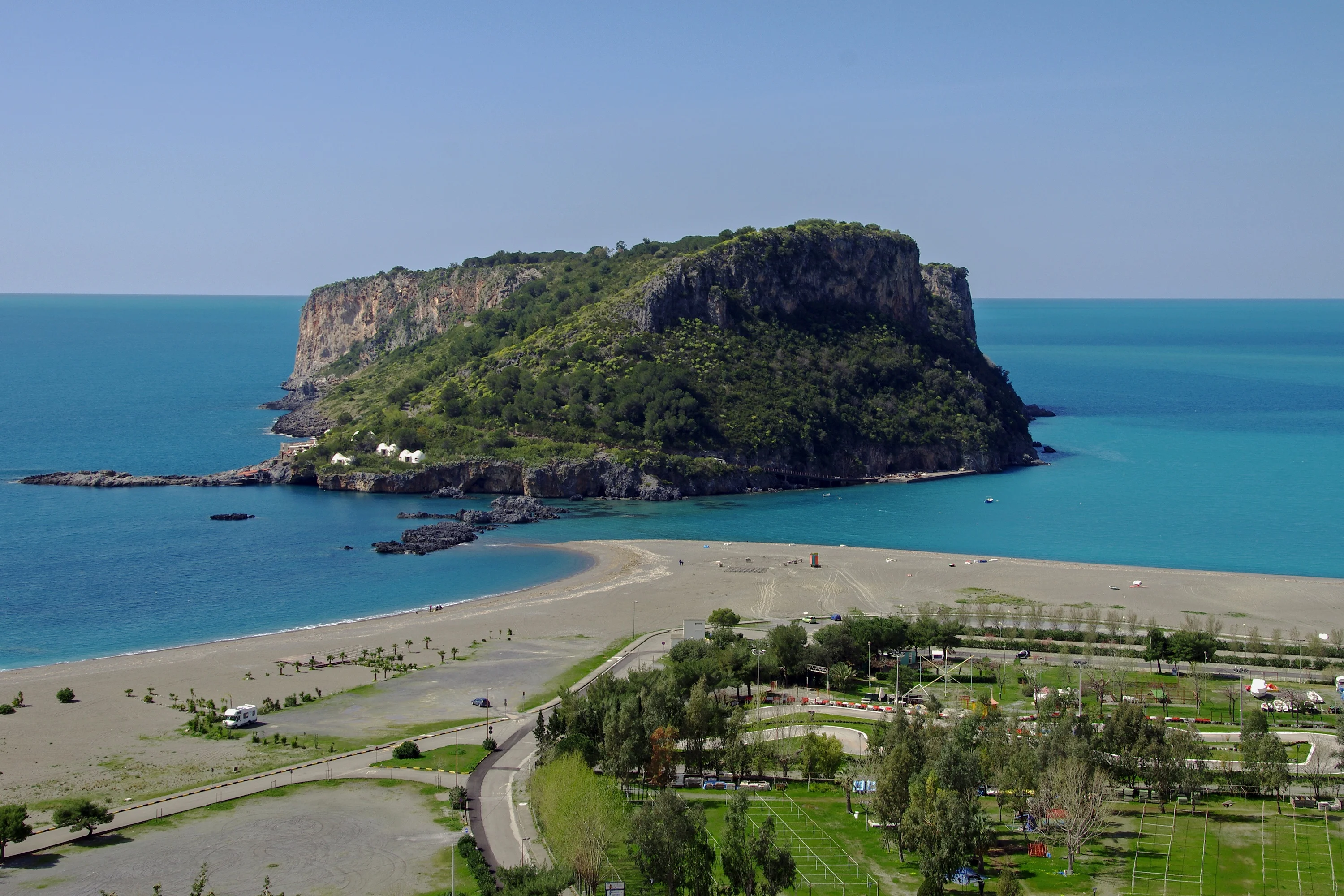
Looking along the coast, you will notice the shoreline is divided into neat, often color-coded squares occupied by rows of umbrellas and lounge chairs. These are private lidos, and while access typically requires a fee, each lido has its own perks, including bars, restaurants, and water sports equipment. Public beach space is available as well. The coast features a mix of sand and fine gravel, and with transparent water with turquoise reflections, swimming is excellent. The seabed slopes gently, making it family-friendly, and it is a popular spot for snorkeling. Just offshore, Isola di Dino stands guard. Its coral gardens and three sea caves are highlights for divers and boaters alike. Its blue grotto offers intense water color, and the lion cave features a rock formation shaped like a jungle cat. The island is a fortress-like escape with dense vegetation, and between the coves and cliffs, the site is fabulous. You can reach the island by boat, canoe, or kayak, all of which are common in Praia a Mare. The area is also well-suited for paragliding, and for those looking for an adrenaline rush, cliff jumping is a local pastime. The Arcomagno rock, standing at 22 meters, is the most famous spot for such jumps.
History etched in rock and stone
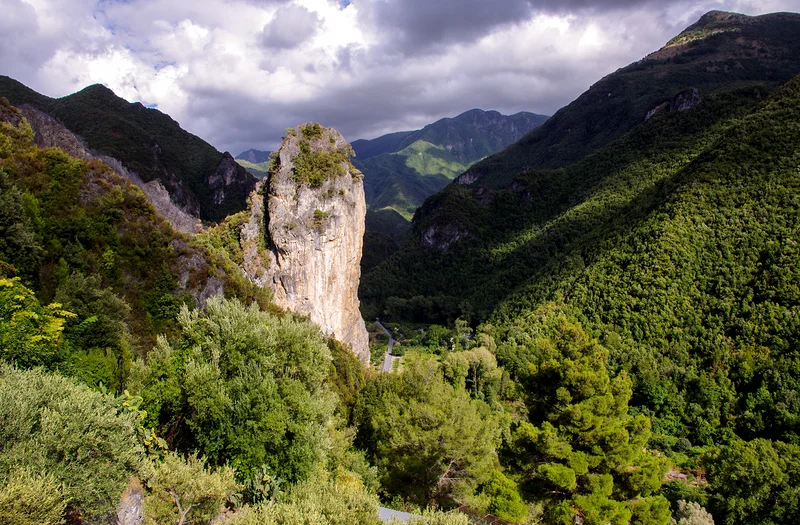
Nearby, the Parc National du Pollino attracts hikers and archaeology buffs, notably for the Paleolithic site of the Romito caves. More recent history includes the castello Fortino, though this 15th-century structure is private, much like the stunning Rocca di Praia Norman castle, a 14th-century count's residence. Another defensive landmark, the 15m Torre di Fuzzi, sits atop a cliff overlooking the sea but is not open to the public. You can find a more unique side of local history at the sanctuary of the Madonna della Grotta. You have to hike up the side of Monte Vinciolo to reach the three caves that house the site. One contains a chapel with a Madonna statue reportedly left by a fisherman over 150 years ago. Another cave features an altar used for masses, particularly in August. In town, you will find religious architecture like the modern chiesa di Sao Paolo Apostolo. The Museo Comunale is also quite modern, featuring a collection of contemporary and sacred art, seashells, photos, and postcards. The archaeology section, featuring remnants from the 3rd century, is worth a visit.
The town has a distinct seaside feel, with boulevards full of life. There are plenty of shops and restaurants to try local specialties like bruschette, soppressata (a spicy sausage), and an abundance of fresh seafood, antipasti, and even citron.
When to go
The climate in Calabria is ideal from April to November. It is best to visit during the shoulder season to avoid the peak tourist crowds, though the festival of the Madonna in mid-August is a sight to see.
Getting there
The easiest way to arrive is to fly into Naples. From there, you can take a train to the Praja-Ajeta-Tortora station, which takes about 3 hours, followed by a short bus ride to Praia a Mare. Renting a car is a practical alternative, as major highways connect the town from both the north and the south.